

Introduction
Popcorn, a beloved snack derived from a unique variety of corn, has captivated consumers worldwide with its light, fluffy texture and versatile flavors. As a whole grain food, it offers a combination of entertainment and nutrition, making it a staple at movie theaters, carnivals and home gatherings. Its popularity stems from its affordability, ease of preparation and ability to adapt to various cultural tastes, from savory to sweet. The global popcorn market continues to expand, driven by health-conscious trends and innovative product developments. Popcorns journey from ancient civilizations to modern snacking highlights its enduring appeal, with scientific advancements enhancing its production and nutritional profile.
This guide delves into its history, science and future, providing a thorough understanding of this timeless treat. Recent studies emphasize popcorns role in sustainable agriculture, positioning it as a crop resilient to climate changes while offering economic benefits to farmers in diverse regions. Furthermore, its low environmental footprint compared to other snacks makes it a favorite among eco-conscious consumers, with ongoing research exploring bio-based packaging to reduce plastic waste. Popcorn also serves as a versatile ingredient in recipes beyond snacking, such as in salads, soups or even as a crust for baked goods, showcasing its culinary flexibility.

Freshly Popped Popcorn
A Brief History of Popcorn
Popcorn story begins in the Americas, where maize was first domesticated around 9,000 years ago in Mexicoes Balsas River Valley. Archaeological evidence from Peru dates popcorn use back to at least 4,700 BCE, with sites like Paredones and Huaca Prieta revealing early popping techniques. By 3,600 BCE, Ancestral Puebloan peoples in New Mexicoes Bat Cave were popping corn, likely traded from tropical regions.
Indigenous peoples across the Americas valued popcorn not only as food but also in ceremonies. The Aztecs used it in rituals, while other groups used it for decoration or as offerings. Popcorn eventually spread throughout North and South America through trade networks long before European contact.
When European explorers arrived in the Americas, popcorn traveled abroad. By the 16th century, it had reached Europe and by the 17th century, it appeared in colonial North America. Its popularity grew steadily, with early references to “popped corn” appearing in dictionaries by 1848.
The industrial era brought global commercialization. In the 1890s, Charles Cretors invented a steam-powered popcorn machine, first showcased at the 1893 Chicago World’s Fair, which influenced street vending and small-scale factories. Around the same time, popcorn snacks like Cracker Jack popularized sweet coated varieties.
During the 20th century, popcorn became a worldwide snack phenomenon. It spread to Europe, Asia and Africa, often adapted to local tastes. For example, in Japan, savory and spicy seasonings became popular, while in parts of India, popcorn is enjoyed with chili, turmeric and salt. Cinemas around the world embraced popcorn as a theater snack, though consumption patterns varied based on local culture and affordability.
Global popcorn production today is centered in the United States, Argentina, Brazil, China and South Africa, with the U.S. producing the largest volumes, particularly in Nebraska, Indiana and Illinois. Other countries grow popcorn on smaller scales for local consumption or export. Popcorn has become a truly global snack, available in supermarkets, movie theaters and homes worldwide, often flavored to suit regional preferences.
From ancient rituals to modern cinema, popcorn has evolved into a versatile, cross-cultural treat, combining tradition, convenience and innovation in every fluffy kernel.
Global Scenario
The global popcorn market is substantial, with steady growth driven by increasing demand in various regions. The United States remains the largest producer and consumer, with major production in states like Nebraska, Indiana and Illinois, exporting to over 100 countries. Asia-Pacific shows significant growth, driven by rising disposable incomes and Western snacking trends in countries like China and India. Europe favors gourmet and organic varieties, while Latin America maintains traditional consumption patterns rooted in its ancient origins.
Challenges such as climate variability affect yields in key regions, but innovations in sustainable farming bolster global supply chains. International trade agreements have facilitated exports, with U.S. popcorn reaching new markets in the Middle East, where fusion flavors blend local spices with traditional popping. Global consumption patterns show a shift toward ready to eat formats, influenced by urbanization and busy lifestyles, as per market analyses. In Africa, emerging markets are adopting popcorn as an affordable snack, often incorporating local grains.
Overall, the industries globalization has led to diverse product offerings, catering to regional preferences and dietary needs. Collaborative efforts among producers worldwide aim to standardize quality while preserving cultural uniqueness in popcorn consumption. Nearly all world production occurs in the U.S., with about 17 billion quarts consumed annually by Americans alone. Countries like Japan and China are increasing imports, blending popcorn with local flavors like wasabi or spicy seasonings.
Botany and Varieties of Popcorn
Popcorn belongs to the species Zea mays everta, a subtype of flint corn distinguished by its hard pericarp, which traps moisture and enables the popping mechanism. Each kernel consists of three main parts: the tough outer pericarp, the starchy endosperm and the germ, which contains oils and proteins essential for high-quality popping.
Popcorn varieties are classified by kernel shape pearl (rounded) or rice (elongated) and color, including yellow, white, blue, red and multicolored heirlooms. Pigmented varieties, such as purple or black popcorn are rich in anthocyanins, giving them higher antioxidant content and increased nutritional value, which also boosts market appeal.
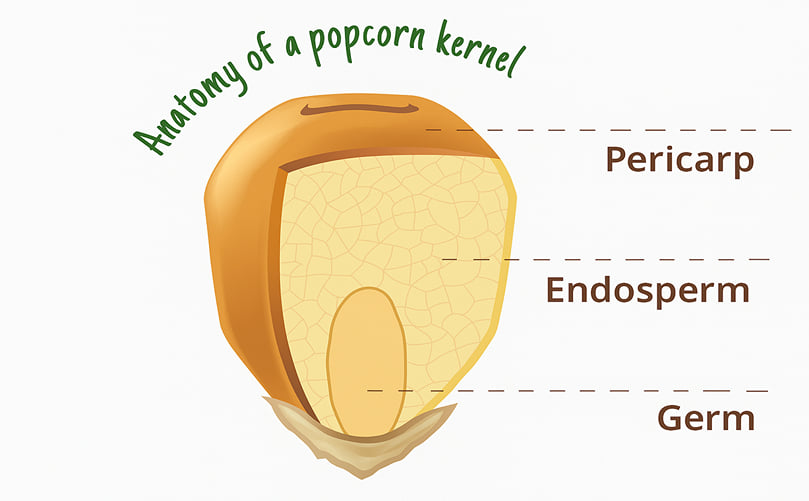
Anatomical diagram of a popcorn kernel showing pericarp, endosperm and germ.
Popped popcorn comes in two main forms: butterfly, which is irregular and tender and mushroom, which is round and sturdy, ideal for coatings like caramel. Modern hybrids are bred for consistent popping traits, including high yield, expansion volume and kernel uniformity. Botanical research shows that pericarp strength and endosperm composition are key factors in popping efficiency.
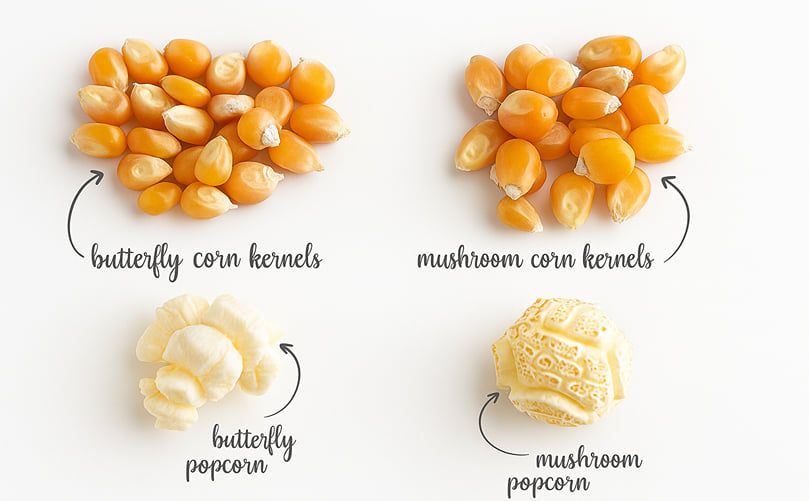
Comparison of butterfly and mushroom popcorn kernels and their popped forms.
Genetic diversity is preserved through seed banks and heirloom varieties, helping maintain resistance to pests and diseases. Heirloom popcorn, often smaller, offers nuttier flavors and unique textures, gaining popularity in artisanal markets. Cultivation requires well-drained soil, adequate sunlight and optimal kernel moisture, while advances in biotechnology are improving traits such as drought tolerance, ensuring popcorn remains viable under different climatic conditions.
The Science of Popping
The popping process involves heating kernels to 180°C, converting internal moisture to steam that builds pressure up to 135 psi, rupturing the pericarp and expanding the endosperm into foam. Physics plays a key role, with thermal diffusivity and hull strength determining expansion volume, as studied in research comparing popcorn to other corns. Chemically, gelatinization of starch and protein denaturation create the crispy texture, while aromas from compounds like 2-acetyl-1-pyrroline enhance sensory appeal. Optimal moisture content of 14-15% is critical; deviations lead to unpopped kernels or poor quality.
Advanced studies using high speed imaging reveal the "pop" sound results from vapor release vibrations, not hull breakage. Research also addresses health concerns, like diacetyl in flavorings causing respiratory issues, prompting safer alternatives. Recent experiments in food science labs have modeled popping dynamics using computational fluid dynamics, improving industrial processes for higher efficiency. These insights have led to patented technologies for microwave enhancements, ensuring even popping and reduced energy use.
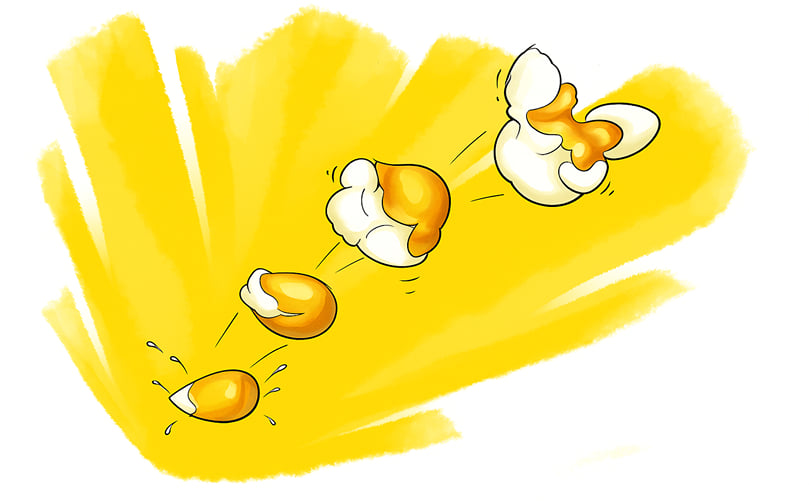
Popcorn kernel popping process
Nutritional Composition
Plain air popped popcorn is a nutrient-dense snack, providing 382 calories per 100g, with 78g carbohydrates (including 15g fiber), 12g protein and 4g fat. It's rich in minerals like manganese (41% DV), magnesium (31%) and zinc (31%), plus B vitamins such as riboflavin (23%). High polyphenol content offers antioxidant benefits surpassing many fruits and vegetables, aiding in reducing oxidative stress and chronic diseases. Studies show it promotes satiety due to low energy density and high fiber, supporting weight management and digestive health. Pigmented varieties enhance bioactive compounds, boosting microbiome health through butyrate production.
However, added fats and salts in processed forms can diminish benefits, emphasizing plain preparations for optimal nutrition. Clinical trials have demonstrated popcorns potential in lowering cholesterol levels when consumed as part of a balanced diet, with fiber binding to bile acids. Nutritional databases highlight its gluten-free status, making it suitable for celiac patients. As a low-glycemic index food, it helps stabilize blood sugar, beneficial for diabetics. Incorporating popcorn into meals can increase whole grain intake, contributing to overall dietary fiber goals.
Industrial Production and Processing
Industrial popcorn production begins with harvesting kernels at 14–15% moisture, followed by drying, cleaning, and sorting to remove impurities. Processing involves either wet or dry popping methods; commercial facilities typically use hot oil or air poppers for large-scale production. Flavoring and coating occur after popping sweet varieties are glazed, while savory ones are seasoned to ensure even distribution. Packaging takes place once the popcorn is cooled to maintain freshness, with microwave bags incorporating susceptors for uniform heating.
Automation enhances efficiency throughout the process, from kernel delivery to final packaging, while strict food safety standards are maintained. Innovations such as encapsulated flavors for microwave products and patented methods integrating oil and seasonings have further improved quality and convenience. Supply chain optimization through blockchain ensures traceability and consistent quality from farm to shelf.
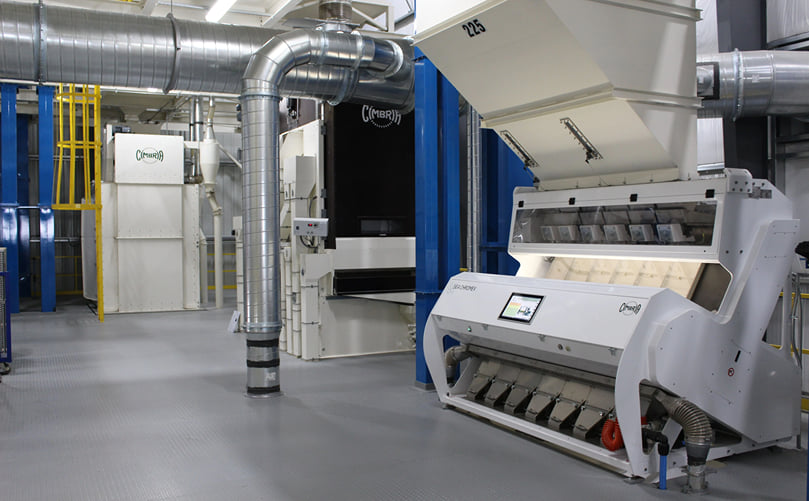
Modern Popcorn Factory
Energy-efficient dryers and AI-monitored popping lines help reduce waste and align operations with green manufacturing goals. Quality control involves testing for expansion volume and hull integrity to meet consumer expectations. Global standards like HACCP guide production to prevent contamination and ensure batch-to-batch consistency. Modern facilities often use vortex hot-air popping technology for both savory and caramel varieties, minimizing labor requirements. Equipment such as Cretors poppers is commonly used in contemporary industrial popcorn production lines.
Flavors and Innovations
Popcorn flavor trends increasingly favor bold combinations such as hot honey, tajin and Dubai chocolate, blending sweet, spicy and exotic notes. Innovations now include functional additions like protein enriched or plant-based formulations, appealing to health-conscious consumers. Nostalgic flavors such as Oreo and Cheetos coexist with globally inspired fusions, boosting market engagement through limited-edition launches.
Hulless varieties and no-kernel puffs cater to texture-sensitive consumers, improving accessibility and eating experience. Sustainability drives many innovations, with organic and non-GMO popcorn gaining traction in premium segments. Advances in flavor encapsulation technology prevent sogginess and extend shelf life, especially beneficial for e-commerce distribution.
Collaborations with celebrity chefs have popularized gourmet offerings such as truffle-infused and matcha-dusted popcorn, targeting upscale markets. Emerging trends explore savory profiles inspired by international cuisines, including curry and wasabi. Consumer demand for low-sugar, gluten-free and allergen-free variants is prompting continuous product reformulation.
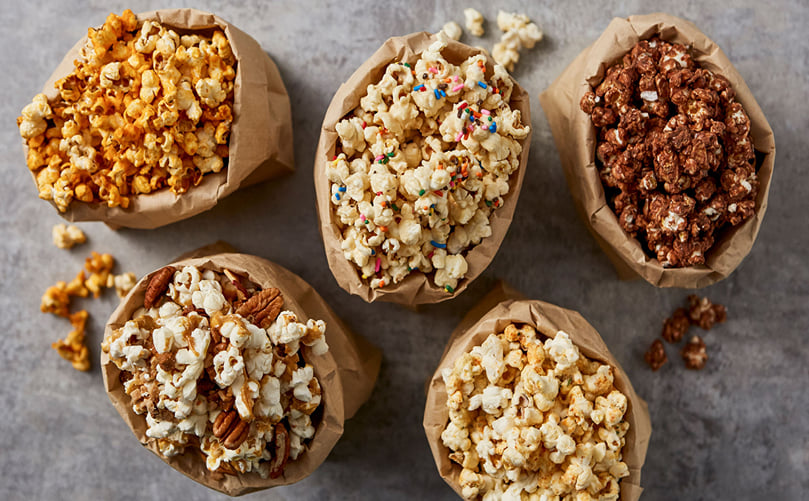
Vibrant Array of Gourmet Popcorn Flavors
Overall, flavor diversity and innovation keep popcorn dynamic and relevant in an increasingly competitive snack industry. Popular examples include pizza, strawberry, jalapeno and salty chocolate caramel.
Market Overview
The global popcorn market remains robust, driven primarily by the expanding ready to eat segment. North America continues to hold a significant market share, while the Asia-Pacific region is experiencing rapid growth. Key growth drivers include rising snacking trends, the boom in e-commerce, and increasing demand for premium gourmet products.
Although raw material price volatility presents challenges, innovations in packaging and flavor development help offset these pressures. The U.S. remains the dominant market, contributing a substantial portion of global revenue. Online retail platforms have further accelerated sales growth, with subscription based variety packs gaining popularity among consumers.
Market segmentation indicates that microwave popcorn still holds a major share; however, ready to eat varieties are witnessing faster growth due to their convenience and on the go appeal. Intense brand competition centers on distinctive flavors, health-focused claims and clean-label products to strengthen consumer loyalty.
Economic factors continue to shape pricing strategies, with affordability remaining crucial in emerging markets. Overall, the market evolution mirrors shifting consumer lifestyles and preferences, keeping popcorn a dynamic and versatile snack choice worldwide.
Regional Market Analysis
North America dominates global popcorn revenue, driven by high per-capita consumption in the United States and Canada. The Asia-Pacific region is experiencing rapid growth, fueled by urbanization, rising disposable incomes and increasing demand in countries such as China and India. In Europe, consumer preference leans toward organic and premium options, with Germany and the United Kingdom showing strong demand for sweet and gourmet varieties.
Latin America maintains steady growth, supported by popcorn deep cultural roots and consistent consumption in Mexico and Brazil. The Middle East and Africa are emerging markets where fusion and spiced flavors are gaining popularity, although large scale production remains limited. In Australia, the focus on health and wellness trends has boosted demand for low-calorie and air-popped options, while Japan market stands out for integrating popcorn into confectionery and hybrid snack products.
Regional tariffs and supply chain disruptions continue to influence pricing and availability across international markets. Cultural preferences drive product differentiation such as spicy and tangy flavors favored in Asian markets while economic development and improved trade collaborations are expanding global distribution networks and market access.
Challenges in Popcorn Production
Popcorn farming faces numerous environmental and economic challenges that directly affect yield and quality. In regions such as the U.S. Midwest, heavy rains, strong winds and hailstorms often damage crops and reduce productivity. Weed management remains complex due to the absence of herbicide tolerant hybrids, requiring careful and labor intensive practices to prevent crop injury.
Rising incidences of fungal and bacterial diseases demand advanced pest and disease management strategies, increasing production costs and resource use. Competition for farmland with higher yielding crops like dent corn further limits acreage dedicated to popcorn cultivation. Maintaining soil fertility and optimizing fertilizer application are crucial for achieving desirable popping quality, yet these efforts are strained by escalating input costs.
Climate change intensifies drought risks, driving research into drought-tolerant hybrids through genetic and breeding innovations. Seasonal labor shortages also hinder efficient harvesting, encouraging greater mechanization and automation. Additionally, supply chain disruptions can delay seed distribution and impact overall production planning.
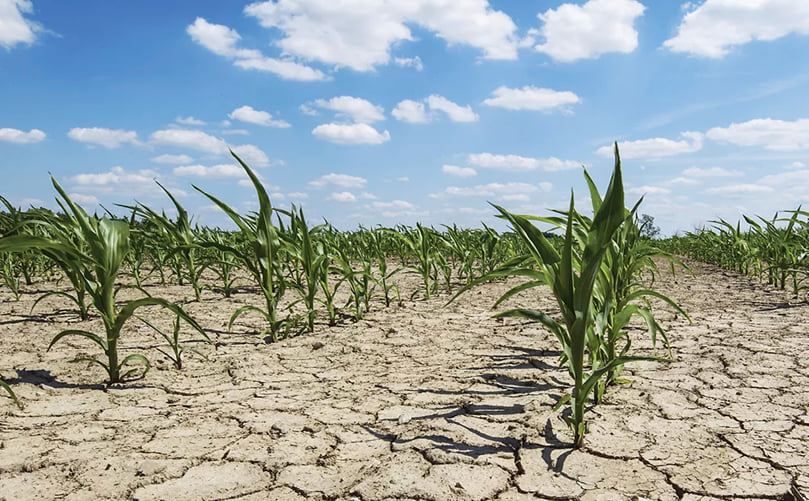
Corn Field Facing Nature’s Challenges
Economic volatility continues to influence farmers crop allocation decisions. Addressing these challenges requires integrated pest management, sustainable soil practices and adaptive strategies to ensure the long term viability of popcorn production.
Sustainability and Future Trends
Sustainability in popcorn production increasingly emphasizes conservation agriculture, including crop rotation, cover cropping and minimal tillage to reduce environmental impact. Regenerative farming practices are being adopted to restore soil health, enhance biodiversity and sequester carbon. Organic and non-GMO cultivation continues to rise, aligning with growing consumer demand for ethically sourced and environmentally responsible products.
Future trends point toward technological integration and innovation. AI-driven vending systems and predictive analytics for weather forecasting are enhancing yield optimization, supply stability and market responsiveness. In manufacturing, ESG (Environmental, Social and Governance) principles are shaping business strategies, ensuring transparency and accountability throughout the value chain.
Packaging innovations are central to sustainability goals, with biodegradable and compostable materials often derived from corn starch replacing traditional plastics, supporting circular economy models. Meanwhile, product diversification continues with protein enriched popcorn, functional snacks and globally inspired flavor fusions catering to evolving consumer preferences.
Rising consumer awareness and industry collaborations are driving the establishment of sustainable sourcing standards. Collectively, these advancements ensure popcorn long term viability as a responsible and future-ready snack category.
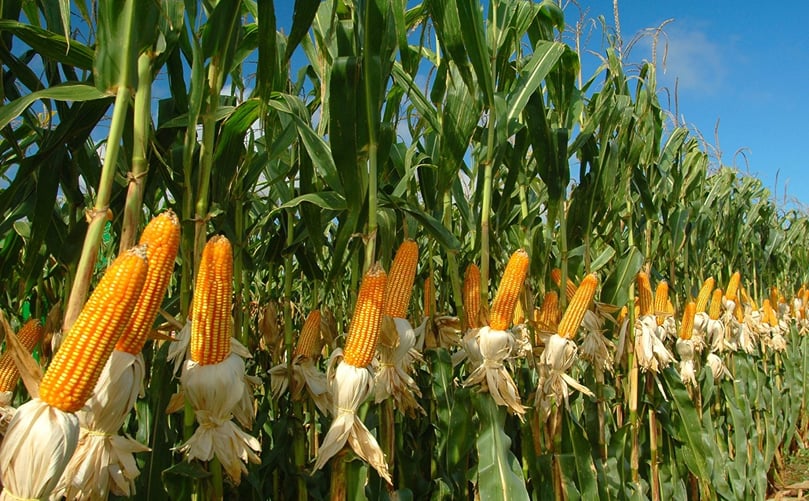
stainable Popcorn Farming
"Popcorn is more than a snack; it is a testament to human ingenuity, transforming a humble kernel into a global symbol of joy and resilience."