
For decades, people who concern themselves with the world’s “wicked problems” — interconnected issues like environmental degradation, poverty, food security and climate change — have marched together under the banner of “sustainability”: the idea that with the right mix of incentives, technology substitutions and social change, humanity might finally achieve a lasting equilibrium with our planet, and with one another.
It’s an alluring and moral vision, and in a year that has brought us the single hottest month in recorded American history (July), a Midwestern drought that plunged more than half the country into a state of emergency, a heat wave across the eastern part of the country powerful enough to melt the tarmac below jetliners in Washington and the ravages of Hurricane Sandy, it would seem a pressing one, too.
Yet today, precisely because the world is so increasingly out of balance, the sustainability regime is being quietly challenged, not from without, but from within. Among a growing number of scientists, social innovators, community leaders, nongovernmental organizations, philanthropies, governments and corporations, a new dialogue is emerging around a new idea, resilience: how to help vulnerable people, organizations and systems persist, perhaps even thrive, amid unforeseeable disruptions. Where sustainability aims to put the world back into balance, resilience looks for ways to manage in an imbalanced world.
Beyond Sustainability: Resilience
Like to receive news like this by email? Join and Subscribe!
Get the latest potato industry news straight to your WhatsApp. Join the PotatoPro WhatsApp Community!
相关新闻

八月 07, 2026
粮农组织食品价格指数7月小幅上扬,作物价格走强推升指数
联合国粮农组织食品价格指数*2026年7月平均为131.1点,较6月上涨0.7点(0.6%)。谷物、食糖和植物油价格指数上涨对总体指数的影响部分被肉类与乳制品价格的下跌所抵消。与上年同期相比,本月食品价格指数上涨了1.3点(1.0%),但仍比2022年3月的历史峰值低29.1点(18.2%)。 
八月 07, 2026
粮农组织食品价格指数8月全面上涨,食糖领涨
联合国粮农组织食品价格指数*2026年7月平均为131.1点,较6月上涨0.7点(0.6%)。谷物、食糖和植物油价格指数上涨对总体指数的影响部分被肉类与乳制品价格的下跌所抵消。与上年同期相比,本月食品价格指数上涨了1.3点(1.0%),但仍比2022年3月的历史峰值低29.1点(18.2%)。 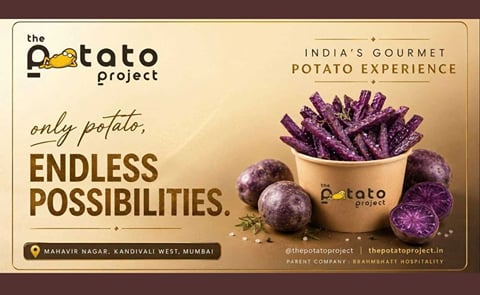
七月 30, 2026
The Potato Project opens first flagship gourmet potato restaurant in Mumbai
The Potato Project will open its first flagship outlet in Mumbai on 31 July, introducing a gourmet potato-focused QSR concept. Built around white potato, purple potato and yam, the brand plans to expand across India and into international markets.