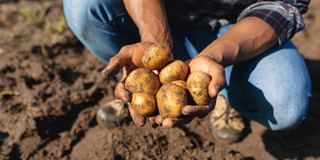

What Are Table Potatoes?
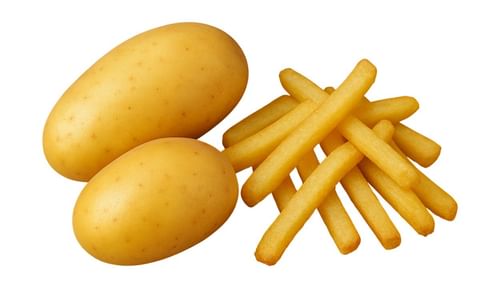
Table potatoes, also referred to as fresh market or table stock potatoes, are varieties cultivated primarily for direct human consumption rather than industrial processing, such as for chips, fries or starch production. These varieties are carefully selected for their appealing appearance, high-quality taste and versatility in culinary applications, including boiling, steaming, roasting, baking and mashing. Their sensory qualitiessuch as texture, color, and flavor make them a preferred choice for households and restaurants worldwide.
Table potatoes are a dietary cornerstone for over 1.3 billion people, contributing significantly to global food security, nutrition and culinary traditions. They provide essential carbohydrates, dietary fiber, vitamins (notably vitamin C and B6) and minerals such as potassium, making them a valuable component of balanced diets.
As the world’s fourth largest food crop, potatoes play a crucial role in sustaining livelihoods and rural economies. Global potato production reached approximately 383 million tonnes in 2023, with China leading at around 95 million tonnes, followed by India at approximately 54 million tonnes. Other major producers include Russia, Ukraine, and the United States. Their cultivation supports smallholder farmers, generates employment and strengthens local and regional food systems, particularly in developing countries.
Beyond nutrition and economics, table potatoes have cultural significance in many cuisines and are often central to traditional dishes. With their adaptability to diverse climates and soils, potatoes remain a resilient crop, capable of contributing to sustainable agriculture and climate resilient food systems.
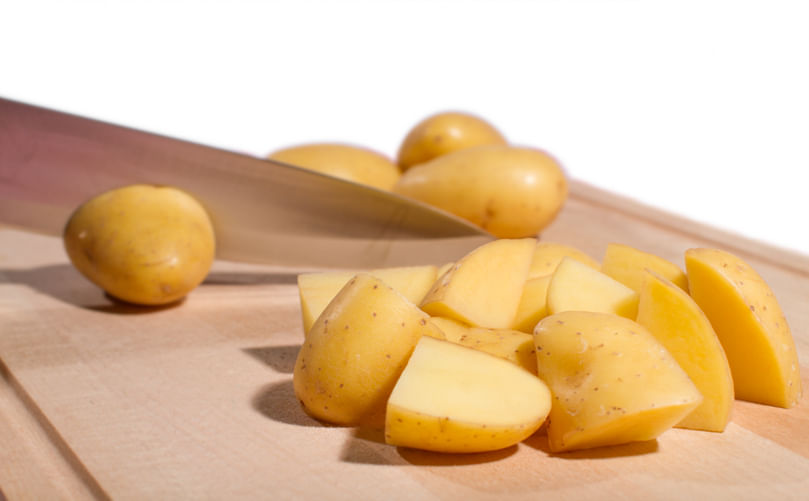
Premium Table Potatoes for Daily Meals
Table Potatoes are selected for their:
Taste and Texture: Consumers expect table potatoes to deliver excellent taste and a pleasant texture, whether boiled, baked, mashed or fried. Varieties are selected for an optimal balance of moistness and mealiness, a subtle flavor profile and a texture that holds up across diverse cooking methods.
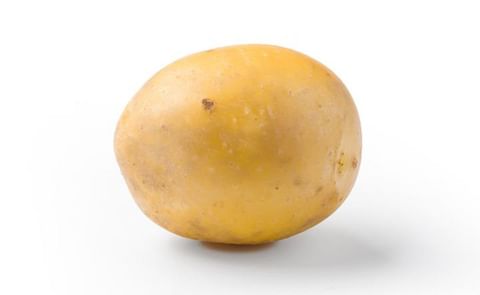
Attractive Appearance: Visual appeal is a major factor influencing consumer purchasing decisions. Potatoes with smooth, blemish-free skin, uniform size and consistent shape are more likely to be chosen in markets, ensuring higher acceptance and sales.
Good Shelf Life: Potatoes often travel long distances and may be stored for weeks or months before reaching the consumer. Varieties must resist sprouting, shriveling and disease in storage to minimize losses and maintain freshness.
Disease Resistance: Resistance to major diseases like late blight is a top priority. Disease resistant varieties reduce the need for chemical inputs and help ensure reliable harvests even under disease pressure, directly impacting farm profitability and sustainability.
Resistance to Blemishes and Bruising: Potatoes destined for the table market must have clean, smooth skins with minimal blemishes, scab or bruising. These defects not only lower visual quality but also increase spoilage risk during storage and transport, impacting both consumer satisfaction and economic returns.
Culinary Consistency: Consumers and chefs demand potatoes that cook evenly and predictably. This requires stable moisture, starch and sugar content, ensuring that the final product is consistent in texture, taste and appearance across different cooking methods.
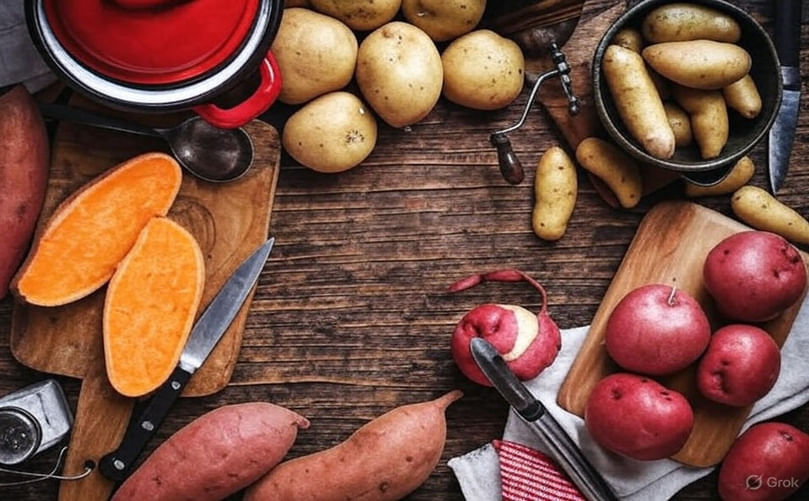
Farm to Table: Pure Potato Goodness
From Farm to Consumer: The Journey of Table Potatoes
Cultivation and Crop Management: Farmers plant certified seed potatoes meticulously selected for yield potential, taste quality and environmental resilience. Comprehensive crop care encompasses soil preparation, precision irrigation management, balanced fertilization programs and integrated disease management strategies. Timing proves critical, as potatoes demonstrate sensitivity to temperature fluctuations, moisture levels and nutrient availability throughout their growth cycle.
Harvesting and Post-Harvest Handling: Potatoes are harvested at physiological maturity and subsequently cured to toughen the skin, enhancing storage durability. Gentle handling throughout harvest and post-harvest operations remains essential to prevent bruises or skin damage that would diminish market quality. Tubers undergo thorough sorting by size, shape and cleanliness before storage or distribution.
Storage Infrastructure: Table potatoes are stored under carefully controlled environmental conditions cool temperatures, darkness, and adequate ventilation to delay sprouting and prevent greening caused by chlorophyll and solanine development. In regions lacking advanced storage infrastructure, varieties with natural dormancy characteristics are preferred to maintain market quality over extended periods.
Grading and Packaging: Before reaching markets, potatoes undergo rigorous grading for uniformity and quality standards. Packaging varies from loose sacks and mesh bags to protective cartons, but all packaging must safeguard tubers while allowing necessary ventilation to prevent moisture accumulation and spoilage.
Distribution and Marketing Channels: Potatoes reach consumers through diverse channels including wholesale markets, retail outlets, supermarkets and direct farm to consumer sales. In some regions, informal markets dominate, while in others, organized retail and supermarket chains shape demand patterns. Visual appeal, variety identification and perceived freshness strongly influence purchasing decisions.
Consumer Utilization: Once in household or food service settings, table potatoes are prepared using numerous cooking methods boiling, baking, roasting, frying or incorporation into traditional and contemporary dishes. Culinary expectations vary significantly across cultures, making variety selection as crucial at the dinner table as in the field.
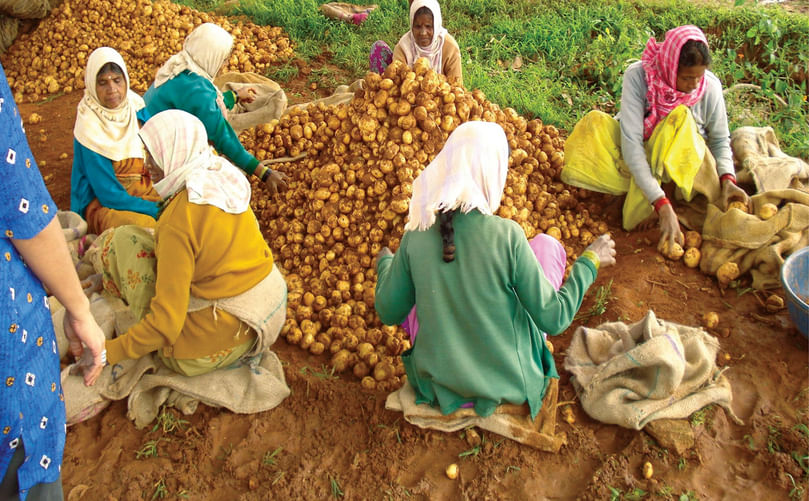
Fresh Table Potatoes Ready for the Market
Nutritional Value and Health Benefits of Table Potatoes
Table potatoes are a versatile and nutrient-rich food that supports a healthy diet. A medium-sized potato, approximately 150 grams with skin, provides around 110 calories and is naturally fat-free and cholesterol-free, making it an excellent choice for balanced eating patterns. Potatoes are rich in vitamin C, supplying about 30% of the daily requirement more than a medium tomato and provide around 620 milligrams of potassium, nearly double the amount found in a banana. They also contribute vitamin B6, dietary fiber, plant-based protein, iron and magnesium, supporting metabolic processes, muscle function and overall wellness.
One notable advantage of potatoes is their high nutrient bioavailability. The combination of vitamin C and low levels of anti-nutrients, such as phytates, enhances the body’s absorption of key minerals, particularly iron. This property makes potatoes especially valuable in biofortified varieties, designed to address micronutrient deficiencies in populations with limited dietary diversity.
A common misconception is that all the nutrients are concentrated in the skin. In reality, while the skin contains a significant portion of dietary fiber, more than half of the essential vitamins and minerals are present in the potato flesh itself. When prepared using healthy methods such as boiling, baking, or roasting without excessive added fats, potatoes provide nutrient-dense, affordable calories that contribute to both energy needs and micronutrient intake.
Role of Potatoes in Global Food Security
Potatoes are a vital staple crop that plays a significant role in global food security. In regions where potatoes are widely consumed, they contribute approximately 15% of daily caloric intake. Their remarkable productivity per unit of land often exceeds that of cereal grains, making them especially important in densely populated areas or regions with limited arable land. This is particularly evident across Sub-Saharan Africa, South Asia and the mountainous regions of Latin America, where potatoes serve as a reliable and efficient source of calories.
Addressing Malnutrition Through Biofortification
To combat widespread micronutrient deficiencies, scientists have developed biofortified potato varieties with enhanced nutritional profiles. Over more than 15 years of research and conventional breeding, the International Potato Center (CIP) has created potato clones containing 40–80% more iron and zinc than commonly cultivated varieties.
These biofortified potatoes are designed to target critical nutritional gaps: iron-rich potatoes help combat iron-deficiency anemia, which affects roughly 1.6 billion people worldwide; zinc enriched varieties address zinc deficiency, especially among children and women of reproductive age and increased vitamin C content further enhances iron absorption, producing synergistic nutritional benefits.
Preliminary bioavailability studies conducted in Peru show that iron from biofortified potatoes is absorbed at a significantly higher rate approximately 29% compared to other biofortified crops such as beans (3–5%) or pearl millet (7–10%). This highlights the exceptional potential of potatoes as a vehicle for improving micronutrient intake in vulnerable populations.

Nutritious biofortified Potato Smiles for Happy Children
Geographic Impact
Biofortified potato varieties have been introduced and evaluated in countries including Ethiopia, Rwanda, Peru, Nepal and Bhutan, with ongoing expansion to other nations in Africa and Asia. In mountain regions of rural Africa and Latin America, where people may consume 300–800 grams of boiled potatoes daily, these crops can account for nearly 40% of their energy requirements. By integrating biofortified potatoes into local diets, communities gain a practical and sustainable solution to address malnutrition and improve public health outcomes.
Future Outlook for Table Potatoes
The humble potato, first domesticated in the Andean highlands around 8,000–10,000 years ago, has come a long way and its future has never looked more promising. Indigenous farmers in regions near Lake Titicaca (modern-day Peru and Bolivia) began selecting wild potato species for larger, tastier tubers, laying the foundation for the global staple we know today.
Heritage Meets Modern Breeding: Potato breeding is now entering a new, more precise era. Researchers are combining traditional breeding with cutting-edge tools like CRISPR/Cas9 gene editing to create varieties that are more resistant to both biotic and abiotic stress. For example, scientists have used CRISPR to successfully introduce stress‑resistance traits, which could help potatoes better withstand climate change challenges such as drought, heat and disease.
Beyond CRISPR, modern breeding programs are leveraging genomic selection, marker-assisted breeding and even cisgenesis (gene transfer from compatible wild potato species) to stack beneficial traits like late blight resistance, improved nutrient use and better post-harvest quality. These methods allow breeders to more rapidly respond to regional challenges whether it’s developing varieties for smallholder farmers in tropical climates or optimizing for industrial traits in commercial markets.
Climate Resilience and Traceability: Given the growing pressures of climate change, the future of potato cultivation will likely emphasize climate-resilient varieties. Breeders are targeting traits such as heat and drought tolerance, faster maturity and efficient nutrient uptake. At the same time, traceability technologies such as genetic markers, blockchain and sensor-based farm management are becoming more relevant, helping supply-chain stakeholders track potato varieties from farm to fork and ensure quality, safety and provenance.
Evolutionary Insights and Future Breeding: Recent genomic research has also shed light on the ancient origins of the potato. Scientists now believe that the modern potato lineage may have arisen from a natural hybridization event between a tomato-like species and a distant potato relative millions of years ago. This evolutionary insight gives breeders a deeper understanding of the genes underlying traits like tuber formation, stress tolerance and yield knowledge that can guide future breeding efforts.