

Tortilla Chips: A Crunchy Journey from Mexican Tradition to Global Staple
Tortilla chips are a versatile and iconic snack food derived from corn tortillas, typically cut into triangular shapes and either fried or baked to achieve a crispy texture. They are made primarily from nixtamalized corn kernels that have been soaked and cooked in an alkaline solution combined with vegetable oil, salt and water. This traditional process distinguishes them from other corn-based snacks, such as corn chips, which are usually made from extruded cornmeal without nixtamalization.
While often lightly salted for dipping purposes, tortilla chips are also available in a wide array of flavored and seasoned varieties. They are commonly served as appetizers, garnishes for dishes such as chili con carne or as the base for foods like nachos. Their structure makes them ideal for scooping dips such as salsa, guacamole and queso. Tortilla chips are produced in multiple formats, including traditional triangles and round discs pressed from masa dough. Commercially, they are a staple of Mexican and Tex-Mex cuisine, with brands such as Tostitos and Doritos leading the global market.
Unlike corn chips (e.g., Fritos), which are shaped from cornmeal, tortilla chips retain the authentic structure and flavor of the tortilla base, acting as a cultural bridge between traditional Mexican foods and modern snacking. Nutritionally, they offer a gluten-free option and their relatively simple formulations often consisting of just three or four ingredients appeal to health-conscious consumers seeking clean-label products.
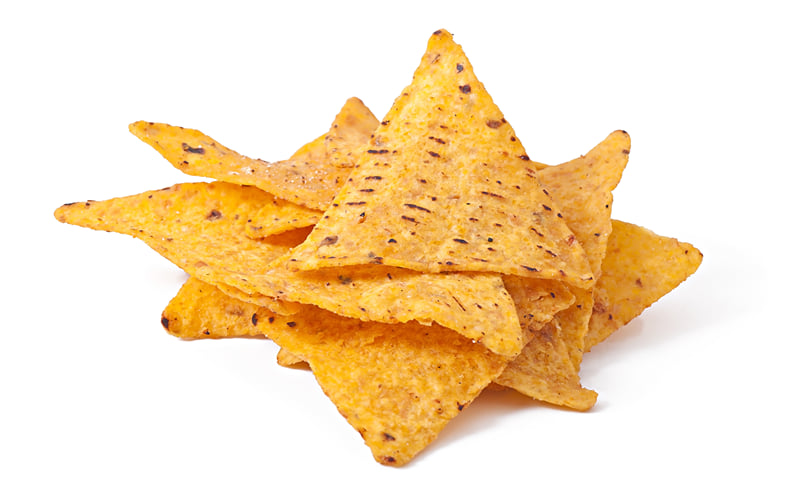
Classic Corn Tortilla Chips with Traditional Triangular Shape
From Ancient Maize to Modern Markets: The Origin and Evolution of Tortilla Chips
The origins of tortilla chips are deeply rooted in ancient Mesoamerican civilizations, where maize (corn) was domesticated approximately 10,000 years ago in Mexicos Sierra Madre Mountains. The process of nixtamalization, developed by around 3000 BCE, enhanced corn’s nutritional value and usability and became fundamental to masa dough production. This innovation laid the groundwork for tortillas, which have been a dietary staple in Mexico and Central America for millennia.
The modern tortilla chip emerged in the 1940s in Los Angeles, California, pioneered by Rebecca Webb Carranza. She repurposed misshapen or rejected tortillas from her familys El Zarape Tortilla Factory by cutting them into triangles and frying them. Initially sold for 10 cents per bag, these “Tort Chips” quickly gained popularity as an affordable snack innovation. In 1943, Ignacio “Nacho” Anaya created nachos in Piedras Negras, Mexico, using fried tortilla triangles topped with cheese and jalapenos, further boosting the chips appeal.
Mass production accelerated in the late 1940s with companies such as Frito-Lay, supported by the post–World War II snack boom and the growing Mexican-American population in the U.S. By the 1960s, pre-made tortilla chips enabled the widespread adoption of home-style nachos, transforming the product from a regional byproduct into a mainstream American snack. International expansion followed in the late 1970s, driven by the global popularity of Tex-Mex cuisine, with markets emerging in Europe and Asia. In 1994, Carranza was honored with the Golden Tortilla Award for her contribution to the snack industry. Today, tortilla chips are manufactured worldwide, with regional adaptations such as Japans Don Tacos, illustrating their evolution from ancient Mexican roots to a globally consumed snack.
Global Popularity of Tortilla Chips: Market Growth, Consumer Trends and Demand Drivers
Tortilla chips worldwide popularity is driven by their crunchy texture, versatility, affordability and compatibility with dips and toppings, along with their positioning as a convenient ethnic snack. In the U.S., they dominate the salty snack category, with regular monthly consumption supported by the mainstream acceptance of Mexican cuisine, gluten-free attributes and strong appeal for social gatherings and shared eating occasions.
Globally, demand is fueled by the rise of ethnic snacks, growing interest in plant-based and natural foods, and continuous flavor innovation tailored to regional tastes. In 2025, the global tortilla chips market is valued at approximately USD 28.11 billion and is projected to reach USD 46.58 billion by 2032, growing at a CAGR of 7.4%. This growth is supported by wide availability, competitive pricing and the enduring popularity of traditional corn-based flavors. In the U.S. alone, tortilla chip sales approached USD 10.5 billion, while the broader tortilla market was valued at USD 55.866 billion, with projections reaching USD 73.495 billion by 2030 at a CAGR of 5.64%. Despite a modest 0.3% decline in category sales to nearly USD 42 billion in 2025, attributed to economic uncertainty, leading brands such as Frito-Lay (USD 5.9 billion) and Barcel USA (USD 1.13 billion) continue to demonstrate resilience through premiumization strategies and better for you (BFY) product lines.
Health-focused trends, including clean-label formulations and organic ingredients, influence purchasing decisions, with approximately 68% of snack consumers prioritizing natural options. Flavored varieties account for nearly 68% of total sales, while brand collaborations such as Xochitl with Cholula enhance consumer engagement. Social media further amplifies tortilla chips shareability and in regions such as Europe and Asia, rising demand for gluten-free and vegan snacks positions tortilla chips as a preferred option for on the go consumption and party foods.
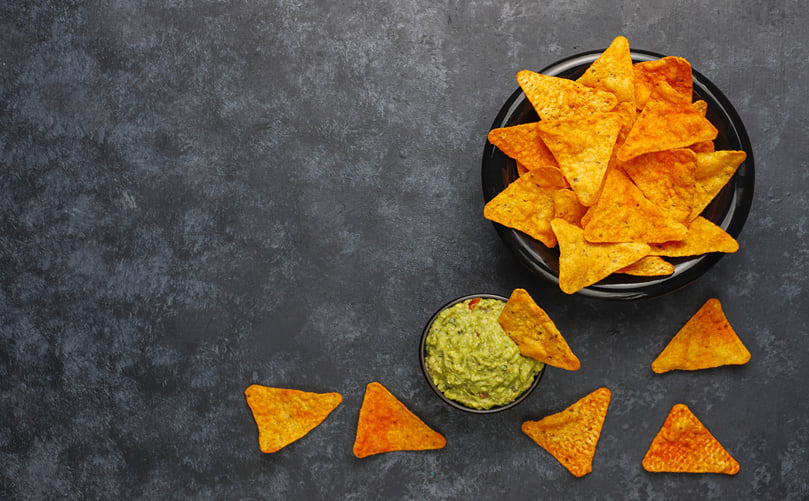
Tortilla Chips: A Globally Popular Corn-Based Snack
Raw Materials and Ingredient Composition of Tortilla Chips
Types of Corn Used in Tortilla Chip Production (White, Yellow, Blue Corn)
Tortilla chips are primarily made from field corn varieties, each offering distinct flavors, colors, textures and nutritional profiles. White corn (maíz blanco) provides a mild, neutral taste and pale color, making it ideal for showcasing seasonings. It accounts for approximately 70% of U.S. production due to its versatility in traditional Mexican recipes. Yellow corn imparts a slightly sweeter, more pronounced corn flavor and a golden hue and is often preferred for its visual appeal and subtle nuttiness.
Blue corn, an heirloom variety, stands out for its vibrant purple-blue color, nuttier taste and enhanced nutritional profile, including approximately 20–30% higher protein content, elevated levels of antioxidants such as anthocyanins and increased iron and zinc concentrations compared to white or yellow corn. Blue corn also contains less starch and may have a lower glycemic index, making it attractive to health-focused consumers, although it remains less common in large-scale commercial production. Emerging specialty formulations include blends such as white sorghum mixed with corn, which are being explored for improved physicochemical properties, including better oil absorption and enhanced texture.
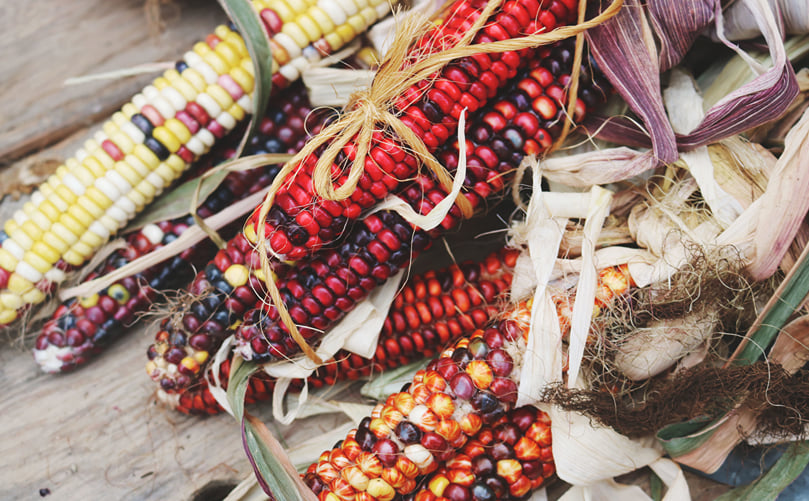
Corn Varieties for Tortilla Chips
Nixtamalization: Traditional Corn Processing for Masa Production
Nixtamalization is a traditional Mesoamerican process that is essential for converting corn into masa (dough) used in tortilla chip production. This process enhances digestibility, flavor, and nutritional value. It involves soaking and cooking dried corn kernels in an alkaline solution typically approximately 1% calcium hydroxide (slaked lime or cal) in water at temperatures ranging from 85–100°C for 30–60 minutes, followed by steeping for 8–16 hours to soften the pericarp (hull). The kernels are then washed to remove the loosened hull and excess lime, producing nixtamal, which is subsequently ground into masa.
From a scientific perspective, alkaline treatment breaks down pectin and hemicellulose in the cell walls, releasing gummy sugars that improve dough cohesion and reduce cracking during forming. Nixtamalization also significantly enhances nutrient bioavailability, increasing niacin (vitamin B3) absorption by up to 80%, thereby preventing pellagra, improving protein digestibility and reducing mycotoxins such as fumonisins by up to 50% in contaminated corn. While modern ecological adaptations aim to reduce water usage and wastewater generation, traditional nixtamalization methods remain preferred for authentic flavor and are still used in approximately two-thirds of tortilla production.
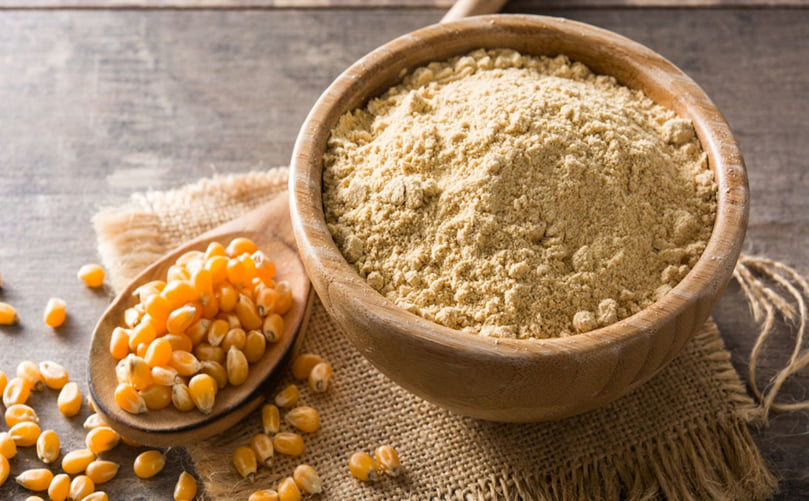
Transforming Corn into Masa
Primary Ingredients and Formulation Variations
The foundational ingredients of tortilla chips are relatively simple and include nixtamalized corn flour (masa harina), vegetable oil for frying, salt, and water for dough formation. Masa harina provides the structural base of the chip, while oil commonly sunflower, canola or avocado oil contributes to crispiness during high-temperature frying, with oil absorption typically ranging from 20–30% by weight. Salt enhances flavor and contributes modestly to preservation, while seasonings such as chili, lime or cheese create product differentiation.
Ingredient variations may include alternative oils, such as avocado oil for a richer sensory profile, or functional additions like chia seeds for improved nutrition and texture. Specialty tortilla chips may also incorporate multigrain flours, plant-based proteins or ingredients such as apple cider vinegar to add tanginess in clean-label formulations.
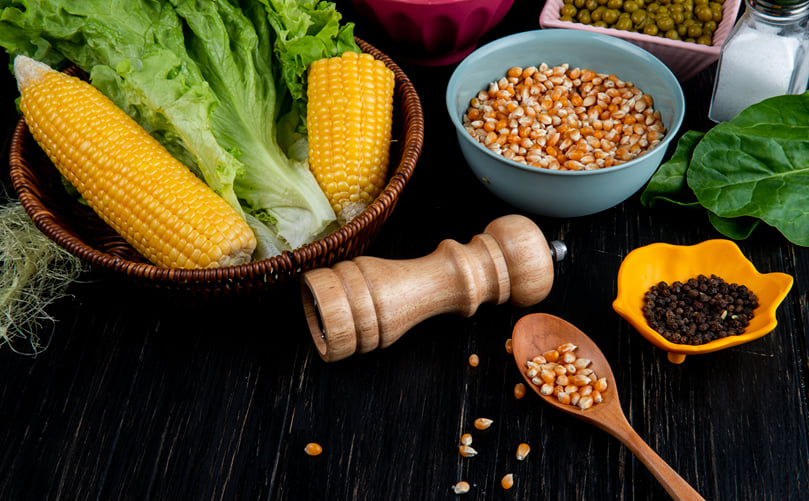
Beyond Corn: Ingredient Enhancements in Tortilla Chips
Ingredient Transparency: Clean-Label and Non-GMO Positioning
The growing demand for clean-label tortilla chips emphasizes the use of minimal, recognizable ingredients without artificial additives, preservatives or genetically modified organisms (GMOs). This shift aligns with increasing consumer expectations for transparency, simplicity and perceived health benefits. Many brands are moving away from commonly associated GMO inputs, such as certain corn or soybean-derived oils and are instead using non-GMO certified corn, along with natural functional ingredients like plant-based starches to maintain texture and shelf stability while supporting “free-from” claims.
This trend has driven product innovation, including cassava flour–based chips made with avocado oil and chia seeds, as well as protein-enriched and whole-grain varieties designed to appeal to flexitarian and plant-based consumers. Market data indicates that better for you offerings such as whole-grain, baked or reduced-fat tortilla chips are contributing significantly to category growth, with private-label products in value-oriented retail channels showing particularly strong sales momentum.
Manufacturing and Processing Technologies in Tortilla Chip Production
Traditional vs. Industrial Production
Traditional tortilla chip production is rooted in ancient Mesoamerican techniques and emphasizes manual processing to preserve authenticity and flavor depth. The process begins with whole corn kernels undergoing nixtamalization by cooking and soaking in limewater. The softened kernels are then hand-ground using stone mills (metates) to produce fresh masa. This masa is shaped into thin discs, briefly baked on a comal, cut into pieces and fried in small batches.
This traditional approach yields tortilla chips with a pronounced corn flavor, distinct alkaline notes and irregular textures that are highly valued in artisanal products. However, it is labor-intensive, low in throughput and less consistent, limiting its application to small-scale, artisanal or household production.
In contrast, industrial tortilla chip production is designed for scale, efficiency and uniform quality. Automated systems process large volumes of corn often thousands of kilograms per hour using either dry masa flour or continuous nixtamalization systems. These technologies reduce manual labor by approximately 70–80% while ensuring consistent particle size, moisture content and product dimensions. Industrial lines incorporate quality assurance measures such as metal detectors, optical sorters and computerized process controls. While preservatives may be added to enhance shelf life, organic and non-GMO production lines follow strict segregation and traceability protocols to prevent cross-contamination, increasing operational complexity but ensuring regulatory compliance.
Core Processing Steps in Tortilla Chip Manufacturing
Corn Cooking & Grinding: Dried corn kernels are cooked in an alkaline lime solution containing 1–2% calcium hydroxide at temperatures of 85–95°C for 20–60 minutes, followed by steeping for 8–16 hours. This process loosens the pericarp, enhances calcium availability and improves flavor and digestibility. After washing, the nixtamal is ground traditionally using stone grinders to obtain a coarse texture or industrially using hammer mills or plate grinders to produce a fine masa with particle sizes typically ranging from 0.5–1.0 mm, suitable for uniform dough formation.
Dough (Masa) Preparation: The ground corn is mixed with water to achieve a moisture content of approximately 50–60%. The dough is kneaded until pliable, with target viscosities in the range of 10,000–20,000 cP. Resting periods may be applied to allow partial starch gelatinization and improved machinability. Industrial operations rely on high-shear or twin-shaft mixers for consistent hydration, while traditional methods use manual kneading.
Sheet Forming & Cutting: Prepared masa is pressed or rolled into thin sheets, typically 1–2 mm thick, using rollers or extrusion systems. The sheets are then cut into desired shapes such as triangles or rounds using rotary or stamping cutters. Industrial production lines can operate at speeds of approximately 1,000–5,000 pieces per minute, ensuring high throughput and uniform geometry.
Baking or Frying: Chips are commonly pre-baked at 200–300°C for 10–30 seconds to reduce moisture content to around 20–30% and to set the structure. This is followed by frying in oil at 175–190°C for 30–90 seconds, during which the chips absorb approximately 20–35% oil by weight. Alternative processes include full baking or air-frying to produce reduced-fat products, though these methods can alter texture and flavor intensity.
Impact of Processing on Texture and Flavor
Processing conditions have a profound influence on the sensory attributes of tortilla chips. Nixtamalization contributes a characteristic alkaline-corn flavor, which is often more pronounced in traditional processes due to longer steeping times. Industrial methods may moderate this flavor to appeal to a broader consumer base.
Frying generates a light, crispy texture through rapid moisture evaporation and controlled oil uptake, producing a characteristic crunch with fracture forces typically ranging from 5–15 N. Excessive oil absorption, however, can result in greasy mouthfeel and reduced consumer acceptance. Baking-based processes reduce oil content by 50–70%, leading to firmer, denser textures with higher hardness values and longer shelf-life crispiness, though with reduced flavor development due to limited Maillard reactions.
Improper processing can negatively affect quality: over-processing may cause oxidative off-flavors, while under-processing can result in soggy or unevenly cooked chips. Optimized combinations of baking and frying yield a balanced profile with enhanced corn flavor, desirable crunch and appealing auditory feedback during consumption. Additionally, variations in masa particle size and ingredient fortification influence blister formation, texture and mouthfeel, with coarser grinds often producing lighter, airier chips.
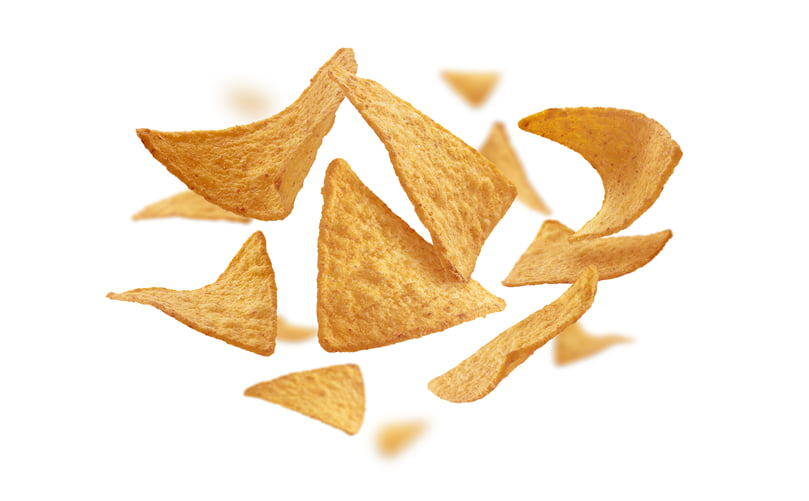
Crispy Texture of Fried Tortilla Chips
Exploring the Different Types of Tortilla Chips
By Corn Color (Yellow, White, Blue): Tortilla chips vary by corn color, each imparting distinct visual appeal and subtle flavor differences. Yellow corn chips, produced from slightly sweeter corn varieties, offer a golden hue and mild, buttery corn flavor, making them common in mainstream commercial brands. White corn chips provide a neutral flavor and pale appearance, serving as an ideal base for bold seasonings and dominating traditional Mexican-style products due to their clean taste profile. Blue corn chips, derived from heirloom varieties, feature a vibrant purple-blue color, a nuttier and earthier flavor, and enhanced nutritional value, including up to three times higher anthocyanin content. These attributes position blue corn chips in premium and health-focused segments, despite higher production costs. Organic variants, such as organic yellow or blue corn chips, further emphasize non-GMO sourcing and clean-label appeal.
By Shape (Triangles, Rounds, Scoops, Strips): Chip shape influences both functionality and consumer experience. Triangular chips, the classic format are highly versatile for dipping, layering and stacking, typically cut from full tortillas. Round chips offer uniform, bite-sized portions suited for snacking or plate garnishes. Scoops, designed with a curved structure are engineered to hold thicker dips like guacamole or queso without breaking, making them popular for party and sharing occasions. Strips and rolled varieties provide elongated forms used in salads or innovative snack formats, with rolled chips delivering a denser texture and more pronounced crunch.
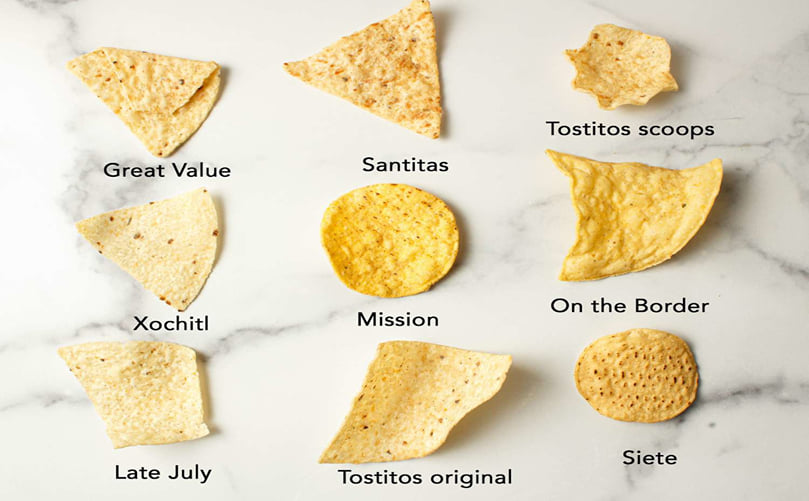
Popular Tortilla Chip Shapes for Every Occasion
By Processing Method (Fried, Baked, Air-Popped): Fried tortilla chips remain the traditional and dominant format, accounting for approximately 80–90% of the market, offering superior crispiness through oil immersion but with higher caloric content (140–150 kcal per serving). Baked tortilla chips reduce fat content by 30–50% through oven-based dehydration, resulting in a lighter, firmer texture and improved health positioning. Air-popped or extruded variants minimize oil usage even further, producing a puffed, low-calorie product with a texture similar to popcorn while retaining a corn-based flavor profile.
Flavor Profiles and Seasoning Innovations in Tortilla Chips
Classic Salted: Classic salted tortilla chips are seasoned with a light dusting of sea salt or kosher salt, typically providing approximately 200–300 mg of sodium per serving. This simple formulation enhances the natural sweetness of corn while highlighting the subtle alkaline notes developed during nixtamalization. Due to their clean and balanced flavor profile, classic salted chips serve as a versatile base for a wide range of dips and accompaniments.
Cheese, Chili, Lime and Jalapeño: Cheese-flavored tortilla chips, such as nacho or cheddar variants, deliver creamy and tangy profiles through the use of powdered cheese, dairy solids and complementary spices. Chili-seasoned chips introduce smoky heat and depth, while lime-flavored variants add zesty citrus brightness that enhances overall flavor perception. Jalapeño seasoning provides a fresh, green heat with moderate pungency, forming a cornerstone of Tex-Mex–inspired tortilla chip offerings.
Global Flavor Variations (BBQ, Sour Cream, Peri-Peri, Masala)
As tortilla chips expand into global markets, a wide range of internationally inspired flavors has emerged. Barbecue (BBQ) seasonings combine sweet, smoky and savory notes, while sour cream and onion blends offer a creamy, tangy profile balanced with mild onion sharpness. Peri-peri flavors introduce African-inspired heat with citrus undertones and masala-flavored chips incorporate Indian spice blends such as cumin, coriander, turmeric and chili, broadening tortilla chips beyond traditional flavor boundaries.
Regional Flavor Innovation Trends
Flavor preferences and innovation trends vary significantly by region. In North America, consumers favor bold and familiar profiles such as chipotle ranch, sea salt and vinegar and cheese-based seasonings, with cheese and chili remaining dominant in corn-based chips. European markets tend to prefer milder, herb-forward flavors with balanced seasoning intensity. In Asian markets, tortilla chips increasingly incorporate local spice inspirations such as sriracha, gochujang and chili-garlic blends.
Across regions, innovation is driven by exotic flavor fusions, halal and clean-label–compliant seasonings and limited-edition or seasonal offerings. These strategies have contributed to an estimated 5–8% annual growth in flavored tortilla chip segments, supported by consumer demand for novelty and global taste experiences.
Texture and Sensory Attributes of Tortilla Chips
Crunchiness and Bite: Crunchiness is a defining sensory attribute of tortilla chips, primarily resulting from the rapid dehydration and starch gelatinization during frying or baking, which creates a brittle structure that fractures audibly under pressure. Instrumental texture analysis often measures this via peak force (fracture force) in compression tests, with ideal values ranging from 5-15 Newtons (N) for a satisfying snap higher forces indicate denser, harder chips, while lower ones suggest fragility. As moisture content decreases from 30-40% post-baking to below 2% after frying, chips become progressively crunchier, with acoustic emissions (sound intensity around 60-80 dB) enhancing the perceived freshness and enjoyment.
Subjective sensory panels rate crunchiness on hedonic scales (e.g., 1-9), where optimal scores (7-8) correlate with even blistering and minimal oil greasiness, influenced by masa particle size coarser grinds promote larger air pockets for amplified crunch. Consumer preferences lean toward thinner chips for superior crunch, with 54% favoring them over thicker variants due to quicker bite-through and reduced jaw fatigue.
Thickness and Density: Thickness directly impacts density and overall mouthfeel, with standard tortilla chips measuring 1-2 mm thick to balance structural integrity and lightness thicker chips (2-3 mm) offer higher density (0.4-0.6 g/cm³) for robustness in dipping, while thinner ones (0.8-1.5 mm) provide a delicate, airy bite preferred by over half of consumers. Density affects breakage resistance, with lower-density chips (achieved through controlled blistering) exhibiting more voids for enhanced crispiness but increased fragility during packaging. In fortified variants, thickness may increase slightly (e.g., from 1.2 mm in controls to 1.4 mm), altering density and requiring adjustments in processing to maintain uniformity. Sensory evaluations highlight that optimal thickness ensures even heat transfer during frying, preventing undercooked dense centers or overly brittle edges.
Oil Absorption and Mouthfeel: Oil absorption, typically 20-35% by weight in fried tortilla chips, significantly influences mouthfeel by imparting a lubricated, rich sensation while contributing to perceived greasiness if excessive. Repeated frying cycles can alter absorption rates, with initial batches absorbing more due to fresh oil's lower viscosity, leading to a smoother mouthfeel but potential off-flavors from oxidation. Mouthfeel encompasses the interplay of crispiness, oil residue and dissolution rate ideal chips dissolve quickly without lingering grease, scored highly in sensory tests (e.g., 7-8 on 9-point scales). Reduced-oil techniques, like vacuum frying, lower absorption by 30-40%, resulting in a drier, cleaner mouthfeel akin to baked chips.
Color and Surface Appearance: Color is a critical visual cue, with golden-brown hues from Maillard reactions during baking and frying indicating quality measured via Hunter Lab colorimetry (L* 60-70 for lightness, a* 5-10 for redness, b* 20-30 for yellowness). Surface appearance includes uniform blistering and minimal defects, enhancing appeal; uneven color (e.g., in blue corn variants) may require formulation tweaks for consumer acceptance. Sensory panels evaluate color on hedonic scales, where vibrant, consistent tones score higher (8+), correlating with freshness perception. Repeated frying darkens chips progressively, impacting acceptability if exceeding optimal parameters
Nutritional Value and Health Aspects
Macronutrient Profile (Carbohydrates, Fats, Protein): A standard 28 g serving (approximately 10–12 chips) of tortilla chips provides roughly 130–150 kcal. Carbohydrates dominate at 19–20 g per serving, primarily from corn starch, contributing 52–62% of total calories. Fats amount to 6–7 g (about 42% of calories), predominantly unsaturated fats from frying oils, with saturated fat content around 1 g and negligible trans fats in most formulations. Polyunsaturated fats contribute approximately 4 g and monounsaturated fats 1.5 g. Protein content is modest at 2 g per serving, accounting for roughly 6% of calories. On a 100 g basis, tortilla chips provide approximately 472 kcal, 62 g net carbohydrates, 23 g fat and 7 g protein. The high glycemic index (84) is primarily due to the refined corn starch in standard chips.
Fiber Content (Especially Whole-Grain and Blue Corn): Dietary fiber in standard chips is modest, at 1–2 g per 28 g serving (5–7% DV). Whole-grain or blue corn variants increase fiber to 2–3 g per serving, providing 20–30% more fiber than refined white corn chips. Blue corn also contains anthocyanins, which offer antioxidant benefits and may help moderate glycemic response. Whole-grain options often qualify as a “good source” of fiber (≥10% DV) under dietary guidelines.
Gluten-Free Positioning: Tortilla chips are naturally gluten-free, as they are made from corn with no wheat ingredients. Certified products ensure gluten levels below 20 ppm, making them suitable for individuals with celiac disease or gluten sensitivities. However, flavored or seasoned varieties should be checked for potential gluten-containing additives.
Reduced-Fat and Baked Alternatives: Baked or low-fat tortilla chips reduce fat content to 3–4 g per 28 g serving, lowering calories to approximately 100–120 kcal. These products often use air-popping or minimal oil spraying, achieving 30–50% fat reduction compared to traditional fried chips. Fat-free variants, sometimes made using fat substitutes like olestra, reduce fat to 0 g while retaining 320 kcal per 100 g from carbohydrates. Such formulations cater to calorie-conscious consumers without compromising crunch.
Sodium Considerations: Standard tortilla chips contain 110–150 mg sodium per 28 g serving (5–7% DV). Reduced-sodium versions provide 20–50 mg per serving for heart-healthy consumers and unsalted options (0–20 mg) rely on herbs or spices to maintain flavor. Monitoring sodium intake is particularly important for populations at risk of hypertension.
Packaging Strategies and Shelf Life of Tortilla Chips
Packaging Formats (Bags, Jars, Multi-Packs): Tortilla chips are commonly packaged in flexible bags (stand-up pouches or pillow packs) for portability, cost-efficiency and lightweight handling. Jars are used for premium visibility and resealability, often targeting artisanal or small-batch chips. Multi-packs cater to value-driven or family consumption, providing portion control and convenience. Flexible bags dominate the market due to their economic and logistical advantages, while jars help maintain freshness for premium offerings.
Barrier Properties for Freshness: To preserve quality, multi-layer films with high barrier properties are employed, protecting against oxygen (OTR <1 cc/m²/day), moisture (WVTR <1 g/m²/day) and light exposure. These films often incorporate materials such as EVOH or metallized layers. Nitrogen flushing is commonly used to create a modified atmosphere within the packaging, reducing oxidation and maintaining crispness.
Shelf Life Factors (Oil Stability, Moisture): Tortilla chips generally have a shelf life of 6–12 months under ambient storage conditions. Key factors influencing shelf life include:
- Oil stability: maintaining peroxide values below 10 meq/kg to prevent rancidity
- Moisture control: keeping water content below 2% and water activity (Aw) under 0.6 to prevent sogginess and microbial growth
- pH: typically 5–6, aiding in preservation
- Preservatives: compounds such as propionates may be used to extend shelf life
High-fat content can accelerate quality degradation if packaging barriers fail, emphasizing the importance of effective material selection and processing.
Sustainable and Recyclable Packaging Trends: Current trends favor bio-based materials, such as PLA or cellulose, which are compostable and reduce reliance on conventional plastics. Challenges include moisture sensitivity and maintaining barrier performance. Recyclable mono-materials, along with smart packaging featuring freshness indicators are gaining popularity, aligning with consumer demand for environmentally friendly and sustainable packaging solutions.
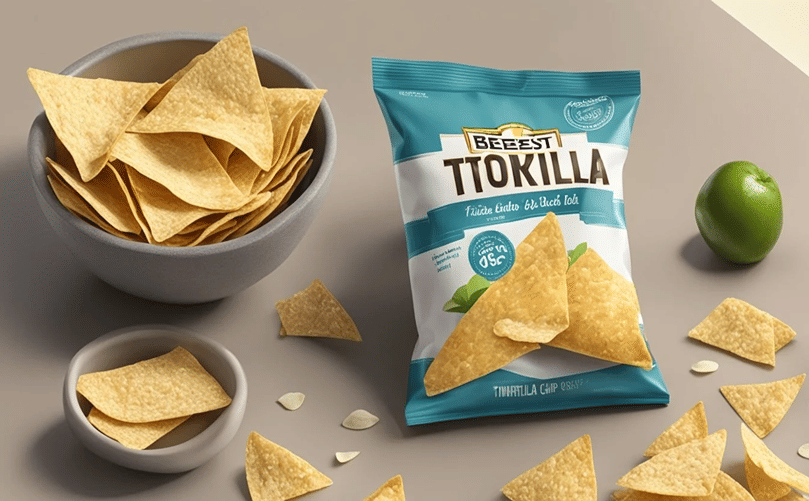
Protective Packaging for Tortilla Chip Freshness
Consumption Occasions and Usage of Tortilla Chips
Snacking: Tortilla chips are a popular choice for everyday snacking due to their convenience, portability and satisfying crunch. Approximately 95% of U.S. consumers report having eaten potato or tortilla chips in the past three months, often incorporating them into multiple daily snack occasions. They are frequently consumed alone for quick energy boosts or as a mindless snack during work, travel or leisure activities such as watching TV.
While tortilla chips represent a slightly smaller share of salty snack occasions compared to options like popcorn, younger demographics, including Gen Z and Millennials are more likely to snack on them throughout the day. Globally, their appeal as an on the go, gluten-free snack, combined with portion-controlled packaging, has contributed to market growth.
Party and Sharing Food: Tortilla chips are ideal for social snacking, often featured at gatherings, game days and parties where they facilitate sharing and communal eating. Their versatility allows them to be served plain or enhanced with toppings, boosting social consumption by up to 40% during events. In group settings, chips are commonly presented in large bowls, encouraging interaction as guests dip or create custom bites.
Market data indicates that roughly 50% of U.S. consumers regularly eat tortilla chips, making them a top choice for shared snacking alongside potato chips. Flavored varieties further enhance their appeal, adding excitement to casual get-togethers, barbecues or sports viewing.
Pairing with Dips (Salsa, Guacamole, Cheese): One of the primary uses of tortilla chips is as a vehicle for dips, with their sturdy structure and neutral corn flavor complementing bold or creamy accompaniments. Classic pairings include salsa (fresh or jarred), guacamole for creamy avocado richness and queso or cheese dips for indulgent, melted cheese experiences. Scoop-shaped chips are particularly effective for holding thicker dips without breaking, whereas triangular chips work well with runnier salsas.
Innovations in dip-compatible flavors, such as lime or chili, further enhance pairing synergy. Consumer trends indicate that these combinations are popular in everyday meals, with cheese and nacho cheese among the leading dip flavors.
Use in Nachos and Foodservice Applications: Tortilla chips form the foundation of nachos, a dish where they are layered with cheese, proteins, vegetables and sauces, appearing on approximately 60% of restaurant menus featuring Mexican-inspired cuisine. In foodservice, chips are utilized in quick-service restaurants, bars and stadiums for loaded nachos or as garnishes.
Beyond nachos, chips are incorporated into salads for added crunch, soups such as tortilla soup and chili dishes as a textural element. Strips or crushed chips serve as toppings for tacos, casseroles or bowls, expanding their role from snack to meal component. This trend aligns with the growing popularity of Mexican cuisine and the increasing use of tortilla chips as a versatile ingredient in both casual and professional foodservice settings.
Global Market Dynamics and Consumer Behavior Trends
Growth of Ethnic Snacks
The expansion of ethnic snacks particularly tortilla chips has been driven by the global mainstream adoption of Mexican and Latin American cuisines, supported by cultural globalization, migration patterns and consumer appetite for bold, authentic flavors. As a flagship ethnic snack, tortilla chips have achieved strong global penetration, with the market valued at approximately USD 27.3 billion in 2023, reflecting steady year on year growth.
Between 2020 and 2024, the category expanded by nearly USD 3.16 billion, registering a compound annual growth rate (CAGR) of about 5%, fueled by rising demand for multicultural foods across North America, Europe and Asia-Pacific. Tex-Mex and fusion cuisine popularity has reinforced tortilla chips’ versatility in dishes such as nachos, salads and snack platters, particularly among younger consumers seeking novelty and global food experiences.
The United States, holding the largest market share, has witnessed tortilla chips outperforming traditional potato chips in select segments driven by the influence of Hispanic populations and broader cultural acceptance. Overall, ethnic snacks recorded double-digit retail sales growth during the early 2020s, cementing tortilla chips as a mainstream snack choice.
Demand for Healthier and Premium Snacks
Consumer demand for healthier and premium tortilla chips has intensified, aligning with global wellness and transparency trends. Shoppers increasingly favor better-for-you (BFY) attributes such as reduced sodium, lower fat content, whole-grain formulations and organic certification. In 2023, baked and whole-grain tortilla chips outpaced conventional fried variants, with nearly 50% of U.S. consumers reporting that health considerations influence snack purchasing decisions.
Premiumization has gained momentum through artisanal brands emphasizing non-GMO corn, clean-label seasonings and traceable sourcing. Organic tortilla chips recorded a CAGR exceeding 4% between 2019 and 2023, reflecting consumers’ willingness to pay a premium for perceived quality and ingredient integrity. This trend is especially pronounced among Millennials and Gen Z, who prioritize gluten-free, low-calorie and nutrient-enriched options. As a result, fortified tortilla chips containing added protein, fiber or functional ingredients now represent a growing share of new product launches, with healthier variants accounting for up to 30% of introductions in the early 2020s.
Plant-Based and Natural Ingredient Appeal
Tortilla chips naturally align with plant-based and vegan diets, being corn-derived and free from animal ingredients, which has strengthened their appeal amid the rise of plant-forward and clean-label consumption. The broader plant-based snack category including tortilla chips experienced strong momentum, with dollar sales increasing by nearly 20% from 2022 to 2023.
Consumers increasingly favor products made with natural, minimally processed ingredients, with surveys from the early 2020s indicating that over 60% of global snack buyers prioritize clean labels. This preference has fueled growth in organic and non-GMO tortilla chips, contributing to a segment that expanded at a 7.5% CAGR between 2019 and 2023. Blue corn, multigrain and seed-enriched varieties further enhance natural positioning by offering antioxidant benefits and nutritional differentiation, making tortilla chips an accessible entry point for flexitarian and plant-based lifestyles.
Convenience and On-the-Go Snacking
Convenience remains a core driver of tortilla chip consumption, supported by the proliferation of single-serve packs, resealable pouches and portable formats. In the U.S., where snacking represents over 50% of eating occasions, tortilla chips have benefited significantly, with on-the-go packaging formats growing 15–20% in sales during the early 2020s.
Globally, tortilla chips have expanded their presence in convenience stores, vending machines and travel retail, driven by demand for quick, mess-free snacking solutions. Younger consumers increasingly consume tortilla chips as meal accompaniments or snack-dip combinations, reflecting flexible eating habits accelerated post-pandemic. Packaging innovations, flavor diversification and portion-controlled options have further enhanced appeal, contributing to sustained growth in emerging markets across Asia and Europe.
Quality Parameters & Industry Standards for Tortilla Chips
Uniformity in Size and Thickness: Uniformity is essential for consistent frying or baking performance. Ideal tortilla chip thickness typically ranges from 1–2 mm, with size variation controlled to within ±5% using automated cutting and sheeting systems. Such standardization supports accurate labeling, cost control and adherence to standard operating procedures (SOPs). Physical quality parameters including weight, diameter, and thickness are routinely measured and fortified or value-added chips often show slight increases in these attributes due to additional ingredients.
Oil Quality and Oxidation Control: High-oleic vegetable oils are commonly used to enhance oxidative stability and extend shelf life. Antioxidant systems are applied to maintain peroxide values below 10 meq/kg, minimizing rancidity. Moisture content is tightly controlled, typically maintained at 1–2.5%, to prevent sogginess and slow oxidative reactions. Chemical analysis monitors fat content, which increases significantly after frying (e.g., from ~2.7% in raw chips to substantially higher levels in finished products), along with indicators of oil degradation.
Breakage Control and Structural Integrity: Breakage levels are generally kept below 10% through optimized masa rheology, controlled sheeting, and the use of texturizers or binders, which can reduce breakage by up to 30%. Texture attributes such as hardness and fracturability are critical quality indicators. Fortified formulations may show slightly reduced hardness (e.g., decreasing from 6.3 kg in controls to 5.3 kg with added ingredients). Instrumental texture analysis using texture analyzers measures fracture force, which typically increases with baking or frying time until an optimal peak is reached.
Flavor Consistency and Sensory Quality: Flavor uniformity is achieved through controlled seasoning application, usually 2–3% by weight, using drum tumblers for even coating. Sensory evaluation panels assess attributes such as appearance, color, aroma, taste and crispiness on a 9-point hedonic scale, where control samples often achieve high overall acceptability scores (e.g., 8.1). Color quality is quantified using colorimetric parameters lightness (L*), chroma and hue with specialty products such as blue corn chips exhibiting lower L* values (typically 50–60). Regulatory and certification bodies, including USDA, evaluate products for defects, consistency and overall quality compliance.
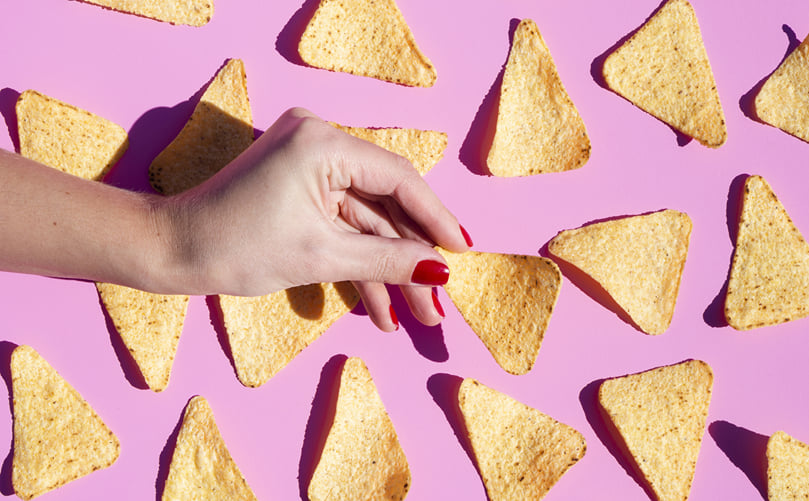
Finished Tortilla Chips Complying with Quality Parameters
Challenges, Technological Advances & Product Innovations in Tortilla Chips
Oil Reduction Technologies: Reducing oil uptake remains a major technological challenge due to growing health concerns associated with traditionally fried tortilla chips, which typically absorb 20–30% oil by weight. Key innovations include vacuum frying, which lowers oil absorption by up to 40% by reducing frying temperature and pressure. The use of hydrocolloids (e.g., methylcellulose, gums) creates surface barriers that limit oil penetration during frying.
Baked tortilla chips eliminate immersion frying altogether, while controlled blister formation achieved through coarser masa particle size reduces oil uptake while enhancing perceived crispness. Functional ingredient systems such as ungelatinized starches and mono-/diglycerides further restrict oil migration and improve frying efficiency.
Clean-Label Seasoning Challenges: Developing clean-label tortilla chips without synthetic additives presents formulation challenges, as natural spices are prone to clumping, oxidation and flavor loss. Recent innovations include natural encapsulation technologies, which can retain up to 90% of volatile flavor compounds during processing and storage. Manufacturers increasingly rely on simple ingredient lists, featuring organic corn, natural salts and the elimination of artificial colors, flavors and preservatives. The clean-label movement also supports alternative bases such as cassava, lentil, or grain-free formulations, aligning with consumer demand for gluten-free, non-GMO and minimally processed snacks.
Flavor Retention During Shelf Life: Flavor stability over shelf life is challenged by lipid oxidation and moisture ingress, which can reduce sensory quality within 12–16 weeks in the absence of stabilizers. Innovations such as active packaging systems infused with natural antioxidants or essential oils help preserve up to 80% of aroma compounds for up to 12 months.
Processing aids like xylanase enzymes improve masa rheology by hydrolyzing arabinoxylans, indirectly enhancing texture stability. Additionally, acidulants (e.g., malic acid) and approved antimicrobials (e.g., calcium propionate) help control microbial growth, slow staling and extend shelf life while maintaining clean-label positioning.
Innovation in Shapes, Flavors and Textures: The tortilla chip industry continues to face raw material price volatility, supply chain disruptions and rising health expectations. In response, manufacturers are introducing novel formats such as rolled chips, scoops and layered structures, alongside fusion and globally inspired flavor combinations. Texture innovation is driven by premium ingredient selection, including high-oleic sunflower or avocado oils.
Sustainability-driven innovations include compostable or recyclable packaging, non-GMO sourcing and steam-based nixtamalization processes that reduce water and energy use. Advances in extrusion technology, along with targeted enzyme and hydrocolloid applications, address challenges such as masa stickiness and starch retrogradation. Premiumization through organic, protein-enriched or functional variants continues to drive category growth despite economic and regulatory pressures.