

World Potato Congress: A Global Platform Driving the Future of the Potato Industry
The World Potato Congress is widely recognized as the leading international forum dedicated exclusively to the potato sector. Established in 1993, it operates as a neutral, non-profit platform that connects stakeholders across continents and disciplines. Unlike typical trade fairs, the congress focuses on strategic dialogue, knowledge exchange and long-term industry development rather than purely commercial activity.
Each edition is hosted in a different potato producing region, ensuring that the congress reflects diverse production systems from highly mechanized operations in developed economies to smallholder-based systems in developing regions. This rotating model strengthens its global relevance and allows participants to gain first-hand exposure to regional production practices, challenges and innovations.
Over time, the congress has evolved into a central meeting point for shaping global potato strategies, influencing research priorities, industry investments and collaborative initiatives across the value chain.
World Potato Congress: A Global Platform Driving the Future of the Potato Industry
Purpose & Importance: Driving Global Potato Development
The World Potato Congress aims to advance the sustainable growth and competitiveness of the global potato industry. Potatoes are among the world’s most important food crops contributing significantly to food security, nutrition and income generation, particularly in emerging economies.
The congress plays a critical role in addressing major global challenges including rising food demand driven by population growth, climate variability affecting crop productivity, resource constraints such as water scarcity and soil degradation and the urgent need for sustainable intensification.
By bringing together science, policy and industry, the congress helps align stakeholders toward improving yields, enhancing quality and reducing environmental impact. It also contributes to global development agendas by promoting potatoes as a climate resilient and resource efficient crop capable of supporting food systems transformation.
In addition, the congress fosters policy dialogue and international cooperation helping governments and institutions design more effective frameworks for research, trade and farmer support.
Global Participation: A Truly International Gathering
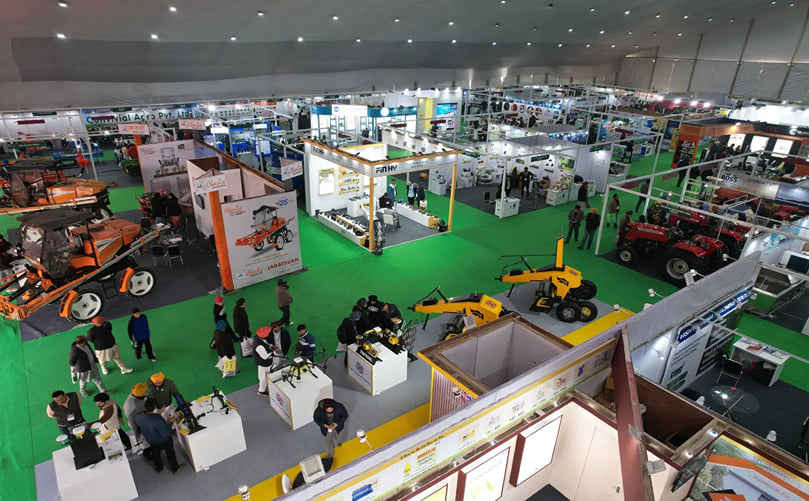
One of the defining strengths of the World Potato Congress is its broad and diverse international participation. Delegates typically include farmers, researchers, seed producers, agribusiness companies, processors, exporters, policymakers and development organizations.
Participants represent both established potato producing nations and rapidly growing markets creating a unique environment where global expertise meets local experience. This diversity ensures that discussions are not limited to a single production model but instead span a wide spectrum from high-tech precision farming systems to low-input, smallholder agriculture.
The congress also facilitates cross-border collaboration, enabling stakeholders to share best practices, build partnerships and explore trade opportunities. For example, interactions between seed producers and emerging markets often contribute to improvements in seed systems, while collaboration among researchers accelerates innovation in breeding and disease management.
This strong international participation positions the congress as a key platform for aligning global efforts to strengthen and advance the potato sector worldwide.
Global Participation at the World Potato Congress: Connecting the Global Potato Community
Knowledge Sharing: Where Science Meets Industry
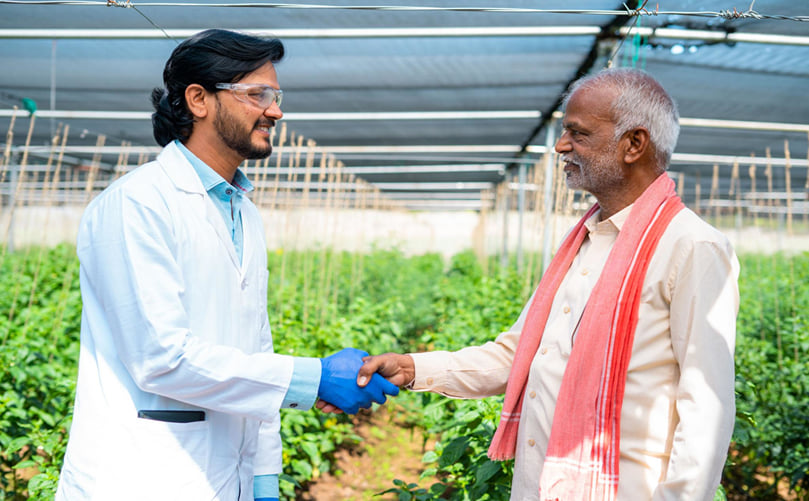
A core pillar of the World Potato Congress is its strong emphasis on scientific and technical knowledge exchange making it highly relevant for both researchers and industry professionals. The event features expert led sessions, panel discussions and case studies that cover the full spectrum of potato production and utilization.
Key topics typically include advances in potato breeding, genetics and variety development; integrated pest and disease management, including challenges such as Late blight and viral diseases; agronomic practices to improve yield, quality and resource efficiency; post-harvest handling, storage technologies and cold chain management; as well as processing innovations and quality requirements for value-added products.
What distinguishes the congress is its ability to bridge the gap between research and real-world application. Scientific findings are presented alongside practical insights from farmers and industry stakeholders, ensuring that innovations are both technically sound and economically viable.
This continuous exchange of knowledge accelerates the adoption of improved practices and technologies, ultimately contributing to higher productivity, reduced losses and better market outcomes across the potato value chain.
Scientific Exchange Driving Innovation in the Potato Value Chain
Driving Global Growth: Trade, Policy & Collaboration in the Potato Industry
The World Potato Congress plays a significant role in shaping the economic and strategic direction of the global potato sector. It serves as a neutral platform where industry leaders, policymakers and researchers come together to exchange perspectives that influence both market dynamics and policy frameworks.
From a trade standpoint, the congress facilitates discussions on international market access, phytosanitary regulations and quality standards, all of which are critical for expanding cross border potato trade. These interactions often lead to new business linkages between seed exporters, processors and importing countries, thereby strengthening global supply chains.
On the policy front, the congress contributes to evidence-based decision making by highlighting key challenges such as disease outbreaks, climate risks and supply chain inefficiencies. Governments and international organizations use these insights to develop more effective policies related to seed system development, farmer support and infrastructure investment.
Equally important is its role in fostering collaboration. The congress enables partnerships among public institutions, private companies and research organizations, accelerating innovation and technology transfer. These collaborations often extend well beyond the event, resulting in long-term initiatives aimed at improving productivity, sustainability and market integration across the potato value chain.
Innovation & Trends: Shaping the Future of Potato Farming
Innovation is a central theme of the World Potato Congress, reflecting the rapid transformation of agriculture in response to global challenges. The congress highlights advancements that are redefining how potatoes are grown, stored and processed.
One major trend is the adoption of precision agriculture technologies, including data driven decision making tools, remote sensing and automated machinery. These technologies help optimize inputs such as water, fertilizers and pesticides, improving efficiency while reducing environmental impact.
In the area of breeding, there is increasing focus on developing high yielding, disease resistant and climate resilient varieties. Advances in genetics and biotechnology are enabling faster development of varieties suited to diverse agro-climatic conditions.
Sustainability is another key focus with innovations aimed at reducing carbon footprint, improving soil health and enhancing water use efficiency. Additionally, improvements in storage and cold chain technologies are helping reduce post-harvest losses, which remain a major challenge in many regions.
The congress also reflects evolving consumer trends including demand for processed potato products, quality consistency and traceability, driving innovation in processing and supply chain management.
Value Chain Coverage: From Seed to Market
A defining strength of the World Potato Congress is its comprehensive approach to the entire potato value chain, ensuring that all stages of production and distribution are addressed in an integrated manner.
The value chain begins with seed systems, where discussions focus on the availability of high-quality, disease-free planting material. Strong seed systems are essential for improving productivity and maintaining crop health.
At the production level, the congress covers agronomic practices, input management, mechanization and crop protection strategies that enhance yield and quality. This includes both large scale commercial farming and smallholder systems, reflecting global diversity.
Post-harvest management is another critical area with a strong emphasis on storage infrastructure, temperature and humidity control and supply chain logistics. Efficient storage systems are vital for minimizing losses and ensuring year-round availability.
In the processing segment, the congress addresses technologies and standards for producing value-added products such as chips, fries and starch, which are increasingly important in global markets.
Finally, the market and distribution stage focuses on trade, pricing, consumer demand and retail trends, completing the value chain from farm to fork.
By covering all these interconnected stages, the congress provides a holistic understanding of the potato industry, enabling stakeholders to identify bottlenecks, improve efficiency and build more resilient and sustainable supply systems.