


TNA Solutions es un líder global en soluciones integradas de procesamiento y envasado de alimentos, que ofrece soluciones completas de línea que ayudan a los fabricantes a mejorar el rendimiento, reducir el costo total de propiedad y llevar productos de alta calidad al mercado de manera rápida y constante. Con más de 40 años de experiencia y más de 16.000 sistemas instalados en 137 países, TNA apoya a sus clientes en cada etapa de su crecimiento con un único punto de contacto y experiencia técnica de clase mundial.
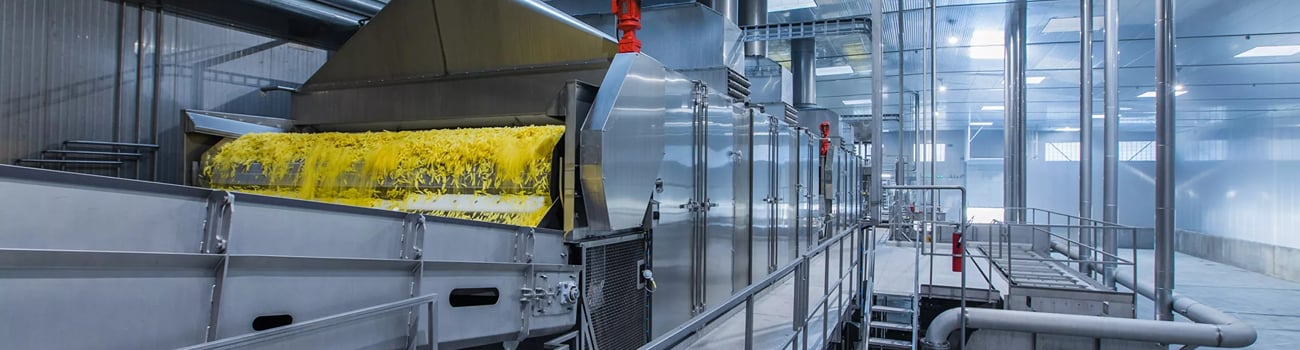
El portafolio de la empresa cubre todos los aspectos del proceso de procesamiento y envasado de alimentos y snacks, desde la recepción, despalillado, lavado, pelado, inspección, corte, escaldado, deshidratación, fritura continua al vacío y por lotes, desaceitado, clasificación, distribución, sazonado y envasado. Combinados con automatización avanzada, informes SCADA y capacidades de integración de líneas, los sistemas de TNA están diseñados para maximizar el tiempo de actividad, la calidad del producto y la eficiencia operativa.
El rendimiento, la responsabilidad y la orientación al cliente son fundamentales en la forma en que opera TNA. La empresa diseña soluciones de alta producción y fiabilidad, al tiempo que ayuda a los fabricantes a reducir el consumo de energía, disminuir los residuos y gestionar los recursos de manera más eficiente mediante innovaciones como la recuperación de calor y aceite, sistemas de reutilización de agua y tecnologías de envasado que ahorran film.
Con 30 oficinas globales y una sólida red de posventa, TNA ofrece soporte ágil, formación para operadores y herramientas digitales para la colaboración remota y la puesta en marcha de líneas. Como empresa familiar con un fuerte propósito social, la compañía también invierte en personas y comunidades a través de la Fundación Nadia y Alf Taylor, apoyando programas educativos, de salud y sociales para niños en todo el mundo.
TNA Solutions: alimentando ambiciones.
Descripción de la compañía
Productos Ofrecidos
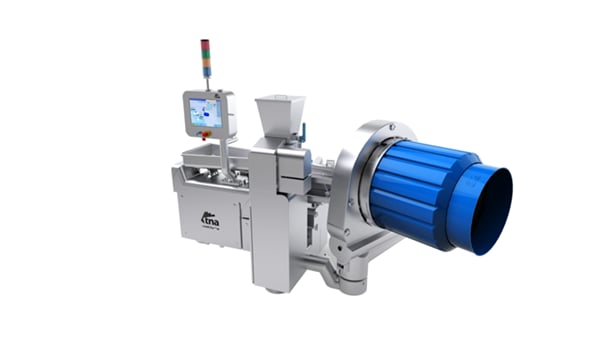


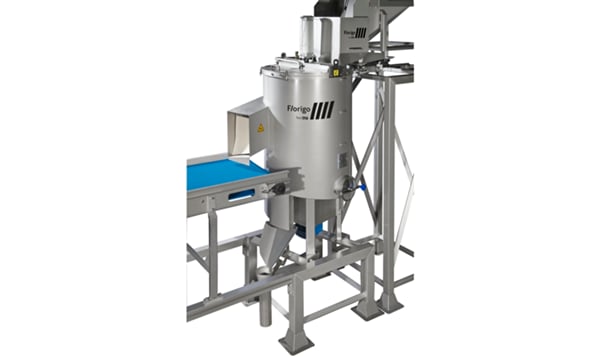
Tipos de productos que ofrece esta empresa
Noticias de esta Compañia


Frequently Asked Questions
In emerging markets, TNA emphasizes scalability, cost efficiency, and robustness under variable conditions (power, labor skill levels). In developed markets, the focus shifts toward automation, data analytics and premium product consistency. This dual strategy allows global relevance without a one-size-fits-all approach.
Yes, particularly through energy-efficient frying, reduced oil usage, minimized waste and optimized throughput. Integrated systems inherently reduce inefficiencies between stages, contributing to lower resource consumption per unit of output a key sustainability metric.
Family ownership often allows long-term strategic thinking rather than short-term profit pressure. TNA leverages this by investing in R&D, maintaining customer relationships and supporting innovation cycles that may not yield immediate returns but strengthen long-term market position.
Through precise process control systems, sensor-based adjustments and standardized equipment performance. However, true uniformity also depends on raw material quality so TNA’s systems are designed to adapt parameters dynamically rather than assume consistent inputs.
“Medications like Ozempic and Mounjaro are changing not just how much people eat, but how they think about food. These drugs work by slowing digestion and reducing what’s sometimes called “food noise” — that constant background urge to snack. As a result, people are eating less often, but when they do reach for a snack, it has to count.
“That’s creating a new kind of demand. There’s demand for smaller portions, yes, but with higher sensory quality and clearer nutritional value. Consumers are looking for products that justify the decision to snack, such as high-protein, clean-label, and flavour-rich options that feel satisfying without excess.
“For manufacturers, that translates into two challenges. First, it creates a need for more sophisticated product design that prioritises the right texture, seasoning, and portion delivery. Second, there’s the matter of achieving the operational ability to make these smaller, premium packs profitably. Integrated systems help on both fronts: they support precise seasoning control and portion accuracy, while keeping waste and labour low even as pack sizes shrink.
“So while the consumer side is changing, the opportunity for manufacturers is to lean into flexibility and precision. These new medications are redefining what healthy snacking means. It now doesn’t mean less frequent snacking, it means more mindful snacking.”
“Integration doesn’t lock you in; it future-proofs your investment. If we look to our systems as an example, they are modular by design, meaning you can start with one product type or pack format and expand later without rebuilding the line.
“For example, a customer may begin with dry seasoning and later add wet or dual-mode capability in the same drum. The same control system and interface handle both — no new software or operators required.
“On the packaging side, the same robag platform can move from 11g single-serve packs to larger formats just by swapping formers and updating parameters. The line remains connected, efficient, and scalable. That’s what we mean by being future-ready: your system grows with your product portfolio, not against it.”
“A good starting point is to ask how many manual interventions it takes to run a new product. If your operators are constantly adjusting parameters, moving conveyors, or manually coordinating between systems, that’s a sign your line isn’t integrated enough.
“True adaptability is about communication between machines. In an integrated system, when you select a recipe on the bagger, the seasoning and distribution systems automatically recalibrate to adjust feed rate, vibration amplitude, and drum rotation in real time. That ensures precision seasoning and perfect scale feed at any speed.
“If your current set-up can’t achieve that level of synchronisation or you still see giveaway, downtime, or waste when changing SKUs, that’s when an integrated approach delivers a measurable return on investment.”
The first thing producers can do is look at where they’re losing time — not just in production, but in changeovers, cleaning, and material handling. You don’t necessarily need more machines or floor space to handle more SKUs. Often, you need smarter systems that use what you already have more effectively.
Modern integrated lines can handle multiple flavours, formats, and pack sizes without physically expanding the footprint. With technologies like our Switcheroo and Lifteroo functions, for example, you can dynamically redirect product flow on the same line. This allows two flavour streams to run in parallel, or a new SKU can start while another is still finishing.
Combined with automated cleaning functions and harmonised controls, it means any bag and any product can be efficiently managed at any time, so you can respond to seasonal launches or retailer demands instantly without adding new lines or operators.
Make This Page Even Better!
This content was last updated on Mayo 27, 2026
Have a helpful detail to contribute? Catch something that should be corrected?