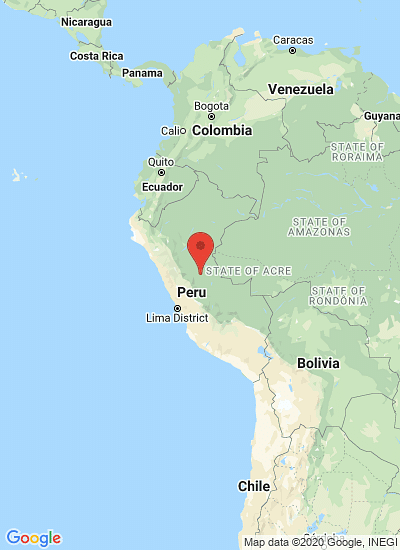

For the first half of his life, potato farmer Gregorio Huanuco used the same formula that had dictated the survival of his ancestors for generations.
Huanuco, 48, waited for rains to fall on his small parcel of land to sustain his crops of potatoes as well as various tubers and quinoa. When ripened, his family ate what they needed and sold the surplus in the nearby central city of Huaraz.
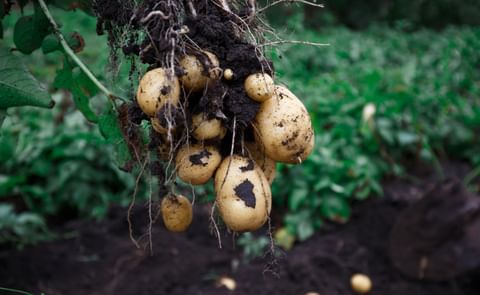
But by 1990, Huanuco began noting strange climatic patterns in this village of 500 residents at 11,000 feet in the Andean Cordillera Blanca. They included battering hailstorms, months without rain and warmer winters. By 2005, the quirky weather became more consistent and included a fungus that blanketed his potato crops. Huanuco now worries about earning enough to put food on the table and buy school books for his three children.
"Before, we planted all year long, any month we wanted to,"Huanuco said while eyeing a tiny potato plot. "Now we only get water a few times a year and cannot plant as much, and the pests and diseases keep coming."
Most climatologists blame global warming for Huanuco's woes.
Global warming troubles Peruvian Potato Farmers
¿Te gustaría recibir noticias como esta por correo electrónico? ¡Únete y suscríbete!
Get the latest potato industry news straight to your WhatsApp. Join the PotatoPro WhatsApp Community!
Noticias relacionadas
Septiembre 28, 2026
México: menor oferta de papa podría impulsar los precios durante el invierno
En México, el cierre de cosechas, los menores rendimientos y la reducción de la superficie sembrada podrían restringir la oferta de papa y generar presión al alza sobre los precios entre diciembre de 2026 y febrero de 2027.

Septiembre 28, 2026
España: la sequía reduce la cosecha de patatas en 2026
La producción española de patata caerá entre un 8% y un 10% en 2026, hasta unos 1,8 millones de toneladas, con descensos de hasta 35% en Andalucía debido principalmente a la sequía y los menores rendimientos.

Septiembre 23, 2026
Chile: buscan mejorar el diagnóstico molecular de la sarna polvorienta y la sarna común en papa
En Chile, el proyecto SCAB-ID 2.0 busca validar un sistema de qPCR multiplex capaz de detectar y diferenciar simultáneamente la sarna polvorienta y la sarna común de la papa, con miras a transferirlo a laboratorios de diagnóstico agrícola.