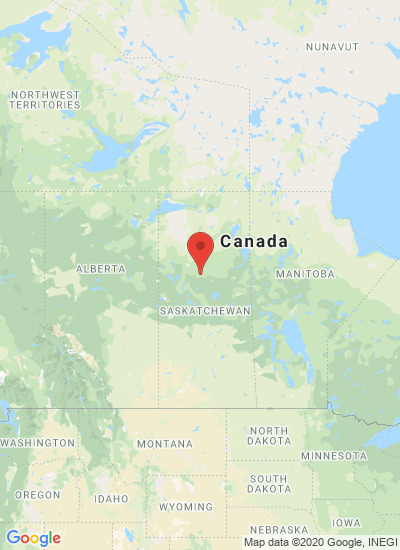

The Canadian Food Inspection Agency (CFIA) and the United States Department of Agriculture (USDA) today announced revised guidelines for potato cyst nematode (PCN) that will allow continued trade of seed potatoes between the two countries. While PCN does not pose a risk to human health, it is recognized internationally as a destructive plant pest of economic importance and, therefore, a quarantine pest for the United States and Canada.
"This Government is committed to helping farmers prosper, including facilitating access to international markets,"said Minister of Agriculture Gerry Ritz. "These revised guidelines will allow for the continued trade of seed potatoes between Canada and the United States."
"The United States and Canada are committed to working together to limit the spread of potato cyst nematodes on both sides of the border,"said U.S. Agriculture Secretary Tom Vilsack. "These revised guidelines will ensure abundant potatoes for consumers as well as viable markets for potato farmers."
The PCN Guidelines describe the national survey of potato production for PCN in both Canada and the U.S. and now require increased soil sampling and testing from all fields where seed potatoes are produced for trade between the two countries. The guidelines also outline the measures that should be taken to manage a PCN detection and contain procedures for the subsequent removal of restrictions on land.
Increased soil testing required in revised CFIA/USDA Potato Cyst Nematode Guidelines
¿Te gustaría recibir noticias como esta por correo electrónico? ¡Únete y suscríbete!
Get the latest potato industry news straight to your WhatsApp. Join the PotatoPro WhatsApp Community!
Noticias relacionadas

Noviembre 23, 2026
Región andina: la punta morada presiona la producción de papa y eleva los desafíos de control
Investigadores del CIP y del INIAP advierten sobre los efectos del complejo de punta morada en Perú, Ecuador y Colombia. El manejo exige mejores diagnósticos, vigilancia y semilla de calidad, mientras persisten interrogantes sobre los patógenos y sus vectores.

Noviembre 23, 2026
Estados Unidos: la menor cosecha de papa ajusta la oferta y abre espacio a compras sin contrato
El USDA prevé una cosecha de papa un 7% menor en 2026. AgWest observa una disponibilidad limitada en algunas regiones procesadoras y posibles compras de papa sin contrato, mientras la demanda evoluciona de forma desigual según el destino.

Noviembre 23, 2026
Chile: evalúan una nueva tecnología para multiplicar semilla de papa
Los ensayos buscan validar en Chile un método de multiplicación a partir de cultivo de tejidos in vitro. La transferencia a productores dependerá de los resultados locales, todavía sin cifras publicadas de rendimiento o costos.