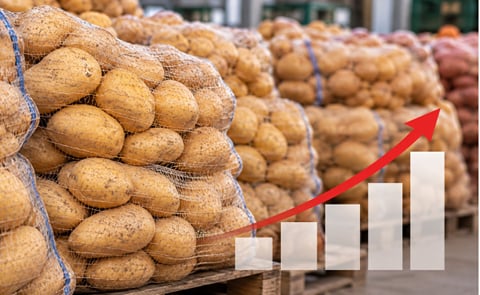

The UK government has proposed dramatic increases in costs for its plant health services. The revised costs, proposed in a consultation by the Food and Environment Research Agency (FERA), would increase fees by more than 400% for some services.
For example, FERA is proposing a 458% increase in Import Inspection Service costs for plant health checks. A mandatory check of a 25 metric tonne consignment of potatoes would increase from £54.26 to £251.31.
In addition, a 268% increase in import inspections for potatoes imported from Egypt has been suggested. Tests for brown rot would increase from £37.50 to £138.11.
FERA, an executive agency of DEFRA, launched the consultation on Tuesday (11 October) in a bid to move to full cost recovery for the statutory services and remove the burden from the taxpayer.
Five statutory services are covered in the consultation, including plant health, potato and potato seed regulations.
The recommended option is for a phased increase in fees over three years, achieving full cost recovery by 2014/15.
The eight-week consultation will discuss proposals with stakeholders, such as the NFU and Potato Council, to raise charges for services in England and Wales.
Costs of UK plant health services could rise dramatically
¿Te gustaría recibir noticias como esta por correo electrónico? ¡Únete y suscríbete!
Get the latest potato industry news straight to your WhatsApp. Join the PotatoPro WhatsApp Community!
Empresa Destacada
Noticias relacionadas

Septiembre 28, 2026
México: menor oferta de papa podría impulsar los precios durante el invierno
En México, el cierre de cosechas, los menores rendimientos y la reducción de la superficie sembrada podrían restringir la oferta de papa y generar presión al alza sobre los precios entre diciembre de 2026 y febrero de 2027.

Septiembre 28, 2026
España: la sequía reduce la cosecha de patatas en 2026
La producción española de patata caerá entre un 8% y un 10% en 2026, hasta unos 1,8 millones de toneladas, con descensos de hasta 35% en Andalucía debido principalmente a la sequía y los menores rendimientos.

Septiembre 23, 2026
Chile: buscan mejorar el diagnóstico molecular de la sarna polvorienta y la sarna común en papa
En Chile, el proyecto SCAB-ID 2.0 busca validar un sistema de qPCR multiplex capaz de detectar y diferenciar simultáneamente la sarna polvorienta y la sarna común de la papa, con miras a transferirlo a laboratorios de diagnóstico agrícola.