
The National Peak Industry Body for Australian potato growers, AUSVEG, will host a series of potato research and development (R&D) workshops in South Australia this month, as part of activities arranged for the Potato Industry Extension Program.
South Australian potato producers from across the state will have the opportunity to learn from, and engage with, several leading Australian potato experts at the workshops, who will present on some key production issues affecting the sector.
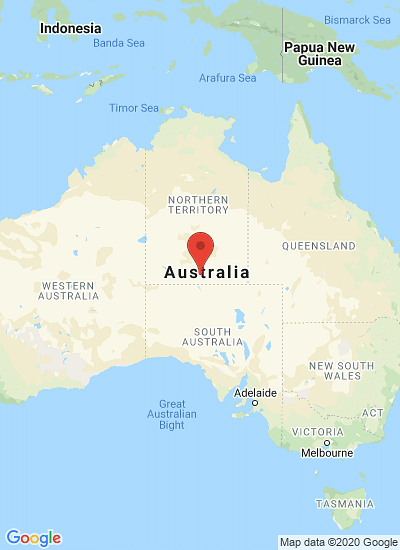
The first workshop will be held tomorrow evening from 6:00pm-8:30pm at the Mt Barker-Hahndorf Golf Club in Mt Barker; while the second will be held on 12 March from 5:30pm-7:30pm at the Golden Grain Hotel in Pinnaroo.
“AUSVEG is very pleased to be bringing some of Australia’s leading potato experts to South Australia, to engage with potato producers on key issues including Potato Virus Y (PVY), crop nutrition, storage and handling practices and irrigation efficiency,” said AUSVEG Special Projects Coordinator, Luke Raggatt.
AUSVEG is Australia’s leading horticultural body representing more than 2,000 potato growers.
“These workshops will provide an important opportunity for growers to hear about new industry research, and to discuss strategies on how their production practices might be enhanced,” said Mr Raggatt.
Amongst the experts presenting at the Mt Barker workshop tomorrow evening are Ms Brenda Coutts - Plant Virologist at the Department of Agriculture and Food Western Australia (DAFWA); Dr Doris Blaesing - Senior Consultant at RMCG; and Mr Paul Wellington – Senior Agronomist at Elders.
“South Australian potato growers have expressed strong interest in learning more about PVY in particular, which is one of the most serious issues affecting potato industries worldwide. Having recently completed a research project on PVY that focused on identifying the virus and how it is transmitted, Ms Coutts’ presentation will no doubt prove valuable for all attendees,” said Mr Raggatt.
The Potato Industry Extension Program is an industry-funded initiative that aims to raise awareness of practical R&D and agronomic activities, that could deliver strong benefits to their operations, if adopted.
“Workshops such as these ensure that industry members are kept at the forefront of new R&D findings and production practices, which could ultimately increase their efficiency and productivity,” said Mr Raggatt.
“AUSVEG has received strong support for these kinds of workshops from growers in South Australia and elsewhere, who are actively seeking new information on ways to boost efficiency and competiveness.”
Those interested in attending the workshops are requested to contact AUSVEG on (03) 9882 0277 or info@ausveg.com.au to register. The workshops will be catered and are free to attend for all potato levy payers and other industry stakeholders.
This project has been funded by HAL using the National Potato Levies and matched funds from the Australian Government.
South Australian potato producers to benefit from R&D workshop series
¿Te gustaría recibir noticias como esta por correo electrónico? ¡Únete y suscríbete!
Get the latest potato industry news straight to your WhatsApp. Join the PotatoPro WhatsApp Community!
Empresa Destacada
Noticias relacionadas
Septiembre 28, 2026
México: menor oferta de papa podría impulsar los precios durante el invierno
En México, el cierre de cosechas, los menores rendimientos y la reducción de la superficie sembrada podrían restringir la oferta de papa y generar presión al alza sobre los precios entre diciembre de 2026 y febrero de 2027.

Septiembre 28, 2026
España: la sequía reduce la cosecha de patatas en 2026
La producción española de patata caerá entre un 8% y un 10% en 2026, hasta unos 1,8 millones de toneladas, con descensos de hasta 35% en Andalucía debido principalmente a la sequía y los menores rendimientos.

Septiembre 23, 2026
Chile: buscan mejorar el diagnóstico molecular de la sarna polvorienta y la sarna común en papa
En Chile, el proyecto SCAB-ID 2.0 busca validar un sistema de qPCR multiplex capaz de detectar y diferenciar simultáneamente la sarna polvorienta y la sarna común de la papa, con miras a transferirlo a laboratorios de diagnóstico agrícola.