
You can boil them, mash them and roast them but rarely are potatoes burned to a cinder to generate electricity - but that's what one Lincolnshire company is going to do.
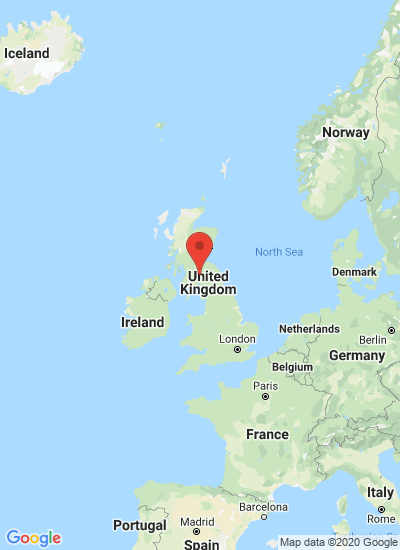
Branston Ltd has been given permission to build an energy from waste plant at its Mere Road site on the outskirts of Branston village.
The combined heat and power (CHP) plant, which would provide around 35 per cent of the electricity needed by the factory, would be fuelled by spuds considered unfit for the nation's dinner plates.
The reject spuds that will be used to power the plant are currently transported away from the factory in lorries and used as animal feed.
But if the facility goes ahead the amount of HGVs rumbling through the village will be dramatically reduced and the company expects its carbon footprint to drop by as much as 20 percent.
Branston turns to potato for power supply

¿Te gustaría recibir noticias como esta por correo electrónico? ¡Únete y suscríbete!
Get the latest potato industry news straight to your WhatsApp. Join the PotatoPro WhatsApp Community!
Empresa Destacada

Noticias relacionadas

Noviembre 03, 2026
Uruguay: ALAP 2027 ya prepara cuatro conferencias magistrales
El Congreso ALAP 2027, que se celebrará por primera vez en Uruguay, avanza en la definición de su programa con cuatro conferencias magistrales, dos mesas redondas, talleres técnicos y un día de campo, y prevé reunir a representantes de más de 15 países.

Noviembre 03, 2026
Brasil: mayor oferta de papa presiona los precios mayoristas, que caen hasta 20,8 por ciento en una semana
En Brasil, la mayor oferta de papa tras una pausa en las lluvias provocó caídas de precios mayoristas de hasta 20,8% durante la tercer semana de octubre, aunque las cotizaciones registraron una recuperación parcial durante la última semana del mes.

Noviembre 03, 2026
Colombia: Gobierno y productores buscan elevar la productividad de papa de 30 a 50 toneladas por hectárea
Colombia y los productores de papa acordaron una hoja de ruta para reducir costos de producción, de COP 35 millones por hectárea, y elevar los rendimientos de 30 a 50 toneladas por hectárea mediante tecnología, mecanización y mejoras comerciales.