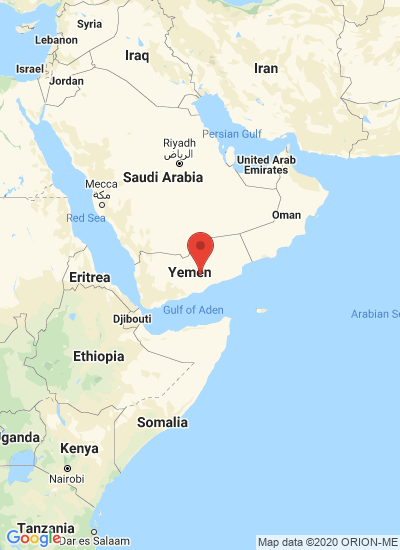
Almost 4,000 tons of potatoes imported last month from Saudi Arabia have flooded vegetable markets in Yemen at a cheaper price than the local produce leading the Cabinet to halt the import altogether since last week.
According to a trade treaty, Yemen imports potatoes from Saudi Arabia every year during the winter season when production is low. This year, the country has imported large quantities from Saudi Arabia due to a cold wave that hit the Marib governorate, one of the largest potatoes producers in the country, and floods that had devastated the governorates of Hadramout and Mahra.
Small merchants say that, if it weren’t for the imported potatoes, there would be a shortage in the market. Moreover, people cannot afford buying local grown potatoes because they are very expensive.
“Importing potatoes from Saudi Arabia has helped local consumers,” said Ali Nasser, grocery seller in the Al-Raqas market in Sana’a. “There are not enough quantities of local potatoes because of cold weather which hit the country last month.”
“The price of the potato has increased nowadays even the kind imported from Saudi Arabia,” said Jaber Al-Umaisi, vegetable wholesaler at Al-Hasaba Central Market. This kind of potatoes, he says, comes to our market in bad conditions because they spend so much time at the border. He thinks that “importing them should be banned.”
Yemen halts potato export from Saudi Arabia
¿Te gustaría recibir noticias como esta por correo electrónico? ¡Únete y suscríbete!
Get the latest potato industry news straight to your WhatsApp. Join the PotatoPro WhatsApp Community!
Noticias relacionadas

Octubre 20, 2026
Magallanes impulsa nuevas variedades de papa y tecnologias para mejorar la produccion en 2027
Un programa en Magallanes, Chile, impulsa nuevas variedades de papa, semillas de calidad y técnicas de riego eficiente para beneficiar a 436 productores, reducir el uso de pesticidas y fortalecer la producción y el procesamiento local en 2027.

Octubre 20, 2026
Colombia y Fedepapa acuerdan medidas para reducir costos y mejorar la rentabilidad del sector papero
El Gobierno de Colombia y Fedepapa acuerdan impulsar el riego eficiente, las semillas certificadas y la mecanización para reducir costos de producción, mejorar la comercialización y fortalecer la rentabilidad del sector papero.

Octubre 19, 2026
Francia reduce el tamano mínimo de las papas para procesamiento ante la menor cosecha de 2026
La industria francesa reduce de 50 a 45 milímetros el calibre mínimo de las papas para procesamiento. Siete cadenas de supermercados aceptan papas fritas más cortas ante una cosecha que podría caer cerca de 2 millones de toneladas en 2026.