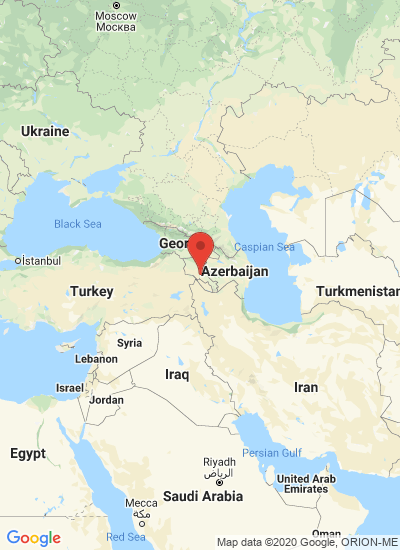

Armenia plans to maintain the volume of export of potato in 2011 on the level of 2010 in the amount of 3723 tons and even increase the indicators, said Deputy Agriculture Minister of Armenia Robert Makaryan on Thursday.
He did not make any forecasts regarding the harvest of potato this year and only mentioned that this year the volumes will increase compared to the last year.
“Now the cost of potato in local markets is relatively high, as the season of mass collection of harvest has not started yet. But, depending on the quality and the size of the potato, the cost per one kilo of potato is 150-250 drams”, said Makaryan.
Today potato is mainly exported from Armenia to Georgia. He mentioned the necessity of export development in the country.
In the frames of seed development program in 2011 it is planned to import about 3 thousand seeds of potato to Armenia.
Total territory of potato seeding in 2010 in Armenia was 28.3 thousand ha
Armenia plans to export 3700 tons of potato in 2011
¿Te gustaría recibir noticias como esta por correo electrónico? ¡Únete y suscríbete!
Get the latest potato industry news straight to your WhatsApp. Join the PotatoPro WhatsApp Community!
Noticias relacionadas

Octubre 20, 2026
Magallanes impulsa nuevas variedades de papa y tecnologias para mejorar la produccion en 2027
Un programa en Magallanes, Chile, impulsa nuevas variedades de papa, semillas de calidad y técnicas de riego eficiente para beneficiar a 436 productores, reducir el uso de pesticidas y fortalecer la producción y el procesamiento local en 2027.

Octubre 20, 2026
Colombia y Fedepapa acuerdan medidas para reducir costos y mejorar la rentabilidad del sector papero
El Gobierno de Colombia y Fedepapa acuerdan impulsar el riego eficiente, las semillas certificadas y la mecanización para reducir costos de producción, mejorar la comercialización y fortalecer la rentabilidad del sector papero.

Octubre 19, 2026
Francia reduce el tamano mínimo de las papas para procesamiento ante la menor cosecha de 2026
La industria francesa reduce de 50 a 45 milímetros el calibre mínimo de las papas para procesamiento. Siete cadenas de supermercados aceptan papas fritas más cortas ante una cosecha que podría caer cerca de 2 millones de toneladas en 2026.