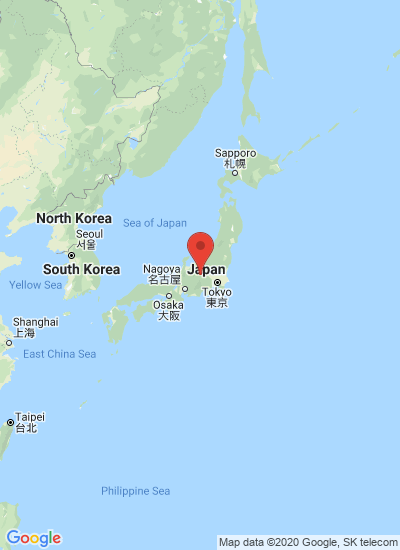

The Democratic Party of Japan (DPJ) wants to cut food imports that make up more than half of Japan's total supply, helping local farmers at the expense of growers in the U.S., under a ¥1 trillion policy.
Japan, which gets about 60 percent of its wheat shipments and 74 percent of its soybean imports from the U.S., could boost its food self-sufficiency rate to 50 percent by 2019 under the plan, according to Nobutaka Tsutsui, a DPJ lawmaker in charge of agriculture policy. That would compare with a 41 percent rate in the year that ended March 31.
The DPJ is promising to pay farmers when prices drop below production costs and achieve self-sufficiency in "important grains."Japan depended on imports for 59 percent of its food in the year ended March 31, the highest rate among developed countries.
Will Japan cut back on food imports?
Like to receive news like this by email? Join and Subscribe!
Get the latest potato industry news straight to your WhatsApp. Join the PotatoPro WhatsApp Community!
Related News

September 15, 2026
Survey Finds Americans Increasingly Turn to Food Delivery and Grocery Convenience Services
A FinanceBuzz and Bank of America survey finds 63 percent of Americans use food delivery monthly, while high fees influence ordering decisions, with 68 percent abandoning a delivery order after seeing the final cost.

September 06, 2026
FAO Food Price Index rises in August amid broad-based increases, led by sugar
The FAO Food Price Index averaged 131.1 points in July 2026, up 0.7 points from its June level. Increases in the price indices for cereals, sugar and vegetable oils were partially offset by declines in those for meat and dairy products.

August 07, 2026
FAO Food Price Index edges higher in July on stronger crop prices
The FAO Food Price Index averaged 131.1 points in July 2026, up 0.7 points from its June level. Increases in the price indices for cereals, sugar and vegetable oils were partially offset by declines in those for meat and dairy products.