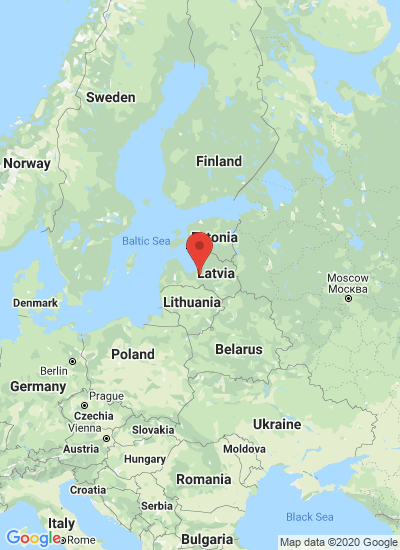

In January 2011, the prices of vegetables in Latvia increased rapidly, and due to the activity of Russian buyers the supply of local potatoes is dwindling, experts inform the business information portal Nozare.lv.
Head of the Agricultural Market Promotion Center, Inguna Gulbe, pointed out that in January supplier prices for cabbage increased 33% from December, potatoes – 18%, carrots – 13%, reaching 28, 20 and 18 santims per kilogram respectively. In January, supplier prices for potatoes, cabbage and beet were two times higher than a year ago.
The largest price increase, compared to December, was registered for potatoes on Riga markets – 32%, informed Gulbe. Chairman of potato and beet producer Baldones lauki, Ivars Pundins, forecast that the price for potatoes will dramatically increase in spring.
"Everything is being sold. We sold 15% of our potatoes to Russian buyers, however, I know farms that sold 70 to 100% of their potatoes. The offer was very good – 23 to 25 santims per kilogram, while stores offered to pay 20 santims. The buyers will have to choose between rice and buckwheat or wait until new potatoes from Israel or Marocco arrive. Local potatoes will cost at least 30 santims per kilogram in spring,"said Pundins.
Latvian potatoes bought up by Russians;vegetable prices increasing
Like to receive news like this by email? Join and Subscribe!
Get the latest potato industry news straight to your WhatsApp. Join the PotatoPro WhatsApp Community!
Related News

October 19, 2026
No Silver Bullet for Potato Cyst Nematode: PAPAS Research Featured in AGDAILY
PAPAS researchers spotlight Idaho’s pale cyst nematode challenge in AGDAILY, highlighting trap crops, biofumigation, resistant varieties, and integrated strategies to advance eradication and protect potato production.

October 19, 2026
Royal HZPC Group acquired Patent for potatoes with an Increased Levels of Antioxidants, Kaempferol in particular
Royal HZPC Group has patented a potato innovation with increased levels of natural antioxidants, particularly kaempferol, while retaining traditional flesh colour. The development could benefit both fresh and processed potato markets.

October 19, 2026
Global Potato Summit 2026 to Highlight Rising Potato Exports and Processing Opportunities in India
Potato exports from India reached USD 449.6 million across six categories in 2025. Global Potato Summit 2026, scheduled for December 16–17 in Gujarat, will focus on processing, international trade and new export opportunities.