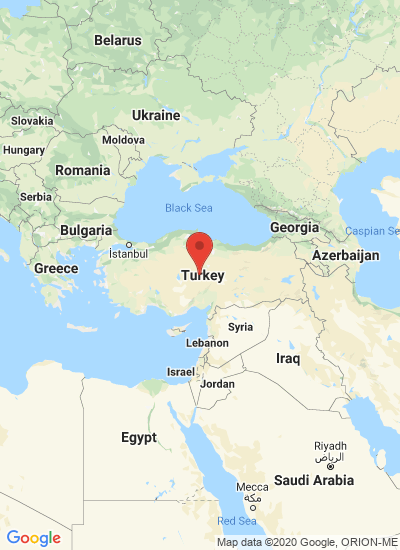
As part of the zero-waste commitment for its manufacturing operation, PepsiCo's agriculture team in Turkey invested in anaerobic digestion technology several years ago to handle the organic waste created there.
It is fed by a mixture of potato peels, corn kernels and other ingredients used in the company's snack foods.
Today, the biogas generated by that equipment covers approximately 35 percent of the electricity needed to run its two Frito-Lay snack food plants there.
What's more, PepsiCo figured out a way to turn the nutrient-rich digestate created during the process into a more environmentally friendly fertilizer, which it is now supplying to its more than 350 contract farmers in the country. The idea was a collaboration between the manufacturing team, which was trying to find a better way to dispose of the biodigester waste, and PepsiCo agricultural advisors, who were trying to reduce the negative impact of soil additives used to grow potatoes.
"As the team was thinking about what to do with the sludge, another team was looking for new fertilizer approaches that were more sustainable,"said Ece Aksel, general manager of PepsiCo Turkey. "Together, they found this process."
Pepsico recycles snack food waste into energy and fertilizer

Like to receive news like this by email? Join and Subscribe!
Get the latest potato industry news straight to your WhatsApp. Join the PotatoPro WhatsApp Community!
Uitgelichte Bedrijven


Gerelateerd nieuws

juli 30, 2026
The Potato Project opens first flagship gourmet potato restaurant in Mumbai
The Potato Project will open its first flagship outlet in Mumbai on 31 July, introducing a gourmet potato-focused QSR concept. Built around white potato, purple potato and yam, the brand plans to expand across India and into international markets.

juni 17, 2026
España: un análisis agronómico sobre el futuro del campo español
El futuro del campo español depende de una transformación estructural basada en relevo generacional, tecnificación, sostenibilidad, inversión productiva, formación especializada e infraestructuras que permitan convertir al agro en un sector competitivo, innovador y rentable.

april 21, 2026
España: refuerzo al control fronterizo agroalimentario con más inspecciones físicas
El gobierno destaca que la reorganización de los controles fronterizos permitió aumentar un 7,5% las inspecciones físicas a productos agroalimentarios en un año, reforzando la vigilancia sobre importaciones y exportaciones en un contexto de mayor flujo comercial.