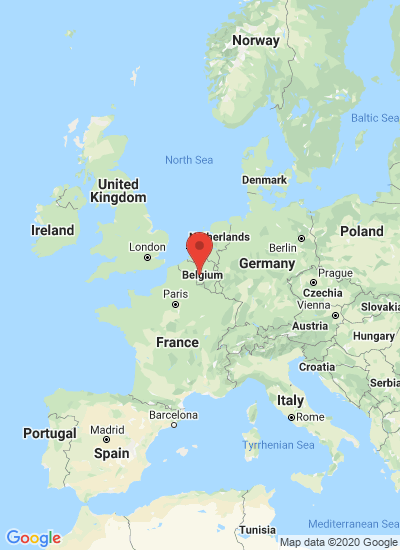

Scorching temperatures and prolonged drought across Europe are raising concerns over potato yields and quality as crops enter critical growth stages.
Europe's Heatwave Puts Potato Crops Under Pressure as Heat and Drought Threaten Yield and Quality

Europe's potato industry is facing growing uncertainty as an exceptional late-June heatwave pushes temperatures above 40°C across large parts of Southern, Western, and Central Europe. With potato crops entering the critical tuber initiation and bulking stages, growers and agronomists warn that prolonged heat, limited rainfall, and declining soil moisture could reduce yields, affect processing quality, and increase production costs if extreme conditions persist.
The latest heatwave is part of a broader trend of increasingly frequent extreme weather across Europe. According to the World Meteorological Organization (WMO) and the Copernicus Climate Change Service (C3S), a persistent high-pressure system, known as an Omega Block, has trapped hot air over much of the continent while suppressing rainfall. Scientists warn that Europe is warming faster than any other continent, making heatwaves more frequent, intense, and prolonged.
Potato Crops Enter a Critical Growth Stage as Spain Reports Early Yield Concerns
The timing of the heatwave is particularly concerning because potato-growing regions across Spain, France, Germany, Belgium, the Netherlands, Poland, and Central Europe are currently in the crucial tuber initiation and bulking stages, when potatoes accumulate most of their final yield.
Potatoes are cool-season crops, with optimal tuber development occurring between 18°C and 22°C. When temperatures remain above 30°C, plants experience physiological stress. Photosynthesis slows, respiration and water demand increase, and plants divert energy from tuber formation to survival. Prolonged exposure to extreme heat can reduce tuber size, delay development, and ultimately lower both yield and quality.
Spain has already reported the first signs of production pressure. Growers in Castile and León, the country's largest potato-producing region, say persistent high temperatures have slowed crop development while sharply increasing irrigation demand. Industry representatives estimate that yields could decline by 10% to 15% if hot and dry conditions continue through the remainder of the growing season.
Water Shortages and Quality Risks Intensify Pressure on Growers
The heatwave is being compounded by below-average rainfall across much of Europe, leaving soil moisture reserves increasingly depleted. The European Commission's Joint Research Centre (JRC) has identified expanding areas of agricultural water stress in parts of France, Germany, Hungary, Slovakia, Romania, and Eastern Europe, where crops are becoming increasingly dependent on irrigation.
Italy illustrates the growing challenge. Exceptionally low water levels in the Po River have allowed seawater to move inland, threatening irrigation supplies in one of the country's most important agricultural regions. Although the impacts extend beyond potatoes, reduced freshwater availability highlights the broader risks facing irrigated crop production during prolonged heatwaves.
Extreme temperatures also threaten potato quality. Heat-stressed crops are more likely to produce smaller tubers, irregular shapes, growth cracks, hollow heart, secondary growth, and lower dry matter content—traits that reduce suitability for manufacturing French fries, potato chips, flakes, and starch products. At the same time, growers face rising irrigation, energy, and water management costs, placing additional pressure on farm profitability.
Market Outlook Remains Uncertain
Despite mounting concerns, analysts say it is still too early to determine the full impact on European potato supplies or prices. Much will depend on weather conditions during July, particularly in northwestern Europe, where Belgium, the Netherlands, northern France, and western Germany form the core of Europe's potato processing industry.
Timely rainfall and cooler temperatures could help stabilize crop development and limit production losses. However, if extreme heat and drought persist through the remainder of the tuber bulking period, Europe could face lower potato yields, reduced processing quality, and tighter supplies for processors later in the season.
Climate Adaptation Becomes Essential for the Future of European Potato Production
The latest heatwave underscores the increasing importance of climate resilience in the potato sector. Plant breeders are accelerating the development of heat- and drought-tolerant potato varieties, while growers continue investing in precision irrigation, soil moisture monitoring, improved water management, and regenerative farming practices to better withstand increasingly frequent extreme weather events.
As climate variability intensifies, adapting potato production systems will become essential to maintaining stable yields, processing quality, and long-term supply chain resilience across Europe.
References
Like to receive news like this by email? Join and Subscribe!
Get the latest potato industry news straight to your WhatsApp. Join the PotatoPro WhatsApp Community!
Gerelateerd nieuws
september 07, 2026
Calbee Potato Harvest Ceremony 2026 Highlights Stronger Hokkaido Potato Quality and Yield
Calbee Potato expects Hokkaido’s 2026 processing potato crop to reach 240,000–250,000 tons, with better quality and yields than 2025. Favorable temperatures and rainfall have boosted growth, although heavy rain remains a major harvest risk now.

september 07, 2026
Aardappeldemodag 2026 Draws Over 4,500 Visitors as Dutch Potato Sector Faces Year of Extremes
Aardappeldemodag 2026 brought over 4,500 visitors to Westmaas amid a challenging year for the Dutch potato sector. The event focused on market pressures, extreme growing conditions, knowledge sharing, machinery and innovation.

september 07, 2026
EUROPLANT en Finpom onderstrepen het voordeel van Finse pootaardappelteelt bij toenemende viruisdruk in Europa
Finpom wijst op de voordelen van Noord-Finland voor de productie van hoogwaardige pootaardappelen terwijl klimaatverandering de virusrisico's in Europa doet toenemen, en breidt zijn EUROPLANT-assortiment verder uit met LARISSA, JUVENTA, Filipa, FAVOLA en INA.