High potato production in West Bengal leads to price decline, storage shortages, and increased wastage
Potato surplus in West Bengal triggers price crash and large-scale wastage

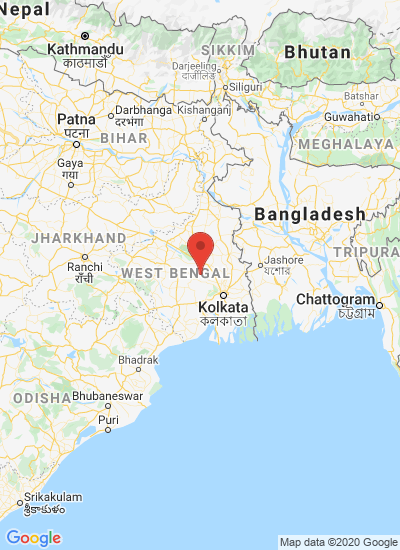
The bumper potato harvest in West Bengal's Singur has led to a price crash and large-scale wastage. On the ground, heaps of potatoes are lying in the open, with produce rotting and farmers dumping stock.
Farmer Pradeep Das said high production has reduced returns. He said it costs around INR 20,000 (USD 240) per bigha to grow potatoes, but farmers are getting only INR 16,000–18,000 (USD 190–215). He added that farmers are unable to send produce outside the state, which is affecting prices.
According to him, the stock is so high that it may take up to one and a half years to clear even the cold storages. He said potatoes are not moving out as vehicles are being stopped at borders, leading to a price collapse and wastage.
Cold storages full after high production
This year, potato production has reached nearly 14 million tonnes. The excess supply has created pressure on storage facilities. Farmers said cold storages are full and there is no space left.
Farmer Johar Dutta said production has been very high and other states are also producing potatoes, so demand for Bengal's produce has reduced. He said there is no space left in cold storage and potatoes kept outside are getting spoiled. He added that farmers across Bengal are facing losses.
Farmers report prices below production cost
The situation has affected livelihoods. Farmers said the gap between cost and selling price has increased. Farmer Vishwajeet said farmers are not getting a fair price and many have suffered heavy losses. He said potatoes have become very cheap in the market due to excess supply within the state.
He said potatoes are being sold at rates lower than the production cost of around INR 8 (USD 0.10) per kilo. In some cases, 3 to 5 kilos are being sold at very low prices. He added that due to lack of storage and excess stock, potatoes are sometimes thrown away. He said the situation will remain difficult unless the produce moves out of the state and prices improve.
Like to receive news like this by email? Join and Subscribe!
Get the latest potato industry news straight to your WhatsApp. Join the PotatoPro WhatsApp Community!
Gerelateerd nieuws

september 07, 2026
Calbee Potato Harvest Ceremony 2026 Highlights Stronger Hokkaido Potato Quality and Yield
Calbee Potato expects Hokkaido’s 2026 processing potato crop to reach 240,000–250,000 tons, with better quality and yields than 2025. Favorable temperatures and rainfall have boosted growth, although heavy rain remains a major harvest risk now.

september 07, 2026
Aardappeldemodag 2026 Draws Over 4,500 Visitors as Dutch Potato Sector Faces Year of Extremes
Aardappeldemodag 2026 brought over 4,500 visitors to Westmaas amid a challenging year for the Dutch potato sector. The event focused on market pressures, extreme growing conditions, knowledge sharing, machinery and innovation.

september 07, 2026
EUROPLANT en Finpom onderstrepen het voordeel van Finse pootaardappelteelt bij toenemende viruisdruk in Europa
Finpom wijst op de voordelen van Noord-Finland voor de productie van hoogwaardige pootaardappelen terwijl klimaatverandering de virusrisico's in Europa doet toenemen, en breidt zijn EUROPLANT-assortiment verder uit met LARISSA, JUVENTA, Filipa, FAVOLA en INA.