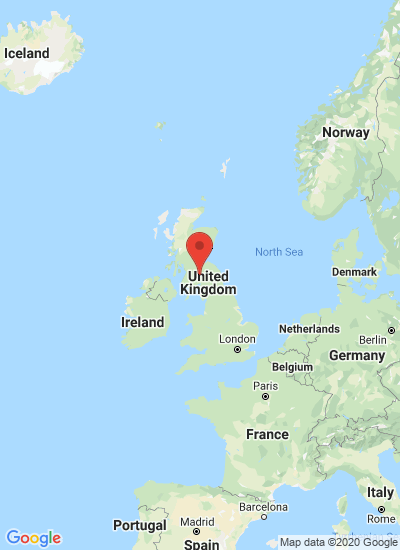

Andrew Wilson, a potato grower near Slingsby, York, stands in a field as part of his sustainable farming system, highlighting the role of long crop rotations in improving soil health and strengthening British potato production.
Longer Potato Rotations Strengthen UK Farming with Higher Productivity and Sustainable Production

Robust and extended potato rotations are helping British growers improve soil health, reduce pest and disease risks, and produce larger volumes of sustainably grown food, according to a new report from GB Potatoes titled The Power of Potato Rotations.
The report highlights that UK potato growers are among the world leaders in rotation practices, with many farms planting potatoes only once every six years or longer. These extended rotations, combined with cover crops and diverse crop sequences, are helping maintain productivity while protecting vital agricultural resources.
Mark Taplin, agronomist at Harvest Agronomy in Shropshire:
"Potatoes are key to many rotations with the growers I work with Without them, and with a reliance on cereal crops, the economic performance of the farm can be very marginal at the moment."
According to calculations by potato agronomist Mark Stalham, potato-based rotations can deliver almost 20% more food energy per hectare compared with cereal-based systems. The report also shows that growers achieving top-quartile yields produce around 40% more dry matter and food energy than average cereal-based systems.
Longer Rotations Improve Soil Health and Disease Control
UK potato rotations have steadily increased over recent decades. Research shows growers have moved from average four-year rotations during the 1990s and early 2000s towards five- and six-year rotations, with some farms extending to seven years where potato cyst nematode (PCN) pressure is high.
Longer rotations are increasingly important as growers face challenges from soil degradation, extreme weather, heavier machinery, and increasing pest and disease pressure.
Mark Taplin:
"There are lots of situations where growers believe their rotations have been too tight, especially where there has been a build-up of pests and disease such as PCN and rhizoctonia."
The report explains that PCN and fungal diseases decline slowly, with populations taking around 10 years to reduce to approximately 5% of their original level. Even extending a rotation by one additional year can significantly reduce pest pressure and improve crop performance.
Potato Rotations Deliver More Food and Nutritional Value
Research from Mark Stalham shows that a potato-based rotation of potatoes, winter wheat, winter wheat, sugar beet, spring beans and winter wheat can deliver 60.9% more dry matter yield over the full rotation period compared with a cereal-based rotation.
The nutritional benefits are also significant. Compared with cereal-based systems, potato rotations can deliver:
- 7.6% more carbohydrates
- 134% more fibre
- More than double the volume of important minerals including calcium, iron, phosphorus, potassium, magnesium, sodium and zinc
- More than twice the Vitamin C content over the rotation period
Cover Crops and Soil Management Support Sustainable Production
The report highlights the importance of cover crops, organic matter management, and precision agriculture tools in improving potato production.
An AHDB Rotations Research Partnership study found that cover crops improved potato yields by around 3 tonnes per hectare in significant trials. The research also showed that long-term additions of farmyard manure and organic materials provided stronger rotational benefits than one-off treatments by gradually improving soil organic matter.
New technologies, including soil scanning, field mapping and yield monitoring tools, are also helping growers better understand soil conditions and optimise management decisions.
Growers See Benefits from Diverse Crop Systems
Andrew Wilson, who farms near Slingsby, York, uses rotations ranging from four to seven years, with potatoes followed by crops including wheat, spring malting barley, sugar beet and vining peas.
Andrew Wilson, Potato Grower and Farmer, Slingsby, York, United Kingdom:
"We realised long ago that good soil management was essential for the farm to thrive, with a diverse rotation important for crop performance to be maintained."
His farm uses cover crops, manure applications and reduced fertiliser inputs to improve soil performance. Cover crops now appear three times within the main rotation, while nitrogen use averages around 120 kg per hectare, compared with intensive cereal systems that may use up to 200 kg per hectare.
Processors and Packers Invest in Rotation Research
Potato processors and packers are also exploring the benefits of longer rotations.
McCain Foods is researching sustainable farming systems through its UK Farm of the Future, including a circular nutrient system using pig manure in partnership with the University of Leeds National Pig Centre.
Research by McCain in New Zealand extended potato rotations from six to nine years using 14 different crop species and sheep integration. The programme helped increase potato yields by 25% since the early 2000s while reducing greenhouse gas emissions by 9%.
Meanwhile, packer Branston has used rotational farming practices at its low-carbon concept farm to support the development of sustainable table potato production.
Future Research Links Growing Practices with Potato Nutrition
Farmer-led research organisation Vitagri, together with the British On-Farm Innovation Network and the Bionutrient Institute, is investigating how production methods influence potato nutritional quality.
The project will analyse potato samples from different UK farming systems, examining dry matter, mineral uptake, antioxidant levels, disease incidence, soil management, irrigation, fertility strategies, varieties and storage conditions.
GB Potatoes CEO Scott Walker said the research demonstrates that productivity and sustainability can work together.
Scott Walker, Chief Executive Officer (CEO) of GB Potatoes:
"British potato growers are proving that productivity and sustainability can go hand in hand. We are leading the way in using long, robust rotations to deliver large volumes of nutritiously dense food from every hectare while improving the sustainability of production."
The report concludes that longer rotations remain one of the most effective tools available to British potato growers, helping protect soils, manage disease risks and secure a more resilient future for potato production.
Like to receive news like this by email? Join and Subscribe!
Get the latest potato industry news straight to your WhatsApp. Join the PotatoPro WhatsApp Community!
Uitgelichte Bedrijven

Gerelateerd nieuws
september 07, 2026
Calbee Potato Harvest Ceremony 2026 Highlights Stronger Hokkaido Potato Quality and Yield
Calbee Potato expects Hokkaido’s 2026 processing potato crop to reach 240,000–250,000 tons, with better quality and yields than 2025. Favorable temperatures and rainfall have boosted growth, although heavy rain remains a major harvest risk now.

september 07, 2026
Aardappeldemodag 2026 Draws Over 4,500 Visitors as Dutch Potato Sector Faces Year of Extremes
Aardappeldemodag 2026 brought over 4,500 visitors to Westmaas amid a challenging year for the Dutch potato sector. The event focused on market pressures, extreme growing conditions, knowledge sharing, machinery and innovation.

september 07, 2026
EUROPLANT en Finpom onderstrepen het voordeel van Finse pootaardappelteelt bij toenemende viruisdruk in Europa
Finpom wijst op de voordelen van Noord-Finland voor de productie van hoogwaardige pootaardappelen terwijl klimaatverandering de virusrisico's in Europa doet toenemen, en breidt zijn EUROPLANT-assortiment verder uit met LARISSA, JUVENTA, Filipa, FAVOLA en INA.