
Brazil
Brazil has a well-established potato industry, with production concentrated mainly in the Southeast and South. Minas Gerais, São Paulo, Paraná, Santa Catarina and Rio Grande do Sul are the principal potato producing states, while Goiás and Bahia also contribute to national production. Embrapa estimates Brazil's annual potato production at around 3.5 million tonnes, with cultivation spread across several production regions and agroclimatic conditions.
Potato production occurs in both tropical and subtropical environments, with farmers using different planting periods and production systems to take advantage of favorable temperatures. Minas Gerais is particularly important for national production, while the southern states benefit from cooler conditions that are suitable for potato development. Modern irrigation, improved cultivars, mechanization and crop management practices have supported productivity and quality improvements.
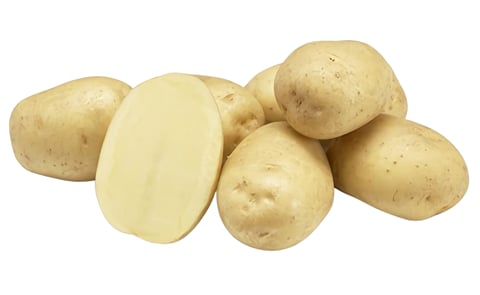
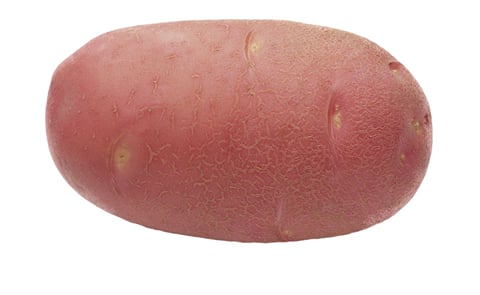
Brazilian potatoes are produced for both fresh consumption and processing. The fresh market generally favors attractive tubers with smooth yellow skin, while the processing sector supplies products such as potato chips and other processed foods. The national potato chain includes thousands of producers distributed across major production regions, with production ranging from relatively small farms to large commercial operations.
The potato originated in the Andes of South America and was domesticated thousands of years ago. In Brazil, potato cultivation remained relatively limited for much of its early history and was largely associated with garden scale production. Commercial cultivation expanded during the late nineteenth century, particularly after European immigrants introduced and developed potato production in southern Brazil, where the cooler climate was favorable for the crop.
During the twentieth century, potato production expanded beyond the traditional southern areas into the Southeast and other suitable regions. Improvements in breeding, irrigation, crop management and production technology helped establish major commercial production centres in states such as Minas Gerais and São Paulo. Research and technology development by institutions including Embrapa subsequently contributed to improved cultivars and production systems adapted to Brazilian conditions, supporting the growth of both fresh-market and processing potato production.