
Idaho
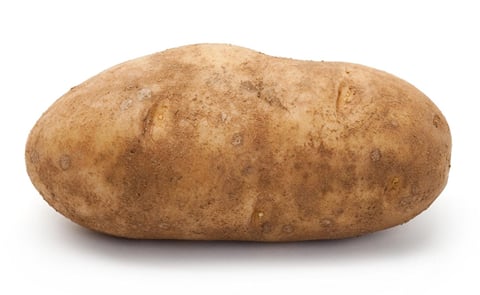
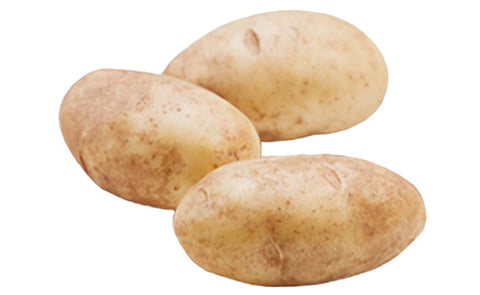
Idaho is the leading potato producing state in the United States and is especially recognized for its russet potatoes. Commercial production is concentrated across the Snake River Plain, which stretches through southern Idaho and provides a broad agricultural landscape suited to large-scale potato production. The region’s combination of warm daytime temperatures, cool nights, fertile soils and access to irrigation support high potato yields and desirable tuber quality. The Snake River and Snake River Aquifer are particularly important because irrigation allows growers to manage water precisely during the crop’s development.
Idaho’s potato growing area extends for roughly 350 miles along the Snake River Plain, with production concentrated in southeastern and south-central parts of the state and extending toward the Idaho-Oregon border. Russet cultivars dominate commercial production, although growers also produce red, yellow, chipping and specialty potatoes. The state’s dry climate and irrigation-based production system allow growers to control moisture while the long summer days promote strong crop development. These conditions have helped Idaho develop a major industry supplying potatoes for fresh consumption, foodservice and processing.
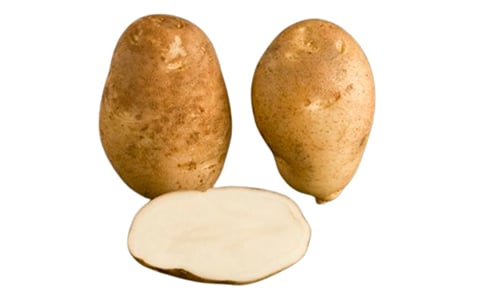
Idaho potatoes are particularly important to the U.S. fresh and processing markets. Russet Burbank remains the best-known Idaho variety because of its high solids, dry and fluffy texture when baked and suitability for French fries and other processed products. At the same time, the industry has diversified into cultivars such as Russet Norkotah, Ranger Russet, Clearwater Russet, Umatilla Russet and Western Russet, along with red, yellow and fingerling types. Research and breeding programs involving the University of Idaho, USDA and other Pacific Northwest institutions continue to develop varieties with improved yield, disease resistance, storage characteristics and processing quality.
Potatoes became an important crop in Idaho as irrigation transformed parts of the Snake River Plain into productive agricultural land. The Snake River has played a fundamental role in the development of the industry by providing water and fertile alluvial soils, while irrigation infrastructure and groundwater pumping enabled farmers to expand production across the region. Over time, Idaho developed a specialized potato industry based on its climate, soils, irrigation resources, storage infrastructure and access to western U.S. markets.
The rise of Russet Burbank was central to Idaho’s reputation as a potato producing region. The variety, developed from material associated with Luther Burbank and formally developed by Lou Sweet in 1914, became Idaho’s dominant commercial potato because of its appearance, high solids and excellent baking and processing qualities. Later, expansion of the frozen French fry industry encouraged Idaho growers to adopt additional russet varieties, including Ranger Russet, which was jointly released by USDA and the University of Idaho in 1991. Today, Idaho’s potato sector combines the long-established Russet Burbank industry with extensive varietal development and production for fresh, frozen and specialty markets.