
Texas
Texas is an important potato producing state in the southern United States, with commercial production distributed across several distinct growing regions. The principal potato areas are the High Plains of Northwest Texas, the Rolling Plains around Munday, the Winter Garden area of South and Central Texas and the Lower Rio Grande Valley. These regions allow growers to produce potatoes across different planting and harvesting windows, supplying both fresh market and processing markets.
The High Plains is the most important production area, particularly around Seminole, Muleshoe, Farwell, Springlake, Hereford, Dimmitt, Hart, Olton and Plainview. The region's long summer days, intense sunlight and relatively cool nights during tuber formation can provide favorable conditions for tuber set, size and yield when irrigation and crop management are adequate. The Winter Garden and Rio Grande Valley provide earlier production, with planting beginning in winter and harvesting from April onward.
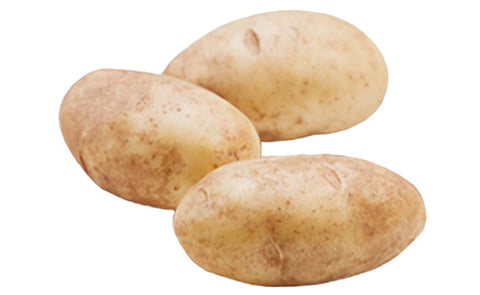
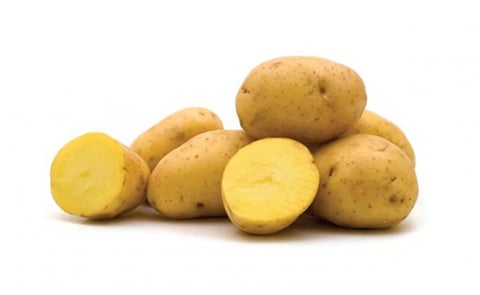
Texas produces potatoes for several market segments, including fresh table potatoes, processing potatoes and specialty types. Russet, white and red skinned potatoes are widely represented, while yellow-flesh and colored-flesh types have also been grown. Russet Norkotah strains have historically been particularly important on the High Plains, while Atlantic has been an important, white-skinned processing variety and Red LaSoda and Viking important, red-skinned types. According to USDA's 2026 Texas agricultural overview, the state planted about 15,000 acres of potatoes and harvested 14,600 acres.
Potato production developed as part of Texas's expanding irrigated vegetable industry, particularly in areas where irrigation, suitable soils and favorable seasonal conditions allowed growers to produce potatoes for early markets. The Lower Rio Grande Valley benefited from its mild winters and irrigation infrastructure, while the Winter Garden developed into another important, irrigated vegetable growing region. These conditions allowed Texas growers to reach markets during periods when production from many northern U.S. states was limited.
By the 1990s, Texas had developed a substantial commercial potato industry. Texas A&M records show approximately 15,000 acres harvested in 1994, producing 2.9 million cwt with a farm-gate value exceeding USD 35 million; by 1996, potato acreage had reached at least 19,000 acres. Processing production also expanded during this period. Potato breeding and variety development subsequently became particularly important on the High Plains, where Texas developed strains of Russet Norkotah helped sustain russet production under the region's environmental conditions.