

Washington
Washington is one of the most important potato producing regions in the United States, with commercial production concentrated mainly in eastern Washington and the Skagit Valley. The state’s potato industry benefits from fertile volcanic and alluvial soils, a long growing season, abundant irrigation infrastructure and relatively dry summer conditions. Eastern Washington, particularly the Columbia Basin, has become the center of large-scale production because irrigation allows growers to maintain consistent water availability during the dry growing season. Washington typically plants around 155,000–170,000 acres of potatoes annually, with production heavily oriented toward processing as well as fresh-market potatoes.
The Columbia Basin is particularly suited to high yield potato production. Because natural summer rainfall is insufficient, most commercial potato fields depend on irrigation, including large center pivot sprinkler systems. Growers generally rotate potatoes with other crops, often returning potatoes to the same field only after several years, helping reduce the buildup of soil borne diseases and pests. Washington's combination of irrigation, soil conditions, relatively warm days and cool nights supports high tuber yields and quality, while sophisticated harvesting, grading and storage systems support the state's large commercial industry.
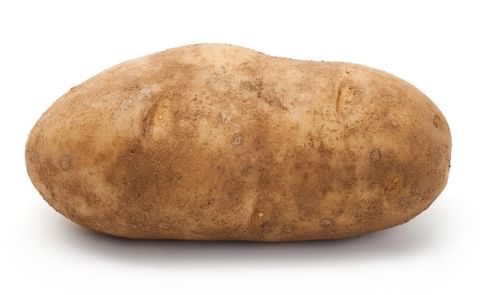
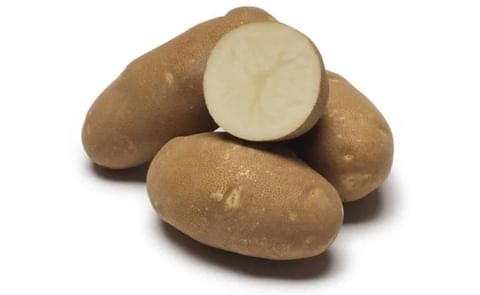
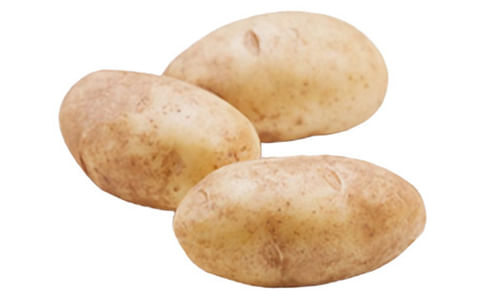
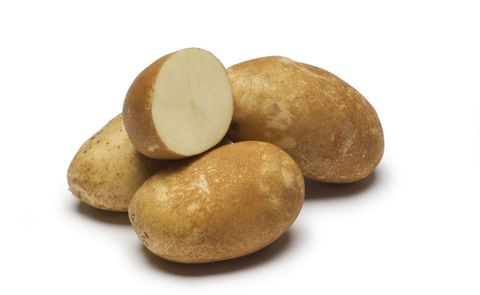
Washington has a diverse potato variety portfolio, although russet potatoes dominate, particularly for French fries and other processed products. Russet Burbank remains an important variety, while newer cultivars such as Clearwater Russet, Umatilla Russet, Ranger Russet, Russet Norkotah and Alturas have expanded their presence. Clearwater Russet has increased particularly strongly because of its acceptance for French-fry processing, while newer Tri-State/Northwest-developed cultivars have gradually replaced part of the acreage historically occupied by Russet Burbank. Washington also produces red, yellow, blue and specialty potatoes for fresh markets and niche uses
Potatoes have a long history in Washington, predating modern commercial agriculture. Historical evidence indicates that potatoes had reached the region by at least the 1790s and were cultivated by Indigenous communities before large-scale settlement by non-Native farmers. The Ozette potato, traditionally grown by the Makah people around the Olympic Peninsula, is particularly notable. USDA research indicates that the variety is associated with potatoes brought by Spanish explorers to the Neah Bay area in the 1700s and subsequently maintained by the Makah community for generations.
Commercial potato production expanded during the late nineteenth and early twentieth centuries in areas including the Skagit, Yakima and Kittitas valleys. The industry's major transformation came after World War II, when large-scale irrigation development opened the Columbia Basin to intensive agriculture. The Columbia Basin Irrigation Project supplied water to areas that were previously too dry for reliable potato production, allowing Washington to develop one of the world's major potato growing regions. Research and breeding subsequently strengthened the industry through the Tri-State potato variety development program involving Washington State University, the University of Idaho, Oregon State University, USDA-ARS and industry partners. This breeding effort helped introduce varieties such as Ranger Russet, Umatilla Russet and Clearwater Russet, contributing to the gradual diversification and modernization of Washington's potato sector.


Make This Page Even Better!
This content was last updated on September 12, 2026
Have a helpful detail to contribute? Catch something that should be corrected?