
Queensland
Queensland is an important potato producing state in Australia, with production distributed across contrasting climatic zones that allow potatoes to be grown throughout much of the year. The major production areas include the Lockyer Valley, Eastern Darling Downs and Killarney in south-east Queensland, Bundaberg in the coastal south-east and the Atherton Tableland in North Queensland. This geographic diversity supports different planting and harvesting windows and helps maintain a relatively continuous supply to the domestic market.
The Lockyer Valley is one of Queensland's principal potato growing regions, with production focused on fresh-market, washed and processing potatoes. The Atherton Tableland is another major centre, particularly for fresh brushed potatoes, while the Southern Downs and Killarney areas contribute significantly to the state's production. Queensland's potato industry has historically produced around 120,000 tonnes annually, although production and value vary with seasonal conditions, market prices and production costs. Potatoes are marketed primarily within Australia, supplying major markets including Brisbane, Sydney and Melbourne.
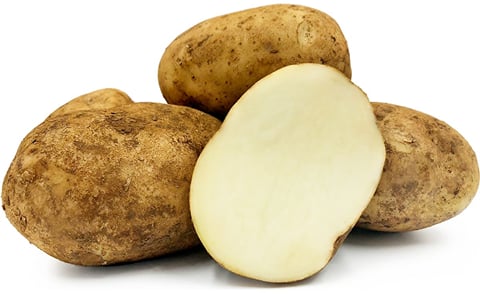
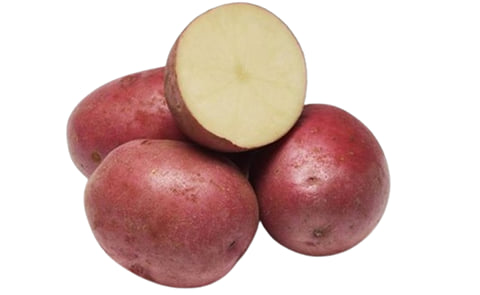
Queensland's potato production benefits from a combination of fertile soils, irrigation and climatic variation. On the Atherton Tableland, elevation and relatively mild temperatures create suitable conditions for potato production in tropical North Queensland, while irrigation and fertile soils support intensive vegetable production. Commonly grown varieties include Sebago, Pontiac, Atlantic, Red La Soda and Exton, with Atlantic particularly important for the crisping industry. The state also has a small but established processing sector, while fresh-market production remains the dominant component of the industry.
Potatoes have been commercially and domestically grown in Queensland since the nineteenth century and the crop became an important component of the state's diversified agricultural economy. Historical records show that the commercial crop was dependent for many years on seed potatoes from southern Australian states and on the introduction of new varieties. In the 1920s, Queensland's Department of Agriculture began systematic potato trials, including work on the Atherton Tableland to determine whether seed potatoes could be produced locally for northern growers. Variety and fertilizer trials were conducted at several locations, including Atherton, Evelyn Tableland and Tolga.
Potato production expanded considerably in North Queensland during the twentieth century, particularly on the Atherton Tableland, while the Lockyer Valley developed into a major production centre in south-east Queensland. By the late 1960s, the Atherton industry was producing substantial commercial volumes and supplying markets well beyond Queensland, including southern Australian markets and overseas destinations such as Singapore. Research also supported the development of local seed production; trials published in 1981 demonstrated that Queensland produced Sebago seed could perform as well as or better than imported certified seed under experimental conditions. Today, Queensland's potato industry remains geographically diverse, combining established fresh-market production with crisping, processing and newer value-added opportunities.