

AgriExpo: A Global Platform Shaping the Future of Agriculture
AgriExpo represents a global series of premier agricultural exhibitions that function as dynamic marketplaces and innovation hubs for the entire agri-value chain. These events bring together farmers, agribusinesses, technology providers, researchers, policymakers and investors under one roof to explore solutions addressing today’s most pressing agricultural challenges.
One of the most established editions is Egypt’s Agri Expo, with its 11th edition scheduled for January 17–19, 2026, at the Cairo International Convention Centre in Cairo. Organized by Cairo Expo for Marketing & Exhibitions in collaboration with industry partners, it has evolved into a leading platform for the Middle East and North Africa (MENA) region.
Other major editions include the World Ag Expo held every February in Tulare, widely recognized as one of the largest annual agricultural exhibitions in the world. Similarly, Agri Expo Thailand, conducted in Khon Kaen each September focuses on Southeast Asia’s key crops such as rice, sugarcane, cassava and oil palm.
What distinguishes these exhibitions is their balance between agricultural heritage and future focused innovation. They celebrate traditional farming practices while strongly promoting advancements in agri-tech, sustainability, precision farming and climate resilience. Their scale further underscores their significance: Egypt’s Agri Expo typically features over 350 national and international exhibitors attracts more than 20,000–25,000 professional visitors, hosts over 17 country pavilions and sees participation from 40+ countries, all within extensive indoor and outdoor exhibition spaces. The World Ag Expo operates on an even larger scale, showcasing heavy agricultural machinery across hundreds of acres.
Held annually or biennially in strategically important agricultural and economic hubs, these events transform into vibrant “agri-cities” for a few days. They offer experiences ranging from large scale machinery demonstrations to focused startup pitch sessions. More than just trade shows, AgriExpo events serve as seasonal landmarks where the future of agriculture is shaped through commerce, collaboration and knowledge exchange.
AgriExpo: Where Global Agriculture Meets Innovation
AgriExpo: Purpose & Industry Relevance
AgriExpo events are designed to bridge the gap between innovation and practical, on-ground application making them indispensable in today’s agricultural landscape. While their function as gathering points for products and ideas is evident, their deeper purpose lies in accelerating progress in the face of global challenges such as population growth, climate change, resource scarcity and supply chain vulnerabilities.
A key contribution of these events is their role in advancing agricultural innovation. They act as launchpads for new technologies, enabling rapid prototyping, real time feedback and faster market entry for breakthroughs in farm machinery, seeds, crop protection inputs and digital agriculture tools. This environment fosters direct interaction between innovators and end users, ensuring solutions are both practical and scalable.
Equally important is their impact on farmer adoption of new technologies. Through live demonstrations, side-by-side comparisons and discussions around financing and affordability, AgriExpo events significantly lower the barriers for small and marginal farmers. These platforms allow farmers to evaluate technologies in real world conditions and choose solutions that best fit their local needs.
AgriExpo also plays a crucial role in strengthening market linkages and trade opportunities. By facilitating direct business-to-business (B2B) interactions, these events create pathways for export deals, distributor partnerships and investment flows. This often leads to cross border collaborations that enhance the resilience and efficiency of global agricultural supply chains.
Another defining aspect is their focus on climate resilient agriculture. Dedicated exhibition zones and knowledge sessions highlight innovations such as drought tolerant crop varieties, water efficient irrigation systems, soil regeneration practices and risk mitigation tools. These elements directly support farmers and agribusinesses in adapting to changing climatic conditions.
On a broader scale, AgriExpo events contribute to global food security by promoting higher productivity and reducing post-harvest losses. They encourage sustainability through eco-friendly inputs, circular agricultural practices such as waste-to-compost systems and the integration of renewable energy solutions. Additionally, they accelerate the adoption of digital agriculture technologies, including AI, IoT, big data analytics and blockchain, which are transforming how farming decisions are made and executed.
In developing regions, these expos serve as powerful tools for empowering smallholder farmers and stimulating rural economies. At a global level, they align closely with initiatives such as the United Nations Sustainable Development Goals, national agricultural modernization policies and net-zero targets.
Ultimately, AgriExpo events play a transformative role in shifting agriculture from a traditional livelihood model to a resilient, technology driven and profitable industry.
AgriExpo: Where Innovation Meets Real-World Farming Experience
This is the heart of the visitor experience where theory meets practice in a vibrant, multi-sensory environment. Attendees often describe AgriExpo as an “agricultural wonderland,” filled with energy, innovation and actionable opportunities.
One of the biggest attractions is the launch of new products and technologies. Exhibitors showcase cutting edge agricultural machinery such as tractors, harvesters and precision planters equipped with auto-guidance systems. Alongside these are high yielding and climate resilient seed varieties, advanced fertilizers, biopesticides, greenhouse technologies and post-harvest processing equipment. Many companies introduce region specific innovations, including solar powered irrigation pumps and AI-enabled livestock monitoring systems making the offerings highly relevant to local farming conditions.
Live demonstrations and field trials add a practical dimension that sets these events apart. Visitors can witness drone spraying in real time, test smart irrigation systems capable of optimizing water use significantly, operate automated harvesters and explore robotics designed for tasks like weeding and harvesting. Outdoor demonstration zones are often designed to replicate real farm environments, allowing farmers and agribusiness professionals to evaluate technologies under realistic conditions.
AgriExpo events also provide strong visibility to emerging innovation through startup zones and agri-tech pavilions. These dedicated spaces highlight disruptive solutions such as mobile soil testing kits, satellite-based crop monitoring applications, predictive pest and disease models, vertical farming systems and blockchain enabled traceability platforms. Pitch sessions and innovation challenges further energize these zones, creating opportunities for startups to connect with investors and industry stakeholders.
International pavilions and thematic zones contribute to the global appeal of the exhibition. Country specific pavilions often representing regions like China, India, Europe and Turkey showcase specialized technologies and products tailored to different agricultural systems. Additional thematic zones focus on areas such as organic farming, dairy and poultry technologies, horticulture, renewable energy in agriculture and food processing, effectively creating a comprehensive, one stop global marketplace.
The overall atmosphere is engaging and inclusive. Many editions offer free or low cost entry for farmers, include family friendly elements and host cultural performances that celebrate agricultural heritage. Networking lounges and informal meeting spaces encourage interaction and collaboration. Visitors typically leave with product information, recorded demonstrations, valuable contacts and practical ideas that can be directly implemented in their own agricultural operations.
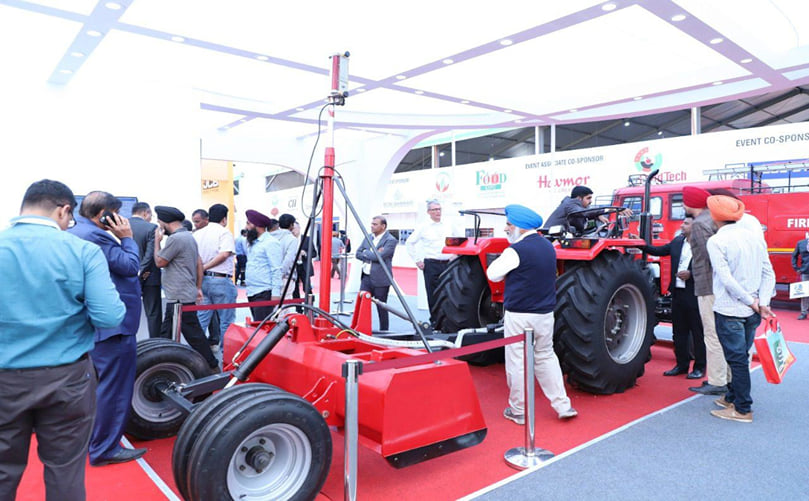
Unveiling Innovation: New Product Launch at AgriExpo
AgriExpo: Conferences, Seminars & Knowledge Sessions
AgriExpo is far more than a static exhibition it operates as a premier knowledge and capacity building platform. The conference program typically runs parallel to the exhibition floor, creating a seamless integration of theory and real-world application.
A major highlight is the series of expert talks and keynote speeches delivered by leading agronomists, global thought leaders, government representatives, CEOs of agribusiness companies and climate scientists. These sessions cover a wide spectrum of topics from the role of artificial intelligence in smallholder farming to global commodity market trends and future agricultural outlooks.
Panel discussions form another critical component, offering in-depth exploration of pressing industry issues. These conversations often address climate change impacts, supply chain disruptions, water scarcity, soil health restoration, sustainable financing for farmers, the role of women in agriculture and digital inclusion. Many sessions are interactive, incorporating live Q&A segments and audience polling to generate real time insights and engagement.
Workshops and hands-on training sessions are designed to provide practical value to diverse participants. Farmers, entrepreneurs and professionals can attend focused sessions such as precision irrigation techniques for water scarce regions, export compliance and global standards for agricultural products and the use of drones and sensors for crop monitoring. Financial literacy sessions covering agri-insurance and credit access are also commonly included. These workshops are often free or subsidized, ensuring accessibility for small and marginal farmers.
Prominent institutions frequently collaborate in delivering these knowledge sessions including agricultural universities, research organizations such as Indian Council of Agricultural Research and CGIAR as well as international development bodies. In editions like Egypt’s AgriExpo, the program may feature more than 50 lectures and seminars, attracting consultants, researchers and specialists from across the globe. Participants are sometimes provided with certificates or practical toolkits adding long-term value beyond the event itself.
Collectively, these sessions transform attendees from passive observers into informed decision makers fostering a culture of continuous learning and innovation within the agricultural community.
AgriExpo: Where Connections Turn into Business Growth
AgriExpo serves as a high energy business networking platform where relationships translate into long-term value. It functions as a concentrated “agri-business ecosystem,” compressing months of outreach, negotiations and collaboration into just a few intensive days.
For farmers and cooperatives, the event offers direct, face-to-face interaction with manufacturers and suppliers. This enables them to negotiate better pricing, understand after sales services and explore financing options such as installment plans or government supported schemes. Many participants leave with confirmed purchase decisions or pilot agreements for new machinery, seeds and crop inputs.
For companies and exhibitors, AgriExpo provides a powerful platform for brand visibility, lead generation and market expansion. Businesses can connect with highly targeted audiences, appoint regional distributors or dealers and launch new products in a competitive yet focused environment. International exhibitors, particularly from regions like Europe and Asia, often use these events to enter or strengthen their presence in emerging markets across the Middle East and Africa.
Startups and innovators benefit significantly from dedicated matchmaking sessions, investor lounges and pitch opportunities. These platforms connect them with venture capitalists, accelerators, corporate partners and government procurement agencies. Many agritech startups secure their first large scale pilot projects, funding commitments or strategic partnerships during the event.
Buyers, importers and exporters also find immense value, as AgriExpo acts as a sourcing hub for bulk agricultural inputs, machinery, seeds and processed agri-products. Hosted buyer programs in several editions attract international procurement teams, facilitating export deals and cross-border trade agreements.
What truly elevates AgriExpo as a business hub is its structured and informal networking ecosystem. Most editions feature organized B2B matchmaking sessions, one-on-one meetings, VIP buyer tours and digital networking platforms that help participants connect efficiently. At the same time, informal interactions at exhibition booths, live demonstration zones and networking receptions often lead to the most meaningful deals.
Events such as Egypt’s Agri Expo attract a diverse mix of stakeholders, including bankers, investors, agronomists, distributors, government representatives and farmers many of whom are key decision-makers. Past participants frequently report strong post-event business outcomes, including supply contracts, joint ventures and technology licensing agreements.
In essence, AgriExpo accelerates the business cycle while fostering trust through direct human interaction an essential factor in the agriculture sector, where long-term relationships remain critical for success.

AgriExpo: Where Business Connections Drive Agricultural Growth
AgriExpo: Innovations & Trends Shaping the Future of Farming
AgriExpo serves as a global showcase for the future of agriculture, highlighting practical and scalable solutions to real world challenges such as labor shortages, climate variability, resource constraints and the growing demand for sustainable production systems.
A major focus is on precision farming technologies. These include GPS-guided autonomous tractors, variable rate application equipment, soil and crop sensors, and drone-based monitoring systems. Such tools enable farmers to optimize the use of inputs like water, fertilizers and pesticides, significantly reducing waste while improving productivity.
Artificial intelligence and data driven agriculture are also central themes. Machine learning models are increasingly used for yield prediction, early detection of pests and diseases, automated irrigation scheduling and comprehensive farm management through mobile-based dashboards. Real-time data analytics empower farmers to make informed decisions, even in remote and resource limited settings.
Sustainability is strongly emphasized through the promotion of advanced inputs and bio-based solutions. Exhibitors showcase biofertilizers, biopesticides, microbial inoculants, nano-fertilizers and organic soil amendments that enhance soil health while reducing reliance on synthetic chemicals. In addition, waste recycling technologies such as converting crop residues into compost or bioenergy are gaining prominence as part of circular agriculture systems.
Climate smart agricultural practices form another critical pillar. These include drought and heat tolerant seed varieties, efficient water management systems like smart drip irrigation and rainwater harvesting and moisture sensing technologies. Protected cultivation methods, including greenhouses and net houses along with agroforestry and regenerative farming practices are highlighted for their role in improving resilience, enhancing biodiversity and supporting carbon sequestration.
Emerging trends further expand the innovation landscape. Robotics and automation, such as autonomous weeding and harvesting machines are addressing labor shortages. Vertical and urban farming systems are redefining food production in space constrained environments. Blockchain technology is improving supply chain transparency and traceability, while renewable energy integration particularly solar-powered agricultural systems is helping reduce operational costs and environmental impact.
These innovations directly respond to key global challenges, including rising input costs, labor scarcity, extreme weather events, stricter environmental regulations and increasing consumer demand for sustainably produced food. Events like Agri Expo Thailand place strong emphasis on crop specific mechanization suited to tropical agriculture, while the World Ag Expo is renowned for its large-scale demonstrations of advanced machinery and precision farming technologies.
Overall, AgriExpo acts as a catalyst for transforming agriculture into a more efficient, resilient and technology driven sector.
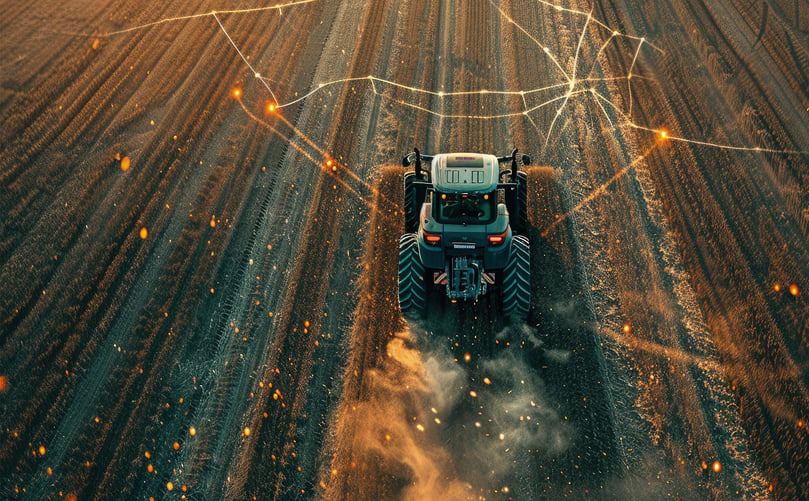
Next-Gen Agriculture: Exploring Trends at AgriExpo
AgriExpo: Driving Economic Growth & Transforming the Agriculture Industry
AgriExpo events generate substantial and measurable economic and sector wide impact that extends well beyond the exhibition period. They act as powerful catalysts for technology diffusion, trade expansion and rural economic development, influencing both local and global agricultural systems.
One of the most significant contributions is to the agri-economy. By accelerating the adoption of productivity enhancing technologies, these events help farmers increase yields, reduce post-harvest losses and improve overall efficiency. This, in turn, supports higher farm incomes and contributes directly to national agricultural GDP growth.
AgriExpo events are also key drivers of trade deals and strategic collaborations. Exhibitions frequently lead to both on-site agreements and post-event contracts involving agricultural machinery, inputs, seeds and technology transfer partnerships. International participation further strengthens export opportunities and encourages foreign direct investment in agriculture, particularly in emerging markets. Beyond transactions, these expos play an influential role in shaping regional and global agricultural trends. They help define innovation benchmarks, accelerate the adoption of best practices and contribute to policy discussions. The presence of stakeholders from multiple countries encourages knowledge exchange and supports the alignment of agricultural standards across regions.
The scale of these events highlights their economic importance. For example, Egypt’s Agri Expo consistently attracts over 350 exhibitors and more than 20,000–25,000 professional visitors with participation from dozens of countries, creating strong trade momentum across the Middle East and African markets. Similarly, the World Ag Expo draws tens of thousands of attendees and plays a significant role in influencing agricultural equipment and input markets in North America, with economic activity reaching into the billions of dollars annually.
The broader economic outcomes are equally impactful. These include job creation across manufacturing, distribution and agri-service sectors as well as the strengthening of agricultural value chains. Smallholder farming systems benefit from faster modernization, while participating companies often report strong returns on investment through new market entry and expanded sales pipelines.
In the long term, AgriExpo contributes to building a more resilient and sustainable agricultural sector. It supports adaptation to climate related challenges, promotes environmentally responsible practices that reduce the overall footprint of farming and enhances global food security. Additionally, by showcasing agriculture as a technology driven and innovative industry, these events help attract younger generations and new investments into the sector.
Importantly, AgriExpo also serves as a feedback mechanism for innovators, businesses and policymakers. Insights gathered from these events drive continuous improvement in products, policies and practices, ensuring that agriculture evolves in line with emerging global needs and challenges.