North Dakota
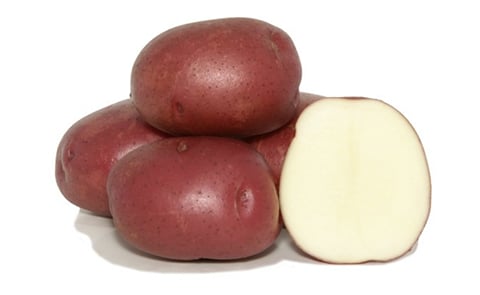
North Dakota is an important potato-producing state in the northern Great Plains, with production concentrated heavily in the Red River Valley along the eastern side of the state. The valley’s deep, fertile soils, cool growing conditions and long summer daylight hours provide a favorable environment for potato production. The northern Red River Valley is particularly important for red potatoes and is recognized as one of the major potato-producing areas of the United States. Potatoes grown in North Dakota serve several markets, including fresh consumption, processing and certified seed production.
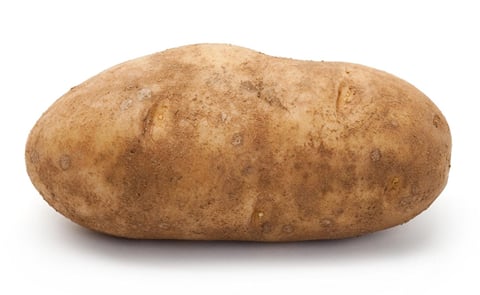
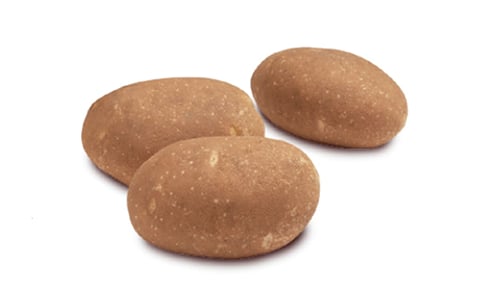
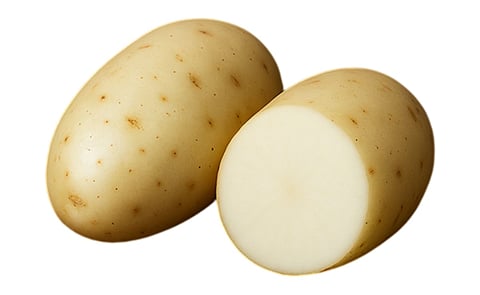
The state has a diversified potato industry that includes red, yellow, white and russet potatoes. North Dakota is especially recognized for its certified seed potato production because its northern climate and specialized production areas help maintain seed quality and reduce disease pressure. The North Dakota Seed Department inspects roughly 10,000–15,000 acres of seed potatoes each year, making the state’s certification program one of the largest in the United States. Seed production is concentrated primarily in the northern Red River Valley and in isolated areas elsewhere in the state.
Research and breeding are also central to North Dakota’s potato sector. North Dakota State University has developed numerous potato cultivars adapted to northern growing conditions, including Dakota Russet, Dakota Ruby, Dakota Dawn, Dakota Crisp and Dakota Diamond. Recent variety trials continue to evaluate red- and yellow-skinned potatoes for yield, quality and storage characteristics under North Dakota conditions. The state’s combination of commercial production, certified seed systems, breeding research and specialized inspection has made potatoes an established part of its agricultural economy. History of Potatoes in North Dakota
Potato cultivation in the Red River Valley dates back to the 19th century, when potatoes were grown as an important food crop in the developing agricultural communities of the region. Commercial production expanded around the early 20th century, particularly near communities such as Hoople, North Dakota. The fertile valley soils and favorable climate helped establish the region as an important source of high-quality potatoes, while the development of transportation and markets encouraged growers to expand production.
The modern organized potato industry developed substantially during the 20th century. In 1929, North Dakota appointed its first Potato Grade Inspector, while legislation in 1931 introduced licensing requirements for the sale of seed potatoes. The Red River Valley Potato Growers Association was formed in 1946 to represent growers and strengthen the regional industry and in 1956 the association established a grower-owned research farm near Grand Forks. Potato processing expanded during the 1960s, while the North Dakota Potato Council was created in 1967 to promote research, development, cultivation and marketing. These developments helped establish the foundation of the state’s present-day potato industry.