

Bhutan
Potato cultivation is a vital component of Bhutan’s agricultural sector and ranks as the most important cash crop after rice. It significantly contributes to national food security, rural livelihoods, and nutritional improvement. According to FAO data, Bhutan produced approximately 37.75 million tons of potatoes in 2023.
Cultivation is primarily concentrated in mid-elevation districts such as Wangdue, Haa, Bumthang, Chukha, Monggar, Trashigang, Trashiyangtse, Paro, and Thimphu, typically situated between 2,000 and 3,500 meters above sea level. These regions offer ideal agro-climatic conditions, enabling widespread household participation in potato farming for both domestic consumption and export.
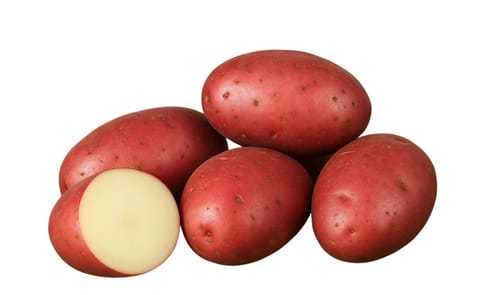
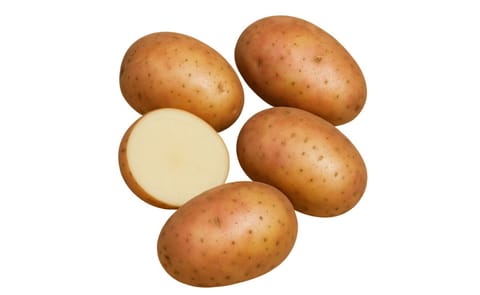
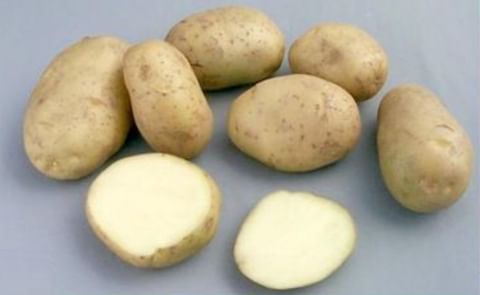
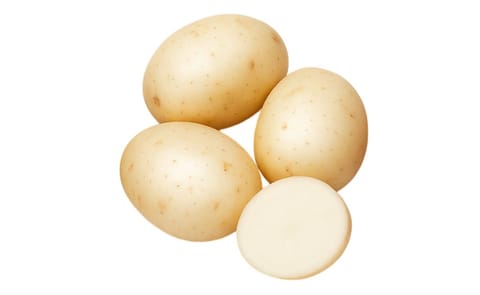
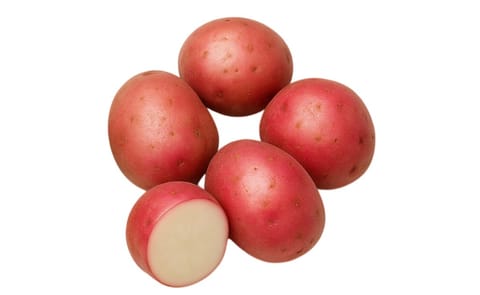
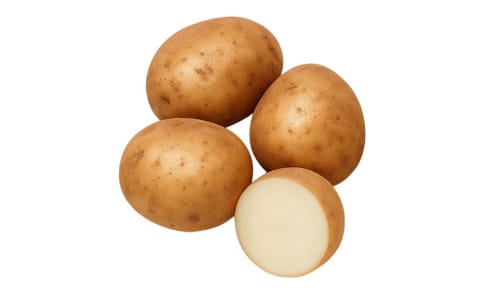
The Desiree variety dominates production due to its favorable quality traits and good storage potential. Other commonly grown varieties include Kufri Jyoti, Yusikaap, Khangma Kaap, and NKK, while traditional varieties such as Bombay White, Darjeeling Red Round, and Hazarey continue to be cultivated in select areas.
The history of potato cultivation in Bhutan traces back to the 18th century, linked to the British East India Company’s Governor Warren Hastings. In 1774, his emissary George Bogle introduced potatoes to the region during his mission to Bhutan and Tibet, planting them at various stops—a move considered the earliest documented introduction of potatoes in Bhutan. While potatoes were likely present in northern India since the 16th century, they gradually spread into Bhutan during the 17th and 18th centuries.
The crop was quickly embraced by the Bhutanese for its ease of cultivation and nutritional value, as evidenced by requests for additional seed potatoes by 1776. The modern phase of potato farming in Bhutan began in the mid-20th century, notably after the establishment of the Department of Agriculture in 1961. Infrastructure development, particularly road construction in the 1960s and 1970s, enabled market access to India, significantly expanding production from 760 hectares in 1970 to nearly 6,000 hectares by 2007.
The Bhutan National Potato Development Programme (BNPP), active from 1984 to 1995, further accelerated the growth of potatoes as a key cash crop.

Agricultural Statistics for bhutan
Loading...