

Democratic People's Republic of Korea
Potato cultivation serves as a cornerstone of agricultural production in the Democratic People's Republic of Korea (DPRK), particularly in the cooler northern highlands where the crop thrives. Following the severe famine of the 1990s, the government launched a "potato revolution" to bolster food security, resulting in a significant expansion of potato farming across key regions such as Ryanggang Province—including Taehongdan County and Samjiyon City—as well as parts of South Hwanghae and South Phyongan provinces. This initiative emphasized the adoption of improved farming techniques, mechanization, and scientific research to enhance productivity.
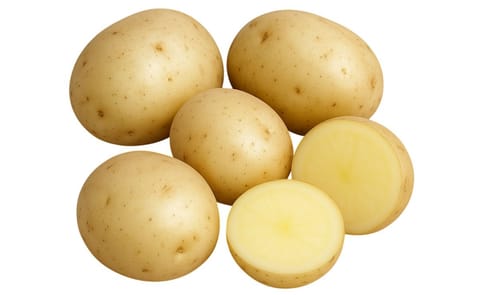
A diverse array of potato varieties is cultivated to suit the country's varied agro-climatic zones. In the southern regions, early-maturing varieties like Favorita and Zhongshu No. 3 are prevalent, while Zihuabai is widely grown in both southern and northern highlands due to its adaptability. Notably, high-yielding domestic varieties such as Jangjin-6, Yolmaejo-saeng, and Tongil have been developed, with the latter recognized for its short dormancy and suitability for multiple growing seasons. Other significant cultivars include Sumi (also known as Superior), Chubaek, Golden Ball, Mangang, and Namjak (Irish Cobbler), each contributing to the resilience and diversity of the nation's potato production.
The Daehongdan Potato Research Institute in Ryanggang Province plays a pivotal role in breeding and disseminating these improved varieties. According to the Food and Agriculture Organization (FAO), in 2023, the DPRK harvested 158,137 hectares of potatoes, yielding 522,496 metric tons with an average yield of 3,304.1 kg/ha.
The history of potato cultivation in the Democratic People's Republic of Korea (DPRK) traces back to the early 19th century, likely introduced from China. During the Japanese occupation (1910–1945), potatoes emerged as a staple crop, particularly during World War II when rice was exported to Japan.
However, throughout much of the 20th century, potato yields remained low due to factors such as crop diseases, harsh weather conditions, inadequate storage facilities, and limited modernization efforts. These challenges were further compounded by the state's emphasis on self-reliance (Juche) and the prioritization of rice and maize under Kim Il Sung's leadership.
A significant shift occurred in the late 1990s during the "Arduous March", a period marked by extreme economic hardship and food shortages. In response, then-leader Kim Jong-il initiated the "potato farming revolution", promoting potatoes as a key staple alongside rice and corn due to their high yield and adaptability to the country's mountainous terrain.
Taehongdan County in Ryanggang Province, situated in the cold, high-altitude Kaema Plateau, became the epicenter of this campaign. The region's suitability for potato cultivation, with yields of 20–30 tons per unit area compared to a maximum of 5 tons for corn, underscored its strategic importance.
To support this agricultural transformation, the government dispatched scientists, engineers, and demobilized soldiers to Taehongdan, encouraging families to settle there and fostering local identity through initiatives such as naming twins "Taehong" and "Hongdan."Consequently, Ryanggang Province earned the moniker "potato province," reflecting its pivotal role in enhancing food security and agricultural sustainability within the DPRK.

Statistics for democratic-peoples-republic-korea
Loading...