

From Hunting to Husbandry: The Story of Meat Consumption
Meat is defined in food systems as the edible flesh of animals, primarily consisting of muscle tissue, while also including fat, connective tissues and in some cases, organs such as the liver or kidneys when consumed as food. This definition generally applies to tissues obtained from mammals and birds and in broader contexts, may also include aquatic species, although some classifications explicitly exclude seafood.
From a scientific perspective, meat refers to skeletal muscle and associated tissues derived from mammalian, avian and aquatic animals that are suitable for human consumption after appropriate processing or preparation. Non-edible components such as hides and most bones are excluded, with emphasis placed on nutrient rich tissues that form a staple in many diets worldwide. Beyond its biological composition, meat functions as a major commodity within global food systems, significantly influencing agriculture, international trade and culinary practices across diverse societies.
In global diets, meat plays a pivotal nutritional role despite constituting less than 10% of total global food mass. It contributes approximately 11% of global food energy while delivering around 29% of dietary protein, 26% of zinc and 37% of vitamin B₁₂, along with substantial amounts of other essential micronutrients such as iron and selenium. This disproportionate contribution makes meat particularly important in addressing malnutrition in developing regions, where it supports physical growth, immune function, cognitive development and overall health. Culturally, meat often symbolizes prosperity, strength and social cohesion, frequently featuring in rituals, festivals and communal meals.
In societies such as Zambia and Switzerland, meat consumption is associated with power, economic stability and urban lifestyles. In contrast, other cultures embed meat within philosophical or religious frameworks, such as the yin–yang balance in Chinese cuisine or dietary regulations like halal and kosher practices in Islamic and Jewish communities. Nevertheless, meat’s role remains ambivalent, as its nutritional and cultural value increasingly coexists with ethical, health and environmental concerns, prompting reduced consumption or dietary shifts in certain populations.
Historically, meat consumption has been fundamental to human evolution and societal development, with evidence dating back at least 2.6 million years to early hominins who incorporated meat and bone marrow from large animals into their diets. Paleontological findings, including butchery marks on fossilized bones from sites such as Gona in Ethiopia (approximately 2.6 million years ago) and Koobi Fora in Kenya (approximately 1.95–1.5 million years ago), indicate organized hunting and scavenging activities. These practices involved animals such as bison, deer, antelopes and even aquatic species including turtles and fish. The inclusion of energy dense animal foods is believed to have supported increased brain size, reduced gut length and key physiological adaptations in species such as Homo habilis and Homo erectus.
The Neolithic Revolution, beginning around 11,000 years ago, marked a major transition with the domestication of animals such as sheep, goats, pigs, cattle and chickens, enabling systematic meat production through farming and selective breeding. Over time, meat became both a nutritional cornerstone and a marker of social status, with consumption patterns varying across historical periods. For example, meat intake was particularly high among nineteenth century British elites, reaching up to 140 kg per person annually.
Following World War II, meat production and consumption expanded rapidly through industrialized systems, driven by government incentives, technological advancements and intensified farming practices. This historical trajectory underscores meat’s enduring role in human survival, cultural identity and economic development, while contemporary discourse increasingly highlights its environmental footprint and sustainability challenges.
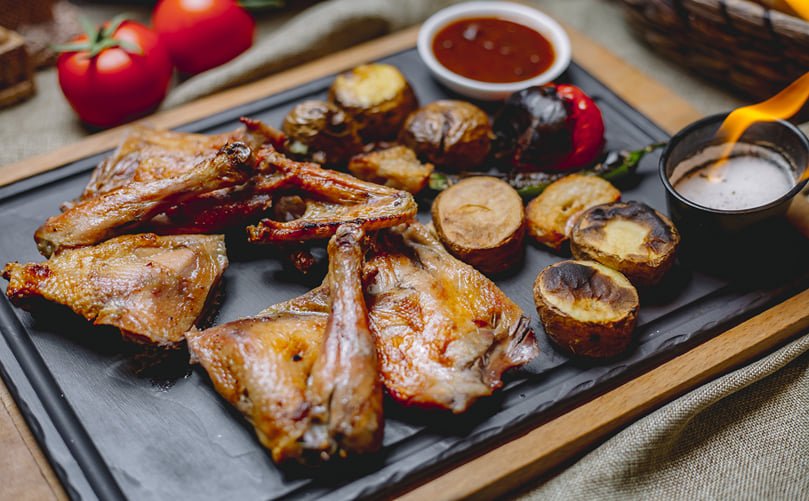
Meat Snacks: From Tradition to Modern Nutrition
Types of Meat and Their Key Characteristics
Meat can be classified into several categories based on animal source, muscle color (largely determined by myoglobin content), processing methods and state of preparation. Each classification is associated with distinct textures, flavors, nutritional characteristics and culinary applications.
Red meat is obtained primarily from mammals such as beef (cattle), mutton (sheep), lamb (young sheep), pork (pigs), veal (young cattle), venison (deer) and goat. It contains higher levels of myoglobin, which gives the meat a darker red color in its raw state. Red meat includes both lean and fatty cuts, such as steaks and ribs and is generally associated with richer flavor profiles and higher contents of iron and certain B vitamins.
White meat mainly refers to poultry including chicken and turkey, which have lower myoglobin levels and therefore a lighter color and milder flavor. In some classifications, white meat may also include rabbit and in broader or culinary contexts, certain fish species such as cod. Poultry meat is further divided into light meat (breast) and dark meat (legs and thighs), with dark meat containing slightly higher fat and myoglobin levels. Notably, meats such as duck and goose appear red when raw but are often categorized as white meat due to culinary tradition rather than strict biochemical criteria.
Processed meat includes products that have been altered to improve flavor, extend shelf life or enhance convenience. Examples include sausages, bacon, ham, hot dogs, salami and deli meats. These products are commonly preserved through curing (using salt, nitrates or nitrites), smoking, fermenting or the addition of preservatives. While such methods improve storage stability, they may increase levels of sodium or lead to the formation of compounds such as nitrosamines. As a result, the World Health Organization classifies processed meats separately due to their distinct processing characteristics and associated health considerations.
Seafood, although sometimes excluded from strict definitions of meat, represents an important category of animal derived foods. It includes finfish such as salmon, tuna and cod, as well as shellfish like shrimp, oysters and crabs. Seafood provides high quality protein along with unique nutrients, particularly omega-3 fatty acids. Fish muscle may range from white, flaky flesh with a mild flavor to darker, oil rich flesh such as that of tuna, while shellfish offer diverse textures and micronutrient profiles. Seafood is a vital protein source in many coastal and island cultures.
Based on processing and storage, meat is also categorized by its state of preservation. Fresh meat is sold shortly after slaughter with minimal processing, retaining natural moisture, characteristic color (for example, bright cherry red in beef or greyish pink in pork) and fresh flavor. However, it has a relatively short shelf life due to susceptibility to microbial growth. Frozen meat is preserved at temperatures below −18 °C, which effectively halts microbial activity and allows storage for extended periods, often months or years. While freezing largely maintains nutritional quality, it may cause minor changes in texture upon thawing due to ice crystal formation.
These classifications influence cooking methods, nutritional perceptions and market availability. Consumption patterns also vary regionally, shaped by cultural preferences, religious practices and agricultural systems for example, higher pork consumption in many Asian countries and greater reliance on beef in parts of the Americas.
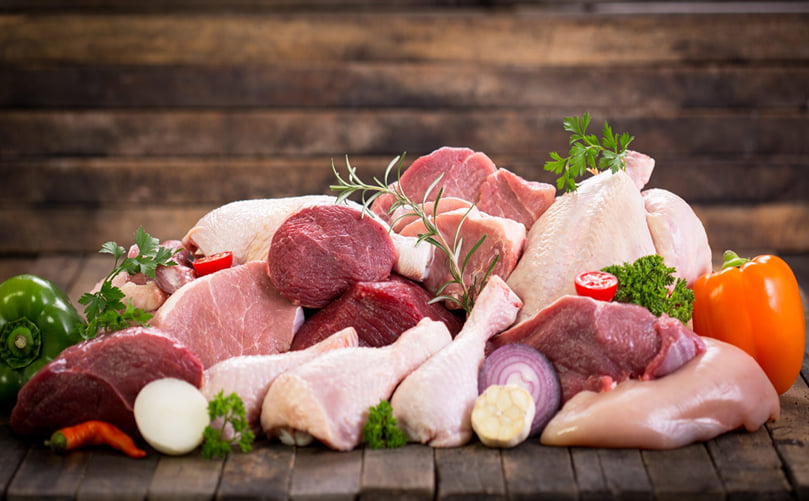
From Farm to Fork: Major Types of Meat
Nutritional Composition and Health Significance of Meat
Meat possesses a highly favorable nutritional profile, primarily due to its role as a rich source of high-quality protein. It supplies all nine essential amino acids histidine, isoleucine, leucine, lysine, methionine, phenylalanine, threonine, tryptophan and valine in proportions that closely match human physiological requirements. Protein digestibility scores for meat often exceed 90%, reflecting its excellent bioavailability. On average, meat contains approximately 19–23% protein by weight, a composition similar to that of human skeletal muscle.
This makes meat particularly effective in supporting muscle growth and repair, enzyme and hormone synthesis and immune function. Thermal processing, such as cooking at around 90 °C for 30 minutes, can improve protein digestibility, while processes like fermentation and aging may generate bioactive peptides with antihypertensive and antioxidant properties. In addition to intact proteins, meat provides physiologically important compounds such as creatine (energy metabolism), carnosine (antioxidant and buffering capacity), taurine (cardiovascular and neurological support) and hydroxyproline (collagen synthesis), making it especially beneficial for athletes and older adults in preventing or mitigating sarcopenia.
Meat is also an excellent source of essential micronutrients, many of which are present in highly bioavailable forms. It supplies heme iron, with an absorption rate of approximately 15–35%, compared to 2–20% for non-heme iron from plant sources, playing a critical role in oxygen transport and anemia prevention. Zinc, essential for immune function and enzymatic activity, contributes roughly 33–52% of daily requirements. Meat is the primary dietary source of vitamin B₁₂, which is absent from plant foods and vital for neurological function and red blood cell formation, typically providing 35–38% of recommended intake.
Other important micronutrients include selenium (25–28%, antioxidant defense), phosphorus (15–38%, bone and energy metabolism) and B-complex vitamins such as niacin, vitamin B₆ and riboflavin (17–33%). Additional nutrients present include vitamin A (up to 40%), vitamin D (around 16%) and choline, which supports cell membrane integrity and brain function. Nutrient distribution varies among meat types: red meats such as beef are particularly rich in iron and zinc, whereas poultry tends to provide higher levels of niacin. Aging and maturation processes may further concentrate certain nutrients.
The fat composition of meat varies by species, cut and feeding system. On average, meat fat consists of approximately 40% saturated fatty acids, about 50% monounsaturated fatty acids and around 4–5% polyunsaturated fatty acids. Ruminant meats also contain beneficial fatty acids such as conjugated linoleic acid (CLA) and vaccenic acid. Intramuscular fat content can range from as low as 2.5% in lean cuts to much higher levels in well marbled meat, influencing both flavor and tenderness. Although saturated fats from meat may contribute up to half of the recommended intake, current evidence suggests a neutral health effect when consumed in moderation as part of a balanced diet. Moreover, animal feeding practices, such as grass-based diets can increase the omega-3 fatty acid content of meat.
Meat is naturally low in carbohydrates (approximately 1.2%) and contains no dietary fiber, yet it is a significant source of dietary energy, providing roughly 150–250 kcal per 100 g depending on the type and fat content. Its high satiety value is largely attributed to protein, which promotes greater fullness than carbohydrates or fats, enhances thermogenesis and supports appetite regulation through hormonal mechanisms such as increased glucagon like peptide-1 (GLP-1). Overall, meat can be regarded as a nutrient dense food that plays a valuable role in human nutrition, although optimal health outcomes are best achieved when meat consumption is balanced with a diverse intake of plant-based foods.
Health Implications of Meat Consumption
Moderate meat consumption, commonly defined as one to three servings per week (approximately 70–210 g of cooked meat), is associated with several health benefits, as supported by systematic reviews and meta-analysis. Meat provides highly bioavailable nutrients essential for normal physiological function, particularly heme iron, which plays a critical role in preventing iron deficiency anemia. This is especially important for populations with elevated requirements, such as menstruating women, growing children and adolescents. Evidence also suggests that moderate meat intake supports cognitive function through its contribution of vitamin B₁₂, which is essential for neurological health and for reducing elevated homocysteine levels that are associated with cognitive decline and dementia.
In addition, meat supplies complete, high-quality protein that supports muscle maintenance and repair, improves physical performance and reduces frailty in older adults. Several systematic reviews indicate that moderate red meat consumption can lower the risk of certain micronutrient deficiencies without significantly increasing the risk of chronic diseases when consumed as part of a balanced diet rich in fruits, vegetables, legumes and whole grains. Randomized controlled trials further demonstrate that meat-based meals enhance satiety, which may aid weight management by reducing total energy intake compared with diets high in refined carbohydrates.
In contrast, excessive consumption of red and processed meats generally defined as more than 500 g per week of cooked red meat or the daily intake of processed meat is consistently associated with adverse health outcomes. Meta analysis has linked high intake to an increased risk of colorectal cancer, with risk estimates rising by approximately 17% per 100 g of red meat consumed daily. Elevated risks have also been observed for cardiovascular diseases, including ischemic heart disease and stroke, as well as for type 2 diabetes, with processed meat intake associated with up to a 23% higher risk per 50 g consumed daily.
These associations are attributed to multiple mechanisms, including the pro-oxidative effects of heme iron, increased intake of saturated fats leading to higher LDL cholesterol levels and the formation of potentially carcinogenic nitrosamines from nitrates and nitrites used in meat processing. Accordingly, the World Health Organization classifies processed meats as Group 1 carcinogens and red meats as Group 2A (probably carcinogenic), based on consistent evidence from large epidemiological studies. Dose response analyses indicate that health risks increase with greater intake, although associations for unprocessed red meat are generally weaker and limited to marginal links with conditions such as breast cancer and type 2 diabetes. Importantly, risk levels may be influenced by cooking methods, with high temperature techniques increasing the formation of heterocyclic amines and polycyclic aromatic hydrocarbons.
Within balanced dietary patterns, meat can play a targeted and beneficial role for specific population groups. For athletes, meat provides leucine rich proteins that stimulate muscle protein synthesis following exercise, supporting recovery and performance; narrative and intervention studies often demonstrate superior bioavailability compared with many plant-based protein sources in resistance training contexts. Older adults benefit from the zinc, vitamin B₁₂ and high-quality protein in meat, which help counteract sarcopenia, support bone health and reduce frailty, particularly when consumed at one to two servings per day.
In children, meat contributes critical nutrients such as iron and protein that support physical growth and cognitive development, reducing the risk of stunting and developmental delays in regions where diets are predominantly plant-based and non heme iron absorption is limited. Overall, moderate meat inclusion within dietary patterns such as the Mediterranean diet can enhance nutritional adequacy while minimizing health risks.
Health-focused dietary guidance emphasizes choosing lean meat cuts, such as sirloin, tenderloin and skinless poultry, to limit saturated fat intake to below 10% of total energy intake. Portion control typically 85–113 g (3–4 oz) per serving aligns with international dietary recommendations and helps balance benefits against potential risks. Organizations such as the American Heart Association further advise trimming visible fat, avoiding excessive processing and combining meat with fiber rich foods such as vegetables, legumes and whole grains to support overall cardiometabolic health.
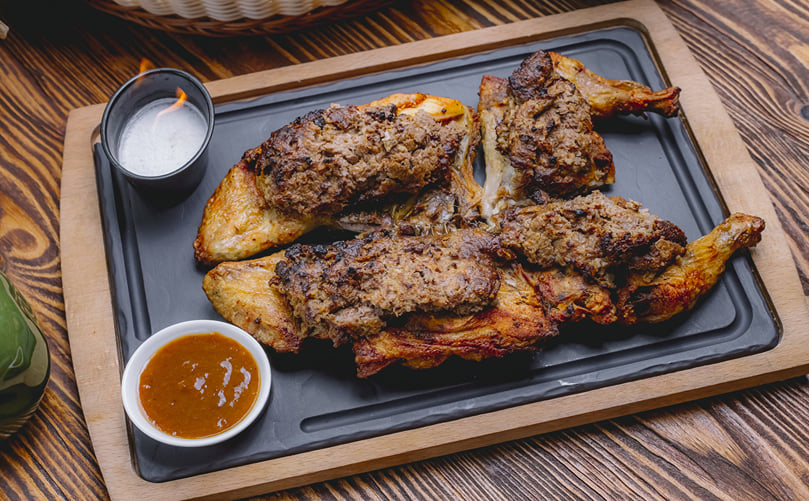
Savory Meat Snacks: Protein-Packed and Delicious
Global Meat Consumption Trends and Market Outlook
Global meat consumption continues a steady upward trajectory, with total consumption reaching approximately 453 million tonnes in 2025 and projected to grow through 2040. This growth is driven by population increases, rising incomes and urbanization in developing regions. However, growth in animal protein production is expected to slow in 2026, with seafood and poultry leading expansions, while beef and pork face contractions due to supply constraints and shifting consumer preferences.
Regional consumption patterns show significant variation. The United States has experienced a 10% rise in per capita meat consumption since 2010, contrasting with a nearly 19% decline in Europe. Asia demonstrates strong growth, including a 122% increase in Vietnam and notable gains in India. Per capita meat availability in the U.S. is forecast to reach 227 pounds for red meat and poultry by 2026, reflecting dietary shifts toward protein rich foods amid trends such as low carbohydrate diets. Over the next decade, global meat consumption is anticipated to grow by 47.9 million tonnes, with annual per capita increases of 0.9 kg, though environmental and health concerns may temper growth in developed markets.
Key producing and consuming regions highlight geographic disparities in the meat industry. China leads global production with over 92 million tonnes, followed by the United States (47 million tonnes), Brazil (30 million tonnes) and Russia (12 million tonnes), covering various meats including pork, poultry, and beef. In beef production specifically, Brazil surpassed the U.S. in 2025 with 11.85 million tonnes, driven by increased productivity and exports.
China, the EU and India round out the top producers. On the consumption side, Argentina has the highest per capita beef intake at 39.9 kg annually, while the EU-27 and China dominate pork consumption. Asia remains a major demand driver, with China as the world’s largest meat importer, fueled by population size and rising middle class preferences for diverse proteins. Emerging exporters, including Argentina, Australia, India, Thailand and Turkiye, are poised for significant growth due to competitive costs and expanding trade networks.
Price dynamics in the meat sector are influenced by supply shortages, input costs and global trade factors, leading to volatility. In the U.S., beef and veal prices are projected to increase by 11.6% in 2025, with continued upward pressure into 2026 due to a shrinking cattle herd the smallest in decades and a 6.1% reduction in slaughter rates. Pork prices show moderate rises (0.2% in recent data), while poultry remains relatively stable amid increased output and lower feed costs.
Supply chains face disruptions from droughts, elevated feed prices and tariffs, prompting a 28% surge in U.S. beef imports in 2025 to offset domestic shortages. Over the medium term, real meat prices are expected to decline, supported by productivity gains, reduced feed expenses and slowing demand in some regions. These dynamics underscore the need for resilient supply chains, including expanded cold chain logistics and diversification to mitigate climate and trade related risks.
Future growth drivers in the meat industry include a mix of traditional and innovative factors. Rising disposable incomes, urbanization and demand for high protein diets are propelling expansion in emerging markets and among health-conscious consumers. Sustainability is evolving from a differentiator to a core expectation, encouraging eco-friendly practices and transparent sourcing to meet consumer and regulatory pressures. Health trends are positioning meat and dairy as "food as medicine," with protein supporting wellness, alongside surges in dairy production and convenient meal options. The emergence of a global middle class in developing regions sustains strong demand for red meat, supporting export growth despite overall production slowdowns.
Alternative proteins are also set to grow. Plant-based meat alternatives are projected to reach USD 23.35 billion by 2034, with a 12.3% CAGR, while cultivated meat is gaining traction due to technological advances, animal welfare concerns and environmental sustainability, potentially capturing larger market shares by 2035. Innovations in packaging, supply chain diversification and beef on dairy programs are expected to mitigate production constraints further, fostering resilience amid elevated prices and market volatility.
Meat Production Systems: Efficiency, Ethics and Environmental Impact
Conventional (Intensive) Livestock Farming: Conventional livestock farming, also referred to as intensive or factory farming, relies on high-density confinement systems to maximize productivity and efficiency. Animals are housed in controlled environments such as feedlots or enclosed barns and are fed concentrated, grain-based diets to promote rapid growth. Antibiotics are commonly used for disease prevention and growth promotion, depending on regional regulations.
This production system significantly lowers costs through economies of scale, enabling year-round meat supply and lower consumer prices. However, it is associated with substantial environmental impacts. Livestock production contributes approximately 14.5% of global greenhouse gas emissions, largely due to manure management and enteric fermentation. Additional concerns include soil erosion resulting from monoculture feed crop production and water pollution caused by nutrient runoff, which leads to eutrophication of aquatic ecosystems.
From a social perspective, intensive systems raise concerns regarding rural community health, particularly due to odors, air pollution and waste disposal challenges. At the same time, they provide significant employment opportunities across processing, transportation and distribution sectors.
Free Range and Organic Meat Production: Free range and organic meat production systems emphasize animal mobility, welfare and natural behavior. Free range systems allow animals outdoor access for grazing and foraging, while organic production prohibits the use of synthetic pesticides, genetically modified organisms (GMOs) and routine antibiotics in animal feed.
These systems offer several advantages, including improved meat quality, often characterized by higher omega-3 fatty acids and antioxidant content and enhanced biodiversity achieved through rotational grazing practices. Public health benefits include a reduced risk of antibiotic resistance. Consumers widely perceive free range and organic meat as more ethical and flavorful, allowing producers to charge premium prices.
Despite these benefits, disadvantages remain. Free range and organic systems require up to 49% more land compared to conventional systems, increase exposure to predators and extreme weather and may lead to higher parasite loads, necessitating vigilant health management. Production costs are higher, resulting in 20–50% higher consumer prices. Although emissions per animal may be lower, the total environmental footprint can increase due to slower growth rates and longer production cycles.
Grass-Fed and Grain-Fed Meat Production Systems: Grass fed animals are raised on pasture-based diets throughout their lives, whereas grain fed animals are typically finished on concentrated feeds in feedlots to accelerate weight gain and enhance marbling.
Nutritionally, grass fed meat contains 2–4 times higher omega-3 fatty acids, increased levels of conjugated linoleic acid (CLA) with potential anti-inflammatory properties and higher concentrations of antioxidants such as vitamin E. However, grass fed meat is generally leaner and sometimes tougher. Grain fed meat provides consistent marbling and tenderness but has lower nutrient diversity and relies heavily on monoculture feed crops, contributing to deforestation and environmental degradation.
From an environmental standpoint, grass-fed systems support soil health, carbon sequestration and biodiversity. However, they require more land and water and may emit more methane per animal due to longer lifespans. Holistic grazing management can help mitigate these emissions and improve sustainability outcomes.
Animal Welfare Considerations Across Systems: Animal welfare outcomes vary widely across meat production systems. Conventional intensive farming is often criticized for restricted movement, high stocking densities and confinement related stress, which can lead to injuries and abnormal behaviors, such as tail biting in pigs and feather pecking in poultry.
Regulatory frameworks such as the Humane Slaughter Act mandate humane stunning prior to slaughter to minimize pain, although levels of enforcement and compliance vary across regions. Free range and organic systems generally improve animal welfare by providing greater space, environmental enrichment and opportunities for natural behaviors, which also reduces reliance on antibiotics. Nonetheless, welfare challenges such as predation, disease exposure and climatic stress remain.
Animal welfare is closely linked to sustainability, as stressed animals exhibit lower efficiency and productivity. Growing ethical awareness among consumers is accelerating demand for certified humane and welfare assured meat products, influencing market trends and production practices.
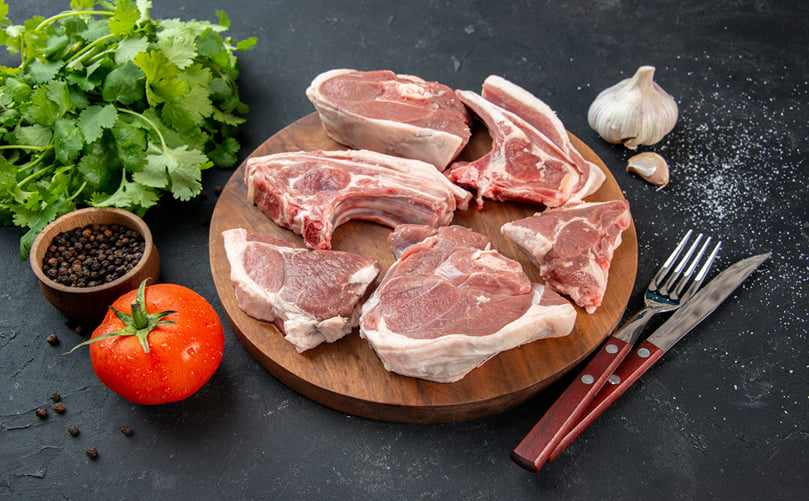
Meat Through Time: From Human Evolution to Modern Diets
Meat Processing and Preservation: From Slaughter to Safe Storage
Slaughtering and Primary Processing: Meat processing begins with pre slaughter handling, which aims to minimize animal stress, as stress directly affects meat quality by influencing post-mortem pH decline, tenderness, color and water holding capacity. Animals are rendered unconscious through stunning methods such as captive bolt (commonly used for cattle), electrical stunning (poultry and pigs) or gas stunning (pigs and poultry), ensuring humane treatment. Stunning is immediately followed by bleeding (exsanguination) to remove blood, which helps delay spoilage and improves meat appearance and shelf life.
Primary processing includes skinning or defeathering, evisceration (removal of internal organs) and carcass splitting into halves or quarters. At this stage, veterinary inspection is conducted to detect diseases and ensure food safety. Hygiene-focused techniques such as hot water scalding in poultry and hide removal in beef reduce microbial contamination. Modern slaughterhouses employ automated processing lines for speed and efficiency, while manual inspection and oversight ensure precision, hygiene and regulatory compliance.
Secondary Processing: Secondary processing focuses on improving flavor, texture, appearance and shelf life of meat products.
- Curing involves the application of salt, nitrates or nitrites and sugars through dry rubbing or wet brining (immersion in curing solutions). This process inhibits microbial growth, enhances flavor and develops the characteristic pink color of cured products such as ham and bacon.
- Smoking exposes meat to wood smoke in controlled chambers. Cold smoking (20–30 °C) primarily adds flavor, while hot smoking (60–80 °C) both flavors and partially cooks the meat. Smoke contains phenolic compounds and antioxidants that provide antimicrobial effects and improve shelf stability.
- Marination uses acidic ingredients (such as vinegar or citrus juices) or enzymatic tenderizers (e.g., papaya or pineapple enzymes), combined with herbs, spices and oils. Marination promotes protein denaturation, improves tenderness and juiciness and can reduce surface pathogens. Typical marination times range from 30 minutes to 24 hours, depending on the product.
Meat Preservation Methods: Preservation techniques are designed to extend shelf life while maintaining nutritional and sensory quality.
- Chilling at 0–4 °C slows microbial growth and enzymatic activity, making it suitable for short-term storage of fresh meat, typically up to 7 days, depending on species and cut.
- Freezing at −18 °C or below effectively halts microbial activity by forming ice crystals within tissues, allowing storage for several months with minimal nutrient loss. However, slow freezing can cause drip loss upon thawing, which can be minimized through rapid or blast freezing.
- Drying removes moisture to inhibit microbial growth and includes methods such as air-drying, freeze drying and hot air dehydration (50–70 °C). Dried meat products like jerky have extended shelf life under proper storage conditions, though drying concentrates flavors and may require rehydration before consumption.
Food Safety and Hygiene Standards: Food safety in meat processing is governed by strict regulatory frameworks, most notably HACCP (Hazard Analysis and Critical Control Points), which identifies and controls biological, chemical and physical hazards throughout the supply chain from farm to fork.
Essential hygiene practices include handwashing, equipment and surface sanitization, temperature monitoring to avoid the 4–60 °C danger zone and strict prevention of cross contamination through the use of separate tools and areas for raw and cooked products. Regulatory agencies such as the USDA and FDA enforce meat inspection, residue limits for veterinary drugs and antibiotics and product traceability. Non-compliance can result in product recalls and market withdrawal.
For international trade, global standards such as ISO 22000 integrate food safety management systems with HACCP principles, ensuring consistency, safety and consumer confidence across borders.

Ensuring Safety and Quality: The Meat Journey
Quality Parameters of Meat: Indicators of Freshness, Safety and Eating Quality
Meat quality is evaluated through a combination of sensory, physical, chemical and microbiological attributes that determine its appeal, safety and suitability for consumption. These parameters are interconnected and are influenced by animal genetics, pre slaughter handling, postmortem biochemical changes and storage conditions.
Color: Color is a primary indicator of freshness and consumer acceptance. Fresh beef should exhibit a bright cherry red color due to the presence of oxymyoglobin, while pork appears pinkish and poultry ranges from pale pink to white. Discoloration to brown or green hues indicates metmyoglobin formation caused by oxidation, which is often accelerated by light exposure, temperature fluctuations or bacterial activity.
Texture: Texture refers to the structural feel of meat and is ideally firm yet yielding, with a fine muscle grain and minimal visible connective tissue. Coarse texture may result from older animals or from rapid chilling, which can cause cold shortening and negatively affect tenderness.
Water Holding Capacity (WHC): Water holding capacity measures meats ability to retain moisture during processing, cooking and storage, directly influencing juiciness and yield. High WHC is associated with pH levels between 5.5 and 6.0, where muscle proteins effectively bind water, thereby reducing drip loss and economic waste. Practices such as phosphate addition and proper aging enhance WHC. In contrast, low pH caused by stress induced glycogen depletion leads to quality defects such as pale, soft, exudative (PSE) meat in pork and dark, firm, dry (DFD) meat in beef.
Tenderness: Tenderness is a critical palatability attribute determined by muscle fiber structure, connective tissue content and postmortem proteolysis. Tenderness improves with aging, as enzymes such as calpains degrade myofibrillar proteins. Objective measurement is commonly performed using the Warner Bratzler shear force test, where values below 4.5 kg are considered indicative of tender meat.
Marbling: Marbling refers to visible intramuscular fat deposits that enhance tenderness by lubricating muscle fibers during cooking and contributing to juiciness. Higher marbling scores, such as USDA Prime, are associated with premium quality meat, although excessive marbling can result in greasiness.
Flavor: Flavor development arises from amino acids, sugars and fats reacting during cooking, particularly through Maillard browning reactions at 140–165 °C, which generate savory and umami volatile compounds. Aging intensifies flavor by concentrating flavor precursors through moisture loss and lipid oxidation. Dry aging (typically 21–35 days at 0–3 °C) produces nutty, beefy flavor profiles through controlled microbial activity, while wet aging in vacuum packaging results in more subtle flavor enhancement.
Shelf Life and Spoilage Indicators: Shelf life is governed by microbial stability, oxidation and enzymatic activity. Fresh ground meat typically has a shelf life of 3–5 days under refrigeration, whereas whole muscle cuts can last several weeks. Spoilage indicators include off odors (sour or putrid, often caused by lactic acid bacteria or Pseudomonas), slime formation, pH increases above 6.0 and color changes. Rapid postmortem chilling is essential to limit the growth of pathogens such as Salmonella and Escherichia coli.
Advanced Quality Assessment Technologies: Modern non-destructive technologies, including hyperspectral imaging and ultrasound, are increasingly used to assess meat quality in real time, supporting efficient and accurate quality control systems in meat processing operations.
Meat in Culinary Applications: Techniques, Traditions and Flavor Development
Versatility of Meat in Cooking: Meats versatility in culinary applications stems from its ability to absorb flavors, provide textural contrast and serve as a protein centerpiece or supporting ingredient across global cuisines.
Dry-Heat Cooking Methods: Common cooking methods include dry heat techniques such as grilling, which imparts a smoky char through direct high heat (200–300 °C) and is ideal for steaks or kebabs. Grilling promotes Maillard reactions, creating browned exteriors while retaining juices. Roasting in ovens at 150–220 °C suits larger cuts such as roasts, allowing even cooking and fat rendering for self-basting.
Moist-Heat and Combination Cooking Methods: Moist heat methods such as stewing involve slow simmering in liquids at 80–100 °C to tenderize tougher cuts through collagen breakdown into gelatin, as seen in braises or curries. Frying includes pan frying for quick searing or deep-frying for crispy coatings, with temperatures around 160–190 °C to minimize oil absorption. Combination methods, such as searing followed by braising, optimize both flavor and tenderness.
Traditional and Regional Culinary Applications: Traditional and regional dishes showcase cultural adaptations of meat preparation. In the Middle East, lamb kebabs marinated in yogurt and spices are grilled. Italian cuisine features osso buco, in which veal shanks are braised with vegetables. Asian stir fries quickly cook thinly sliced beef or pork with soy-based sauces. American barbecue slow smokes ribs with spice rubs. Indian tandoori chicken is roasted in clay ovens after spice yogurt marination. Cuban ropa vieja involves shredded stewed beef cooked with peppers and tomatoes, while Vietnamese lemongrass pork chops are grilled after aromatic infusions.
Meat in Ready-to-Eat and Convenience Foods: Meat is widely incorporated into ready to eat foods as a convenient and flavorful component, appearing in sandwiches such as deli ham or roast beef, pizzas topped with pepperoni or sausage, salads with grilled chicken strips and snacks like jerky and meat sticks. These formats emphasize quick preparation, portion control and enhanced shelf life through processing, catering to on-the-go lifestyles while maintaining nutritional value.
Role of Marinades, Spices, Sauces and Herbs: The role of marinades, spices and sauces is pivotal in elevating meat’s culinary profile. Marinades, often acidic (vinegar, citrus) or enzymatic (pineapple, papaya), tenderize meat through protein denaturation and infuse flavor over 30 minutes to 24 hours, often including oils for moisture retention. Spices such as cumin, paprika or garam masala add aromatic depth and may be applied as dry rubs or wet mixtures.
Sauces, ranging from tangy barbecue sauces with tomato vinegar bases to creamy bearnaise made from butter emulsions, complement meat by balancing richness, adding acidity or heat and preventing dryness during cooking. Herbs such as rosemary or thyme provide freshness, particularly in Mediterranean or French styles, while global fusion cuisines incorporate elements such as Asian soy ginger glazes.
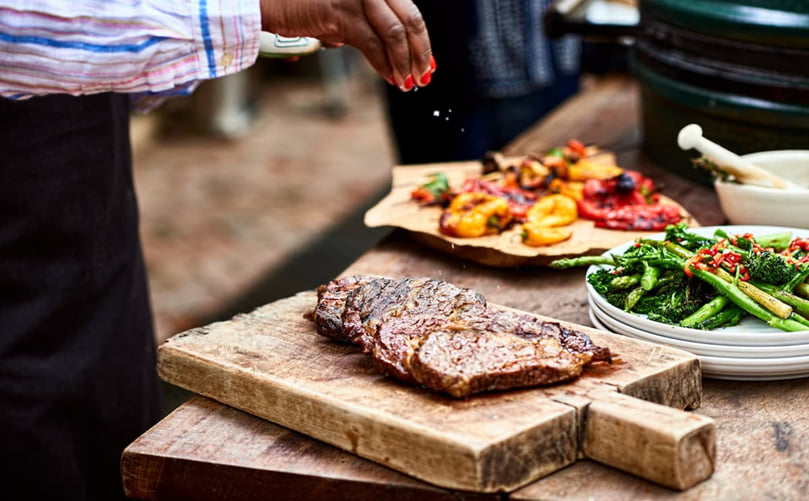
Meat on the Menu: From Preparation to Plate
Consumer Trends and Preferences in Meat Consumption
Consumer trends in meat consumption reflect evolving priorities related to health, convenience, ethics and sustainability, driving preferences for products that align with modern lifestyle demands. There is a rising demand for lean meats, such as skinless poultry or trimmed beef cuts, driven by health consciousness aimed at reducing saturated fat intake while maintaining protein benefits. This shift is evident in increased sales of low-fat options and grass-fed varieties, which are richer in omega-3 fatty acids.
Clean-label meats, free from artificial additives, preservatives or GMOs, appeal to consumers seeking natural and minimally processed foods. Transparent ingredient lists foster consumer trust and often commands premium pricing. Convenience foods and ready to cook formats, including pre-marinated portions, meal kits and heat and eat products such as sausages or patties, cater to busy households by reducing preparation time while preserving flavor and nutritional value. This segment continues to grow, particularly among urban populations and working professionals.
Traceability and transparency are increasingly important, with consumers willing to pay 10–100% price premiums for products featuring QR codes, blockchain based tracking or certifications that detail product origin, farming practices and supply chain ethics. These features address rising concerns about food safety, sustainability and animal welfare.
Premium, artisanal and specialty meats represent a niche yet expanding market segment. This includes products from heritage breeds, dry-aged cuts and exotic meats such as Wagyu or Iberico, which are valued for superior flavor, marbling and craftsmanship. These products are often sourced from small scale producers who emphasize sustainable and humane production methods. Additionally, ethnic and global food influences are driving demand for diverse offerings such as chorizo or halal certified products, reflecting increasingly multicultural consumer preferences.
Overall, consumer trends in meat consumption reflect a balance between indulgence and responsibility, shaped by rising incomes, increased health awareness and growing environmental consciousness. However, higher costs associated with premium and ethically produced meats may limit accessibility for some consumers.
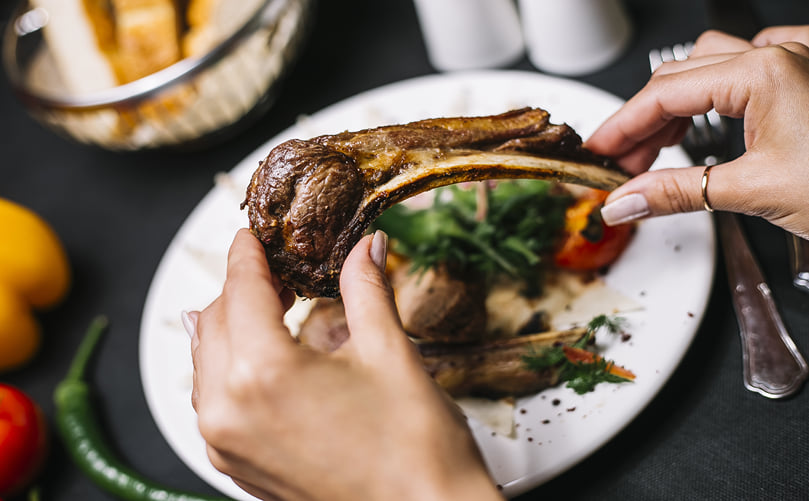
Modern Meat Choices: Health, Convenience, and Ethics
Environmental Footprint of Meat Production: Sustainability Challenges and Mitigation Pathways
Meat production contributes significantly to greenhouse gas (GHG) emissions, accounting for approximately 14–18% of global anthropogenic emissions, including about 32% of global methane emissions, primarily from enteric fermentation in ruminants such as cattle and manure management. Overall, food systems contribute roughly 26% of global GHG emissions, with livestock representing a dominant share due to feed production, deforestation for pasture expansion and direct animal emissions.
Beef production is particularly emission intensive, generating 8–10 times more emissions than chicken and up to 50 times more than plant-based protein sources, largely because of longer animal lifespans and higher feed requirements. Methane emissions from cattle and sheep have a strong short term warming impact, while nitrous oxide emissions from manure are approximately 296 times more potent than CO₂, further exacerbating climate change.
Resource use in livestock systems is extensive. Large areas of land are required, often driving deforestation in regions such as the Amazon, which contributes to biodiversity loss. Conventional livestock farming also results in water and air pollution, as nutrient runoff from manure and fertilizers leads to eutrophication and dead zones in aquatic ecosystems.
The water footprint of meat production is substantial. Beef production can require up to 15,000 liters of water per kilogram, due to irrigation for feed crops such as soy and corn, along with direct animal consumption and processing requirements. This high demand places pressure on freshwater resources, particularly in arid and water stressed regions, contributing to water scarcity that affects billions of people globally. Pork and poultry have comparatively lower water footprints, at approximately 6,000 liters/kg and 4,000 liters/kg respectively; however, animal agriculture as a whole account for about 29% of global agricultural water use.
Waste reduction strategies help mitigate environmental impacts by utilizing by products such as bones for gelatin, hides for leather and offal for pet food or fertilizers. These practices can offset emissions equivalent to removing more than 12 million cars from the road annually by diverting waste from landfills. Rendering processes convert inedible animal parts into valuable products, supporting circular economy principles and reducing overall environmental burden. Sustainable livestock practices offer important mitigation pathways.
Techniques such as rotational grazing can enhance soil carbon sequestration, while improved feed efficiency can reduce methane emissions by up to 30%. Integrated crop livestock systems promote biodiversity and nutrient cycling. Technologies such as anaerobic digesters for manure management can reduce U.S. beef sector emissions by 8–30%. Additionally, shifting consumption toward lower impact meats or reducing overall meat intake aligns with healthier, lower carbon dietary patterns.
Nevertheless, trade-offs exist. Animal welfare focused systems, such as free-range production, may increase land use requirements. However, balanced and integrated approaches can significantly reduce environmental impacts while maintaining productivity and food security.
The Future of Meat: Alternative Proteins and Next-Generation Innovation
Plant-based meat alternatives are derived from proteins such as soy, peas, wheat or fungi and are engineered to mimic the texture, flavor and nutritional profile of animal meat through processes like extrusion and texturization. Products such as burgers from Beyond Meat and Impossible Foods use heme like compounds (e.g., leghemoglobin) to create a “bleeding” effect and incorporate plant-based fats to enhance juiciness. These alternatives offer significantly lower environmental impacts, often generating 80–90% fewer greenhouse gas emissions than beef. However, challenges remain, including improving sensory attributes such as umami flavor and addressing nutritional gaps, particularly lower bioavailable iron, although fortification strategies help mitigate these issues.
Cultured or lab grown meat involves harvesting animal stem cells, proliferating them in bioreactors using nutrient media (serum-based or serum-free) and applying scaffolding techniques to form structured tissues such as steaks. This approach eliminates animal slaughter, reduces land use by up to 99% and lowers emissions by 78–96% compared to conventional beef production. Despite these advantages, largescale commercialization depends on reducing the cost of growth media and improving energy efficiency. Companies such as Upside Foods and Mosa Meat are leading commercialization efforts, with products approved in select markets and an emphasis on hybrid formats to improve consumer acceptance.
Hybrid meat products combine animal cells with plant or fungal based proteins, enhancing sustainability by reducing overall animal content while improving taste, nutrition and affordability. Examples include formulations using 50% cultivated fat within plant protein matrices, which can reduce costs by 20–50% compared to fully cultured meat. These blends may also incorporate insect or microbial proteins, serving as a transitional solution that appeals to flexitarian consumers while significantly lowering emissions.
Technological innovation continues to drive the sector, with advancements such as 3D bioprinting enabling customized textures and shapes, precision fermentation producing animal-free proteins like casein and AI driven formulation optimization to improve scalability and efficiency. Future projections suggest that alternative proteins could capture 10–20% of the global protein market by 2030, supported by regulatory approvals, technological maturation and growing consumer preference for ethical, sustainable food systems.
Regulatory and Safety Framework for Meat
Meat inspection involves mandatory federal oversight by agencies such as the USDA’s Food Safety and Inspection Service (FSIS). This includes ante mortem and post-mortem examinations to detect diseases, contaminants and ensure humane handling under the Humane Methods of Slaughter Act. Quality regulations enforce standards for grading (e.g., USDA Prime based on marbling), pathogen testing (e.g., Salmonella, E. coli) and the implementation of HACCP systems to identify hazards throughout the supply chain. Poultry and egg products follow similar protocols under the Poultry Products Inspection Act, with continuous inspector presence in processing plants.
Labeling requirements mandate accurate product names, net weight, ingredient lists, allergen declarations and safe handling instructions. The FSIS reviews and approves all claims to prevent misleading information. Terms such as “organic” require at least 95% organic ingredients, with no synthetic hormones or antibiotics, verified by the USDA. Claims like “no antibiotics added” demand documented evidence proving no antibiotic use during raising. The label “Product of USA” is restricted to animals born, raised and processed domestically, following recent amendments.
Concerns around antibiotics and hormones focus on residue and antimicrobial resistance. The U.S. allows the use of growth hormones in beef (unlike the EU, which bans them) but requires withdrawal periods and testing. Poultry production prohibits hormones with voluntary “no hormones” labels allowed. Antibiotic use is regulated to prevent overuse and claims such as “raised without antibiotics” require substantiation. International differences, such as the EU’s stricter welfare and residue limits, highlight global regulatory variations.
International trade standards are harmonized through the Codex Alimentarius, which provides guidelines for food safety and labeling, facilitating WTO compliant exports. However, country specific regulations, such as the EU hormone ban, may create trade barriers. Programs like Country-of-Origin Labeling (COOL) enhance transparency in global supply chains. Regulatory frameworks continue to evolve to address emerging issues, including labeling and safety standards for cell cultured meats.


