

Pork Rinds: From Traditional Chicharrones to a Modern High Protein Snack
Pork rinds, known around the world as chicharrones, cracklings, or pork scratchings are crispy snacks made from the skin of pigs that is fried, baked, or puffed until light and crunchy. During cooking, high temperatures rapidly drive moisture out of the skin, creating tiny air pockets that produce the characteristic bubbly, puffed appearance and light, airy texture. The result is a satisfying crunch often compared to popcorn, although pork rinds are denser and more substantial.
Flavor-wise, pork rinds are naturally savory and meaty, with a subtle roasted pork flavor and a rich umami taste. Plain salted varieties are often described as tasting like concentrated bacon without the smokiness. Today, consumers can choose from a wide range of seasonings, including tangy vinegar, smoky barbecue, spicy chili, jalapeño and hot sauce, all of which enhance the natural pork flavor without overpowering it.
Although pork rinds have been enjoyed for generations, they have become increasingly popular in recent years as a keto-friendly, low-carbohydrate snack. They contain virtually no carbohydrates, are naturally high in protein, and typically provide up to 9 g of protein per 28 g (1 oz) serving. Depending on the manufacturing process, pork rinds contain 50–80% protein by weight, making them one of the highest-protein savory snack foods available. They also contain fats, including oleic acid, the same monounsaturated fatty acid found in olive oil. In the United States, pork rind sales have increased by more than 20% over the past two decades, largely driven by the growing popularity of Atkins, paleo and ketogenic diets. As a result, pork rinds have emerged as a compelling alternative to carbohydrate-rich chips and crackers.
The appeal of pork rinds extends well beyond North America. In Latin America, particularly Mexico, chicharrones are a popular street food often served with lime, salsa or tortillas. In the United Kingdom, pork scratchings have long been a traditional pub snack enjoyed with beer, while in Asia, especially in the Philippines, chicharon remains a favorite crunchy snack and an ingredient in many local dishes. This widespread popularity continues to support market growth, with the global pork rind industry projected to reach USD 6.7 billion by 2033. Manufacturers are also expanding the category with innovative flavors, premium products and even plant-based alternatives inspired by traditional pork rinds.
One of the reasons pork rinds continue to attract consumers is their versatility. They can be enjoyed straight from the bag, crushed into a keto-friendly breading for chicken, fish, or vegetables, or sprinkled over salads and soups to add extra crunch. Besides being naturally gluten-free, pork rinds are a source of collagen-derived protein and fit well into many low-carbohydrate eating plans. They also carry deep cultural significance, reflecting the traditional nose-to-tail approach to using every part of the animal and minimizing food waste. In a market increasingly dominated by ultra-processed snacks, pork rinds stand out as a simple, protein-rich option that combines tradition, convenience, and bold flavor without sacrificing versatility.
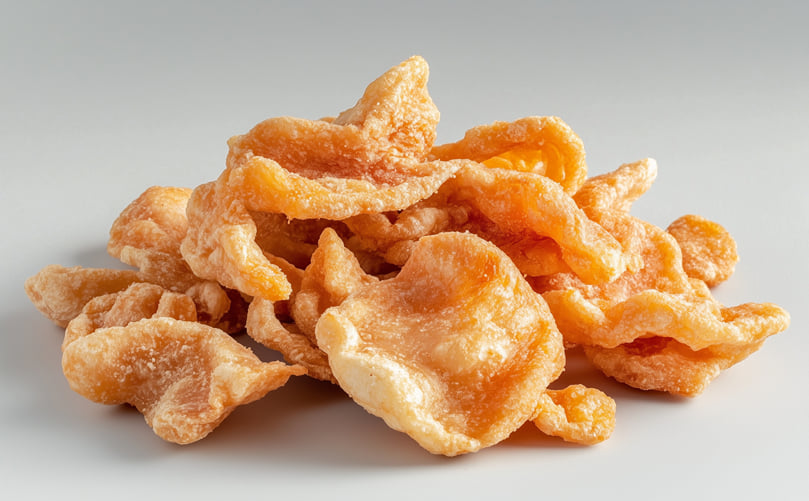
Golden Crunch: From Pig Skin to Protein-Packed Snack
History and Origin of Pork Rinds: From Ancient Preservation to Global Staple
Pork rinds originated as an ancient food preservation method, dating back thousands of years to early civilizations where pig skin was dried, boiled or fried to extend shelf life and ensure that every part of the animal was used especially during periods of scarcity. In pre-industrial societies, pork rinds emerged as a byproduct of lard rendering, when animal fats were essential cooking oils long before vegetable oils became widely available. Archaeological evidence suggests their consumption in Europe and Asia since antiquity, with early communities mastering the technique of transforming tough pig skin into edible, crispy snacks by rendering it in hot fat.
Over time, pork rinds evolved regionally, reflecting diverse cultural adaptations:
United States (Cracklings or Pork Rinds): In the U.S., pork rinds are deeply rooted in Southern food traditions, particularly during “hog-killing time” from Thanksgiving to Christmas. During this period, excess fat and scraps were rendered in large pots to avoid waste. Cajun cracklins from Louisiana often include shoulder meat, resulting in a denser, meatier snack a style influenced by Spanish settlers in the 16th century. By the 20th century, pork rinds transitioned into a commercial product, experiencing significant growth after World War II with the introduction of packaged, shelf stable varieties.
Latin America (Chicharrones): Chicharrones are believed to have originated in Spain between the 1500s and 1700s and were introduced to the Americas by explorers and colonists. In countries such as Mexico and Colombia, chicharrones appear in multiple forms, including puffed pork skin (such as chicharrón prensado) or versions containing meat and fat. They are commonly sold as street food and served with lime, chili or salsa. In Colombia, some preparations involve “exploding” the skin during frying to achieve an extra crunchy texture.
Europe (Pork Scratchings in the U.K.): In the United Kingdom, pork scratchings emerged in the 1800s, particularly in the Black Country (West Midlands), as a working class staple. Home raised pigs were fully utilized in an era marked by industrialization, soot covered cities and economic hardship. By the 1930s, butchers began selling pork scratchings hot or cold and they eventually became a classic pub snack. In Spain, Andalusian chicharrón initially appeared as an aristocratic delicacy before spreading globally and becoming more accessible.
The transformation of pork rinds from a traditional, home prepared food to a modern snack product occurred primarily in the 20th century, driven by industrial food processing and mass production. In recent decades, dietary trends such as keto and low carb lifestyles have fueled their resurgence. Today, pork rinds symbolize culinary resourcefulness, bridging ancient zero waste practices with contemporary snack innovation and gourmet experimentation.
Pork Rind Production: From Raw Pig Skin to Crispy Snack
The production of pork rinds involves transforming pig skin into a crispy, shelf stable snack through a multi-step process that includes cleaning, boiling or simmering, drying or dehydrating and finally frying or baking. Below is a clear, step-by-step overview of the process:
Cleaning and Preparation: Fresh or “green” pig skins typically sourced from the back, belly, ham or shoulder are thoroughly cleaned to remove hair, impurities and excess fat. This is done using high pressure water jets and food safe cleaning solutions to ensure hygiene and safety. The skins are then cut into small pieces or pellets, generally ranging from ½ inch to 1¾ inches, depending on the desired final size and texture.
Boiling or Simmering: The cleaned skins are boiled or simmered in water, often lightly salted, for 1–2 hours. This step tenderizes the skin, removes remaining impurities and softens the collagen rich structure. In some cases, curing salts or early flavoring agents such as smoke or barbecue seasonings may be added during this stage.
Chilling and Fat Removal: After boiling, the skins are cooled and refrigerated for 4 hours or more. Cooling solidifies the remaining fat which is then scraped off. Proper fat removal is essential to ensure uniform puffing and prevent uneven texture during frying.
Drying or Dehydration: The prepared skins are dried in a low temperature oven or dehydrator for 8–24 hours to remove nearly all moisture. At this stage, the skins become brittle, forming hard pellets that are ready for expansion during frying or baking.
Frying or Baking: The dried pellets are fried in hot oil such as lard, vegetable oil or peanut oil at 200–210°C for less than a minute. Rapid moisture evaporation causes the pellets to puff dramatically. After frying, excess oil is removed through draining or deoiling, followed by brief air drying. Baking or air frying is sometimes used as a lower fat alternative, though it may produce a slightly denser texture.
Flavoring and Finishing: Seasonings are applied immediately after cooking while the rinds are still warm. Common flavors include salt, spicy chili, barbecue and cheese. Seasonings are distributed evenly using tumbling drums or spraying systems to ensure consistent coating.
Homemade vs. Commercial Production: Homemade pork rinds are labor intensive but highly customizable. The process typically involves manually boiling fresh skins, drying them overnight and frying in small batches. While this method produces a fresher taste, the shelf life is short usually only a few days.
Commercial production relies on frozen or pre-dried pellets that are often rehydrated in flavored water before being fried on automated production lines. This ensures consistency, efficiency and a longer shelf life often several months sometimes supported by stabilizing additives. Commercial rendering commonly occurs at 116–121°C to harden the pellets before final frying.
Flavoring and Seasoning Methods: Products range from basic salted varieties to advanced flavor profiles such as tangy barbecue, white cheddar or exotic options like ghost chili or kimchi. Seasonings are typically applied post frying, either dry or wet to prevent burning and maintain flavor integrity.
Innovations: Recent innovations focus on health and sustainability including air fried or baked pork rinds to reduce fat content, organic sourcing and microwave puffable low-fat pellets that expand using steam before oil finishing. Plant based alternatives made from rice paper or mushrooms have also emerged, mimicking the signature crunch. Additionally, modern automated production lines improve energy efficiency and flavor consistency.
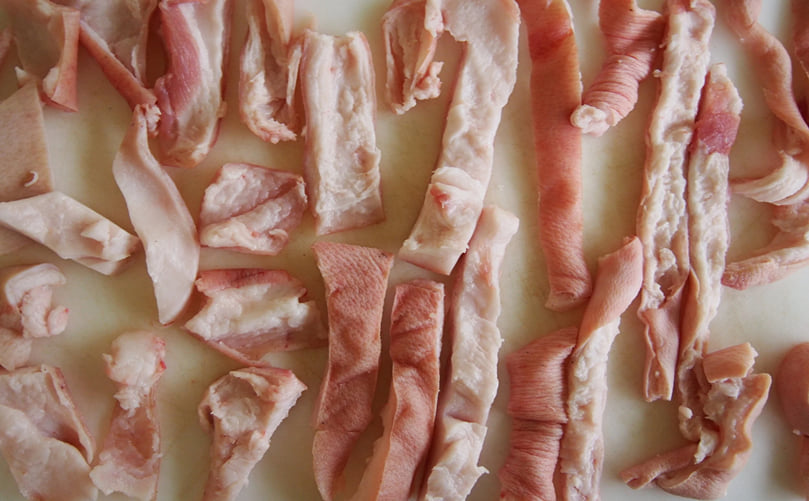
Inside the Crunch: How Pork Rinds Are Made—from Raw Pig Skin to Perfect Puff
The Many Faces of Pork Rinds: Regional Styles and Modern Innovations
Pork rinds are available in a wide spectrum of styles shaped by preparation methods, regional traditions, and modern innovation. Traditional versions emphasize simplicity and thrift, often emerging as a byproduct of lard rendering, while contemporary styles introduce gourmet seasonings, premium sourcing and alternative cooking techniques. A key distinction lies in whether the product contains only pork skin or includes attached fat, meat or even alternative proteins which significantly influences texture, flavor and cultural context.
Core Categories
Traditional Styles: These are typically homemade or small batch products that focus on pure pork skin fried until crisp. Classic examples include plain salted pork rinds which puff dramatically during frying as moisture rapidly evaporates. They are valued for their light texture, clean pork flavor and minimal processing.
Modern Styles: Developed for contemporary consumers, modern pork rinds include a wide range of flavored varieties such as barbecue, hot chili, cheese and vinegar-based seasonings. Health-conscious options such as baked or air fried pork rinds aim to reduce oil content. Gourmet brands may use organic or heritage breed pigs, premium fats and artisanal seasoning blends to enhance flavor and positioning.
Regional Variations
United States (Pork Rinds or Cracklings): In the southern U.S., especially Louisiana, cracklings (or cracklins) are made from skin with attached fat and sometimes meat, producing a denser, chewier texture. Cajun cracklins often include shoulder meat for added richness. In contrast, standard pork rinds sold nationwide are typically skin only, light and airy with a puffy, curled shape.
Latin America (Chicharrones): In Mexico and Colombia, chicharrones range from chicharrón toteado puffed, meat free skin similar to U.S. pork rinds to chicharrón cocho which retains meat and fat. Variants may also be made from chicken, mutton or beef skin. They are commonly served with lime, salsa or chili for a tangy, spicy contrast. In Brazil, torresmo is chunkier, bite sized and frequently enjoyed as a bar snack.
Europe (Pork Scratchings): In the United Kingdom, pork scratchings are hard, dense and usually cooked once rather than twice fried. They retain fat and may even include residual hair for authenticity, reflecting their origins as a working-class pub staple in the Black Country. In Hungary, cracklings are sometimes incorporated into biscuits and pastries, blending savory richness with sweet elements.
Other Global Variants: In Canada (Newfoundland), scrunchions are made from fried fatback, while Quebec’s oreilles de crisse (“Christ’s ears”) are curly, salty pork skins. Thailand’s kab moo appears in skin only, fat only or mixed forms and is often served alongside traditional meals such as Khantoke. The Philippines offers chicharon with similar puffed textures and seasoning styles.
Texture-Based Differences
Airy / Puffed: Common in U.S. packaged pork rinds and Mexican toteado, these are light, bubbly and popcorn like, created by high heat frying of skin only pieces.
Dense / Crunchy: Found in scratchings, cracklings and cocho types, these are heavier and harder, with a pronounced snap caused by retained fat and in some cases double frying.
Specialty and Gourmet Options: Premium and specialty pork rinds elevate the snack through smoking, organic sourcing or bold flavors such as ghost pepper or kimchi. Some brands offer low sodium versions, while others produce plant-based alternatives using mushrooms or rice paper to mimic the signature crunch for vegan consumers.
Pork Rinds: A High Protein, Zero Carb Nutritional Powerhouse
Pork rinds offer a distinctive nutritional composition that sets them apart from most conventional snack foods. Made from fried or baked pig skin, they are naturally high in protein and completely free of carbohydrates, making them especially appealing for low carb and keto focused diets. A standard 1-ounce (28 g) serving of plain pork rinds typically provides around 80–154 calories. While they are moderately calorie dense, they tend to be highly satisfying because of their protein and fat content. Flavored varieties may contain slightly higher calories, mainly from added seasonings rather than sugars or starches.
From a macronutrient perspective, pork rinds are dominated by protein and fat. Each ounce generally supplies about 9–17 g of protein and a typical 2-ounce bag can deliver up to 35 g, which is significantly higher than most snack foods and even around nine times more protein than potato chips. This protein is complete and supports muscle repair, satiety and overall metabolic function. Fat content usually ranges from 5–9 g per ounce, including approximately 3–3.5 g of saturated fat. Importantly, nearly half of the fat content is unsaturated, largely oleic acid, the same heart neutral fat found in olive oil along with stearic acid which is considered neutral in its effect on cholesterol. Carbohydrates are entirely absent, with zero sugars and zero fiber, making pork rinds ideal for maintaining stable blood sugar levels.
Although pork rinds are not rich in a wide array of vitamins, they do contribute several meaningful micronutrients derived from the collagen rich skin matrix. They provide B vitamins such as vitamin B12, contributing roughly 8% of the daily value and supporting energy metabolism and nerve function. They also contain choline at about 9% of daily needs which is important for brain health and cell membrane integrity, along with selenium at approximately 22% of the daily value, offering antioxidant and immune support. Sodium content can range from 270–545 mg per ounce, depending on seasoning, which is worth noting for individuals monitoring salt intake. The naturally high collagen content may also support joint health, skin elasticity and hair strength.
When compared with other popular snacks, pork rinds stand out nutritionally. Unlike chips, which are high in refined carbohydrates and low in protein, pork rinds provide sustained energy without causing blood sugar spikes. Compared to popcorn, they may contain slightly more calories but offer far more protein, although they lack fiber. When set against nuts, pork rinds have fewer carbohydrates and more protein, while nuts offer a broader range of micronutrients and healthier fat diversity. From a strictly low carb and keto standpoint, pork rinds often come out ahead.
For those following keto, paleo or Atkins style diets, pork rinds are particularly beneficial. Their zero glycemic impact supports ketosis, while the combination of protein and fat enhances fullness and helps reduce overeating. The added collagen content further strengthens their appeal for individuals seeking joint and skin support. Overall, pork rinds provide a nutrient dense, carb free alternative to traditional snacks, especially for consumers prioritizing protein, satiety and metabolic stability.
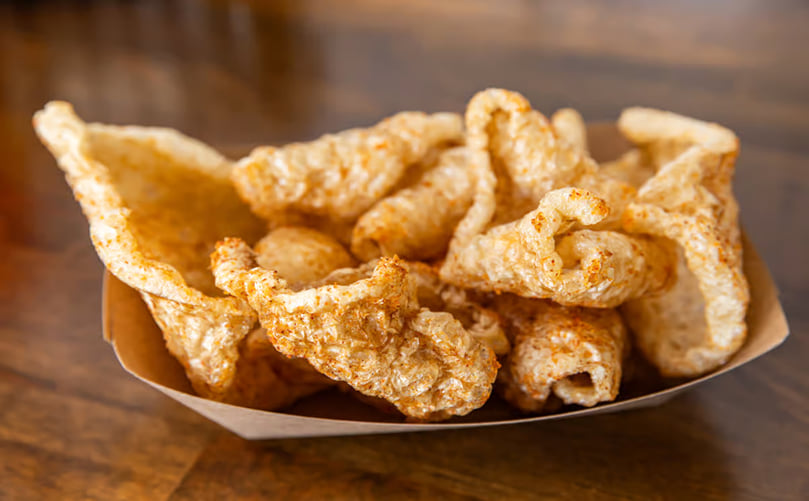
What’s Inside the Crunch: The Nutritional Breakdown of Pork Rinds
Why Pork Rinds Are Good for Your Health: From Protein to Joint Support
Pork rinds offer several notable health benefits, largely due to their nutrient dense composition as a fried or baked snack made from pork skin. They are naturally gluten free, zero carbohydrate (or near zero in some flavored varieties) and high in protein, making them especially suitable for low carb, keto, paleo and Atkins diets.
Their lack of carbohydrates helps maintain ketosis, stabilize blood sugar levels and support metabolic balance without the glucose spikes commonly associated with snacks such as chips or crackers. In addition, their high satiety value driven by the combination of protein and fat can help reduce overall calorie intake, supporting weight management and appetite control.
A major benefit of pork rinds is their high protein content, providing approximately 9–35 g of protein per 1–2 ounce serving. This protein is generally complete, containing all nine essential amino acids needed for muscle repair, growth and maintenance, making pork rinds more effective for sustained energy and lean body mass support than many carbohydrate based snacks. Notably, a large portion of this protein approximately 83% is collagen, the most abundant protein in the human body.
Collagen plays a critical role in skin elasticity and hydration, strengthens hair and nails and supports joint and connective tissue health. Regular dietary collagen intake may help reduce joint discomfort, support cartilage integrity and potentially ease symptoms associated with conditions such as osteoarthritis. As such, pork rinds can serve as a natural food based alternative to collagen supplements, contributing to bone strength and overall structural health.
Pork rinds also contain beneficial fats, with roughly 43% of their fat content coming from unsaturated fats, particularly oleic acid, which is also found in olive oil and avocados and is associated with reduced inflammation and improved cholesterol balance. They also contain stearic acid, a saturated fat that is considered neutral in its effect on LDL cholesterol.
Micronutrients further enhance their nutritional value. Pork rinds provide B vitamins (notably vitamin B12, which supports energy metabolism), choline (around 9% of the daily value for brain and liver health) and selenium (approximately 22% of the daily value for antioxidant and immune support). Smaller amounts of minerals such as iron and zinc contribute to immune function, oxygen transport and cellular repair. When consumed in moderation and as part of a balanced diet, pork rinds can support overall wellness while aligning with specialized dietary goals.
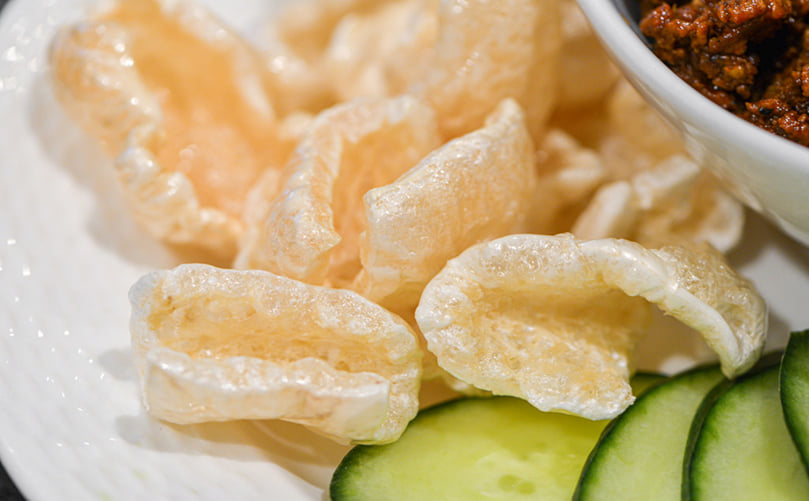
The Health Upside of Pork Rinds: Protein Power, Collagen Benefits and Metabolic Support
Health Risks and Considerations When Eating Pork Rinds
While pork rinds have appealing nutritional benefits, they also come with several potential health concerns, particularly when consumed frequently or in large quantities. As a processed, calorie dense snack (80–310 calories per ounce), they can contribute to weight gain if portion sizes are not controlled. Their high fat content further increases calorie density, making moderation essential to avoid excess energy intake and associated risks like obesity.
High Sodium Content: A major concern is their high sodium content which ranges from 270–1,040 mg per serving up to 50% of the daily recommended limit of 2,300 mg. Excess sodium can elevate blood pressure, strain the cardiovascular system and increase the risk of hypertension, heart disease and stroke, especially in sodium sensitive individuals or those with pre-existing conditions. Flavored varieties often contain additional salts and seasonings, exacerbating this risk.
Saturated Fats: Pork rinds contain 3–6.6 g of saturated fat per serving (approximately 17% of the daily value). High intake of saturated fats may raise LDL (“bad”) cholesterol, contributing to atherosclerosis and increased cardiovascular risk. The Dietary Guidelines recommend limiting saturated fat to less than 10% of daily calories, so pork rinds should be consumed in moderation by those with elevated cholesterol or heart concerns.
Processed Meat Considerations: As a processed pork product, pork rinds fall under broader concerns associated with processed meats. The World Health Organization (WHO) classifies processed meats as Group 1 carcinogens, with evidence linking 50 g daily intake to an 18% increased risk of colorectal cancer. Potential microbial contaminants, such as hepatitis E virus, can occur if pork skin or liver is undercooked, posing serious risks to vulnerable populations.
Additives and Allergens: Commercial pork rinds may include additives such as sulfites or MSG, which can trigger allergies or sensitivities in some individuals.
Protein Limitations: Although rich in protein, pork rinds are predominantly collagen which is incomplete and lacks certain essential amino acids like tryptophan. Therefore, they should not be relied on as a sole protein source.
Tips to Reduce Risk: To minimize potential health concerns, it is best to choose low sodium or baked versions of pork rinds, consume them in moderation and include them as part of a balanced diet rather than relying on them as a primary protein source. This approach allows you to enjoy their nutritional benefits while mitigating risks related to sodium, saturated fats and processed meat intake.
Taste, Texture & Flavor Experience of Pork Rinds
Pork rinds deliver a distinctive sensory experience, starting with their iconic crunch factor and mouthfeel light, airy and bubbly, with a satisfying snap that mimics popcorn or chips, yet with a denser, melt-in-your-mouth quality from the air pockets formed during frying. The texture can vary: puffed varieties are fluffy and delicate, while denser ones like cracklings offer a chewy, tooth challenging bite with lingering crispiness. This versatility makes them addictive, often described as “crispy clouds” with a subtle greasiness that enhances satisfaction without overwhelming the palate.
The base flavor profile is inherently savory and meaty, with nutty, porky undertones reminiscent of fried chicken skin or bacon rind. They are rich in umami from natural glutamates but generally lack smokiness in plain versions. Plain pork rinds taste purely of salted pork essence fatty and subtle while flavored options expand the experience into savory, spicy, tangy and even exotic or sweet realms.
Savory flavors include salt and cheese, spicy options feature chili, ghost pepper and Nashville hot, tangy varieties range from vinegar to salt & vinegar or lime and exotic or gourmet flavors include BBQ, ranch, tajin, kimchi or even sweet options like cinnamon churro and birthday cake. Sensory studies reveal over 110 unique nuances, including sweet and fruity notes such as coconut and hazelnut, earthy hints like mushroom and walnut and spicy touches such as clove, making pork rinds a “flavor uniter” that pairs well with diverse cuisines.
Regional flavor differences reflect cultural adaptations. In the U.S., pork rinds are often simply salted or BBQ-flavored for a bold, smoky kick. Latin American chicharrones tend toward tangy lime, chili or salsa for zesty heat. U.K. scratchings lean malty and hearty, sometimes retaining residual fat for added richness, while Asian versions such as Thai kab moo or Filipino chicharon incorporate garlic or vinegar for umami depth. Seasoning techniques vary as well with dry rubs providing even coating and wet sprays allowing intense flavor adhesion post-fry.
When it comes to pairings, pork rinds shine with dips and sauces like guacamole, salsa, onion dip, buffalo chicken or spinach artichoke, offering a creamy contrast to their crispiness. They also complement beverages such as beer, wine or cocktails, balancing the saltiness and can be used to add texture to salads, soups or even as a chip substitute in nachos. Their versatility and unique sensory experience make pork rinds not just a snack but a flavorful addition to a wide range of dishes.
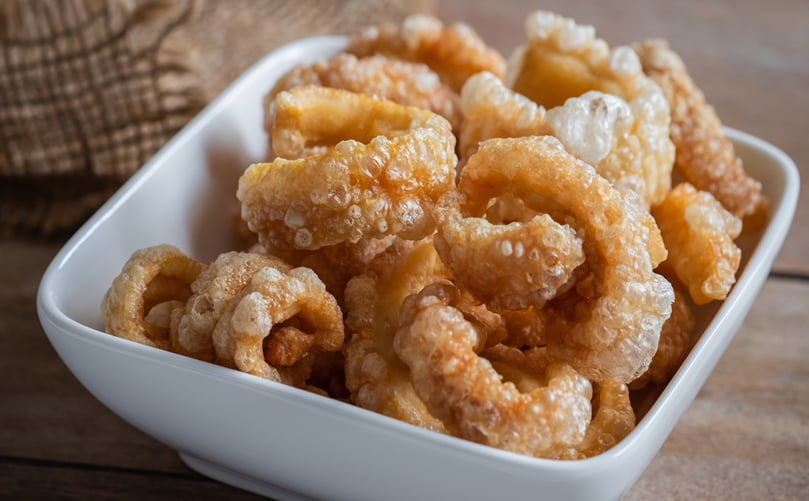
Inside the Crunch: Exploring the Taste, Texture and Flavor Spectrum of Pork Rinds
Culinary Magic of Pork Rinds: From Snack to Gourmet Ingredient
Pork rinds are incredibly versatile in the kitchen, serving as both a standalone snack and a transformative ingredient that adds crunch, flavor and texture to a wide variety of dishes. Their zero carb, high protein nature makes them especially popular in keto, low carb and paleo recipes, where they act as substitutes for breadcrumbs, flour or chips.
As a snack, pork rinds can be enjoyed plain, seasoned with spices like a Cajun blend of melted butter, Worcestershire, garlic, paprika and onion powder or paired with dips such as salsa, guacamole or chili for an extra burst of savory flavor. The natural crunch and porky essence make them satisfy on their own, yet versatile enough to complement a wide range of accompaniments.
When used as an ingredient, crushed pork rinds shine as a gluten free coating or breading. They are perfect for keto chicken nuggets, fried fish or steak tacos, providing a crispy exterior that rivals panko or cornflakes. They also add texture and flavor to salads like pork rind stuffed beef roll ups with cream cheese and horseradish soups, including taco soup or popcorn style in broth, casseroles such as cauliflower mac ‘n’ cheese with bacon mix and even baked potatoes.
In more creative applications, pork rinds form the base for keto friendly recipes like tortillas blended with eggs and water, brownies, muffins (white chocolate raspberry), donuts (cinnamon sugar), cheesecake parfaits or breadcrumb style pasta. Internationally, they feature in Vietnamese bi (shredded pork skin in salads or rolls), Chinese xiao long bao (soup dumplings using pork skin for gelatinous broth) and Latin American dishes like crunchwraps, walking tacos or fillings with green apple salsa verde.
Innovative culinary uses continue to expand with pork rinds being mixed into omelettes, egg or chicken salads, burger patties, sandwiches, cornbread (crackling style) and even desserts like bubbly fondue dips, spicy dill cheeseballs or pizza toppings. They elevate everyday meals with their bacon like essence, making them ideal for low carb nachos, pizza crusts or as a crunchy popcorn alternative during movie nights. With their unique texture and savory flavor, pork rinds add crunch, richness and a gourmet twist to even the simplest dishes.
Market Trends and Consumer Demand for Pork Rinds
Pork rinds have experienced strong growth in recent years driven by shifting consumer preferences toward high protein, low carbohydrate snacks that align with popular dietary patterns such as keto, paleo and Atkins. The global pork rinds market was valued at approximately USD 5.3–5.7 billion in 2024 and is projected to expand to around USD 8.8–8.9 billion by 2033, registering a compound annual growth rate of roughly 5.2–5.8 percent. This growth is closely tied to rising health awareness with consumers actively replacing traditional carbohydrate heavy snacks like potato chips with gluten free, zero carb alternatives. Pork rinds meet this demand effectively by delivering up to 17 g of protein per serving while maintaining a familiar crunchy snack experience.
Flavor innovation has emerged as a major driver of consumer demand. Specialty and niche segments, particularly spicy and region specific varieties such as Hatch chile flavored pork rinds are gaining significant traction. This segment was valued at approximately USD 0.12–0.18 billion in 2024 and is expected to reach USD 0.25–0.32 billion by 2033, growing at a faster rate of about 9.1 percent annually. This trend reflects a broader consumer shift toward bold, adventurous flavors and premium snack experiences rather than basic, unseasoned products.
Premiumization is another defining trend in the market. Consumers increasingly prefer clean label pork rinds made with minimal processing, transparent sourcing and claims such as organic or non-GMO. Gourmet flavors like ghost chili, kimchi and smoked barbecue appeal strongly to millennials and Gen Z consumers, who value both nutritional functionality and sensory novelty. Alongside this, demand is rising for perceived healthier formats, including baked or air fried pork rinds that reduce fat content while preserving crunch and taste.
From a regional standpoint, North America remains the dominant market, generating approximately USD 2.1 billion in revenue in 2024. A strong snacking culture, particularly in the United States, combined with continuous product innovation and widespread retail distribution, supports steady growth in the region, which is projected to expand at around 4.7 percent CAGR through 2033. The Asia Pacific region is the fastest growing market, with a growth rate of about 6.1 percent annually and a market size of roughly USD 1.2 billion in 2024. Growth here is supported by long standing cultural consumption of pork skin snacks in countries such as China, Japan and the Philippines, along with increasing adoption of packaged and branded products.
Europe and Latin America show stable demand, influenced by traditional dietary habits and gradual modernization of snack formats. Across all regions, sustainability is becoming an increasingly important factor, with consumers showing interest in ethically sourced pork, antibiotic free production systems and environmentally responsible processing. Despite challenges such as rising input costs and trade uncertainties, overall consumer demand for pork rinds remains strong, supported by health driven snacking trends and continuous innovation in flavors and formats.
Popular Brands and Products in the Pork Rinds Market
The pork rinds market is characterized by a diverse mix of large scale mass market brands and premium or artisanal producers, each catering to different consumer expectations around price, quality, flavor innovation and sourcing ethics. Established global and national brands dominate shelf space through strong distribution networks, brand recognition and consistent product quality. Leading players include Mac’s, one of the oldest and most recognizable U.S. pork rind brands since 1932, known for classic offerings such as original, barbecue and salt and pepper.
Utz is another major name, valued for its wide retail presence and familiar flavors including classic and hot and spicy. Golden Flake holds strong appeal in the southern United States, particularly for its barbecue and spicy varieties, while Baken-Ets, a Frito-Lay brand, benefits from corporate scale and offers traditional pork rinds alongside flavored options like hot n’ spicy.
Alongside these mass market leaders, premium and artisanal brands have carved out a fast growing niche by emphasizing ingredient quality, ethical sourcing and gourmet flavor profiles. Epic Provisions positions itself as a clean-label, organic-focused brand, offering flavors such as pink Himalayan salt, chili lime and maple bacon while highlighting humanely raised pork. Similarly, 4505 Meats has built a strong reputation for artisanal chicharrones and cracklings, with products like sea salt and jalapeño cheddar that are often praised for their light, airy texture and “crispy cloud” crunch. These brands appeal strongly to health-conscious and premium oriented consumers who are willing to pay more for transparency and craftsmanship.
Several other brands contribute to the market’s depth and variety. Pork King Good has become especially popular among keto consumers by offering unconventional flavors such as Himalayan pink salt and vinegar, cinnamon churro and other dessert inspired profiles, along with product extensions like pork rind breadcrumbs. Southern Recipe is known for small batch style textures and sweet heat flavors such as honey chipotle. Lowrey’s stands out with its microwave bacon curls and classic pork rind offerings, while Field Trip emphasizes natural ingredients with flavors like parmesan peppercorn. Brands such as Porq further diversify the segment with smoky barbecue and zesty chipotle profiles aimed at flavor forward snackers.
Regional and artisanal producers also play an important role, particularly in local and specialty markets. Turkey Creek holds a strong position in certain regional segments with classic and flavored pork rinds, while Brim’s appeals to price sensitive consumers through affordable packs and variety assortments. Small batch producers such as Lee’s Pig Skins focus on traditional pork forward taste and minimal seasoning, whereas newer entrants like Pigless cater to niche audiences with plant based pork rind alternatives designed for vegan consumers.
Price positioning clearly separates premium and mass market offerings. Premium products, such as Epic’s oven-baked pork rinds, typically retail in the range of USD 4–5 per bag, reflecting higher ingredient quality, sustainable sourcing and unique flavor development. In contrast, mass market brands like Utz, Mac’s and Baken-Ets generally retail between USD 1–3 per bag, prioritizing affordability, bold flavors and widespread availability. Brand success in this category is driven by superior taste and crunch, consistency in texture and seasoning, effective marketing aligned with trends like keto and low carb lifestyles, product diversification beyond plain snacks and visually appealing, functional packaging such as resealable bags that preserve freshness.
Fun Facts and Trivia About Pork Rinds
Pork rinds carry a fascinating mix of ancient history, food science and modern pop culture, which adds to their quirky appeal as a snack. The signature crunch of pork rinds is rooted in simple but dramatic food physics. When pig skin is fried at high temperatures of around 204 °C, moisture trapped within the skin rapidly evaporates, forming air pockets that cause the surface to puff and blister. This rapid expansion shrinks the pieces while creating the light, bubbly texture often described as “crispy clouds,” delivering the distinctive snap that defines a good pork rind.
Around the world, pork rinds appear in a surprising range of traditional and unconventional forms. In Thailand, they are known as khaep mu and are often seasoned with garlic and vinegar, while in Brazil, torresmo is commonly enjoyed alongside beer as a hearty bar snack. In Vietnam, pork rinds are sometimes shredded and mixed into salads for added texture rather than eaten on their own. In the United States, innovation has pushed flavors into unexpected territory, including kimchi barbecue, birthday cake and other novelty profiles that reflect the snack’s growing role in experimental food culture.
Pork rinds have also made their mark in popular culture. Former U.S. President George H. W. Bush was famously known to enjoy pork rinds as a snack during his time in office, helping bring them into the national spotlight. Community pride around pork rinds is evident in small town festivals, such as the Pork Rind Heritage Festival in Harrod, Ohio, a town of just a few hundred residents that proudly celebrates its identity with cooking competitions, parades and tasting events centered on pork rinds.
The origins of pork rinds stretch back centuries, rooted in early preservation practices where frying pig skin helped extend shelf life and reduce waste. One commonly cited legend trace modern style pork rind to a Spanish farmer in the 1700s, although variations of fried pork skin existed in many ancient cultures long before that. Nutritionally, pork rinds are notable for being completely carbohydrate free which explains their popularity in keto diets. However, most of their protein comes from collagen, meaning they score lower on complete protein scales compared with meat-based snacks, even though they are often associated with benefits for skin and joint health.
As trivia, pork rinds are deeply embedded in street food culture in Mexico, where chicharrones are sold fresh and often paired with salsa or used as a topping in dishes. In the United States, more than one town has claimed bragging rights as the “Pork Rind Capital of the World,” with places like Harrod, Ohio and Westminster, Ohio, both asserting strong historical ties to the snack. Together, these facts highlight how pork rinds have evolved from a practical preservation food into a globally recognized and culturally rich snack.
Buying, Shelf Life & Storage of Pork Rinds
When buying pork rinds, prioritize quality by checking for fresh, puffy texture, minimal ingredients (ideally just pork skin, lard and salt) and no off odors or discoloration. For raw pork skin to make homemade versions, seek Hispanic markets or butchers, opting for skin with a thin fat layer (from belly or back) for better puffing avoid tough, leathery edges. Artisanal options, like wash pot style in large slabs, often come in handy stapled bags for authenticity. Store bought bagged rinds should feel light and crisp; bulk buys (e.g., buckets from Sam's Club) can be economical but may stale faster if opened.
Homemade vs. Store Bought Pros and Cons: Homemade offers fresher taste and customization (e.g., seasonings) but requires effort and has shorter shelf life (days in fridge). Store bought provides convenience, consistency and longer storage (months unopened) but may include additives or lack the depth of fresh frying.
For storage, use airtight containers or ziplock bags in a cool, dry place away from sunlight, moisture and heat to prevent staleness or sogginess. Avoid sealing while hot to prevent condensation; let cool at room temperature first. Re-crisp softened rinds in a low oven (93°C for 5-10 minutes) or microwave briefly. For longer storage, refrigerate homemade in parchment lined containers or freeze (up to months) in freezer bags thaw and re-crisp as needed.
Typical Shelf Life: Commercial unopened bags last 6-12 months; opened, 2-3 days at room temp or up to a week sealed. Homemade: 1-2 days room temp, 3-5 days refrigerated or months frozen.
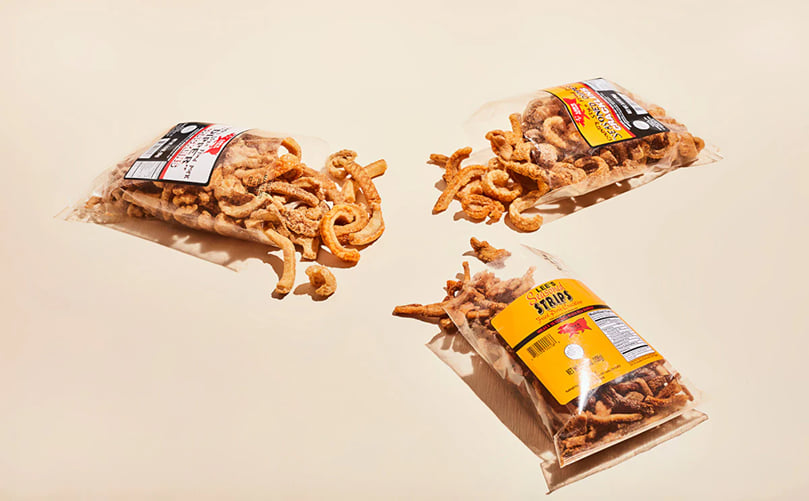
Packaging That Protects the Crunch: How Pork Rinds Are Sealed, Stored and Presented
Challenges, Constraints & Controversies Surrounding Pork Rinds
Pork rinds face several challenges across health, production, market and cultural spheres. Health Concerns: Their high saturated fat (up to 6.6g per serving), sodium (270-1,040mg) and calorie density (80-310 per ounce) require moderation to avoid weight gain, hypertension, elevated cholesterol or heart disease risks. As processed meat, they're linked to colorectal cancer (18% increased risk with 50g daily) and potential contaminants like hepatitis E.
Collagen dominant protein lacks some amino acids and additives in flavored versions may trigger allergies. Production Challenges: Maintaining crunch and flavor consistency is tough requires precise drying, oil temperature (400°F for frying) and even cuts to avoid hard or soggy results. Disease outbreaks (PRRS, PEDv, ASF) cause losses, demanding biosecurity investments; infrastructure limitations and regulatory hurdles (e.g., food safety inspections) raise costs. Supply chain issues, like seasonal Hatch chile for flavored variants, lead to volatility.
Market Challenges: Competition from healthier snacks (baked chips, nuts) and declining U.S. consumption (due to high prices, economic pressures) limit growth; consumer perceptions on nutrition, safety and ethics reduce demand (one-third plan cuts). Trade uncertainties (wars with China/Mexico), Prop 12 regulations, labor shortages, consolidation (exit of small producers) and high inputs/interest rates strain profitability. Entry barriers include capital for facilities and brand loyalty.
Dietary Restrictions and Cultural Limitations: Not suitable for vegetarians/vegans or religious groups prohibiting pork (e.g., Islam, Judaism), limiting global appeal; ethical concerns over animal welfare further impact perceptions.