

Beef Jerky: From Ancient Preservation to Modern Protein Snack
Beef jerky is a popular dried meat snack made from lean cuts of beef that are sliced, marinated and dehydrated to remove moisture. This process results in a chewy, flavorful product with a long shelf life. Beef jerky is widely consumed as a convenient, portable source of protein, enjoyed both as a standalone snack and as an ingredient in various meals.
The history of beef jerky dates back thousands of years and is rooted in traditional meat preservation practices. Its origins are commonly attributed to the Quechua people of the Andes Mountains in South America descendants of the ancient Inca Empire who developed a technique known as “ch’arki” around 1550, meaning “dried, salted meat.” This method involved salting and sun drying meat, typically from llama or alpaca, using the region’s high altitude wind and sunlight to preserve it without refrigeration. The modern word “jerky” is derived from this Quechua term.
Independently, Native American tribes in North America developed similar preservation methods using buffalo and other game meats. These were sometimes combined with fat and berries to create pemmican, a nutrient dense food essential for long journeys and survival during harsh winters. European explorers and settlers later adopted and modified these techniques, applying them to beef as cattle ranching expanded. By the 19th century, during westward expansion and the Industrial Revolution, beef jerky became a staple food for cowboys, miners and soldiers due to its durability and ease of transport.
In Asia, records dating back to 1599 AD describe dried beef products, particularly in regions such as Inner Mongolia, Xinjiang and Yunnan. African culinary traditions also contributed to dried meat preservation, notably through biltong from South Africa which shares similar principles with jerky but differs in seasoning and preparation methods. Over time, beef jerky has evolved from a survival food into a widely commercialized snack, with modern production incorporating controlled dehydration, food safety standards and diverse flavor profiles.
In contemporary times, beef jerkys popularity is driven by its alignment with fitness, travel and convenience oriented lifestyles. As a high-protein, low carbohydrate snack, it appeals to athletes, hikers and consumers following dietary patterns such as keto or paleo. Its portability and shelf stability make it ideal for on-the-go consumption, including during travel, workouts or work breaks. Additionally, growing health awareness has increased demand for clean label and minimally processed varieties, further strengthening beef jerky’s position in the global snack market.
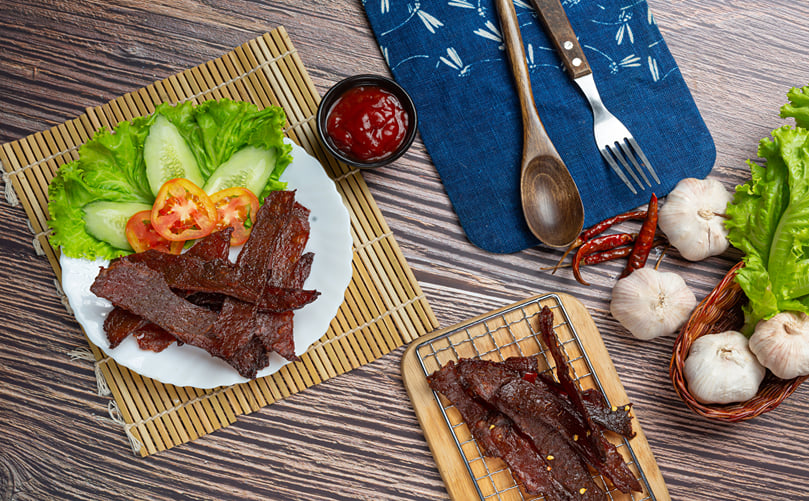
Savory, Protein Packed Beef Jerky: The Ultimate On-the-Go Snack
What Is Beef Jerky?
Beef jerky is defined as lean, trimmed beef that is cut into strips, marinated or seasoned and then dehydrated at low temperatures to prevent spoilage. This process produces a shelf stable product with significantly reduced moisture content. The fundamental principle behind beef jerky is the transformation of fresh beef into a durable, flavorful snack by removing water which inhibits microbial growth and extends its usable life.
The primary differences between fresh meat and beef jerky lie in moisture content, texture and preservation. Fresh meat whether raw or cooked contains a high water content (approximately 60–75%), making it highly perishable and susceptible to spoilage within a short time if not refrigerated. It has a soft, juicy texture and generally requires cooking to ensure food safety. In contrast, beef jerky is dehydrated to reduce moisture levels to about 20–30%, resulting in a firm, chewy texture and a ready to eat product. While jerky does not typically require refrigeration when stored properly, environmental conditions and packaging significantly influence its shelf life. From a nutritional standpoint, jerky offers a concentrated source of protein and flavor, though it may contain elevated sodium levels due to curing and seasoning.
Dehydration plays a critical role in preserving beef jerky by lowering water activity (aw) to below 0.85, a level at which most spoilage and pathogenic microorganisms cannot grow. This is achieved through slow drying at controlled temperatures, typically between 63–74°C, which removes moisture while maintaining meat structure and nutritional value. When combined with salt, curing agents and acidic components from marinades, dehydration creates an environment unfavorable for bacteria, molds and yeasts. As a result, properly processed and packaged beef jerky can remain safe and stable for several months or longer.
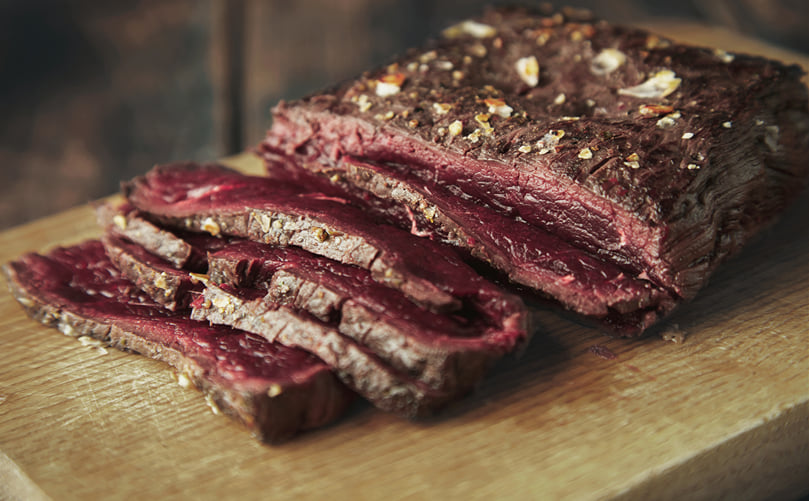
Protein Packed Bites: Delicious Beef Jerky
Choosing the Best Raw Materials for High Quality Beef Jerky
Selection of Beef Cuts: The foundation of high-quality beef jerky lies in selecting appropriate raw materials, primarily lean beef cuts that ensure optimal texture, flavor and shelf life. Commonly used cuts include top round, bottom round, eye of round, sirloin tip, flank steak, skirt steak, lifter (from the shoulder clod) and pectoral (brisket flat). Top round sourced from the inner rear leg is highly popular due to its leanness, affordability and uniform texture, making it easy to slice and yielding consistent jerky strips. Bottom round, from the outer rear leg, offers rich flavor with minimal marbling, though it requires thorough trimming of any fat cap and intramuscular fat; it is slightly tougher but provides a satisfying chew.
Eye of round located in the hip and upper hind region is often considered the best overall cut for jerky because it is extremely lean, tender, affordable and has a mild flavor that absorbs marinades well. Sirloin tip, from behind the ribs, provides a lean option with minimal marbling and serves as an excellent alternative for those seeking tenderness without excessive cost. Flank and skirt steaks, from the abdominal area, provide bold flavors and more marbling but require careful fat removal; they are ideal for adventurous makers wanting a flavorful, slightly chewier product. Lifter and pectoral are economical choices from the shoulder and chest, offering good leanness but potentially requiring more trimming. Less common but viable options include London broil (often labeled top round or shoulder cut) and even lean ground beef for formed jerky.
Importance of Lean Meat: Using lean meat is critical as fat content ideally should be under 10%. Low fat cuts prevent rancidity caused by fat oxidation which can lead to off flavors and reduced shelf life. Fat does not dry well and can spoil faster, shortening the product’s usability. Lean cuts ensure even dehydration, better marinade absorption and a healthier final product with fewer calories from fat. High fat cuts trap moisture, promoting bacterial growth and uneven drying, while leaner options like those from the rear (rounds) or sirloin minimize these risks. This leanness also concentrates proteins and flavors during drying, enhancing nutritional value.
Quality and Safety Considerations: Quality and safety are essential to prevent contamination and ensure consumer health. Meat should be fresh, sourced from reputable suppliers with USDA inspection (or equivalent standards like FSSAI in other regions) and free from bruises, discoloration, or off odors. Grass fed or organic beef is increasingly preferred for its higher omega-3 fatty acids, fewer antibiotics and better environmental impact, though it may cost more. Safety protocols include proper chilling during transport (below 4°C), pathogen testing (e.g., for E. coli or Salmonella) and adherence to regulations ensuring humane slaughter and traceability. For homemade or small-scale production, partially frozen meat aids clean slicing, while commercial operations often use whole muscle cuts for premium quality or ground meat for efficiency. Selecting high quality, lean beef minimizes risks and maximizes the jerkys appeal.
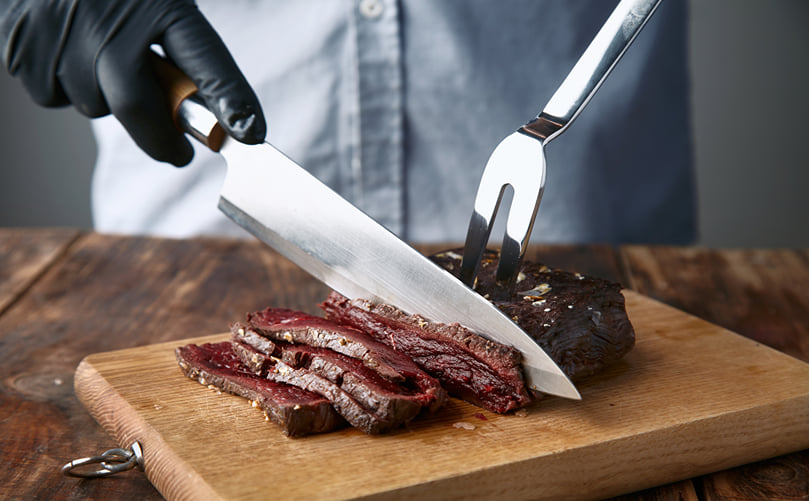
Premium Beef Cuts for High Quality Jerky
Beef Jerky Processing and Manufacturing Steps
The production of beef jerky involves a series of precise steps to transform raw beef into a safe, flavorful, shelf stable snack. This process combines traditional preservation techniques with modern food safety practices to inhibit microbial growth while enhancing taste and texture.
Meat Selection and Trimming: The first step is meat selection and trimming. Choose lean cuts such as top round, bottom round or eye of round from inspected sources, and meticulously trim away excess fat, silver skin, connective tissue and any imperfections to below 3 mm thickness. This reduces spoilage risks and ensures uniform drying. Commercial facilities often inspect for quality and chill the meat to near freezing temperatures (around -2 to 0°C) for easier handling and slicing.
Slicing Techniques: Next comes slicing. Partially freeze the trimmed meat to facilitate clean cuts into strips 3–6 mm thick and 2.5–5 cm wide, typically 15–25 cm long. Slicing against the grain (perpendicular to muscle fibers) yields tender jerky, ideal for premium products, while slicing with the grain creates a chewier texture preferred in traditional styles. Commercial slicers ensure consistency, but home methods may use sharp knives or mandolines. For ground jerky, blend lean meat with seasonings before extruding into strips.
Marination: Marination is the next critical step. Immerse the slices in a brine or marinade containing salt, spices, acids and curing agents for 4–24 hours (or up to 48 hours for deeper flavor) in the refrigerator at 3–4°C. This step tenderizes the meat, infuses flavors, draws out moisture and aids preservation. Boiling the marinade briefly can pre-cook the meat for safety or injection may be used for even distribution in thicker cuts. Drain excess liquid before proceeding to drying.
Drying Methods: Drying is crucial for dehydration. Arrange marinated strips in a single layer on racks or trays, ensuring space for air circulation. Use dehydrators at 63–74°C for 4–12 hours, ovens with doors open for ventilation or smokers for added flavor (e.g., hickory or mesquite wood at similar temperatures). The goal is to reach an internal meat temperature of 71°C to ensure pathogen destruction, then dry until moisture content is 20–40% and water activity (a_w) is below 0.85. Traditional air drying in controlled environments (low humidity, 15–27°C) can take several days but is less common commercially due to time constraints. Rotate trays periodically for even drying and test doneness by bending; properly dried jerky should crack but not break.
Packaging and Storage: Finally, cool the jerky to room temperature to prevent condensation, then package in vacuum sealed bags, modified atmosphere packaging (MAP) with nitrogen or resealable pouches with oxygen absorbers to block moisture and oxygen. Include labels with nutritional information, allergens and expiration dates. Store in cool, dark places below 21°C for optimal longevity. Commercial processes often include quality checks such as microbial testing and metal detection. Throughout the entire process from selection to packaging, strict hygiene under HACCP guidelines ensures a safe, high quality product.
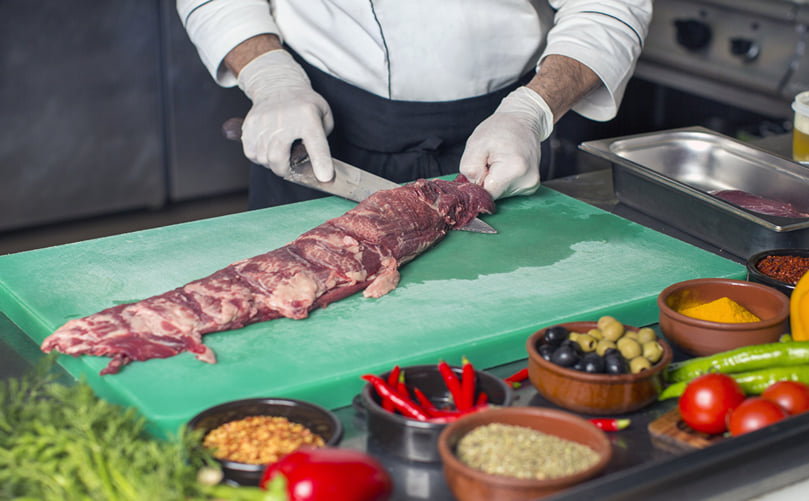
Preparing Jerky Strips: From Meat to Snack
The Essential Role of Ingredients in Crafting Premium Beef Jerky
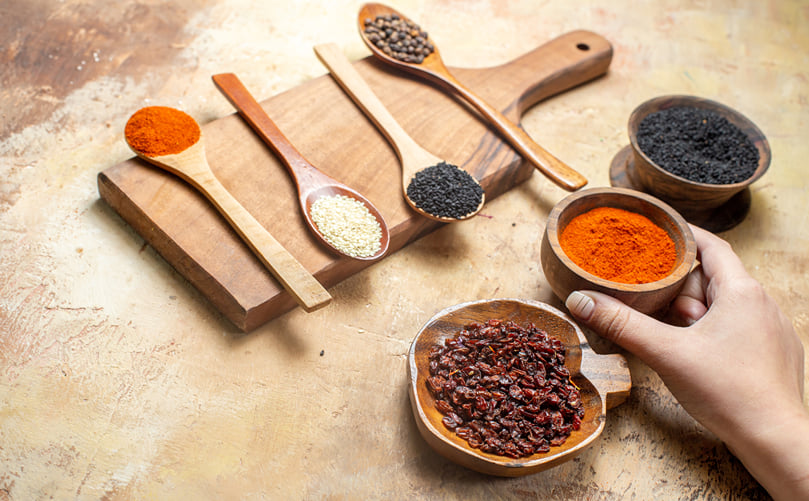
Ingredients in beef jerky serve multiple roles from preservation and flavor enhancement to texture improvement and nutritional balance. They work synergistically during marination and drying to create a safe, appealing and shelf stable product. Salt and curing agents are pivotal for preservation and flavor. Salt (sodium chloride) draws out moisture via osmosis, lowering water activity to inhibit bacterial, yeast and mold growth, while adding a savory taste. It is the most common additive, enhancing storage life and helping extract flavors from the meat.
Curing agents, such as sodium nitrite or nitrate, prevent botulism, maintain a pinkish red color by reacting with myoglobin and contribute the characteristic cured flavor. Natural alternatives, like celery powder, provide nitrates from plant sources. These agents also act as antioxidants to reduce rancidity. However, excessive use may raise sodium content, prompting the development of low sodium formulations.
Spices, herbs and seasonings deliver variety and depth, masking any off notes from drying while creating signature flavor profiles. Black pepper adds heat and antimicrobial properties; garlic and onion powders contribute pungency and sweetness, while herbs like rosemary or thyme offer aromatic notes. They enhance palatability for example soy sauce adds umami in teriyaki jerky and chili provides spice in hot varieties. Some spices like pepper, also have natural preservative effects and many contribute antioxidants that support shelf stability.
Sweeteners such as honey, sugar, brown sugar, maple syrup or corn syrup balance the saltiness, promote Maillard browning for richer flavors during drying and improve tenderness by retaining slight moisture. They aid caramelization, enhance mouthfeel and can act as humectants to prevent over drying. In moderation, sweeteners maintain a diet friendly carbohydrate level, while natural options like honey add subtle floral notes.
Natural preservatives extend shelf life without synthetic additives, aligning with clean label trends. Vinegar lowers pH for acidity-based preservation, inhibiting pathogens while adding tanginess. Smoke, whether liquid or from natural sources, imparts phenolic compounds that act as antimicrobials and antioxidants while contributing a smoky flavor. Other options include synthetic antioxidants like BHA/BHT or natural alternatives such as tocopherols (vitamin E), ascorbic acid (vitamin C) or essential oils which prevent fat oxidation. Binders like whey protein or starch may be used in formed jerky to ensure cohesion.
Overall, ingredients are selected for their synergistic effects, balancing safety, flavor, texture and nutritional quality. Modern formulations increasingly focus on minimal additives to cater to health-conscious consumers while maintaining taste and shelf stability.
The Building Blocks of Flavorful, Safe Beef Jerky
Nutritional Powerhouse: Protein and Essential Nutrients in Beef Jerky
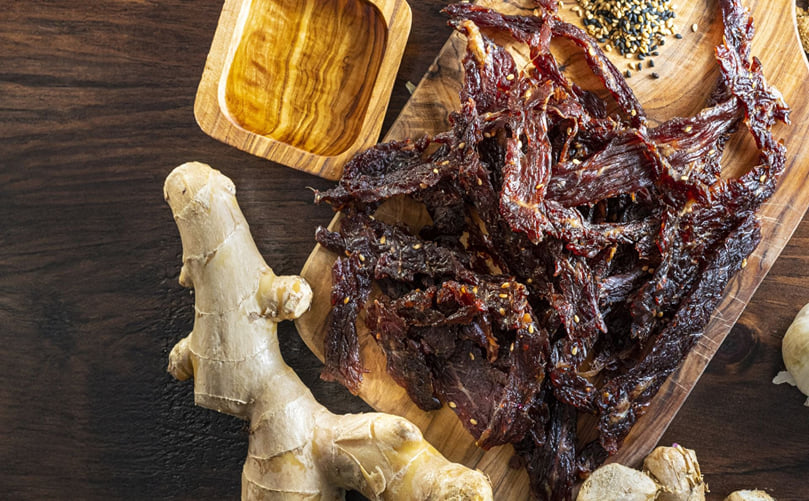
Beef jerky is a nutrient dense snack, providing a high concentration of protein and essential micronutrients in a small serving. A 1-ounce (28 g) portion typically contains 9–12 g of protein, accounting for approximately 40–48% of its calories, making it ideal for muscle repair and promoting satiety. A larger serving, such as a cup (about 82 g) can provide up to 30 g of protein.
The fat and calorie profile varies depending on the cut and processing. Low fat varieties contain 1–3 g of fat per ounce (12–34% of calories) and provide 70-116 calories. A cup serving contains roughly 23 g of fat and 369 calories, mostly derived from healthy sources in lean meat cuts.
Beef jerky is also rich in essential micronutrients. Iron supports oxygen transport and helps prevent deficiency, while zinc promotes immune function. B-vitamins, including B12 and B6, contribute to energy metabolism and overall vitality. Additionally, beef jerky provides phosphorus and selenium, supporting bone health and antioxidant defenses.
However, sodium content can be high with an average of 400–600 mg per ounce and up to 2081 mg per 100 g. Excessive sodium intake may pose concerns for individuals with hypertension or those monitoring salt in-take so moderation is advised.
Overall, beef jerky offers a compact, protein rich source of essential nutrients, making it a convenient and functional snack when consumed as part of a balanced diet.
Power Packed Benefits of Beef Jerky: Nutrition, Performance and Wellness
Beef jerky offers several evidence-based health benefits, primarily due to its nutrient density, making it a functional snack for various lifestyles. As a high protein option, it supports muscle recovery by providing essential amino acids that aid in tissue repair after exercise. A 1-ounce (28 g) serving delivers 9-13 g of protein, fulfilling 18–26% of daily protein needs which can enhance muscle protein synthesis when consumed post workout. Studies on dried meats like jerky highlight its role in maintaining muscle mass, particularly in active individuals or those in calorie deficits.
It also promotes satiety and supports weight management due to its favorable protein to calorie ratio which increases feelings of fullness and reduces snacking. Research indicates that high protein snacks like jerky can lower overall energy intake by 10–15%, supporting weight loss or maintenance without increasing hunger. Its low glycemic index helps stabilize blood sugar, further aiding appetite control.
Beef jerky is suitable for low carb and ketogenic diets, with minimal carbohydrates (1–5 g per ounce, often under 3 g net) and moderate fats, helping maintain ketosis while providing sustained energy. Keto adherents also benefit from its electrolyte content, such as sodium and potassium which can help prevent symptoms of “keto flu.”
Convenience is another key benefit for athletes and travelers as beef jerky is portable, non-perishable and provides quick protein without refrigeration. Additionally, it supports immune function through zinc (up to 27% of the daily value per ounce) which aids white blood cell production and reduces infection risk. Iron content (8–11% DV) helps prevent deficiency and enhances oxygen delivery for endurance activities. B-vitamins aid energy metabolism, while antioxidants from spices combat oxidative stress.
Other benefits include bone health support from phosphorus and protein as well as potential anti-inflammatory effects, particularly in grass fed varieties. However, it is important to balance consumption with sodium intake to avoid drawbacks such as bloating. When eaten in moderation, the benefits of beef jerky outweigh the risks and studies affirm its place as a nutritious component of a balanced diet.
Shelf Life and Storage of Beef Jerky Beef jerkies extended shelf life is primarily due to its low moisture content and the use of preservatives, though longevity varies depending on type and storage conditions. Commercial beef jerky which is vacuum sealed and often contains preservatives like nitrites, typically lasts 1–2 years unopened when stored properly. Once opened, it remains safe and flavorful for 1–2 weeks at room temperature or 1–2 months if refrigerated. Homemade jerky, lacking commercial preservatives has a shorter shelf life: 1–2 months when sealed in airtight containers and 1–2 weeks at room temperature once opened. Freezing can extend both commercial and homemade jerky to 6–12 months without significant loss of quality. It is important to note that “best by” dates indicate peak quality rather than safety expiration.
Several factors influence the shelf life of beef jerky. Moisture above 20% promotes mold growth, while higher fat content accelerates rancidity through oxidation. Oxygen exposure can degrade flavor and temperature fluctuations particularly heat above 21°C shorten shelf life, especially in opened packages. Humidity introduces moisture and light exposure can fade colors and reduce nutrient content.
Optimal storage involves cool (10–21°C), dry (humidity <60%) and dark locations such as pantries or cabinets. Use airtight containers, vacuum sealed bags or original packaging with oxygen absorbers to minimize air contact. Refrigerate opened jerky in resealable bags and avoid storing it in warm spots or direct sunlight. For long term storage, freeze jerky in moisture proof wraps.
Signs of Spoilage in Beef Jerky: Beef jerky can show several signs of spoilage and it’s important to recognize them to ensure safety. One common indicator is mold which may appear as white or green fuzz on the surface; any visible mold means the jerky should be discarded immediately. Off odors such as rancid, sour or musty smells also signal that the product is no longer safe as fresh jerky should have a savory aroma.
Discoloration, including fading, darkening or the appearance of spots can indicate chemical changes or degradation. Texture changes are another warning; jerky that becomes slimy, excessively hard or unusually soft is likely spoiled. Additionally, condensation or moisture accumulation inside the packaging is a serious concern, as it creates an environment for bacterial or mold growth even if the jerky looks normal on the surface. Rancid fat may impart a bitter taste and any doubt about quality should prompt discarding the product. Proper storage and careful observation of these signs help ensure that beef jerky remains safe and enjoyable.
Power-Packed Nutrition in Every Beef Jerky Strip
Beef Jerky: Shelf Life, Storage and Spoilage Indicators
Beef jerky has a long shelf life mainly because of its low moisture content and in commercial products, the presence of preservatives. However, the actual shelf life depends on the type of jerky, processing method, packaging and storage conditions. Commercial beef jerky that is vacuum sealed and contains preservatives such as nitrites can usually last for one to two years when unopened and stored properly. After opening, it remains good for about one to two weeks at room temperature, while refrigeration can extend its usability to one to two months.
Homemade beef jerky which generally does not contain commercial preservatives has a shorter shelf life and typically lasts one to two months when sealed in airtight containers or about one to two weeks when kept at room temperature after opening. Freezing both commercial and homemade jerky can extend shelf life to six to twelve months with minimal loss in quality. “Best by” dates indicate the period of best quality rather than an exact safety limit.
Several factors influence how long beef jerky remains safe and palatable. Moisture content is critical as higher moisture levels, especially above about twenty percent, encourage mold growth. Fat content also affects shelf life because higher fat levels increase the risk of rancidity due to oxidation. Exposure to oxygen causes flavor deterioration over time. Temperature plays a major role and storage above 21 °C accelerates spoilage, particularly in opened packages. High humidity can introduce moisture, while prolonged exposure to light leads to color fading and nutrient loss.
Proper storage greatly improves shelf life and safety. Beef jerky should be stored in a cool, dry and dark place, ideally between 10 and 21 °C with low humidity. Airtight containers, vacuum sealed packaging or original packs with oxygen absorbers help reduce oxygen exposure. Once opened, jerky should be refrigerated in tightly sealed bags. It should never be stored in hot places such as vehicles or areas exposed to direct sunlight. For long term storage, freezing jerky in moisture proof packaging is the most effective method.
Spoilage signs should always be checked before consumption. Visible mold, such as white or green fuzzy growth, means the jerky must be discarded immediately. Off odors that smell rancid, sour or musty instead of savory indicate spoilage. Changes in color, including darkening, fading or spotting, along with abnormal textures such as sliminess or excessive hardness or softness are warning signs. Condensation inside the packaging shows moisture contamination. Rancid fat may produce a bitter taste and when there is any uncertainty, it is safest to discard the product to avoid foodborne illness.
Packaging Systems for Quality Preservation of Beef Jerky
Packaging plays a critical role in maintaining the freshness, extending the shelf life and ensuring consumer convenience of beef jerky. Effective packaging protects the product from moisture, oxygen, light and external contaminants that can cause spoilage or quality deterioration. The primary objective of jerky packaging is to create an airtight, moisture resistant environment that preserves texture, flavor and nutritional value while meeting food safety and regulatory standards.
Vacuum packaging is one of the most widely used methods for beef jerky. In this system, air is removed from the package before sealing, which significantly reduces oxidation responsible for rancidity and color changes. By limiting oxygen availability, vacuum packaging can extend the shelf life of unopened commercial jerky to approximately one to two years when stored properly. High barrier materials such as polyethylene, nylon laminates or multilayer films are commonly used to maintain seal integrity. This method is especially effective for lean jerky and also helps prevent freezer burn during frozen storage, making it suitable for both bulk and single portion packaging.
Modified atmosphere packaging (MAP) involves replacing the air inside the package with a controlled gas mixture, most commonly nitrogen alone or nitrogen combined with carbon dioxide. This approach suppresses the growth of aerobic microorganisms and mold while preserving product color and flavor. MAP is often preferred for premium or seasoned jerky products because it reduces product compression compared to vacuum sealing, helping maintain a more natural texture. Shelf life achieved through MAP is comparable to vacuum packaging, particularly when combined with oxygen absorbers that remove residual oxygen within the package to further enhance stability.
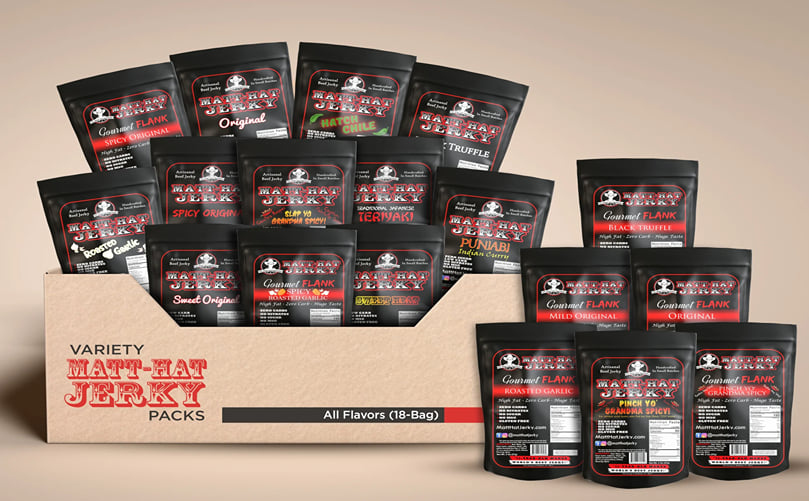
Resealable packaging formats, such as stand-up pouches with zipper closures or press-to-seal mechanisms, are designed to improve consumer convenience. These packages allow repeated opening and closing without exposing the entire contents to air and humidity, making them ideal for on-the-go consumption. After opening, resealable pouches help maintain quality for about one to two weeks at room temperature. Materials such as metallized films or foil laminates are commonly used to improve barrier properties while also offering strong branding potential, including options for transparent windows to showcase the product.
High-performance moisture and oxygen barriers are essential for preserving jerky quality. Advanced materials such as ethylene vinyl alcohol (EVOH) and metallized polyester films provide excellent resistance to water vapor and oxygen transmission, effectively reducing microbial growth and lipid oxidation. Oxygen absorbers are frequently included, particularly in non-vacuum packages, to eliminate any remaining oxygen and further prolong freshness. Additional innovations include low temperature or cold packing methods to minimize condensation and maintain texture, as well as the growing use of recyclable or biodegradable packaging materials to address sustainability concerns.
Overall, proper packaging is fundamental not only for ensuring the safety and shelf stability of beef jerky but also for enhancing its market appeal. Attractive package designs, portion-controlled formats such as single-serve packs, and clear compliance with food labeling and safety regulations contribute significantly to consumer trust and product success in the marketplace.
Protecting Quality: Beef Jerky Packaging Systems
Food Safety and Quality Standards for Beef Jerky
Food safety and quality standards for beef jerky production are strictly established to prevent foodborne illnesses, ensure consistent product quality and maintain consumer confidence. These standards emphasize hazard control at every stage of production, from raw meat handling to final packaging and are commonly implemented through structured systems such as Hazard Analysis and Critical Control Points (HACCP).
Moisture content and water activity (aₙ) are critical quality and safety indicators in beef jerky. Finished jerky typically contains 20–40 percent moisture, with most commercial products maintained below 30 percent, while water activity must remain under 0.85 to inhibit microbial growth. In practice, many manufacturers target aₙ values below 0.75 to provide an additional safety margin, as higher water activity levels can support the growth of pathogens such as Clostridium botulinum. The United States Department of Agriculture (USDA) recommends a moisture-to-protein ratio (MPR) of 0.75:1 or lower as a guideline for product stability and safety, although it is no longer enforced as a strict identity standard. Compliance is verified using analytical methods such as oven drying techniques or infrared moisture analyzers.
Microbial safety is a major concern in jerky production because pathogens including Salmonella, Escherichia coli O157:H7, Listeria monocytogenes and Staphylococcus aureus can survive if processing conditions are inadequate. To ensure safety, producers must validate lethality treatments capable of achieving at least a five-log reduction of Salmonella and a 6.5-log reduction of E. coli. This is commonly accomplished by heating beef to an internal temperature of 71 °C prior to or during drying. Maintaining high relative humidity, around 90 percent, during the initial heating phase enhances microbial lethality by preventing premature surface drying that could otherwise protect bacteria. Risks of post process contamination are minimized through strict sanitation programs and routine environmental monitoring.
Regulatory oversight for beef jerky is primarily managed by the USDA Food Safety and Inspection Service (FSIS) for meat products containing more than three percent raw beef or more than two percent cooked beef. Processing establishments are required to implement validated HACCP plans with clearly defined critical limits for time and temperature, pH often reduced below 5.0 using approved acids and salt concentration, generally exceeding three percent. The FSIS Compliance Guideline for Jerky outlines recommended practices such as pre-heating, drying within controlled temperature ranges and hygienic cooling to prevent recontamination.
Retail and small scale producers must apply similar validated controls to ensure the product qualifies as ready-to-eat. In India, regulatory bodies such as the Food Safety and Standards Authority of India (FSSAI) enforce comparable hygiene and safety requirements including testing for heavy metals, permitted preservatives and accurate allergen labeling.
Hygiene throughout processing is fundamental to meeting food safety and quality standards. This includes well defined sanitation standard operating procedures, comprehensive employee training and facility layouts designed to prevent cross contamination. Measures such as clean-in-place systems for equipment, routine pathogen testing of raw materials and strict allergen control programs are integral parts of quality assurance. In federally inspected facilities, continuous inspection ensures compliance, with recalls issued in cases of deviation. Beyond safety, quality standards also address sensory attributes such as texture, flavor and appearance, which are evaluated through shelf-life studies and consumer testing to ensure that beef jerky remains both safe and appealing throughout its intended storage period.
Types and Varieties of Beef Jerky
Beef jerky is available in a wide range of varieties that differ based on processing techniques, texture, flavor profiles and ingredient composition, allowing it to meet diverse consumer preferences, dietary requirements and cultural influences. These differences originate from traditional meat preservation practices that have evolved into modern, value-added snack products.
Traditional beef jerky represents the classic and foundational form. It is produced from lean strips of beef that are salted and air dried or dehydrated at low temperatures without the use of chemical tenderizers. This method results in a firm, chewy texture and a pronounced natural beef flavor. Seasoning is typically minimal, often limited to salt and pepper, reflecting ancient preservation methods such as South American ch’arki or Native American pemmican. The emphasis of this style is simplicity, durability and extended shelf life.
Tender beef jerky is designed to provide a softer and more palatable eating experience. This type is made using premium cuts such as eye of round and processed with enzymatic tenderizers derived from papaya or pineapple or through mechanical tenderization prior to marination. The resulting product has reduced toughness while maintaining structural integrity. Tender jerky is commonly marketed as “soft” or “tender-style” and is preferred by consumers who seek easier chewing without compromising protein content.
Smoked beef jerky is characterized by the incorporation of wood smoke such as hickory, mesquite or applewood, which imparts a distinctive smoky aroma and flavor. Smoking may occur during or after the drying process. Cold smoking conducted below 38 °C, focuses on flavor infusion and preservation, while hot smoking combines drying and smoking at temperatures between 63 and 74 °C to enhance microbial safety. Smoke derived phenolic compounds contribute both to flavor complexity and preservative effects, giving this variety a rustic and traditional appeal.
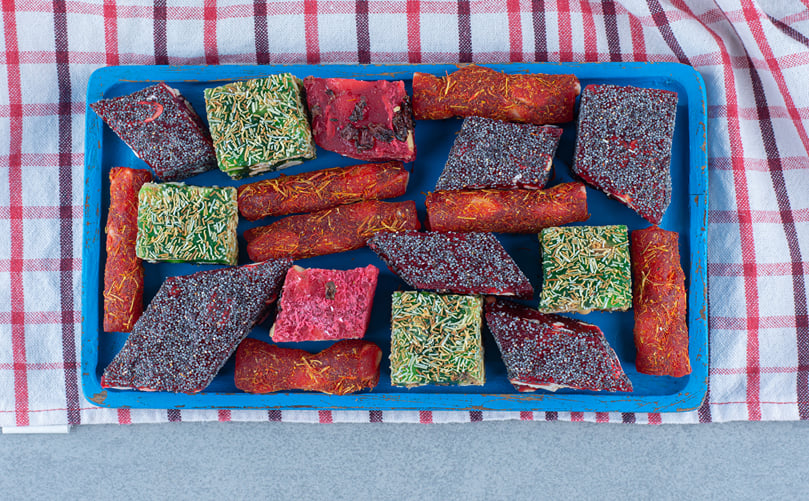
Flavored beef jerky expands beyond basic seasoning by incorporating marinades and spice blends to create diverse taste profiles. Popular varieties include teriyaki, which combines soy sauce, ginger and sweetness; peppered jerky, featuring cracked black pepper for heat; spicy jerky made with chili peppers or habanero; sweet and hot combinations using honey and cayenne; and specialty flavors such as garlic herb or barbecue. These products rely on spices, sweeteners and acids to enhance flavor, and many manufacturers now offer zero sugar options to cater to low carbohydrate or diabetic friendly diets.
Low sodium beef jerky is formulated to address health concerns related to excessive salt intake. This variety typically contains less than 300 milligrams of sodium per serving, representing approximately a 50 percent reduction compared to conventional jerky. Flavor and preservation are supported through the use of herbs, spices and salt substitutes such as potassium chloride. Low sodium jerky appeals to consumers managing blood pressure while still seeking high protein snack options.
Organic beef jerky is produced using grass fed beef raised without antibiotics or growth hormones and processed with natural ingredients free from monosodium glutamate, nitrates or artificial preservatives. These products often feature clean label claims, higher omega-3 fatty acid content and ethically sourced raw materials. Organic jerky commonly focuses on simple flavor profiles such as original or cracked pepper, targeting health-conscious and environmentally aware consumers.
Additional jerky types further broaden market diversity including slab jerky which is thick cut to deliver a more intense chew; ground and formed jerky, shaped into uniform strips or sticks for consistent texture; and hybrid products such as beef pork blends. Together, these variations demonstrate how beef jerky has evolved from a basic preserved meat into a versatile snack category with wide consumer appeal.
Exploring the Diverse Varieties of Beef Jerky
Beef Jerky Compared with Other Preserved Meat Snacks
Beef jerky, biltong, meat sticks and dried sausages all belong to the category of preserved meat snacks, yet they differ significantly in processing methods, texture, nutritional profile and flavor characteristics. These differences influence shelf life, sensory qualities and consumer appeal.
Beef jerky is produced by marinating lean beef strips and dehydrating them at relatively higher temperatures, generally between 63 and 74 °C. This process results in thin, dry and chewy strips with a firm texture. Jerky is often seasoned with salty, sweet or spicy marinades and may be smoked to enhance flavor. Nutritionally, it is valued for its high protein content, typically providing about 9–13 grams of protein per ounce, although it usually contains relatively high sodium levels due to curing and seasoning.
When compared with biltong, beef jerky differs mainly in drying technique and final texture. Jerky is heat dried, which gives it a tougher, more cooked like texture and often a smoky flavor. In contrast, biltong is air dried at low temperatures, usually below 30 °C, after being cured with vinegar and spices. This method produces thicker slices that are more tender and slightly moist with a tangy, savory taste and a pronounced natural beef flavor. Biltong generally contains little to no added sugar and retains higher moisture, making it softer than jerky. While both products offer similar protein levels, biltong often uses fewer additives and is considered raw cured rather than heat processed.
In comparison with meat sticks, such as snack sticks, beef jerky is made from whole-muscle strips or formed meat without casings and is fully dehydrated for shelf stability. Meat sticks are produced from ground meat, often a blend of beef and pork, mixed with seasonings and preservatives, then fermented or smoked and stuffed into collagen or synthetic casings. This results in a semi-moist product with a softer, snappy bite. Meat sticks typically contain higher fat and calorie levels and lower protein density than jerky, but they are often perceived as more convenient and easier to eat.
When compared to dried sausages like salami or pepperoni sticks, beef jerky is leaner and drier, relying primarily on dehydration rather than fermentation. Jerky generally contains lower fat levels, often around 1–5 grams per ounce and delivers a pronounced chewy texture with a strong emphasis on protein which can account for up to half of its weight. Dried sausages on the other hand undergo curing and fermentation during which lactic acid bacteria develop tangy flavors and contribute to preservation. These products are higher in fat, providing a richer mouthfeel and more complex spice profiles and may sometimes require refrigeration. Nutritionally, dried sausages balance fat, protein and small amounts of carbohydrates, whereas beef jerky is primarily positioned as a high protein, low fat snack.
Overall, while all these products serve as preserved meat snacks, beef jerky stands out for its lean composition, intense chew and protein focused nutritional profile, distinguishing it clearly from biltong, meat sticks and dried sausages.
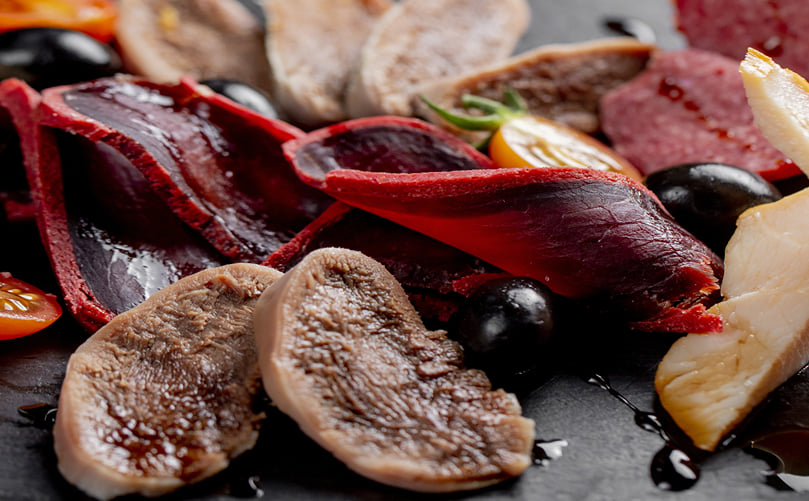
How Beef Jerky Stands Out Among Meat Snacks
Market Trends, Regional Dynamics, Consumer Demand and Leading Companies in the Beef Jerky Industry
The global beef jerky market continues to demonstrate strong growth momentum into 2026, driven by rising demand for high protein, convenient snack options amid increasing health awareness and fast paced lifestyles. As of 2026, the global beef jerky market is valued at approximately USD 4.21 billion and is projected to reach USD 6.60 billion by 2035, growing at a compound annual growth rate (CAGR) of about 5.1%. Broader meat jerky snack market estimates indicate a valuation of USD 6.34 billion in 2025, expected to increase to USD 6.76 billion in 2026, with a higher CAGR of 6.85%, potentially reaching USD 10.09 billion by 2032.
Key market trends include the rapid expansion of premium and artisanal jerky products, growing consumer interest in innovative flavor profiles such as spicy, sweet heat and globally inspired seasonings and a strong shift toward clean-label formulations free from artificial preservatives, nitrates and excess sugars.
Sustainability has become a critical differentiator, with manufacturers increasingly adopting eco-friendly packaging, ethically sourced beef and transparent supply chains. Technological advancements such as AI enabled supply chain optimization, precision drying systems and digital quality monitoring are also reshaping production efficiency and consistency. Additionally, the emergence of plant based and hybrid jerky alternatives has influenced traditional beef jerky producers to strengthen sustainability claims and diversify product portfolios. Growth in e-commerce and direct-to-consumer models including subscription services continues to enhance market accessibility and personalization.
Regional Market Dynamics
North America remains the dominant region, accounting for the largest share of the global beef jerky market in 2025, supported by strong consumer preference for protein rich snacks and the presence of well established brands. The United States alone generated approximately USD 1.0 billion in beef jerky revenue, driven by convenience store sales, online retail and sports nutrition demand.
Europe follows, with the United Kingdom projected to register the fastest growth rate between 2025 and 2030, fueled by increasing adoption of healthy, on-the-go snacking habits.
The Asia Pacific region is emerging as a high growth market, particularly in Japan, South Korea and China, where rising disposable incomes, urbanization and Western dietary influences are accelerating demand. This region is expected to experience significant expansion through 2033.
Latin America and the Middle East & Africa exhibit moderate growth, supported by urban lifestyle shifts and increasing interest in convenient, protein rich foods, although logistical and supply chain challenges remain. Overall, the global meat snacks market including jerky was valued at USD 14.5 billion in 2025 and is projected to reach USD 29.4 billion by 2035, growing at a 7.4% CAGR, with regional growth patterns reflecting economic development and cultural preferences.
Consumer Demand Trends
Consumer demand is strongly influenced by millennials and Gen Z, who prioritize nutrition, convenience, sustainability and ethical sourcing. Beef jerky is widely consumed for muscle recovery, weight management and sustained energy, particularly among athletes, travelers and busy professionals. Demand continues to rise for low carbohydrate, keto-friendly, paleo and gluten free options, with surveys suggesting that nearly 70% of consumers are willing to pay a premium for organic, grass fed or responsibly sourced products.
Flavor diversity remains a major purchase driver, while heightened health awareness has increased interest in low sodium and nitrate free formulations. Although inflation affects price sensitivity, premium jerky segments continue to perform well as consumers increasingly view jerky as a functional, value added snack. Convenience stores and online platforms remain the primary purchase channels, with impulse buying supported by attractive packaging and branding.
Leading Companies in the Beef Jerky Market
As of 2026, Jack Link’s holds a leading position in the global beef jerky market, supported by extensive distribution networks, a wide flavor portfolio and strong brand recognition. Oberto Sausage Company maintains a significant presence, emphasizing premium ingredients and traditional recipes. Conagra Brands, Inc., through products such as Slim Jim, dominates mass market segments with strong retail penetration.
Premium and health focused brands such as EPIC Provisions, Archer Country Grass Fed and JerkyPro appeal to consumers seeking organic, grass fed and clean label products. Emerging artisanal brands including Stoney Point Premium Snacks and MADE BY TRUE, are gaining traction through private label production, customization and innovation. Leading companies continue to invest in research and development, flavor innovation, sustainability initiatives and strategic acquisitions to expand market share and meet evolving consumer expectations.
Sustainability and Ethics in the Beef Jerky Industry
Sustainability and ethical practices in the beef jerky industry focus on responsible sourcing, reducing environmental impact, ensuring animal welfare and maintaining transparency across the supply chain. These considerations have gained prominence as consumers increasingly favor products that align with environmental responsibility and humane production standards.
Responsible meat sourcing is a cornerstone of sustainability efforts. Many brands now prioritize grass fed and regeneratively raised beef sourced from local, family owned farms that follow ethical and sustainable farming practices. Regenerative agriculture helps restore soil health, enhance biodiversity and sequester carbon, thereby reducing the overall environmental footprint of beef production. Grass fed certifications often ensure cattle are raised without routine antibiotics or growth hormones, producing meat with favorable nutritional attributes such as higher omega-3 fatty acid content while supporting ecosystem resilience.
Animal welfare is a key ethical concern within the industry. Humane handling practices, low stress rearing environments and access to open grazing spaces contribute to improved animal well being and meat quality. Methods such as stress minimized herding and natural foraging align closely with consumer values, as increasingly informed buyers prefer brands that demonstrate a clear commitment to ethical livestock management.
From an environmental perspective, food waste reduction is an important sustainability benefit of beef jerky production. Dehydration preserves surplus meat that might otherwise spoil, extending shelf life and reducing losses across the supply chain. This efficiency contributes to lower overall resource waste and helps mitigate some of the environmental pressures associated with beef production. Advances in agricultural science and processing technology further support the balance between productivity and conservation, promoting long term industry viability.
Eco-friendly packaging is another growing focus area. Many manufacturers are transitioning to recyclable, biodegradable or reduced plastic packaging solutions to minimize environmental impact. These initiatives align with broader industry and regulatory efforts aimed at waste reduction. Alongside packaging, ingredient transparency has become increasingly important, with brands emphasizing natural spices and avoiding synthetic additives. This approach not only reduces environmental burden but also appeals to health-conscious consumers.
Social sustainability extends beyond environmental and animal welfare concerns to include labor rights, community engagement and equity within the supply chain. Environmental, Social and Governance (ESG) frameworks increasingly influence industry practices, encouraging fair labor conditions, ethical sourcing and transparent business operations. In some regions, such as mountainous areas of Vietnam, initiatives like the One Commune One Product (OCOP) program support sustainable jerky production while contributing to rural development and poverty alleviation. However, challenges related to awareness, accessibility and ethical oversight remain, underscoring the need for continuous monitoring and accountability.
Overall, the beef jerky industry is gradually evolving toward a more balanced approach that integrates sustainability and ethics into production and marketing strategies. Brands that invest in responsible sourcing, humane practices and environmentally conscious packaging are gaining a competitive advantage. At the same time, consumer choices play a critical role in reinforcing these values helping to shape a more responsible and sustainable beef jerky sector.