

Introduction: Why Climate Change Matters for Potato
Potato (Solanum tuberosum) is one of the world’s most important food crops, ranking fourth among staple foods after rice, wheat and maize. Global production exceeds 350 million tonnes annually, making potato a critical contributor to food and nutritional security. It provides affordable, energy-dense food (Approximately 750–800 kcal per kg) along with key nutrients such as vitamin C, vitamin B6, potassium and dietary fiber. Potatoes support the diets and livelihoods of more than a billion people, particularly in regions such as South Asia, sub-Saharan Africa and the Andean highlands, where they play a central role in smallholder farming systems.
As a cool-season crop, potato growth and productivity are tightly regulated by environmental conditions. Optimal vegetative growth occurs at daytime temperatures of 15–20 °C, while tuber initiation and bulking require cooler night temperatures (generally below 18 °C). The crop also depends on reliable water availability (approximately 500–700 mm per growing season) and favorable photoperiods of 12–14 hours. Even small deviations from these conditions can disrupt photosynthesis, source–sink relationships and assimilate partitioning, ultimately reducing yield and tuber quality.
Climate change significantly amplifies these vulnerabilities. Rising temperatures, more frequent heat waves, erratic rainfall patterns, and increasing atmospheric CO₂ concentrations are already altering potato-growing environments. Without effective adaptation, climate change is projected to cause substantial yield losses (up to Approximately 30% in some regions), increased incidence of physiological disorders, poorer processing quality and greater pest and disease pressure. These impacts translate into 10–50% income losses for farmers in highly vulnerable regions, threatening rural livelihoods and destabilizing potato supply chains. Consequently, climate change poses not only an agronomic challenge but also a serious risk to global food security, underscoring the urgent need for climate-resilient potato production systems.
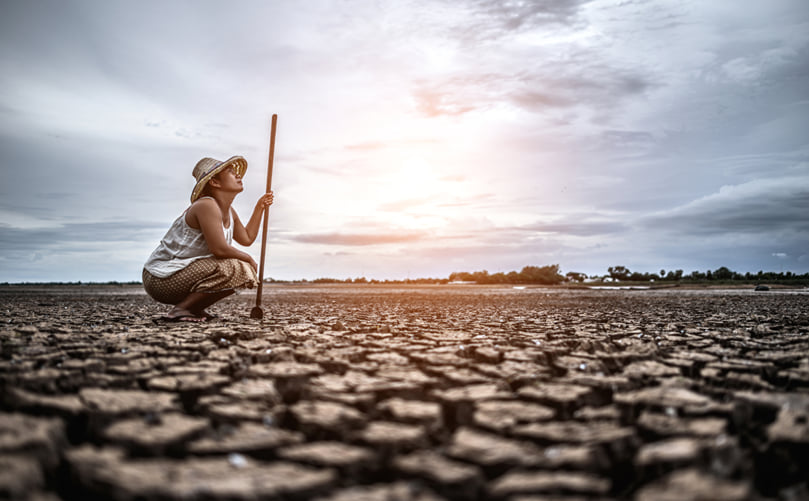
Climate Change Risks to Global Potato-Based Food Security
Impacts of climate change on potato production
Key Climate Change Factors Affecting Potato Climate change imposes multiple, interacting abiotic stresses on potato cultivation, each disrupting core physiological processes that govern growth, tuber initiation and quality. The most influential drivers are rising temperatures, altered precipitation regimes, and elevated atmospheric CO₂. Below is a corrected, streamlined and scientifically aligned version of your section, with improved clarity, consistency and tone while retaining technical depth.
Rising Temperatures
Potato is inherently adapted to cool environments, with optimal vegetative growth at 15–20 °C (day) and 10–15 °C (night). Temperatures exceeding 25 °C initiate a cascade of physiological constraints that compromise productivity. Climate projections indicate a 1–4 °C increase by mid-century under moderate emission scenarios, with nighttime temperatures rising faster than daytime temperatures intensifying respiratory carbon losses. During tuber initiation (≈30–50 days after emergence), exposure to heat stress (>25 °C) suppresses tuberization by disrupting hormonal balance, particularly gibberellin cytokinin signaling, resulting in 20–50% reductions in tuber set. Experimental studies show that a 5 °C temperature increase during this stage can reduce tuber numbers by up to 50% in heat-sensitive cultivars such as ‘Russet Burbank’.
Respiration rates increase exponentially with temperature (approximately doubling per 10 °C rise), accelerating carbohydrate depletion. Prolonged exposure to >30 °C for 7–14 days can reduce total biomass by 40–80%, driven by reduced net photosynthesis, increased photorespiration and impaired canopy development.
During the tuber bulking stage (approximately 60–120 days), heat stress inhibits starch synthase activity and alters assimilate partitioning, producing malformed tubers (elongation, bottlenecks, knobbiness). These defects can reduce marketable yield by 15–30%, with field trials in hot environments reporting ≈25% quality downgrades under peak temperatures above 35 °C. Although limited acclimation responses (e.g., improved Rubisco efficiency) may enhance post-stress photosynthesis by 10–15% in tolerant genotypes, overall impacts remain severe. Without adaptation, warming alone could reduce global potato yields by 18–32%, with losses approaching 50% in tropical and subtropical regions by 2050.
Changing Rainfall Patterns
Climate change is intensifying precipitation variability, marked by longer droughts and more frequent extreme rainfall events. Climate models project 10–20% declines in seasonal rainfall in several subtropical potato-growing regions, alongside a 20–50% increase in rainfall extremes globally.
Potatoes require approximately 500–700 mm of well-distributed water per season. Deviations either below approximately 60% field capacity or above soil saturation induce osmotic or hypoxic stress, respectively, explaining 30–50% of yield variability in rainfed systems. Drought stress reduces root growth and stomatal conductance, limiting leaf expansion by 20–40% and photosynthesis by 15–30%, resulting in 13–63% yield losses. Water deficits during tuber initiation are particularly damaging, reducing tuber numbers by approximately 25%, while mid-season stress during bulking restricts tuber size due to impaired cell division and expansion.
Tuber quality is highly sensitive to irregular moisture supply. Rapid rehydration after drought promotes cracking (10–25%), hollow heart (up to 15%), and shape deformities, reducing marketable yield by 20–50%. Conversely, intense rainfall events (>50 mm day⁻¹) cause waterlogging, fostering anaerobic conditions that favor soft rot (Erwinia spp.) and Pythium leak, leading to 10–30% yield losses. Wet soils also increase mechanical damage during harvest, adding 5–15% post-harvest losses.
These dual stresses increase dependence on irrigation. In water-scarce regions such as the Indo-Gangetic Plain, climate-driven deficits may require 20–40% additional supplemental irrigation, while inefficient surface irrigation systems can lose up to 50% of applied water. Targeted irrigation during tuber initiation and early bulking can offset 30–50% of drought-related yield losses, highlighting the importance of climate-smart water management.
Elevated Atmospheric CO₂
Rising atmospheric CO₂ concentrations from current levels (~420 ppm) to 550–900 ppm by the end of the century present both opportunities and challenges for potato, a C₃ crop. Elevated CO₂ (eCO₂) enhances photosynthesis by reducing photorespiration and increasing radiation-use efficiency. FACE (Free-Air CO₂ Enrichment) studies report 20–40% increases in canopy biomass, with leaf area index rising 15–25%, translating into 23–39% gains in total dry matter and tuber yield under optimal water and nutrient supply.
However, tuber responses are complex. While bulking rates may increase by 10–20%, tuber dry matter concentration often declines by 5–10%, reducing specific gravity and processing quality. Nutrient dilution is a major concern: tuber nitrogen concentrations decline by 10–15%, phosphorus by 5–10%, and micronutrients such as iron and zinc by 8–12%, leading to 6–9% reductions in crude protein. These effects exacerbate micronutrient deficiencies (“hidden hunger”) in populations heavily dependent on potato-based diets.
Although water-use efficiency improves by 20–30% under eCO₂ due to partial stomatal closure, nitrogen demand increases by 15–20% to sustain yield gains. Crucially, the benefits of elevated CO₂ are often offset by warming. Combined exposure to +2 °C temperature and +200 ppm CO₂ typically reduces net yield gains to approximately 5–10%, as heat stress constrains photosynthesis and tuberization. Consequently, while eCO₂ may offset 9–20% of projected yield losses in temperate regions, benefits in tropical systems are likely minimal due to compounded thermal and water stresses.

Key Climate Change Factors Affecting Potato
Impact on Potato Growth and Development
Climate stressors disrupt the potatoes triphasic growth cycle vegetative establishment, tuber initiation (TI) and tuber bulking by altering phenology, carbon allocation and sink strength, with cascading effects on yield and quality. Process-based models (e.g., SUBSTOR-Potato), evaluated against CMIP6 climate projections, indicate 10–25% compression of the crop cycle by mid-century, intensifying risks for short-day adapted cultivars.
Delayed or Impaired Tuberization: Tuber initiation, regulated by short photoperiods and cool night temperatures, is highly sensitive to heat (>25 °C) and soil moisture deficits. Elevated temperatures and drought delay stolon primordia formation by 5–15 days and reduce tuber set by 30–60%. Warm nights suppress gibberellin (GA) catabolism, favoring shoot growth over stolon swelling and resulting in 20–40% fewer tubers as reported in Andean trials where +3 °C shifted assimilate priority to aboveground sinks. Elevated CO₂ (eCO₂) can partially offset stress (Approximately 10–15% higher initiation), but water stress predominates, causing 25% tuber abortion under combined heat–drought scenarios.
Shortened Crop Duration: Rising temperatures accelerate development and hasten senescence, shortening the typical 90–120-day crop duration by Approximately 7–21 days per 1 °C increase. This truncation reduces bulking duration by 15–30%, limiting starch deposition and final yield. Asymmetric night-time warming disproportionately increases thermal time accumulation (Growing Degree Days +10–20%), further compressing growth phases. Drought compounds these effects by triggering early maturity signals. While eCO₂ may extend vegetative growth by Approximately 5–10 days, this extension does not consistently translate into increased tuber growth when sink capacity or nutrients are limiting.
Altered Source–Sink Balance: Heat and drought disrupt carbon partitioning by impairing sucrose export from leaves (source) to tubers (sink), diverting ~15–35% of assimilates to maintenance respiration or root growth. This shift elevates canopy and tuber ratios (Approximately 1.5:1 under stress vs. Approximately 0.3:1 under optimal conditions). Although eCO₂ enhances photosynthetic capacity (Approximately 25% higher Pn), sink demand often remains constrained especially under nitrogen limitation leading to carbohydrate accumulation in foliage rather than tubers. Mild, transient drought can temporarily favor tuber partitioning and raise HI, but chronic or severe stress produces 20–40% partitioning imbalances.
Reduced Harvest Index: The harvest index (HI; tuber biomass/total biomass) declines by 5–25% from optimal baselines (Approximately 0.7–0.8) under combined stressors, primarily due to reduced sink strength and constrained carbon export. Heat stress alone can lower HI by 10–15% via increased respiratory losses. Integrated projections under high-emissions scenarios estimate 15–30% HI reductions, although irrigation and eCO₂ fertilization can recover 10–18%. Beyond yield losses, these disruptions elevate post-harvest risks: poorly developed tubers exhibit 10–20% higher respiration rates, shortening storage life and increasing quality deterioration.
Effects on Yield and Quality
Climate change causes substantial declines in both total and marketable potato yields, while simultaneously degrading tuber quality, through interacting heat, drought and CO₂-driven stresses that disrupt processes from tuber initiation to maturation and storage. Integrated modeling and field evidence based on CMIP6 scenarios project global yield reductions of 18–32% by the end of the century under high-emission pathways, with South Asia and sub-Saharan Africa emerging as major hotspots where 30–50% losses by mid-century are likely due to compounded thermal and water stress. These reductions arise from shortened crop duration, impaired carbon partitioning and heightened post-harvest respiration, although CO₂ fertilization and adaptive management may enable net yield gains of 9–20% in cooler temperate regions.
Marketable yield is disproportionately affected, declining 20–40% because of size heterogeneity, deformities and internal discoloration. For example, Prince Edward Island (PEI) simulations under SSP5–8.5 indicate 2–80% marketable yield losses by the 2090s, consistent with trends observed in historical datasets (2000–2017), highlighting escalating risks for processing-oriented production systems.
Decline in Total and Marketable Yield
Potato yield is optimized at mean growing-season temperatures near 16–18 °C; sustained warming above this threshold suppresses tuber initiation and bulking. Simulation studies for India project 3–16% yield losses by the 2030s relative to late-20th-century baselines, with regional declines approaching 30% under drought-prone futures.
In the U.S. Pacific Northwest, recent heatwave years have shown 15–25% reductions in tuber number and 10–20% reductions in individual tuber weight, while increased rainfall variability accounts for 40–60% of interannual yield fluctuations in rainfed systems. Canadian projections for PEI suggest severe declines under current practices, with up to 80% yield reductions by late century under high-emission scenarios, although supplemental irrigation can mitigate ~30–50% of these losses. Globally, synthesis studies indicate that unadapted potato yields may decline 10–26% by the 2080s, with marketable yield fractions declining more sharply due to inconsistent sizing and quality defects.
Quality Deterioration
Low Dry Matter Content: Heat stress and elevated CO₂ frequently reduce tuber dry matter (DM) by diluting starch accumulation. Typical DM levels of 20–22% can decline to 15–18% under combined stress, as shown in FACE and controlled-environment studies. Reduced leaf area and early senescence under warming limit assimilate supply during bulking, exacerbating 10–15% DM losses in subtropical and tropical environments. Lower DM compromises texture, frying efficiency and storability.
Poor Frying Quality: Thermal stress especially when followed by cool storage elevates reducing sugars, intensifying Maillard browning during frying. Processing trials report 15–30% rejection rates due to dark fry color, alongside 20–25% higher oil uptake in low-DM tubers, negatively affecting consumer acceptance and processing efficiency.
Increased Sugar Accumulation: Heat and drought stress increase glucose and fructose concentrations by 20–50%, with exposure to temperatures >25 °C commonly inducing 10–20% sugar increases. Elevated sugar levels degrade fry color scores, increase acrylamide risk and reduce nutritional and sensory quality.
Processing Challenges for Chips and Fries
Declines in specific gravity under elevated CO₂ and heat stress reduce processing suitability, contributing to 5–10% increases in acrylamide formation and 10–20% higher rejection costs for processors. Nutritional quality is also affected reductions of 6–9% in protein and 5–8% in calcium and potassium have been reported, altering crispiness, flavor and nutritional value. Industry assessments estimate hundreds of millions of dollars in annual global losses by the 2030s if adaptation remains limited. Recent wet and warm growing seasons in Europe have already caused >20% quality downgrades, underscoring the urgency of stress-tolerant cultivars and climate-resilient management to safeguard the 40% of global potato production destined for processing.
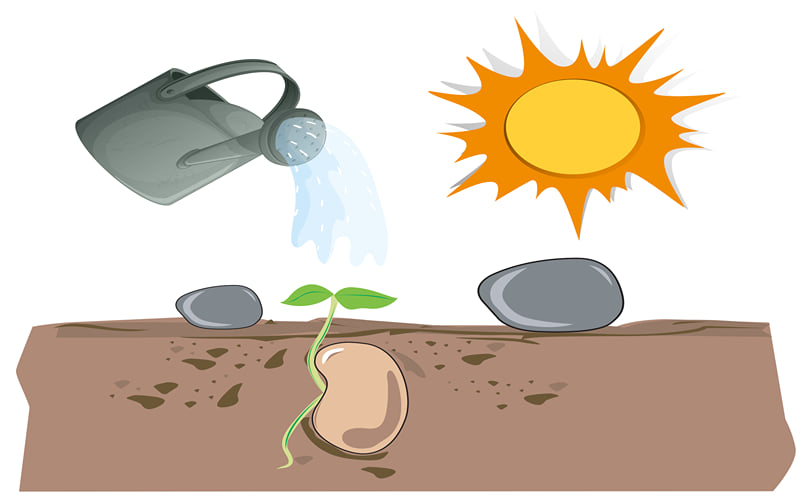
Climate Stress Effects on Potato Growth and Tuber Development
Climate Change and Potato Pests & Diseases
Climate change through rising temperatures, altered precipitation regimes, and more frequent extremes is reshaping the distribution, phenology and aggressiveness of potato pests and pathogens. These biotic pressures increasingly interact with abiotic stress, adding an estimated 10–20% yield loss beyond direct heat and drought effects. Recent syntheses highlight that warmer and more humid growing seasons are effectively “supercharging” pest and disease risks by accelerating life cycles, increasing overwinter survival and expanding suitable habitats. Under warming scenarios, insect pests may complete 20–50% more generations per season, while fungal sporulation rates can increase by 15–30% in humid environments.
Late blight (Phytophthora infestans), which already causes USD 4–6 billion in annual global losses, illustrates this dynamic. Temperatures of 15–25 °C combined with high relative humidity enhance lesion expansion by 20–40%, shortening epidemic cycles from 7 days to 4–5 days. Climate projections under RCP4.5–8.5 indicate 10–30% increases in late blight incidence by mid-century across Europe and Asia. Simultaneously, vector-borne viruses such as Potato virus Y (PVY) are expected to intensify as aphid populations expand under warmer conditions. Expansion of Pest Ranges: Milder winters and longer growing seasons are enabling poleward and altitudinal expansion of key potato pests. Models project northward shifts of 300–500 km by 2050 for aphids (e.g., Myzus persicae) and potato tuber moth (Phthorimaea operculella). In North America, tuber moth pressure has increased markedly in recent years, contributing to 10–15% tuber mining damage in newly affected regions.
Drought-stressed plants emit altered volatile profiles that attract Colorado potato beetle (Leptinotarsa decemlineata), facilitating its establishment in cooler regions of Canada and northern Europe, where defoliation risks of 20–30% have been reported in the absence of effective control.
Increased Late Blight Risk: The climatic envelope favorable for P. infestans (10–25 °C; >90% RH) is expanding. Warming trends extend conducive periods by 2–4 weeks per season, increasing disease severity by 25–50% in parts of the Asia–Pacific region. Modeling studies suggest 15–35% higher spore production under +2 °C warming, potentially eroding the effectiveness of host resistance. Erratic rainfall further exacerbates outbreaks by enhancing splash dispersal; for example, wet spring conditions in Europe have recently been associated with 20–40% yield losses in severely affected fields.
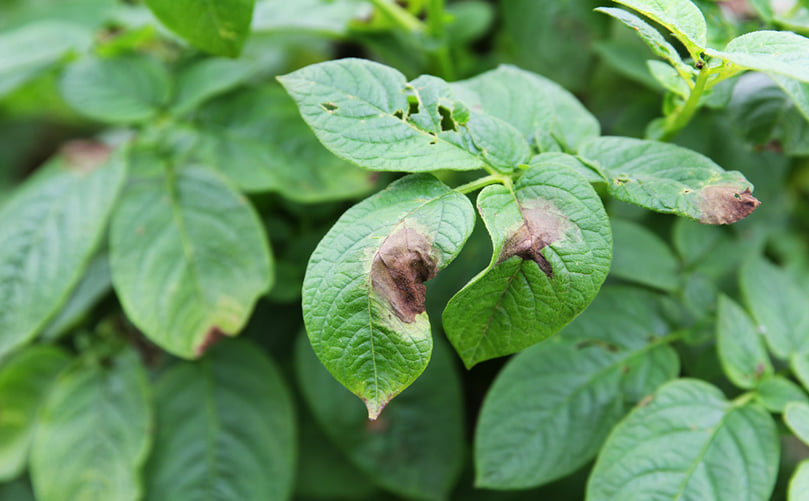
Disease Expression of Late Blight in Potato Under Favorable Conditions
Faster Disease Cycles Under Warmer Climates: Rising minimum temperatures accelerate the development of soil and tuber-borne pathogens. Rhizoctonia solani and Fusarium spp. show 10–20% faster germination and infection rates, compressing disease cycles by 15–25% in subtropical systems. These shifts are linked to 10–15% yield penalties from black scurf and dry rot. Similarly, bacterial wilt (Ralstonia solanacearum), favored by warm and waterlogged soils is expanding into new regions, with modeled range shifts of 200–400 km in parts of Africa and Asia.
Rising Pesticide Dependence and Management Challenges: Escalating pest and disease pressure is likely to increase reliance on chemical controls, with projections indicating 20–40% more pesticide applications in some regions. This intensifies selection for resistance already reported at 30% in certain aphid populations and heightens environmental and health risks. Economic assessments estimate USD 1–2 billion in additional global production costs by the early 2030s, with smallholder farmers particularly vulnerable to 15–25% reductions in profit margins.
Integrated pest management (IPM) strategies including resistant cultivars, crop rotation, trap crops and improved forecasting can reduce losses by 20–30%, but increasing climate variability complicates prediction and timely intervention. Strengthening climate-resilient IPM frameworks will be critical to sustaining potato productivity under future climates.
Soil Health and Nutrient Dynamics
Climate change progressively degrades soil health in potato-based systems by intensifying erosion, altering microbial processes and disrupting nutrient cycling, thereby reducing soil fertility and increasing crop vulnerability to abiotic stress. Heavy rainfall events enhance nutrient leaching, while prolonged drought and warming suppress mineralization and root activity. Over time, these pressures reduce soil organic matter (SOM) particularly in sandy soils that dominate 40% of global potato acreage by ~5–15% over several decades.
SOM plays a critical buffering role by improving water-holding capacity (20–30% increase) and sustaining nitrogen supply through gradual mineralization, which can offset 10–20% yield losses under stress. However, rising temperatures accelerate SOM decomposition, increasing soil CO₂ emissions by 15–25% and reinforcing negative climate–soil feedbacks. Model projections suggest that, without soil-focused interventions, potato tuber yields could decline by 30% by mid-century, highlighting the tight linkage between soil degradation and productivity.
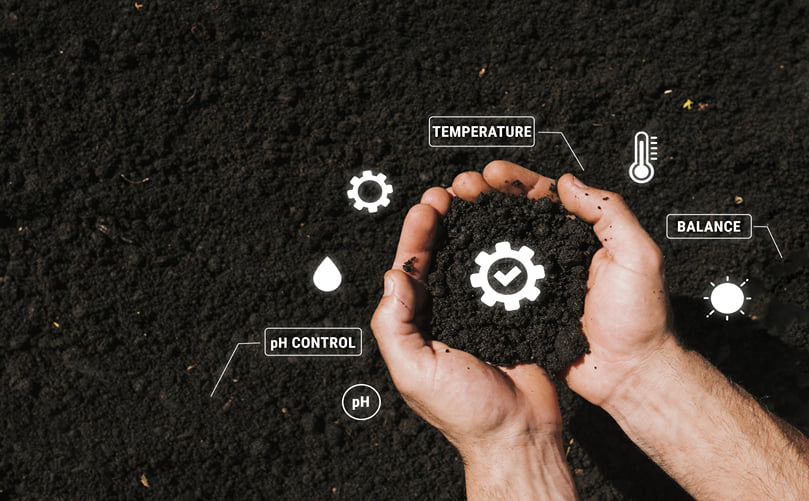
Effects of Climate Extremes on Soil Health
Increased Nutrient Leaching Under Heavy Rainfall: The frequency and intensity of extreme rainfall events (>50 mm day⁻¹) are projected to increase by 20–50%, greatly enhancing leaching of mobile nutrients such as nitrate-N and sulfate-S. Sandy potato soils can lose ~25–50 kg N ha⁻¹ yr⁻¹, translating into 15–30% reductions in plant-available nitrogen. Studies from the Andes and the Indo-Gangetic Plain indicate that such losses may raise fertilizer requirements by ~20%, increasing production costs and environmental risks.
Reduced Nutrient Uptake Under Heat and Drought Stress: Elevated soil temperatures (>25 °C) impair beneficial mycorrhizal associations, reducing phosphorus uptake by 10–25%, while drought limits transpiration-driven mass flow, decreasing potassium uptake by 15–20%. Combined heat–drought stress can result in 20–35% nutrient deficiencies in rainfed systems. Supporting evidence from field experiments shows 10–15% declines in root biomass under +2 °C warming, further constraining nutrient acquisition and exacerbating imbalances.
Impacts on Key Nutrients
Nitrogen Use Efficiency (NUE): Nitrogen use efficiency typically declines by 15–25% under climate stress due to enhanced volatilization (increasing by 20% in warm soils) and denitrification during wet–dry cycles. These processes elevate N₂O emissions by 30–50%, contributing to greenhouse forcing. Soils with higher SOM content can partially buffer these losses, recovering 10–15% of NUE through improved nutrient retention and slow-release mineralization.
Potassium and Calcium Availability: Increased leaching and rainfall-induced soil acidification reduce potassium availability by 10–20% and calcium by 15%, predisposing tubers to physiological disorders such as corky core, with reported incidences of 5–10% under stress-prone conditions. Management interventions including cover cropping and organic amendments can restore 20% nutrient availability and improve farm profitability by 15–25%. Precision nutrient strategies such as variable-rate fertilization and split applications can mitigate 20–30% of nutrient losses, although their effectiveness depends on regular soil health monitoring.
Water Use and Irrigation Challenges
Potato cultivation requires precise and timely water management, with seasonal crop water requirements typically ranging from 500 to 700 mm, depending on cultivar, climate and soil type. Climate change is intensifying evapotranspiration (ET) and destabilizing rainfall patterns, placing growing pressure on both rainfed and irrigated potato systems. CMIP6-based projections indicate a 5–15% increase in ET per 1 °C of warming, driven by higher vapor pressure deficits, elevated night temperatures and longer effective growing seasons. As a result, irrigation demand in subtropical and semi-arid regions could rise by 20–40% by mid-century, intensifying competition for water among agriculture, domestic use and ecosystems.
Regional examples illustrate these trends. In Bangladesh, increasing temperature variability and erratic monsoon rainfall have widened seasonal water deficits; AquaCrop simulations under high-emission scenarios project 10–25% higher irrigation requirements, exacerbating competition with rice cultivation and urban demand. Recent growing seasons in southern and central Europe have shown how combined heat–drought cycles can reduce soil moisture by 30–50%, delaying planting and increasing supplemental irrigation needs by 15–20%. In Prince Edward Island (PEI), Canada, modest declines in precipitation (3–13%) combined with rising ET (5–10%) are projected to compress water availability during the critical tuber bulking stage. Similarly, studies from the northwestern Himalayan region show peak potato ET rates of 4–6 mm day⁻¹ during flowering and early bulking, where unmanaged deficits can impose 20–30% yield penalties, emphasizing the need for site-specific irrigation scheduling.
Higher Evapotranspiration Demand: A temperature increase of 1–2 °C typically elevates potato crop ET by 5–10%, equivalent to up to 100 mm additional seasonal water demand. Field experiments in arid and semi-arid regions demonstrate that full ET replacement maximizes tuber yield under warming conditions, whereas deficit irrigation at 80% ET can reduce yields by 15–25% due to stomatal closure, reduced canopy turgor and shortened bulking duration. In mid-latitude regions such as the Indo-Gangetic Plain, projections suggest 10–20% ET increases by the 2030s, reducing the effectiveness of rainfall contributions and amplifying heat stress during reproductive stages.
Water Scarcity in Traditional Potato-Growing Regions: Approximately 25–30% of global potato acreage notably in sub-Saharan Africa and the Andean highlands is increasingly constrained by water scarcity. Modeling studies for Africa project 20–35% irrigation shortfalls by the mid-2020s to 2030s, driven by 15% declines in effective rainfall combined with rising abstraction for domestic and industrial use. In western Canada, declining groundwater availability and competing demands may result in 10–15% production losses by the 2040s without improved efficiency. Coastal regions of Bangladesh face additional challenges from salinity intrusion, affecting 20% of irrigated lands and forcing yield trade-offs of 30% unless salt and water-tolerant strategies are adopted.
Need for Climate-Resilient Water Management
Precision Irrigation: Adoption of precision irrigation technologies such as drip systems guided by soil moisture sensors (e.g., maintaining matric potentials of −20 to −40 kPa) can deliver 20–30% water savings while improving yields by 10–15%. Trials in PEI have shown that variable-rate irrigation maintaining 50–90% plant-available water (PAW) sustains yield and quality during bulking. Research from Alberta further indicates 15–25% gains in irrigation efficiency using IoT-enabled scheduling, particularly in coarse-textured soils prone to leaching and over-irrigation.
Water-Use-Efficient Systems: Water-saving strategies such as regulated deficit irrigation (60–80% ET) and partial root-zone drying (PRD) can enhance water productivity by 15–25 kg tubers m⁻³ of water applied, provided stress is avoided during tuber initiation and early bulking. Drip irrigation trials integrating optimized nitrogen management have reported 20% higher tuber yields per hectare and 10–20% improvements in water productivity. Decision-support tools (e.g., CropWat and AquaCrop) enable scenario-based planning by aligning irrigation thresholds (40–80% PAW) with crop stage, thereby optimizing water use before and after canopy closure.
Climate Change and Potato Storage & Supply Chain
Climate change is increasingly amplifying post-harvest losses and supply-chain instability in potato systems by disrupting tuber physiology at harvest, accelerating deterioration during storage, and increasing exposure to pathogens under warmer and more humid conditions. Global assessments project 10–25% increases in storage losses by mid-century, driven by shortened dormancy, elevated respiration rates, and greater disease pressure. A 2024 synthesis highlights that climate stress experienced pre-harvest such as heat and drought predisposes tubers to higher post-harvest losses, including 5–15% greater weight loss and 10–20% higher disease incidence during storage.
Supply chains are also becoming more volatile. Recent extreme events have triggered large regional yield swings of 20–40%, contributing to market gluts in some regions and shortages in others. For example, weather-driven disruptions in Europe and North America have resulted in 16–25% increases in processed potato prices, while low-income regions face disproportionate losses. In sub-Saharan Africa, post-harvest losses can reach about 40% (approximately 1.2 million tonnes annually), translating into multi-billion-dollar economic losses, as rising ambient temperatures shorten shelf life by 20–30% in the absence of climate-adapted storage infrastructure. Global commodity analyses warn that increasingly frequent extremes will continue to reshape sourcing patterns, exacerbating price instability and food security risks.
Drivers of Increased Storage Losses
Heat Stress at Harvest: Tubers harvested following heatwaves above 30 °C exhibit 10–20% higher respiration rates, accelerating carbohydrate depletion and transpiration-driven weight loss of 5–10%. Heat-stressed tubers are also more susceptible to storage diseases, with field-linked studies reporting 6–8% increases in discard rates due to rot and secondary infections.
Increased Sprouting and Rotting: Rising temperatures shorten tuber dormancy. A 2–3 °C increase in storage or pre-storage conditions can advance dormancy break by 2–4 weeks, increasing sprout growth by 15–25% even under cold storage conditions of 4–10 °C. Elevated humidity further favors pathogens such as Fusarium species and soft rot bacteria (Pectobacterium/Erwinia), raising storage losses by 15–30% in poorly managed facilities. Advanced monitoring systems, including real-time temperature, humidity and gas sensors, can reduce losses through early detection, but unadapted storage chambers may experience 20% higher spoilage rates.
Rising Energy Demand for Cold Storage: Maintaining optimal potato storage conditions of 4–7 °C and about 95% relative humidity becomes increasingly energy-intensive under warmer climates. An ambient temperature rise of 2 °C typically increases refrigeration demand by 10–20%, inflating storage costs by 15–25%, particularly in off-grid or energy-constrained tropical regions. Nutritional changes during prolonged storage include 5–10% increases in mineral concentrations due to water loss, but 10–15% reductions in vitamin C, reflecting oxidative degradation.
Post-Harvest Quality and Supply-Chain Stability: Climate-driven yield variability and quality degradation add 5–15% additional volatility to potato supply chains. Heat and drought stress reduce tuber starch content by 10–15%, impairing processing quality and increasing the risk of acrylamide formation in fried products. Long-term projections for major storage-intensive regions indicate that, without mitigation, warming could render a substantial proportion of existing storage infrastructure inadequate, leading to severe losses. These risks underscore the urgency of climate-resilient storage systems, including improved ventilation, humidity control, CO₂ management and energy-efficient cooling technologies.
Adaptation Strategies in Potato Cultivation
Integrated adaptation strategies combining genetic improvement, agronomic optimization and digital technologies can substantially reduce climate-related risks in potato systems. Evidence suggests that such approaches can offset 50–70% of projected climate-induced losses, and under moderate warming, even enable 10–20% yield gains. CGIAR and CIP-led programs emphasize context-specific adaptation, reflecting regional priorities for example, farmers in East Africa often prioritize pest resistance alongside drought tolerance, while regenerative practices such as mulching and organic amendments are being adopted across millions of hectares to enhance soil and water resilience. A 2023 study from Ethiopia identified early sowing and mulching as the most effective on-farm adaptations, with 60–80% adoption among smallholders, buffering 15–25% of drought-related yield losses.
Climate-Resilient Varieties
Breeding for climate resilience focuses on heat and drought tolerance, pest and disease resistance and efficient resource use, often by introgressing quantitative trait loci (QTLs) from wild potato relatives. Since 2020, the International Potato Center (CIP) has released more than 50 climate-resilient varieties, now covering 10–15% of global potato area in target regions. Examples include Victoria, which shows 20% higher yields under drought stress in parts of Africa and AMV 001-1, a heat-tolerant line adopted in India with 16% yield gains at temperatures exceeding 25 °C.
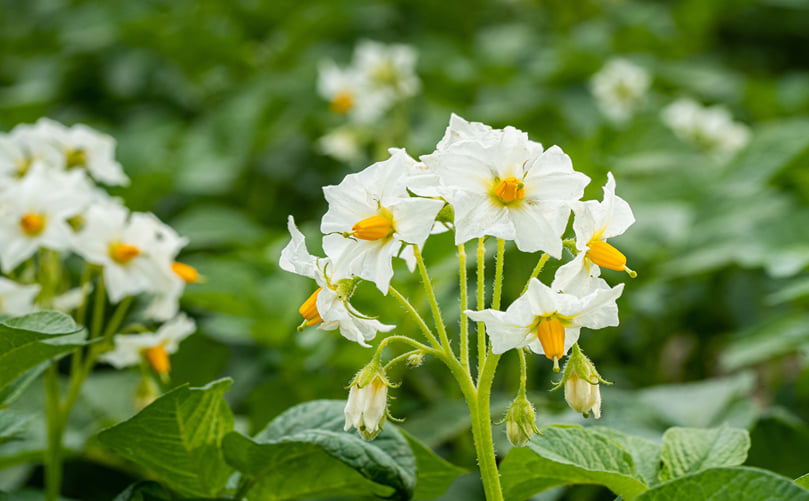
Reproductive Development of Potato Under Climate-Adaptive Breeding
Early-maturing cultivars such as Kufri Neelkanth (75–85 days) help avoid terminal heat stress, sustaining 10–15% higher yields in South Asia. Farmer preference studies in Kenya highlight demand for 30–40% improvements in pest resistance combined with 20% gains in drought tolerance, enabling resilience to multiple stresses. Advances in speed breeding, achieving 3–4 generations per year, are accelerating trait stacking and contributing to 15–25% improvements in water productivity.
Improved Agronomic Practices
Adjusted Planting Dates: Advancing or shifting planting dates by 1–3 weeks allows crops to synchronize sensitive stages with cooler and more reliable moisture conditions. Crop simulation models indicate 10–20% yield gains from optimized planting windows. In Egypt, scenario analyses show 15% yield increases with seasonal shifts, while Indian field trials report 12–18% higher tuber yields under delayed monsoon onset.
Mulching and Soil Moisture Conservation: Mulching with straw (5–10 cm depth) or plastic films improves soil moisture retention by 20–40%, reduces soil temperature by 2–4 °C and suppresses weeds. Field studies report 15–25% increases in tuber yield and 20% reductions in wilt incidence under mulched systems. Organic mulches also reduce ammonia volatilization by 10–15% and increase soil organic matter by 5–10%. In Bangladesh, zero-tillage mulching systems have sustained 10–15% higher yields under moderate water deficits.
Optimized Nutrient Management: Climate-smart nutrient strategies, including variable-rate nitrogen and potassium application synchronized with crop evapotranspiration, can improve nutrient-use efficiency by 15–25%. Integration of composts and organic amendments supports 5–10% increases in soil organic matter, enhancing buffering capacity against both drought and intense rainfall events.
Precision Agriculture and Digital Technologies
Precision agriculture tools are increasingly central to climate adaptation. GPS-guided variable-rate technology can reduce input use by 10–20%, while drone-based remote sensing enables spatial diagnosis of stress, achieving 15% fertilizer savings. AI-driven advisory systems improve risk forecasting and decision-making, contributing to 10–18% yield gains in regions such as Alberta and Prince Edward Island.
Additionally, IoT-enabled soil moisture and weather sensors facilitate real-time evapotranspiration-based irrigation scheduling, reducing water use by 20–30% without yield penalties. Integrated, data-driven management approaches are projected to increase farm profitability by 20%, highlighting the role of digital agriculture in strengthening resilience and sustainability.
Mitigation: Reducing Potatoes Climate Footprint
Potato agriculture contributes 1–2% of global agricultural GHG emissions (primarily N₂O from fertilizers, CH₄ from waterlogged soils and CO₂ from tillage), but targeted mitigation can slash this by 20–50% without yield trade-offs, aligning with net-zero goals by 2050. Strategies have evolved toward precision and regenerative approaches, with China's national plans emphasizing N-efficient hybrids and cover cropping to curb 30–40% N₂O via optimized agronomy. Scenario analyses show "sustainable optimization" layouts reducing emissions 22% while boosting profits 10–15%, particularly in low-yield regions where potato substitution for grains cuts overall footprints by 15–25%. Regenerative practices, like no-till and biochar, sequester 0.5–1 t C/ha/year, with U.S. pilots demonstrating 20–30% emission drops in potato rotations.
- Efficient Fertilizer Use to Reduce N₂O Emissions: The 4R strategy (right rate, source, timing, placement) with nitrification inhibitors (e.g., DCD) cuts N₂O 20–40%; Chinese field trials matched N to crop uptake, reducing leaching 25% and emissions 30% in potato-wheat systems, while variable-rate tech saves 15–20% N overall.
- Improved Storage Efficiency: CO₂ scrubbing and ethylene inhibitors in ventilated chambers reduce respiration losses 10–20%, curbing methane from discards; regenerative models integrate solar-powered units, lowering energy footprints 15–25% and waste emissions by 30%.
- Reduced Post-Harvest Losses: Curing protocols and sorting tech minimize 15–25% discards, cutting transport-related CO₂ 10–15%; bioenergy from culled tubers offsets 5–10% field emissions in integrated systems.
- Sustainable Seed Systems: Aeroponic and tissue-culture propagation yield disease-free tubers, shortening cycles and reducing field N inputs 10–20%; global assessments highlight seed potato substitution in lowlands, amplifying mitigation by 15% through yield gains.
Socio-Economic Impact
Climate change imperils potato-dependent economies, with smallholder farmers comprising 80% of producers in developing regions facing 20–50% income erosion from yield volatility and rising inputs, potentially displacing 10–20 million livelihoods by 2050 and heightening food insecurity for 800 million consumers. A Stanford analysis projects 5–15% global crop yield cuts even with adaptation, spiking potato prices 20–40% and exacerbating malnutrition in Africa and Asia, where potatoes supply 20–30% of calories. In Ebonyi State, Nigeria, surveys reveal 60–70% of farmers perceive intensified droughts, correlating with 15–25% revenue drops and food access barriers, though information access mitigates 10–15% risks. PEI, Canada, models 2–80% yield losses by 2090s, threatening USD 1B industry and 6,000 jobs, while global storage impacts add 10–20% post-harvest costs, straining supply chains.
- Impact on Smallholder Farmers: In sub-Saharan Africa and South Asia, extremes have halved incomes for 40–50% of potato growers via 20–30% yield dips, pushing migration and debt; perception studies show 70% awareness but low adoption (30%) due to seed costs, amplifying gender disparities where women bear 60% labor.
- Rising Production Costs: Irrigation and pesticides surge 15–30% amid scarcity, with U.S. and European data showing 20–25% input hikes from heatwaves, eroding margins by 10–20% for mid-scale operations.
- Food Security and Price Volatility: Yield declines threaten 10–20% caloric shortfalls in potato-reliant diets, with projections of 16% global dips fueling 20–40% price spikes and urban hunger adaptation via resilient varieties could stabilize access for 200–300 million.
- Need for Policy and Institutional Support: Subsidies for seeds and insurance could offset 30–50% risks, as reviews advocate extension services reaching 80% smallholders; U.S. and EU frameworks integrate climate finance, projecting 15–25% equity gains through public-private hubs.