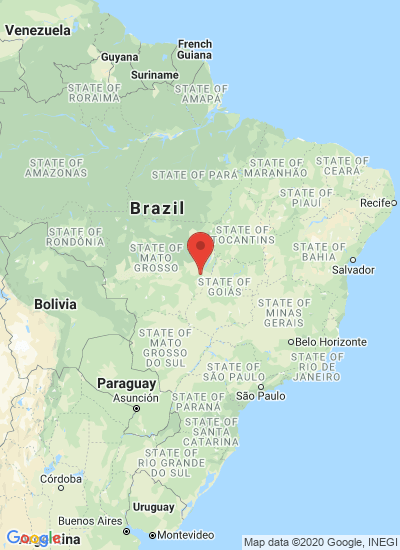

El sector de la papa en Brasil inició julio con nuevos apoyos agrícolas, el comienzo de la cosecha de invierno, avances en biotecnología y cambios regulatorios y climáticos.
Brasil: crédito rural, cosecha de papa, biotecnología y clima marcan el inicio de julio

La primera semana de julio de 2026 estuvo marcada por el anuncio del Plan Safra 2026/2027 en Brasil, el inicio de nuevas áreas de cosecha de papa en el Sudeste, avances en biotecnología y nuevas regulaciones sanitarias y logísticas que impactan al mercado hortifrutícola. Estos factores orientan la planificación del sector productivo en materia de campo, financiamiento y distribución.
Plan Safra impulsa inversiones para la agricultura
El gobierno federal lanzó el Plan Safra 2026/2027, con BRL 525.100 millones (USD 101.470 millones) para la agricultura empresarial y BRL 97.300 millones (USD 18.802 millones) para la agricultura familiar. Parte de los recursos se destinará a modernización, almacenamiento e irrigación, con reducción de tasas en líneas como Moderfrota y Pronaf. Sin embargo, entidades del agro cuestionan que las líneas de costeo y comercialización hayan tenido una reducción real frente al ciclo anterior, mientras el alto endeudamiento rural sigue limitando el acceso de productores al crédito.
Mercado de papa inicia la cosecha de invierno
En el mercado de papa, Cepea/Hortifruti Brasil registró estabilidad y leves variaciones en los precios de la papa ágata entre fines de junio e inicios de julio. En São Paulo y Río de Janeiro hubo bajas, asociadas al aumento de envíos desde Cristalina, mientras que en Belo Horizonte los precios subieron. El principal dato fue el inicio, todavía con bajo volumen, de la cosecha de invierno en Vargem Grande do Sul, con aumentos esperados desde la segunda quincena de julio. En Bahía, la Chapada Diamantina mostró recuperación de productividad gracias al riego y a temperaturas más bajas.
Biotecnología y manejo fitosanitario
En biotecnología, investigadores de Embrapa Clima Temperado y la Universidad Federal de Pelotas identificaron 199 parientes silvestres de cultivos agrícolas en el bioma Pampa, incluyendo una variedad silvestre de papa con compuestos anticongelantes naturales en las hojas, capaces de aportar resistencia a heladas severas. Además, Hortitec 2026 presentó nuevas herramientas fitosanitarias para el manejo de enfermedades como pierna negra y tizón temprano, mientras el mercado de insumos mostró alivio en fertilizantes nitrogenados y precios elevados en fosfatados.
Nuevas regulaciones y condiciones climáticas
En São Paulo, una nueva norma sanitaria prohibió el ingreso de embalajes de madera o cartón en áreas específicas de manipulación de alimentos, lo que acelera la transición hacia cajas plásticas higienizables y obliga a ajustar la logística de distribuidores y centrales de abastecimiento. Al mismo tiempo, el transporte carretero sigue presionado por la estabilidad del precio del diésel y por nuevos reajustes y controles operativos en centrales del sur del país.
En el plano climático, una masa de aire polar que provocó heladas y temperaturas negativas en el Sur y Sudeste comenzó a perder intensidad, aunque una nueva frente fría traerá lluvias intensas, ráfagas de viento y bajas temperaturas desde el norte de Rio Grande do Sul hasta el sur de Paraná. En Santa Catarina, organismos técnicos lanzaron nuevas herramientas de monitoreo de El Niño, ante una probabilidad superior al 90% de que el fenómeno persista hasta comienzos de 2027.
Like to receive news like this by email? Join and Subscribe!
Get the latest potato industry news straight to your WhatsApp. Join the PotatoPro WhatsApp Community!
相关新闻
九月 07, 2026
Calbee Potato Harvest Ceremony 2026 Highlights Stronger Hokkaido Potato Quality and Yield
Calbee Potato expects Hokkaido’s 2026 processing potato crop to reach 240,000–250,000 tons, with better quality and yields than 2025. Favorable temperatures and rainfall have boosted growth, although heavy rain remains a major harvest risk now.

九月 07, 2026
Aardappeldemodag 2026 Draws Over 4,500 Visitors as Dutch Potato Sector Faces Year of Extremes
Aardappeldemodag 2026 brought over 4,500 visitors to Westmaas amid a challenging year for the Dutch potato sector. The event focused on market pressures, extreme growing conditions, knowledge sharing, machinery and innovation.

九月 07, 2026
EUROPLANT与Finpom强调芬兰种薯优势,应对欧洲日益加剧的病毒压力
Finpom强调芬兰北部在高等级种薯生产方面的优势,因为气候变化提高了欧洲的病毒风险,同时通过LARISSA、JUVENTA、Filipa、FAVOLA和INA扩展了其EUROPLANT产品组合。