Ethnic Snacks: Where Food, Culture and Identity Intersect
Ethnic snacks are more than convenient, bite-sized foods they are expressions of cultural heritage, identity and storytelling through flavor. Deeply rooted in local ingredients, culinary traditions and shared histories, these snacks reflect how communities eat, celebrate and connect. Often prepared using indigenous techniques passed down through generations, ethnic snacks carry symbolic significance, from marking festivals and rituals to fostering social and community bonds. Rather than serving merely as “appetizers,” they function as cultural artifacts that embody memory, place and tradition.
As globalization accelerates, ethnic snacks are evolving to meet modern lifestyles while retaining their cultural essence. Contemporary adaptations include health-focused formulations, functional benefits such as protein or hydration support and creative fusion formats. At the same time, growing global curiosity driven by travel, migration and multicultural societies has elevated ethnic snacks from local foods to globally appreciated culinary experiences.
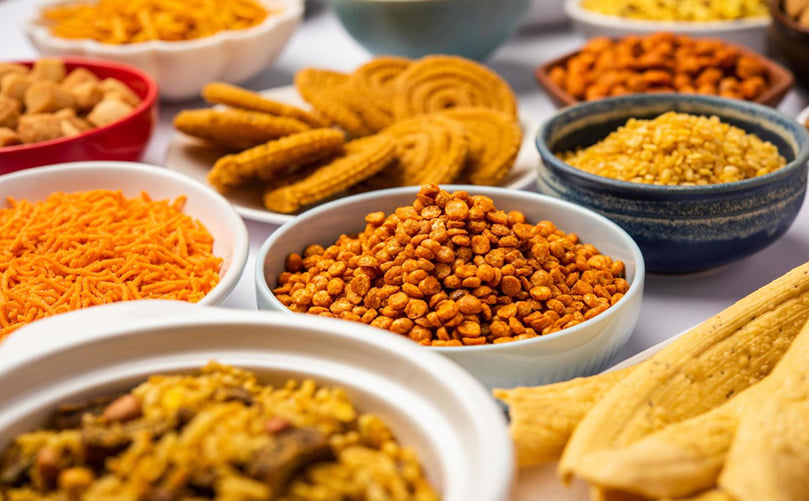
Ethnic Snacks Around the World: Diversity in Flavor and Tradition
Ethnic Snacks vs. Mainstream Snacks: Culture Over Convenience
Mainstream or global snacks such as potato chips, extruded savory snacks and energy bars are designed primarily for mass production, uniform taste and convenience. These products rely on standardized processing methods, refined ingredients and broad flavor profiles aimed at appealing to the widest possible consumer base. Consistency, scalability and shelf stability are prioritized over cultural specificity.
Ethnic snacks, in contrast, emphasize regional identity, artisanal variation and bold, place-based flavors. They commonly use indigenous ingredients, traditional spice blends and preparation methods shaped by local culture rather than industrial efficiency. A samosa reflects centuries of spice trade and migration; Mexican elote evokes street-market culture rather than factory uniformity. Scholarly research highlights that while global snacks often encourage dietary assimilation, ethnic snacks act as markers of ethnic ancestry and cultural continuity, resisting complete homogenization even as they enter global markets.
Why Ethnic Snacks Matter in Global Culinary Culture
Ethnic snacks play a critical role in preserving cultural identity in an increasingly standardized global food system. For immigrant and diaspora communities, they serve as “mediums for cultural transmission,” reinforcing belonging and helping maintain emotional and cultural ties across generations. Socially, they promote cross-cultural understanding, with a growing majority of consumers worldwide incorporating ethnic flavors into their regular diets, driven by curiosity, exposure and openness to diverse cuisines.
Economically, ethnic snacks are part of a significant and rapidly expanding segment of the global food industry. The global ethnic food market which includes snacks was valued at approximately USD 86.90 billion in 2024 and is projected to reach about USD 153.21 billion by 2032, growing at a compound annual growth rate of around 7.4% over the period. Within the broader savory snacks sector which is estimated at over USD 250 billion globally ethnic‑inspired products are gaining prominence as consumers increasingly seek bold regional flavors and multicultural taste experiences. In this way, ethnic snacks bridge tradition and innovation, preserving cultural heritage while shaping the future of global snacking.

Flavors of the World: How Ethnic Snacks Connect Cultures
Historical & Cultural Background of Ethnic Snacks
Origins of Ethnic Snacks: When and How They Evolved
Ethnic snacks originated as practical foods shaped by early human survival needs portability, preservation and energy density. In prehistoric and early agrarian societies, foraged nuts, roasted grains, dried fruits and preserved meats served as early snack forms. As agriculture developed, these foods became more refined, incorporating local grains, oils and fermentation techniques.
By the time long-distance trade networks such as the Silk Road (active from around the 2nd century BCE) emerged, snacks evolved into culturally exchangeable foods. Spiced nuts, dried fruits and filled pastries traveled across Eurasia, adapting to local ingredients and tastes. In the Americas, archaeological evidence shows corn-based foods like tlaxcalli (early tortillas) emerging as early as 7000 BCE, later evolving into street-style snacks such as esquites. In Africa, grain fritters and fried dough snacks developed alongside Bantu migrations (c. 1000 BCE–500 CE), spreading techniques of fermentation and deep-frying. Colonial-era encounters further reshaped snack traditions; for example, West African chin chin reflects 19th-century European baking influences adapted to local preferences.
Connection to Traditional Celebrations, Rituals and Daily Life
Ethnic snacks are deeply embedded in cultural rituals, festivals and everyday lifestyles. They often symbolize prosperity, spirituality or social bonding. Chinese mooncakes represent reunion and completeness during the Mid-Autumn Festival, while India modak, offered during Ganesh Chaturthi, symbolizes wisdom and auspiciousness through its sweetness and form.
Beyond ritual use, snacks also evolved to suit lifestyles and mobility. Nomadic and pastoral communities relied on preserved snacks such as dried meats (e.g., biltong in southern Africa), while dense urban cultures developed street snacks designed for communal consumption. In times of scarcity, these foods represented sustenance; during celebrations, they embodied abundance and hospitality.
Influence of Geography and Climate on Ingredients and Techniques
Geography and climate have played a defining role in shaping ethnic snacks. Tropical regions favored starch-rich crops like cassava, plantain, rice and jackfruit, which could be fried, steamed or dried for longer shelf life. In arid and semi-arid regions, preservation techniques such as drying, salting and curing gave rise to snacks like dried meats and roasted grains.
Climatic conditions also influenced cooking methods. In humid, monsoon-prone regions of South India, steaming techniques seen in snacks like idli and puttu reduced spoilage risk while improving digestibility. Coastal regions incorporated seafood and coconut, while mountainous areas relied on hardy grains and dairy-based snacks.
Role of Trade Routes and Migration in Shaping Ethnic Snacks
Trade routes and human migration were instrumental in transforming local snacks into transregional foods. The Silk Road facilitated the movement of ingredients, spices and culinary techniques, leading to hybrid snack forms. The precursor of the samosa, sanbosag, originated in Persia and spread to Central Asia and the Indian subcontinent between the 10th and 13th centuries through traders and travelers. Under the Delhi Sultanate, it was filled with minced meat; later, during the colonial period, the introduction of potatoes led to the vegetarian versions now globally popular.
Similarly, foods like falafel likely originated in Egypt and spread across the Levant through migration and trade, adapting to regional legumes and spices. Middle Eastern pastries such as baklava evolved through centuries of cultural exchange from early Assyrian honey-layered breads (c. 8th century BCE) to Byzantine refinements and Ottoman palace cuisine eventually becoming emblematic of the region.
Etymology, Identity and Cultural Meaning of Ethnic Snacks
The term “ethnic” in the context of food originates from the Greek word ethnikos, meaning a group of people bound by shared culture, customs, language and ancestry. In food discourse, “ethnic” does not describe the food itself as different or exotic by nature, but rather reflects its position relative to a dominant food culture. What is labeled ethnic in one region is often everyday, routine food in its place of origin. Thus, ethnic snacks are best understood as foods deeply rooted in the lived experiences, traditions and collective memory of specific cultural communities, rather than as niche or alternative products.
It is important to distinguish ethnic snacks from related terms such as traditional, indigenous and regional snacks. Traditional snacks emphasize continuity over generations, focusing on inherited recipes and customary preparation methods. Indigenous snacks are tied to original inhabitants of a region and are closely linked to native crops, ecological conditions and pre-colonial food systems. Regional snacks, on the other hand are associated primarily with geography and climate rather than ethnicity and may cut across multiple cultural groups within the same area. Ethnic snacks sit at the intersection of these categories, defined less by borders and more by identity, social belonging and cultural expression.
Food plays a powerful role in shaping identity and ethnic snacks act as cultural symbols that communicate belonging without words. Language, food names, preparation rituals and serving styles carry meanings that extend beyond nutrition. Recipes are often transmitted orally, through family stories and shared labor, embedding language and food together as carriers of heritage. The act of preparing or consuming an ethnic snack becomes a form of cultural reaffirmation, reinforcing group identity, memory and values across generations and geographies.
Because of this deep cultural embedding, ethnic snacks frequently resist standardization. Variations in ingredients, spice ratios, preparation techniques and even cooking vessels are not seen as inconsistencies but as expressions of authenticity. Attempts to standardize such foods for mass production often risk diluting their cultural essence. What industry perceives as inefficiency, communities often perceive as identity. This inherent variability explains why many ethnic snacks remain artisanal or semi-formal, thriving in homes, streets and small enterprises rather than fully industrial settings.
Nutrition & Health Aspects: Tradition Meets Well-Being
Ethnic snacks are often misunderstood as indulgent street foods, yet many originate from nutritionally intelligent food systems shaped by centuries of trial, environment and necessity. Traditional societies developed snacks not only for taste and convenience but also for energy balance, digestion and seasonal health needs, long before modern nutrition science formalized these concepts.
Nutritional Value Rooted in Tradition
Many ethnic snacks are built on whole, minimally processed ingredients such as cereals, millets, legumes, roots and fermented batters. Indian snacks like idli, dhokla and dosa rely on fermentation, a process shown in food science literature to enhance bioavailability of minerals, improve protein digestibility and introduce beneficial lactic acid bacteria that support gut health. Similarly, Middle Eastern falafel and African akara, made from chickpeas or black-eyed peas, provide plant-based protein, dietary fiber and micronutrients such as iron and folate.
Corn-based snacks across Latin America such as arepas and esquites benefit from nixtamalization, an Indigenous alkaline-processing technique that increases calcium content and improves amino acid absorption. In East Asia, rice and soy-based snacks (senbei, onigiri fillings, miso-flavored bites) contribute complex carbohydrates and umami compounds linked to satiety and reduced overeating.
Spices commonly used in ethnic snacks are not merely flavoring agents but functional ingredients. Turmeric (curcumin), cumin, ginger, garlic, fenugreek and chili have been extensively studied for anti-inflammatory, antimicrobial, glycemic-regulating and digestive properties. Traditional snack pairings such as pakoras with mint chutney or samosas with tamarind also reflect Ayurvedic and ethnomedical principles of balancing heaviness with acidity and herbs to aid digestion.
Health Considerations and Modern Challenges
Despite their traditional strengths, some ethnic snacks raise legitimate health concerns when production methods shift from artisanal to industrial or when consumed excessively. Deep-frying at high temperatures, reuse of oils, and refined flours can increase trans fats, oxidized lipids and glycemic load, contributing to cardiovascular and metabolic risks. Sweet snacks like jalebi, baklava or gulab jamun are energy-dense and high in added sugars, which when detached from their original festive or occasional context may strain modern sedentary lifestyles.
Urbanization and commercialization have also altered portion sizes and frequency of consumption. What were once festival-specific or labor-fueling foods are now daily snacks, prompting public health researchers to call for contextual eating rather than elimination of traditional foods.
Health-Forward Adaptations Without Cultural Loss
A growing movement among chefs, nutritionists and home cooks focuses on preserving cultural authenticity while improving nutritional profiles. Baking or air-frying samosas and empanadas, steaming instead of deep-frying dumplings, incorporating whole grains (millets, sorghum, brown rice) and increasing legume-to-dough ratios are examples of culturally sensitive innovation.
Plant-based and gluten-free adaptations such as lentil-based murukku, chickpea-flour brik or vegetable-forward chaat align well with both ancestral eating patterns and modern dietary needs. Importantly, research on food behavior shows that people are more likely to adopt healthy diets when changes respect cultural food identity, rather than replacing it with unfamiliar “health foods.”
Integrative Perspective: From a global nutrition standpoint, ethnic snacks demonstrate that health and heritage are not opposing forces. When consumed in moderation, prepared with quality ingredients and contextualized within traditional eating patterns, ethnic snacks can contribute positively to dietary diversity, gut health and cultural well-being. They remind us that sustainable nutrition is not just about nutrients but about memory, identity and the social joy of eating.
Defining Characteristics of Ethnic Snacks: Ingredients, Techniques and Traditions
Ingredients
Ethnic snacks are defined by their reliance on indigenous and locally available ingredients shaped by regional ecology and agricultural practices. Staples such as cassava in African snacks like puff-puff, tamarind in Indian chaat for sourness and balance, and quinoa in Andean snack preparations reflect centuries of adaptation to local environments and food systems. These ingredients not only define flavor but also support biodiversity and sustainable, place-based agriculture.
Spices and seasoning profiles further distinguish ethnic snacks, with each region developing characteristic blends. Cumin and coriander are central to Middle Eastern falafel, while ajwain (carom seeds) is commonly used in Indian pakoras for its aromatic and digestive properties. Historically, many spices also played practical roles enhancing shelf life, masking spoilage and improving digestibility before becoming integral to regional taste identities.
Cooking Techniques
Traditional cooking techniques are fundamental to the texture, flavor and cultural identity of ethnic snacks. Methods such as frying, roasting, steaming, fermenting and smoking evolved in response to climate, ingredient availability and preservation needs. Deep-frying, often in ghee or locally available oils, creates the crisp exterior of snacks like samosas, while steaming techniques used in foods like idli enhance digestibility and support beneficial fermentation.
Fermentation contributes not only to flavor complexity but also to nutritional enhancement, as seen in batter-based snacks across South and East Asia. Smoking and drying techniques, used in various Indigenous food systems for meat and fish snacks, extend shelf life while imparting distinctive flavors. The continued use of traditional tools such as clay tandoors, cast-iron pans and stone grinders helps retain textural authenticity and in some cases, preserves micronutrient integrity by minimizing excessive processing.
Presentation and Consumption Practices
The way ethnic snacks are presented and consumed is deeply tied to social structure and cultural context. In many regions, snacks are integral to vibrant street food cultures Indian chaat stalls, for example, serve as communal spaces where food, conversation and local identity intersect. In contrast, certain snacks are prepared primarily at home, such as steamed modaks made during religious observances, emphasizing intimacy, ritual purity and familial tradition.
Ethnic snacks also play prominent roles in festivals, ceremonies, and hospitality practices. Shared mandazi at Swahili weddings symbolize generosity and celebration, while falafel served as part of Levantine mezze reflects communal dining and cultural values of welcome. Whether eaten on bustling streets or within ceremonial settings, ethnic snacks function as social connectors, reinforcing shared identity and collective experience.

Key Ingredients, Techniques and Traditions Behind Ethnic Snacks
Ethnic Snacks Around the World: Heritage, Taste, and Ritual
Asian Ethnic Snacks: Harmony of Flavors, Rituals, and Tradition
Asia snack culture is among the oldest and most diverse in the world, shaped over millennia by agriculture, trade, religion and regional identity. From ancient Silk Road exchanges of spiced nuts and dried fruits to the dense street food ecosystems of todays metropolises, Asian snacks reflect a philosophy where balance sweet, salty, bitter, sour and umami is not only a taste principle but a cultural one. Historical research on Asian cuisines positions snacks as “cultural markers,” reinforcing community ties through migration, diaspora networks and seasonal cycles.
India: A Universe of Snacks
Indias snacking heritage is unparalleled in its variety and cultural depth. The concept of chaat derived from Hindi, meaning “to taste” captures the sensory, almost irresistible appeal of Indian snacks. Many snacks are rooted in Ayurvedic frameworks that seek dietary balance and digestive harmony, using spices not only for flavor but also for their functional benefits.
- Samosa: Originally derived from the Persian sanbusaj, samosas reached the Indian subcontinent via Central Asian traders and were later refined in Mughal kitchens. Today they appear in countless regional variants Punjabi samosas lean on hearty, spiced potato and meat fillings; Gujarati samosas are lighter with sweet chutney pairings. In diaspora communities across the UK, East Africa and North America, samosas serve as culinary bridges linking generations.
- Pakora: These deep‑fried fritters made from onion, spinach, potato or other vegetables dipped in gram flour batter are especially beloved during the monsoon season. With roots extending into early historic periods, they symbolize communal comfort against seasonal rains and are a staple of roadside dhabas (eateries).
- Chaat: With origins in Lucknows royal kitchens, chaat combines textures and tastes crispy sev, soft potatoes, tangy tamarind, cooling yogurt embodying sensory complexity that mirrors India’s cultural diversity.
Across Asia, similar depth appears in Japanes senbei (grilled rice crackers) and wagashi (artful sweets tied to seasons and tea ceremony rituals), as well as Korea’s tteokbokki (spicy rice cakes) and China’s jian bing (savory crepes), each rooted in local agricultural staples and social customs.
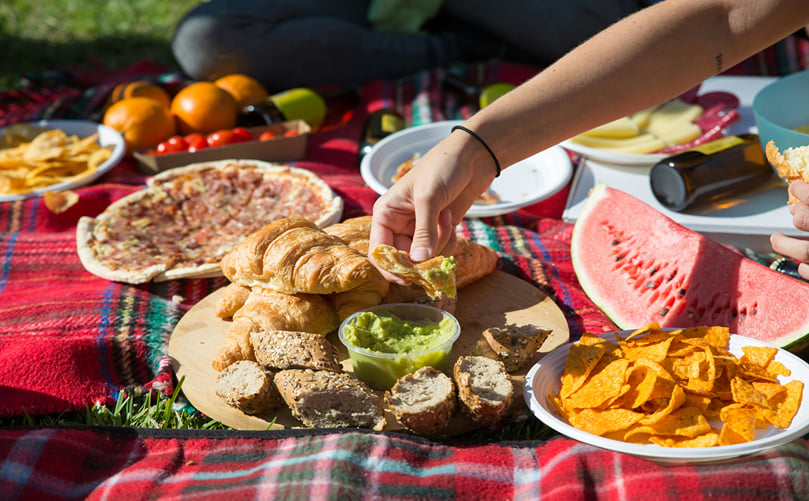
Global Snacks: Culinary Heritage on Every Plate
African Ethnic Snacks: Earthiness, Community and Resilience
Africa’s snacks reflect the continents ecological diversity and rich tapestry of cultures. Indigenous foraging traditions and trans‑Saharan trade helped shape early snack foods, which later incorporated influences from Portuguese, Arabic, and European contact. Many snacks developed out of necessity for portability, preservation and nourishment in environments ranging from grasslands to desert margins.
- Biltong: This air‑dried meat, seasoned with vinegar and coriander, emerged among Southern African communities as a method for preserving protein in arid landscapes. Today it is widely consumed as a protein snack and has inspired modern plant‑based and spiced variants.
- Chin Chin: Popular in West Africa, these crunchy, sweet fried dough pieces reflect a fusion of local and Portuguese baking traditions. Often served at weddings and festivals, chin chin is as much a social food as a snack.
- Mandazi: This East African favorite light, slightly sweet fried dough originated along Swahili trade routes and is now ubiquitous at tea times and celebrations in Kenya, Tanzania and beyond.
Other snacks like maakouda (North African spiced potato cakes) and bofrot/puff‑puff (West African fried dough balls) serve dual roles as everyday nourishment and ceremonial foods, reinforcing communal identity and shared hospitality.
European Ethnic Snacks: Tradition, Festivity and Cultural Narratives
European snacks often trace back to agrarian cycles, guild systems and festive calendars, evolving through medieval fairs and Renaissance feasts into todays beloved street foods and comfort snacks.
- Tiropita (Greece): Layers of flaky phyllo enveloping savory cheese celebrate Greek dairy traditions and are featured in both everyday meals and religious holidays.
- Pretzels (Germany/Austria): Originating in monastic contexts, pretzels spread into public festivals like Oktoberfest and Christmas markets, symbolizing community, luck and shared heritage.
- Speculoos (Belgium/Netherlands): Spiced cookies traditionally molded with religious and folkloric figures for St. Nicholas Day now enjoy global popularity through modern reinterpretations like spiced cookie butters.
- Perepichka (Ukraine): Fried dough wrapped around spiced sausage this snack reflects both the practical needs of workers and the resilience of street food culture, gaining broader recognition through digital food culture.
European snacks often carry stories of seasonal transitions, harvest celebrations and regional pride and their adaptations by immigrant communities have helped preserve cultural identity far from their places of origin.
Latin American Ethnic Snacks: Color, Corn and Communal Energy
Latin American snacks are deeply rooted in Indigenous staples like corn and beans, enriched over centuries by African and European culinary influences. Their vibrant, portable nature makes them integral to markets, festivals and everyday street food culture.
- Arepas (Colombia/Venezuela): Thick cornmeal cakes that can be grilled, baked or fried and filled with cheese, meats or vegetables. Their pre‑Columbian origins symbolize home and heritage, especially for diaspora communities.
- Empanadas: Brought by Spanish settlers, these stuffed pastries took on regional flavors, reflecting local agriculture from Argentine beef to Chilean seafood.
- Esquites: A classic Mexican street snack of seasoned corn kernels; modern versions with lime, chili and cheese have gained international foodie attention.
Latin American snacks don’t just satisfy hunger they articulate histories of conquest, syncretism, survival and celebration.
Middle Eastern Ethnic Snacks: Hospitality, Spice Routes and Shared Culture
Middle Eastern snacks emphasize communal dining and spice‑rich profiles nurtured along ancient trade routes that connected Africa, Asia and Europe.
- Falafel: Deep‑fried spiced legume balls with debated origins in Egypt and the Levant have become culinary ambassadors of vegetarian Middle Eastern cuisine.
- Hummus: Simple yet profound, this chickpea‑tahini staple serves as both snack and centerpiece, embodying Mediterranean communal dining.
- Knafeh: A sweet layered pastry soaked in syrup and crowned with pistachios, representing centuries of Ottoman and Levantine dessert traditions.
- Hawawshi (Egypt): Spiced meat baked in flatbread, reflecting urban street food ingenuity and Ramadan communal meals.
These snacks reinforce cultural values of hospitality, generosity and shared abundance qualities central to Middle Eastern foodways.
Trends, Health and Global Fusion
Across all regions, traditional ethnic snacks are increasingly adapted to contemporary tastes and health trends. Fermented foods rich in probiotics, gluten‑free grain preparations, and snacks reimagined with plant‑based proteins or lower oil content align with global wellness narratives. At the same time, fusion innovations like samosa‑tacos or matcha‑senbei testify to the dynamism of ethnic snacking cultures in global food landscapes.
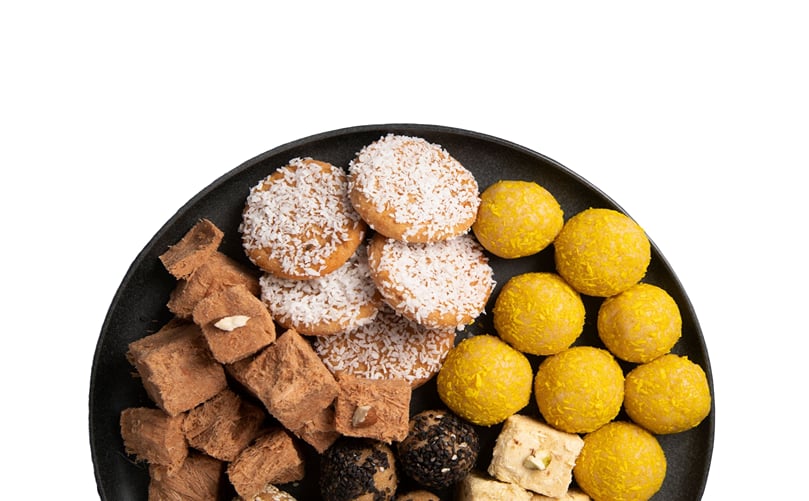
Ethnic Snacks Within Cultural Contex
Cultural Significance of Ethnic Snacks Around the World
Rituals, Festivals & Sacred Symbolism
Ethnic snacks are far more than simple food they are edible expressions of culture, history and spirituality. Across the globe, these snacks are intertwined with religious observances, seasonal celebrations and community bonding, often carrying symbolic, historical or mythological significance. They serve as conduits of identity, heritage and social cohesion.
India: Diversity in Taste & Tradition
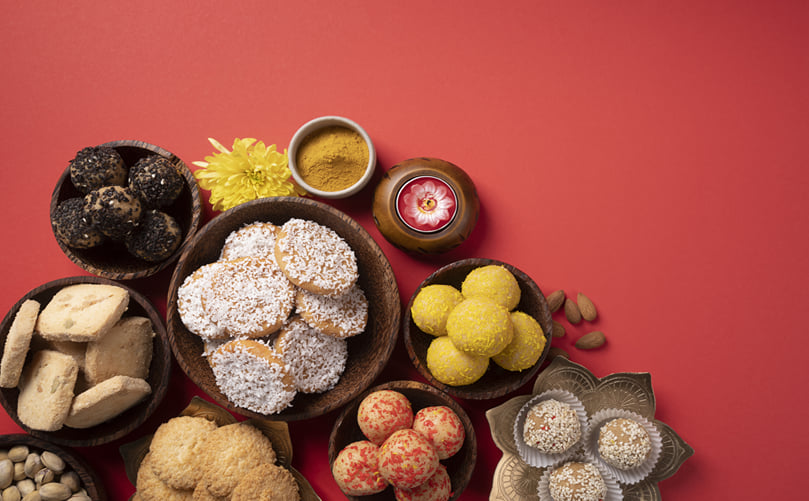
- Modak (Maharashtra & Pan-India): Steamed rice dumplings filled with coconut and jaggery, believed to be Lord Ganesha favorite. Modaks are prepared during Ganesh Chaturthi, symbolizing the sweetness of devotion and divine blessings. Beyond religious significance, their intricate shape reflects culinary artistry.
- Murukku / Chakli (South India): Crunchy spiral snacks made with rice flour and lentil flour, commonly prepared during Diwali. These treats are believed to ward off evil spirits and bring prosperity to households.
- Ladoos & Seasonal Sweets: Boondi, motichoor, sesame and coconut ladoos are central to weddings, Navratri, Makar Sankranti and Raksha Bandhan. Fasting snacks like sabudana vada and kuttu pakoras reflect ingenuity, combining religious compliance with culinary delight.
- Regional Snacks: From Bengali chanachur and gujiya to Gujarati khakhra and farsan, India’s ethnic snacks reflect regional agricultural practices, local ingredients and centuries-old culinary traditions.
Ethnic Snacks Around the World: Culture, Celebration & Community
Middle East & North Africa: Hospitality & Rituals
- Maakouda (North Africa): Spiced potato fritters traditionally consumed during Ramadan to break fasts, symbolizing nourishment and the communal spirit of sharing.
- Qatayef (Arab World): Sweet dumplings filled with nuts or cream, eaten during Ramadan and Eid. They signify hospitality, generosity and festivity.
- Other Delights: Baklava, knafeh, and dates play key roles in weddings, religious rituals and social gatherings, emphasizing sweetness as a metaphor for joy and celebration.
East Asia: Harmony & Seasonal Awareness
- Japan – Wagashi: Traditional confections served during tea ceremonies and seasonal festivals, often shaped like flowers, leaves or fruits. They embody aesthetic principles, seasonal awareness and mindfulness.
- China – Mooncakes: Central to the Mid-Autumn Festival, mooncakes symbolize reunion, familial harmony and the myth of the moon goddess Change.
- Korea – Tteok: Rice cakes served during harvests, birthdays and ancestral rites. Tteok represents blessings, longevity and respect for heritage.
Africa: Abundance & Celebration
- West Africa – Chin Chin & Bofrot: Deep-fried snacks prepared for weddings, naming ceremonies and harvest festivals. They symbolize abundance, good fortune and the joy of communal celebration.
- East & Southern Africa: Mandazi and vetkoek serve similar cultural functions, acting as daily treats, street food and ceremonial offerings.
Social & Community Value
Street Food & Local Hubs:
- India: Chaat stalls, vada pav corners and sweet shops act as lively spaces for conversation, bonding and local culture.
- Africa: Markets selling puff-puff or mandazi create informal social centers.
- Southeast Asia: Hawker centers in Singapore and Malaysia serve as melting pots for shared culinary experiences.
Diaspora & Cultural Anchors: Ethnic snacks help diaspora communities maintain a connection to their roots. Indian samosas in London, African chin chin in New York and Middle Eastern baklava in Dubai or Paris provide comfort, heritage and cultural continuity.
Festivals as Social Glue: Snacks are central to festival rituals Diwali sweets in India, Mooncakes in China, Qatayef during Ramadan, Chin Chin in Nigeria fostering intergenerational connections and communal identity.
Stories, Legends & Folklore
Many snacks carry mythology, historical anecdotes and moral symbolism:
- Samosa (India): Introduced via Persian sanbusaj, symbolizing adaptability and cultural fusion.
- Modak (India): Represents hidden joys and rewards of devotion.
- Pakoras & Fritters (India): Associated with monsoon seasons, symbolizing comfort, warmth and resilience.
- Mooncakes (China): Reflect tales of Change and the importance of unity.
- Tteok (Korea): Honors ancestors, bringing blessings and good fortune.
Health, Tradition & Modern Relevance
Ethnic snacks are increasingly recognized for health and sustainability:
- Fermented Foods: Indian idli, Korean kimchi-based snacks and Japanese natto support gut health.
- Medicinal Ingredients: Spices like turmeric, cardamom, cumin and fenugreek offer antioxidant, anti-inflammatory and digestive benefits.
- Modern Adaptations: Baked, low-oil, gluten-free or fusion versions allow ethnic snacks to meet global health trends while preserving cultural authenticity.
Ethnic snacks are more than nourishment they are edible heritage, blending taste, culture and storytelling. From Indian modaks to African chin chin, Middle Eastern qatayef and East Asian mooncakes, these snacks nourish the body, connect communities and sustain traditions. Across continents, they remind us that food is a bridge between generations, regions and cultures celebrated, shared and cherished in every bite.
Economic & Social Impact of Ethnic Snacks
Economic Empowerment: Street food entrepreneurship sustains local economies worldwide. In India, vendors generate over USD 1 billion annually, with home-based murukku and ladoo businesses empowering women and supporting household incomes. Tourism-driven snack sales, such as Thailand’s pisang goreng stalls, attract millions of visitors, while exports like South African biltong contribute around USD 1 billion to the economy.
Social Empowerment: Ethnic snack production fosters community development and social cohesion. Rural African women, for instance, lead akara co-operatives, reducing social isolation and enhancing economic independence. The global demand for ethnic snacks, including fusion products, also boosts remittances to families in origin communities.
Challenges & Resilience: Crises like the COVID-19 pandemic disproportionately impacted women-led snack businesses, highlighting vulnerabilities in informal sectors. These challenges underscore the importance of resilience-building, access to finance and social support networks for sustaining local entrepreneurship.
Ethnic snacks are not just cultural delights they are drivers of economic growth, social empowerment and global connectivity, demonstrating the intertwined nature of food, culture and livelihoods.
Modern Trends & Globalization in Ethnic Snacks
Fusion Snacks: Where Cultures Meet on a Plate
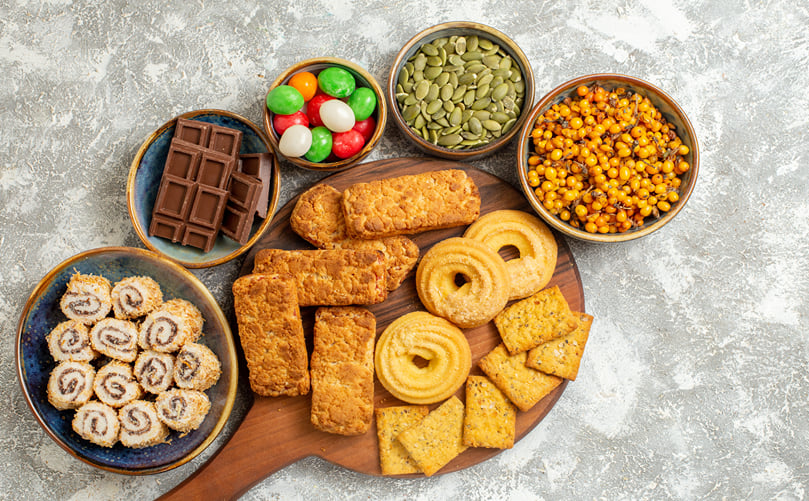
Fusion snacks represent the creative intersection of different culinary traditions, shaped by globalization, migration and evolving consumer tastes. Rather than randomly combining ingredients, successful fusion snacks retain the soul of traditional foods while adapting their form or flavor for wider appeal. A samosa taco, for instance, merges the crispy, spiced filling of an Indian samosa with the handheld structure of a Mexican taco. This approach works because it balances familiarity with innovation, allowing consumers to experience global flavors in accessible formats. Fusion snacks are increasingly popular in urban food markets and food trucks, where experimentation and cultural storytelling thrive.
Ethnic Snacks Across Cultures: Tradition on Every Plate
How Ethnic Snacks Adapt When They Travel As ethnic snacks move beyond their regions of origin, they naturally evolve to suit new environments. Adaptation occurs due to ingredient availability, local taste preferences, regulatory standards and eating habits. Spices may be toned down or reformulated, fillings modified and cooking techniques adjusted without losing the core identity of the snack. Over time, these adaptations create regional versions that reflect both the original culture and the host country. This evolution is not a loss of authenticity but a reflection of how food acts as a living cultural expression, reshaped by geography and society while preserving its heritage.
From Street Food to Fine Dining: Culinary Elevation of Ethnic Snacks
One of the most significant modern trends is the elevation of ethnic street snacks into fine-dining experiences. Once considered informal or everyday foods, these snacks are now being reimagined by chefs using refined techniques, premium ingredients and artistic presentation. The transformation highlights a growing respect for traditional food cultures and acknowledges the depth of flavor and craftsmanship behind street-level cuisine. By placing ethnic snacks on curated tasting menus, chefs bridge tradition and modern gastronomy, allowing these foods to gain global recognition without losing their cultural roots.
Packaging, Branding and Storytelling: Communicating the Soul of Ethnic Snacks
Packaging in ethnic snacks represents a shift from cultural practice to cultural communication. Traditionally, packaging relied on natural, biodegradable materials that were locally available and culturally meaningful. These methods were less about branding and more about function, freshness and tradition. Modern packaging, driven by shelf life, export requirements and food safety standards, introduces efficiency and scalability but also raises the challenge of preserving authenticity.
Storytelling has therefore become essential. Packaging now acts as a narrative surface, conveying origin, cultural significance, traditional methods and community heritage. Effective storytelling helps consumers understand not just what they are eating, but where it comes from and why it matters. This narrative approach transforms ethnic snacks from anonymous products into cultural experiences, fostering emotional connection and trust.
Geographical Indication (GI) plays a vital role in reinforcing authenticity and protecting cultural heritage. By legally linking a product to its place of origin, GI status safeguards traditional knowledge, production methods and community livelihoods. For ethnic snacks, GI recognition strengthens credibility in global markets while ensuring economic benefits remain tied to local producers.
Ethical branding is increasingly central to the future of ethnic snacks. Respectful representation, fair sourcing, transparent narratives and community involvement are no longer optional they are expectations. Brands that treat ethnic snacks merely as trends risk cultural appropriation, while those that engage ethically contribute to cultural preservation and sustainable growth.

Packaging as Heritage: Visualizing the Soul of Ethnic Snacks
Global Perceptions of Ethnic Snacks Across Cultures and Markets
Consumer perception of ethnic snacks varies significantly across regions, shaped by cultural familiarity, migration patterns and exposure to global cuisines. In Western markets, ethnic snacks are often framed as novel or exotic, appealing to curiosity and culinary exploration. They are positioned as experiences rather than staples, frequently marketed through storytelling that emphasizes origin, spice or tradition. While this curiosity drives demand, it can also lead to oversimplification or stereotyping if cultural context is not properly communicated.
In Asian markets, perceptions tend to be more nuanced. Ethnic snacks from neighboring cultures are often viewed as familiar and accessible rather than exotic. Cross-cultural food exchange within Asia has a long history, allowing ethnic snacks to integrate into everyday diets while still retaining distinct identities. Here, authenticity matters, but adaptation is also accepted, especially when flavors align with local preferences.
In the Middle East and Africa, ethnic snacks are deeply interwoven with daily life, hospitality, and religious or social rituals. These foods are not consumed for novelty but for continuity, belonging, and shared experience. Authenticity is closely guarded and deviations from traditional preparation may be viewed as cultural erosion rather than innovation.
Across all regions, ethnic snacks are increasingly positioned through three dominant lenses: exotic, nostalgic and functional. For new consumers, they represent adventure and discovery. For diaspora communities, they serve as nostalgic anchors, reconnecting individuals with home, memory, and identity. At the same time, growing interest in natural ingredients, traditional processing, and whole foods has positioned ethnic snacks as functional options aligned with health and wellness narratives.
Diaspora communities play a critical role in shaping these perceptions. Migrant populations act as cultural bridges, introducing ethnic snacks into new food ecosystems through local markets, restaurants and small businesses. Over time, some ethnic snacks transition from cultural markers to mainstream favorites, reshaping national food identities while still carrying traces of their origins.
The Future Bite: Trends and Why They Matter
Ethnic snacks are experiencing what food historians call a “heritage moment” a resurgence of interest in flavors, techniques and stories rooted in tradition. Fusion creations, such as calamansi-flavored chips (infusing Southeast Asian tartness into modern snacks) or kimchi-spiced crackers are gaining global popularity, reflecting adventurous palates that embrace both novelty and authenticity.
Sustainability is now a defining trend: snacks made from fair-trade nuts, responsibly sourced cacao, or regenerative agriculture staples demonstrate that modern consumers care about provenance as much as flavor.
Plant-based and functional innovations continue to shape the market. Snacks crafted from legumes, whole grains and fermented ingredients cater to health-conscious consumers, while gluten-free, allergen-friendly and low-sugar options make ethnic snacks accessible to wider audiences. Convenience also drives growth: ready to eat, packaged snacks inspired by global cuisines are increasingly found in supermarkets, online grocery platforms and airline meal kits, bringing international flavors to everyday life.
Academically, ethnic snacks are more than taste they are tools for cultural education. University programs, culinary workshops, and global food festivals use them to enhance cultural awareness, promote cross-cultural empathy and teach students the histories, rituals, and social meanings embedded in each bite.
Ethnic snacks are not just food they are bridges. In a divided world, sharing a senbei from Japan, a tequeno from Venezuela, or a falafel from the Middle East sparks curiosity, empathy, and connection. They nourish not only the body but also the spirit, honoring ancestors and celebrating collective heritage. The next time you reach for a snack, take a moment to savor the story behind it its journey, its culture, and its people. Which ethnic snack tells your story?