

The Rise of Nut-Based Snacks in Modern Nutrition
What Are Nut-Based Snacks?
Nut-based snacks are convenient, portable food products that primarily feature edible tree nuts such as almonds, cashews, hazelnuts, pistachios and walnuts or peanuts (a legume commonly grouped with nuts in culinary and nutritional contexts). These snacks come in various forms, including whole or halved nuts consumed raw, roasted or dry roasted, seasoned or flavored varieties, mixes combining multiple nuts with seeds or dried fruits, compressed bars or clusters bound with natural sweeteners like honey or dates, nut butters and spreads enjoyed alone or paired with fruits or whole grain crackers and coated options dipped in chocolate, yogurt, honey or spice blends.
Nut snacks are prized for their natural crunch, satisfying texture and nutrient density, making them a wholesome alternative to highly processed, refined carbohydrate heavy convenience foods. They provide sustained energy without rapid blood sugar fluctuations due to their balanced composition of healthy fats, plant protein and fiber.
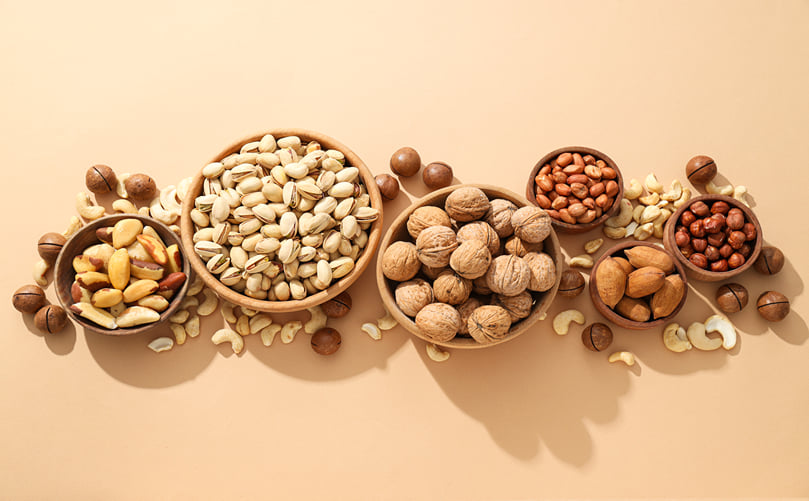
Nuts as Snacks: The Future of Healthy Eating
Why Nut Snacks Are Gaining Popularity Globally
Nut snacks have surged in global popularity as consumers increasingly prioritize health, wellness and nutrient dense eating patterns. Busy lifestyles, urbanization and the demand for convenient on the go options have fueled interest in portable snacks that deliver real nutritional value rather than empty calories. Health-conscious trends, including plant-based, vegan, high protein and low carbohydrate diets, position nuts as ideal choices because of their natural protein, fiber and unsaturated fat content.
Global consumer data shows that over two thirds of people snack at least once daily, with many seeking inherently healthy options like nuts and seeds that provide sustained energy, satiety and functional benefits such as heart health support and reduced chronic disease risk. The shift toward mindful snacking balancing indulgence with wellness has boosted nut consumption, particularly as alternatives to sugary or fried items. In regions such as North America and Europe, nuts align with wellness driven lifestyles, while in Asia (including India and China) and Latin America, traditional nut consumption has evolved into flavored, packaged modern snacks. Market growth reflects this trend, with nuts and seeds forming a leading segment in the healthy snacks category.
Shift from Traditional Snacks to Nutrient-Dense Snacking
Consumers worldwide are steadily moving away from traditional snacks such as potato chips, cookies, candies and other refined carbohydrate heavy products toward more nutrient dense choices like nut-based snacks. Conventional snacks often deliver quick energy spikes from added sugars, refined starches and unhealthy fats, followed by energy crashes, increased hunger and limited nutritional value. In contrast, nuts provide prolonged satiety and stable energy through their combination of plant-based protein, heart healthy unsaturated fats and dietary fiber, which slow digestion and help regulate blood sugar levels.
This dietary shift is supported by growing awareness of long-term health impacts, with studies showing that replacing high carbohydrate or sugary snacks with nuts improves overall diet quality, reduces cravings, enhances adherence to balanced eating patterns and lowers the risk of chronic conditions such as heart disease and type 2 diabetes. The demand for functional, minimally processed foods that support wellness, immunity and weight management has accelerated this transition, positioning nut snacks as a smarter everyday choice.
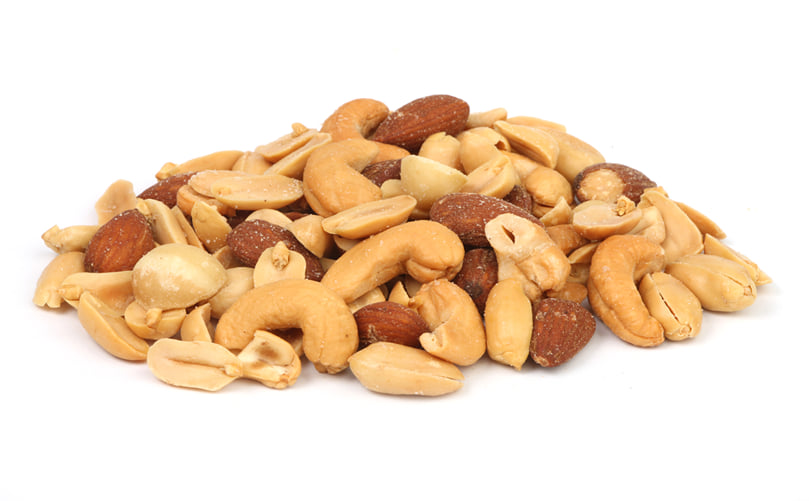
From Empty Calories to Smart Nutrition: The Global Shift Toward Nut-Based Snacking
Understanding the Most Widely Used Snack Nuts
The snack industry relies heavily on a core group of nuts each offering distinct flavors, textures and nutritional strengths. Almonds are among the most versatile and widely consumed nuts, featuring a mild, slightly sweet flavor and firm crunch and are rich in vitamin E, fiber and calcium. Cashews provide a creamy, buttery texture that makes them ideal for flavored or coated snacks and are notable for their copper, magnesium and zinc content. Peanuts, the most affordable and protein rich option, deliver a robust nutty taste and are commonly used in savory, sweet and butter formats.
Pistachios are recognized for their vibrant green color, subtle sweetness and lower calorie density per serving, partly due to shelling, which naturally slows consumption. They are rich in potassium, vitamin B6 and antioxidants such as lutein. Walnuts have a richer, slightly earthy and bitter flavor and are valued for their high plant-based omega-3 (ALA) content, supporting brain and heart health. Hazelnuts offer a sweet, nutty aroma and are particularly popular in chocolate coated or dessert style snacks, providing vitamin E, manganese and folate.
These nuts are sourced globally almonds from California, cashews from Vietnam and West Africa, peanuts from India and the United States, pistachios from Iran and the U.S., walnuts from California and Chile and hazelnuts from Turkey and Italy forming the foundation of diverse nut snack innovations.
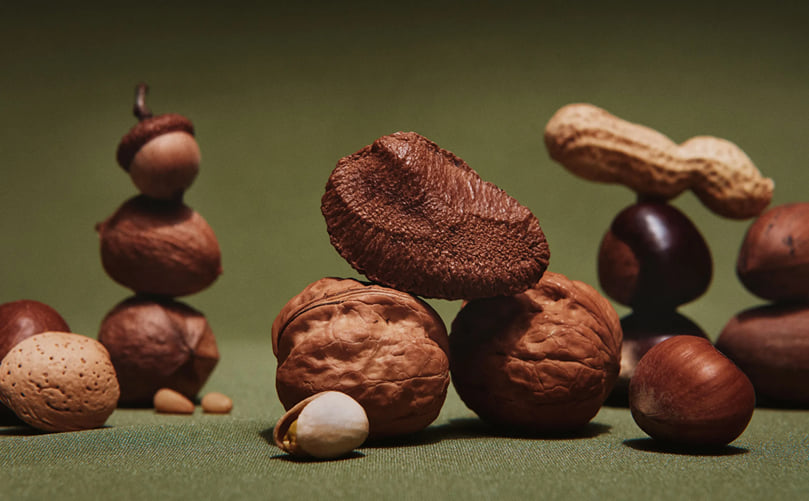
From Almonds to Hazelnuts: Nuts Behind Today’s Snacks
Nutritional Powerhouse: The Complete Health Profile of Nut Snacks
Nut snacks are exceptionally nutrient dense, offering a balanced blend of macronutrients and micronutrients in a compact, satisfying form. A typical 28 gram (1-ounce) serving provides 160–200 calories, largely derived from healthy unsaturated fats, which contribute roughly 70–80% of total calories. These include monounsaturated fats (such as oleic acid) and polyunsaturated fats (notably omega-6 linoleic acid and in walnuts, omega-3 alpha-linolenic acid). These fats support heart health, cellular function and sustained energy release.
Plant-based protein content ranges from 4–7 grams per ounce, making nuts valuable for muscle maintenance and satiety. Peanuts provide the highest protein (~7 g), followed by almonds and pistachios (~6 g each). Dietary fiber contributes approximately 1–3.5 grams per serving, with almonds leading at about 3.5 grams, supporting digestive health, glycemic control and prolonged fullness.
Micronutrients further enhance the nutritional value of nuts. Almonds are among the richest natural sources of vitamin E, delivering potent antioxidant protection for cells and skin, often meeting a substantial portion of daily requirements in a single serving. Cashews and hazelnuts are particularly rich in magnesium, essential for muscle function, nerve signaling and energy metabolism. Peanuts and pistachios provide meaningful amounts of zinc, supporting immune function and wound healing.
Other key minerals include copper (notably high in cashews, supporting iron metabolism and connective tissue formation), manganese (abundant in hazelnuts and walnuts for bone health and metabolic processes) and potassium (especially prominent in pistachios, contributing to blood pressure regulation). Selenium is present in small amounts in most common snack nuts, with walnuts supplying trace levels that support thyroid function.
Beyond essential nutrients, nuts contain a wide array of bioactive compounds, including polyphenols, flavonoids, phytosterols and carotenoids, which exhibit antioxidant and anti-inflammatory properties. Walnuts stand out for their high total antioxidant capacity comparable to certain vegetables like broccoli and tomatoes while almonds and pistachios provide lutein and zeaxanthin, carotenoids linked to eye health. Phytosterols naturally present in nuts help reduce intestinal cholesterol absorption, contributing to improved cardiovascular health.
When compared with conventional fried or highly processed snacks (such as potato chips or extruded savory products), nuts offer superior nutritional value within a similar calorie range (150–200 calories per serving). Processed snacks are typically dominated by refined starches, excess sodium, added sugars and unhealthy fats, while providing minimal fiber or micronutrients often resulting in “empty calories.” In contrast, nut snacks deliver quality protein, fiber, essential vitamins and minerals and beneficial fats, leading to greater satiety, improved nutrient density and enhanced overall dietary quality. Substituting nuts for less nutritious snack options supports sustained energy, metabolic health and long-term wellness.
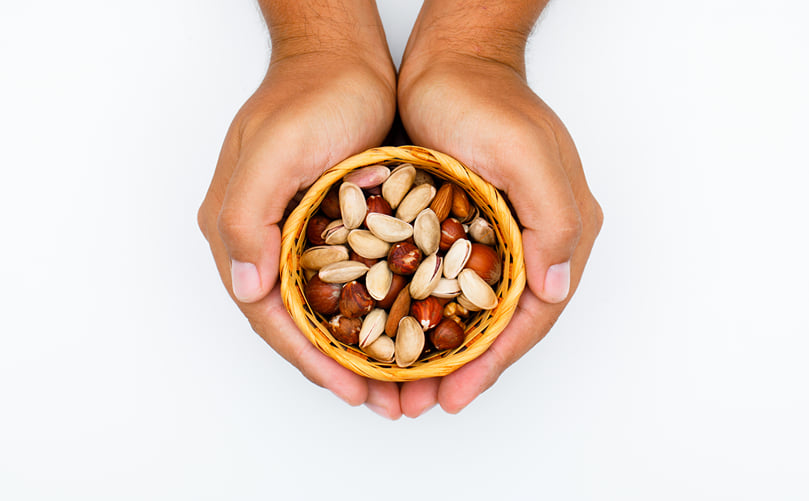
The Nutrient Density of Nut Snacks at a Glance
From Heart to Gut: The Comprehensive Health Benefits of Nut Snacks
Nut-based snacks provide a wide range of evidence-based health benefits, supported by numerous systematic reviews and meta analysis of both observational and interventional studies. Their unique nutrient composition rich in unsaturated fats, plant protein, fiber, vitamins, minerals and bioactive compounds positions nuts as a functional food with protective effects across multiple body systems.
Cardiovascular Health and Cholesterol Management: Regular nut consumption is consistently associated with improved cardiovascular outcomes. Studies show reductions in total cholesterol, LDL cholesterol and triglycerides, with neutral or modest increases in HDL cholesterol. These benefits are driven by the synergistic effects of unsaturated fatty acids, dietary fiber, phytosterols and antioxidants, which reduce systemic inflammation and improve endothelial function. Higher nut intake has been linked to a 20–30% lower risk of coronary heart disease, stroke and overall cardiovascular disease. Emerging evidence also indicates modest improvements in blood pressure and arterial stiffness, reinforcing the role of nuts in heart health oriented dietary patterns.
Blood Sugar Control and Diabetes Risk Reduction: Nut-based snacks are particularly beneficial for glycemic control and diabetes prevention. Their low glycemic index, combined with healthy fats and fiber, helps moderate postprandial glucose responses and enhance insulin sensitivity. Meta analyses suggest that regular nut intake is associated with a 10–20% reduction in the risk of type 2 diabetes, with stronger effects observed for tree nuts such as almonds and walnuts. Clinical studies also report favorable effects on fasting blood glucose and HbA1c, making nuts well suited for individuals with prediabetes, metabolic syndrome or those following low carbohydrate or balanced eating plans.
Weight Management and Satiety: Despite being energy dense, nuts do not promote weight gain when consumed in appropriate portions and may support weight maintenance or modest weight loss. Their combination of protein, fiber and fats enhances satiety, leading to reduced hunger and lower overall calorie intake. Evidence from prospective cohort studies and randomized controlled trials indicates associations between higher nut consumption and lower body weight, reduced waist circumference and decreased body fat, with no adverse effects on BMI. These outcomes are attributed to incomplete fat absorption, increased diet induced thermogenesis and improved appetite regulation.
Brain Health and Cognitive Function: Nuts also contribute to brain and cognitive health, with walnuts receiving particular attention due to their high content of alpha-linolenic acid (ALA), a plant-based omega-3 fatty acid. Research links regular nut consumption to improvements in memory, executive function and cognitive performance, as well as slower cognitive decline in older adults. Antioxidants such as vitamin E in almonds further support neuronal protection by reducing oxidative stress, potentially lowering the risk of age-related neurodegenerative disorders.
Gut Health, Inflammation and Longevity: The prebiotic fiber in nuts supports the growth of beneficial gut microbiota, improving digestion, gut barrier function and immune regulation. In addition, nut derived polyphenols and other bioactive compounds exhibit anti-inflammatory effects, contributing to reductions in markers such as C-reactive protein. Collectively, these mechanisms support metabolic health and reduce chronic inflammation. At a population level, frequent nut consumption is associated with a 15–20% lower risk of all-cause mortality, as well as reduced incidence of certain cancers and chronic diseases.
Diversity in a Handful: The Expanding World of Nut Snacks
The market for nut-based snacks is highly diverse, offering a wide range of formats that cater to varying taste preferences, nutritional goals and consumption occasions. This diversity reflects growing consumer demand for both health focused and indulgent snacking options.
Roasted and Dry Roasted Nuts: Roasted and dry roasted nuts form a core category within the nut snack segment. In this format, raw nuts are heated using ovens or hot air often without added oils to enhance flavor and crunch while largely preserving their natural nutrient profile. Popular examples include lightly salted almonds, unsalted pistachios and dry roasted peanuts, which appeal strongly to health conscious consumers seeking minimally processed snacks.
Flavored and Seasoned Nuts: Flavored and seasoned nut snacks expand on the basic roasted category by incorporating spices, herbs or savory seasonings after roasting. Examples include barbecue cashews, wasabi peanuts, chili lime almonds and herb infused walnuts. These products add taste variety and sensory appeal while still retaining the nutritional benefits of whole nuts.
Nut Mixes and Trail Mixes: Nut mixes and trail mixes combine multiple nut varieties such as almonds, cashews, walnuts and pistachios with complementary ingredients like seeds (pumpkin or sunflower), dried fruits (raisins or cranberries) and occasional inclusions such as dark chocolate or yogurt coated pieces. Valued for their portability and balanced nutrient profile, these mixes are commonly marketed as energy-boosting snacks for outdoor activities, travel and workplace consumption.
Nut Bars and Clusters: Nut bars and clusters transform nuts into compact, ready to eat formats by binding chopped or whole nuts with natural sweeteners like honey, dates or agave syrup. Many products are further enhanced with added protein, fiber or functional ingredients. Offerings range from simple almond date bars to premium clusters featuring dark chocolate, sea salt or superfoods, positioning them as convenient meal replacement or on the go snacks.
Nut Butters and Spreads: Nut butters and spreads provide a versatile snacking option made by grinding nuts such as peanuts, almonds or cashews into smooth or crunchy pastes. They can be consumed directly, paired with fruits or vegetables, spread on whole grain breads or used in dips and recipes. Available formats include natural, no added sugar varieties as well as flavored options with cinnamon, cocoa or vanilla, supporting customizable and quick snacking habits.
Coated and Indulgent Nut Snacks: Coated nuts introduce a more indulgent dimension, with nuts enrobed in chocolate, yogurt, honey, caramel, toffee or spice-based glazes. Examples include dark chocolate hazelnuts, honey roasted pecans and cinnamon coated peanuts. These products balance nutritional value with dessert like appeal and are often positioned as premium treats or gifting options.
Emerging and Functional Nut Snack Variants: Innovation within the category has led to functional and specialty nut snacks, such as protein-enriched mixes with added pea or whey protein, omega-3 enhanced blends incorporating chia or flax seeds and raw or sprouted nuts for consumers seeking minimally processed options. Candied or kettle glazed nuts cater to sweet flavor preferences, while global and exotic blends such as tropical trail mixes featuring macadamias and dried pineapple reflect international taste influences. Portion controlled packaging further supports mindful consumption.
Overall, the nut snack market spans everyday staples to premium and functional offerings, leveraging popular nut varieties such as almonds, cashews, peanuts, pistachios, walnuts and hazelnuts. This breadth underscores the sectors continued innovation and its ability to meet diverse consumer needs across health, convenience and indulgence.
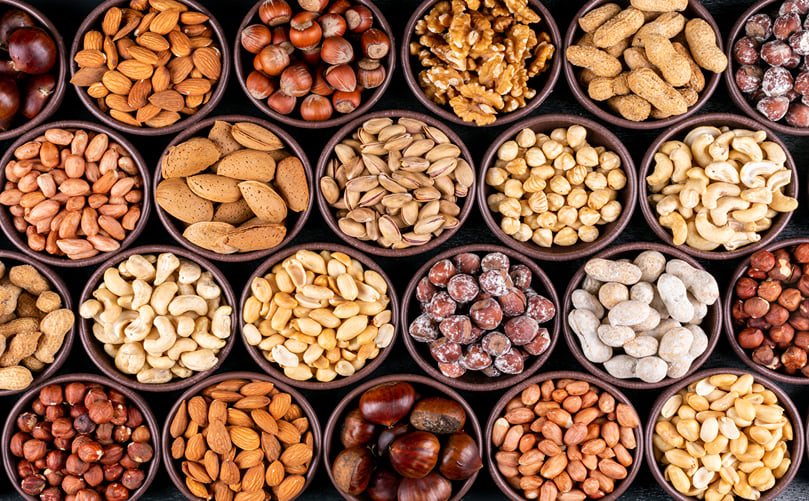
Variety in Every Bite: Modern Nut-Based Snacks
From Farm to Shelf: Processing and Production of Nut-Based Snacks
The processing and production of nut snacks involve a sequence of carefully controlled operations designed to ensure product quality, food safety, flavor development and shelf stability. These steps are guided by established industry practices, regulatory frameworks and scientific validation.
Sourcing, Grading and Quality Assessment
Production begins with sourcing high quality raw nuts from reliable growers and suppliers, often concentrated in major producing regions such as California (almonds) and Vietnam or India (cashews). Nuts are evaluated based on variety, crop year, size and compliance with food safety standards. Grading is conducted according to national or international specifications, classifying nuts by kernel size, shape, color and the presence of defects such as insect damage, mold or foreign material.
Moisture control is a critical parameter, with raw nuts typically maintained at 4–8% moisture to inhibit microbial growth during storage and transport. Mechanical sorting technologies such as optical scanners, gravity tables and density separators are widely used to remove substandard kernels and ensure uniformity. Traceability is emphasized throughout this stage, with documentation covering origin, harvest practices and contaminant testing, supporting compliance with global export and food safety requirements.
Roasting and Thermal Processing
Roasting is a pivotal step that enhances flavor, texture and microbial safety while reducing moisture content to approximately 1–2%, thereby extending shelf life.
- Dry roasting uses hot air (typically 120–175°C) in batch or continuous ovens without added oils. This method is commonly applied to almonds and peanuts and promotes even browning through Maillard reactions, producing characteristic nutty aromas.
- Oil roasting involves immersing nuts in hot vegetable oils (such as peanut or sunflower oil) at 135–190°C for shorter durations. This technique yields a richer flavor and crisp texture but increases fat content; excess oil is removed after roasting.
- Air roasting, a variation of dry roasting, employs high velocity hot air to fluidize the nuts, ensuring uniform heat transfer with minimal contact. It is increasingly favored for premium and health-oriented products due to efficiency and consistency.
Roasting parameters are scientifically validated to achieve pathogen reduction targets, such as a 5-log reduction of Salmonella, while minimizing nutrient loss. Emerging technologies including infrared and microwave roasting are being explored to improve processing efficiency and nutrient retention.
Flavoring and Seasoning
Flavoring and seasoning are typically applied after roasting to prevent heat related degradation of spices, oils and volatile compounds. Common techniques include tumbling roasted nuts in rotating drums with dry seasonings (salt, herbs, spice blends) or spraying liquid flavorings for uniform adhesion.
Advanced systems utilize electrostatic seasoning to improve precision and reduce waste, while encapsulation technologies help control flavor release and stability. Savory formulations may incorporate cheese powders or smoke extracts, whereas sweet profiles often use honey, sugar or syrup-based glazes. These processes are optimized to ensure even distribution and align with clean label trends favoring natural ingredients.
Shelf-Life Enhancement and Packaging
Shelf-life management focuses on protecting nuts from oxidation, rancidity and moisture absorption. Packaging plays a central role, with commonly used materials including multi-layer foil laminates, metallized films and high barrier plastics that limit exposure to oxygen, light and humidity.
Technologies such as modified atmosphere packaging (MAP) which replaces oxygen with nitrogen or carbon dioxide and vacuum sealing are widely employed to slow oxidative reactions. Natural antioxidants, such as tocopherols (vitamin E) may be used to further enhance stability. Under optimal storage conditions (cool, dry environments below 70°F / 21°C and 60% relative humidity), roasted nut snacks typically achieve a shelf life of 6–12 months. Quality is monitored through sensory evaluation and chemical tests (e.g., peroxide and anisidine values).
Food Safety and Regulatory Compliance
Food safety is governed by comprehensive control systems such as Hazard Analysis and Critical Control Points (HACCP) and preventive controls mandated under regulations like the U.S. FDA Food Safety Modernization Act (FSMA). A critical concern is aflatoxin contamination, caused by molds such as Aspergillus species. Strict regulatory limits (commonly ≤20 ppb total aflatoxins) are enforced through rigorous testing, controlled drying and electronic sorting technologies.
Allergen management is equally essential as nuts are major allergens. Measures include dedicated production lines, validated cleaning procedures (e.g., ATP swab testing) and clear, compliant labeling. Microbial safety may also involve non thermal interventions such as irradiation, ozone treatment or high-pressure processing, used alongside or in place of heat treatments when appropriate.
Overall, the integration of robust quality systems, employee hygiene training, pest management programs and third party audit ensures regulatory compliance, minimizes recall risks and delivers safe, high quality nut snacks to the market.
Clean Label Nut Snacks: Ingredient Transparency and Consumer Trust
Clean label and ingredient transparency have become central to the nut snack industry, reflecting growing consumer demand for simple, trustworthy products made without unnecessary additives. This shift is driven by heightened awareness of food quality, health and sustainability with consumers increasingly scrutinizing ingredient lists and production methods.
Minimal and Recognizable Ingredients: The demand for clean label nut snacks centers on short, easily understandable ingredient lists, often limited to 5–10 recognizable components such as nuts, sea salt, herbs, spices or natural oils. Manufacturers aim to eliminate fillers, artificial stabilizers, hidden sugars and complex additives. This “real food” positioning emphasizes ingredients commonly found in home kitchens rather than chemical sounding names, fostering consumer trust and aligning with wellness-oriented lifestyles that prioritize whole and minimally processed foods.
Preference for Natural Flavors: Natural flavors are increasingly favored over artificial alternatives as consumers seek authentic taste profiles derived from real sources such as spices, fruits, herbs or essential oils. By regulatory definition, natural flavors are obtained from plant or animal materials through physical, enzymatic or microbiological processes, including distillation and fermentation. These ingredients provide cleaner, more nuanced flavor experiences and support perceptions of safety and quality. In nut snacks, natural flavor systems often enhance inherent nut characteristics for example, using real vanilla extract, cocoa or citrus zest instead of synthetic flavor compounds.
Use of Cold Pressed Oils and Natural Seasonings: The incorporation of cold pressed oils and natural seasonings further reinforces clean label positioning. Cold pressed oils, extracted mechanically without high heat or chemical solvents, retain more antioxidants, vitamins and natural aroma compounds compared with highly refined oils. Premium nut snacks may use cold pressed olive, avocado or coconut oil for light coating or flavor infusion.
Natural seasonings sourced from herbs, spices and mineral rich sea salts provide flavor depth without relying on synthetic enhancers. Clean-label formulations typically avoid additives such as monosodium glutamate (MSG), artificial colors and artificial flavor enhancers, instead using ingredients like turmeric, garlic powder, paprika or rosemary extract.
Non-GMO, Organic and Preservative Free Claims:
Claims such as Non-GMO, organic and preservative free are key pillars of ingredient transparency.
- Non-GMO labeling assures consumers that nuts and added ingredients are not derived from genetically modified sources, often verified through third party certifications such as the Non-GMO Project.
- Organic claims require compliance with certified standards that prohibit synthetic pesticides, fertilizers and genetically modified inputs, supporting environmentally responsible agriculture and higher perceived product purity.
- Preservative free formulations exclude artificial preservatives such as BHA and BHT, relying instead on natural antioxidants (e.g., mixed tocopherols) and advanced packaging technologies to maintain freshness.
Together, these practices reinforce transparency, strengthen consumer trust and position nut-based snacks as clean, premium and health-aligned products in an increasingly ingredient conscious marketplace.
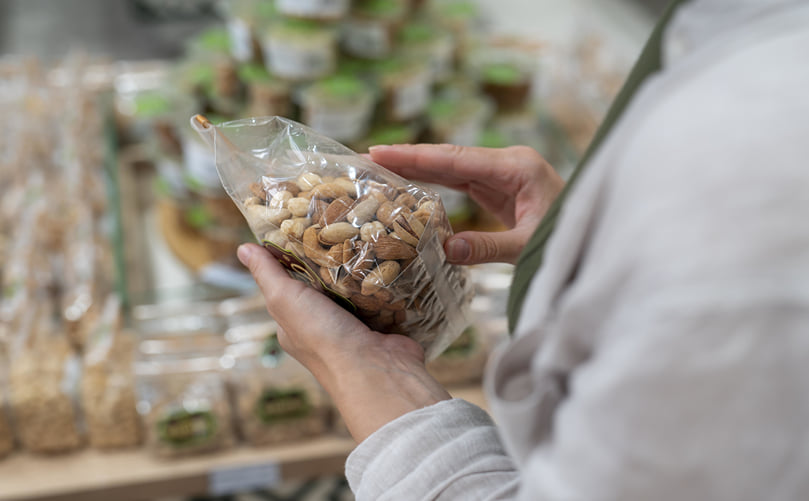
Clean Label at a Glance: What Goes Into a Modern Nut Snack Pack
More Than a Snack: Fortified Nut Products for Modern Wellness
Functional and fortified nut snacks represent a rapidly evolving category in which traditional nuts are enhanced with added nutrients or bioactive ingredients to deliver targeted health benefits beyond basic nutrition. These products appeal to consumers seeking convenient, food-based solutions for specific wellness goals such as muscle recovery, digestive health, heart support, energy and immunity. Fortification typically involves the addition of vitamins, minerals or functional compounds during processing, while functional positioning builds on the inherent nutritional strengths of nuts, complemented by synergistic ingredients. This approach aligns with the broader shift toward snacks as tools for proactive health management, with nuts serving as an ideal base due to their natural richness in healthy fats, plant protein, fiber and antioxidants.
Protein Enriched Nut Snacks: Protein fortified nut snacks are designed to support muscle maintenance, satiety and sustained energy, making them particularly attractive to active consumers, athletes and individuals following high protein diets. Common formats include nut bars, clusters and mixes fortified with plant-based proteins such as pea, rice, soy or whey isolates, often delivering 10–20 grams of protein per serving. These formulations build upon the natural protein content of nuts (approximately 4–7 grams per ounce) without compromising taste or texture. Scientific evidence supports higher protein intake for muscle protein synthesis, recovery and appetite control, positioning these products as effective functional snacks. Many brands favor clean label strategies, using seeds, legumes or whole food protein sources to maintain natural positioning and improve allergen transparency.
Probiotic and Fiber Enriched Nut Blends: Probiotic and fiber enhanced nut snacks target gut health and microbiome balance. Probiotics commonly strains of Lactobacillus or Bifidobacterium may be incorporated into nut bars, nut butters or coated nuts using microencapsulation technologies to improve stability and shelf life.
Fiber fortification often includes ingredients such as inulin, psyllium husk, chia seeds or resistant starch, increasing both soluble and insoluble fiber content. These additions support digestive regularity, blood glucose regulation and prebiotic activity, nourishing beneficial gut bacteria. Fortified trail mixes combining nuts with fiber rich seeds and dried fruits can deliver 5–10 grams of fiber per serving, contributing to improved gut integrity, reduced inflammation and better metabolic outcomes when consumed regularly.
Omega-3 Enriched Nut Snacks: Omega-3 enriched nut snacks focus on enhancing intake of essential fatty acids, particularly alpha linolenic acid (ALA) and in some formulations, EPA/DHA derived from algae oil. While walnuts are naturally high in ALA, fortification extends omega-3 benefits to other nuts such as almonds or cashews through blends, coatings or inclusions of flaxseed or chia seed. These products help consumers approach recommended daily intakes of omega-3s (approximately 1.1–1.6 g ALA/day for adults), supporting cardiovascular, cognitive and anti-inflammatory health. Omega-3 fortified nut bars and mixes also offer a plant-based alternative to fish oil, appealing to vegetarian and vegan consumers. Research associates such formulations with improvements in lipid profiles and reductions in oxidative stress.
Energy Boosting and Immunity Support Nut Snacks: Energy and immunity focused nut snacks integrate micronutrients, adaptogens and antioxidants to support vitality and resilience. Energy oriented products may be fortified with B vitamins, magnesium, iron or electrolytes, supporting energy metabolism, muscle function and fatigue reduction examples include almond or peanut clusters enriched with magnesium or potassium.
Immunity support formulations often incorporate vitamin C (from acerola cherry), zinc (from seeds or mineral sources), selenium, polyphenols or botanical extracts such as elderberry, working synergistically with nuts natural vitamin E and healthy fats. These combinations are supported by evidence linking adequate micronutrient intake to improved immune response, reduced infection risk and enhanced stress resilience particularly among individuals with demanding or active lifestyles.
Evolving Consumer Preferences Shaping the Global Nut Snack Market
Consumer trends are significantly accelerating the growth of the nut snack market as people increasingly seek snacks that align with their health goals, lifestyle choices and ethical values. These drivers reflect a broader shift toward mindful eating, where nuts are favored for their versatility, natural appeal and ability to fit into diverse dietary patterns. Rising global awareness around nutrition, convenience and sustainability has fueled demand, encouraging innovation in flavors, formats and formulations that keep the category dynamic and expanding.
Rise of Plant-Based and Vegan Snacking: Plant-based and vegan snacking has emerged as a major growth driver, with consumers adopting these diets for health, environmental and animal welfare reasons. Nuts, being inherently plant derived, serve as ideal staples in vegan snacks, offering protein and healthy fats without animal ingredients. Products such as cashew-based cheeses or almond milk infused bars cater to this segment, with strong market uptake in regions like North America and Europe. This trend also supports environmental sustainability, as plant-based foods generally have lower carbon footprints than animal-based snacks, prompting brands to highlight vegan certifications and clean label ingredients.
Demand for High Protein and Keto Friendly Options: High protein and keto friendly diets are boosting nut snack popularity, as these regimens emphasize low carbohydrate, nutrient dense foods for weight management, muscle development and sustained energy. Nuts like peanuts and almonds naturally provide 4–7 grams of protein per ounce, while enhanced products with added protein appeal to keto consumers by maintaining low net carbohydrate levels (often under 5 grams per serving). Items such as keto nut bars and lightly seasoned nut mixes with minimal added sugars have seen increased consumption, supported by consumer surveys that rank protein as a top nutrient for satiety, immunity and strength.
On the Go and Portion Controlled Snacking: Busy lifestyles have increased demand for convenient, portion-controlled snack options. Nuts packaged in single serve packs or resealable pouches offer mess free, portable solutions suitable for work, travel and fitness routines. Portion control also helps calorie conscious consumers manage intake while still enjoying nutrient rich snacks. This trend has driven packaging innovation, including eco-friendly materials and supports the rise of snacking beyond traditional mealtimes, contributing to sustained category growth.
Premiumization and Gourmet Flavor Innovation: Premiumization is transforming nut snacks from basic staples into indulgent, experience-driven products. Consumers are increasingly willing to pay more for high quality offerings such as truffle infused almonds, smoked varieties or exotic spice blends. The use of premium nuts, artisanal seasonings, and limited-edition releases enhance sensory appeal and positions nut snacks as sophisticated treats. This trend broadens the consumer base beyond health focused buyers to include those seeking culinary novelty and premium taste experiences.
Sustainability and Ethical Consumption: Sustainability conscious consumers are playing a key role in shaping nut snack growth by prioritizing ethically sourced and environmentally responsible products. Preferences are shifting toward fair trade nuts, water efficient farming practices and recyclable or compostable packaging. Brands that address carbon footprint reduction, responsible sourcing and waste minimization resonate strongly with these consumers, fostering brand loyalty and supporting premium pricing within the category.
Global Flavor Trends and Regional Taste Preferences in Nut Snacks
Global flavor trends in nut snacks are becoming increasingly bold and adventurous, reflecting consumers growing appetite for exciting, multicultural taste experiences that balance familiarity with novelty. Popular flavor profiles include smoky barbecue (BBQ), spicy peri-peri inspired by African and Portuguese cuisines, pungent wasabi drawn from Japanese culinary traditions and indulgent truffle flavors associated with European gourmet foods. These profiles often emphasize heat, umami and earthy notes, with innovations such as chili lime coated cashews or matcha infused almonds gaining strong traction.
Market insights suggest that globally inspired flavors help differentiate products in a crowded snack aisle, particularly appealing to millennials and Gen Z consumers who seek authentic international tastes without the effort of cooking. Emerging trends also spotlight exotic spices like harissa, gochujang and tajín, transforming simple nuts into craveable, shareable snacks aligned with broader food trends toward spicier and more intense flavor profiles. In response, brands are introducing limited edition varieties such as smoky bacon coated nuts or flamin hot chili blends to capture interest in punchy, distinctive offerings beyond traditional salted or plain nuts.
Indian Market Preferences: In India, nut snack preferences strongly favor savory and spice forward flavors that reflect local culinary traditions. Popular profiles include masala (a blend of cumin, coriander and chili), chaat (tangy, spicy, street food inspired), curry leaf (aromatic and herbal) and pepper (black or white for heat). These flavors frequently incorporate regional ingredients such as tamarind, fennuhin, garlic and chili, creating snacks that evoke everyday meals or festive treats. Surveys indicate that dry fruits and nuts particularly almonds, cashews and pistachios are widely consumed, with around 67% of consumers favoring makhanas (fox nuts) and nut mixes for their crunch and perceived wholesomeness.
In North India, almonds and walnuts dominate during winter months and festivals, while Western states like Maharashtra and Gujarat show a strong preference for spiced cashews and peanut-based snacks. Southern regions tend to favor coconut infused or curry spiced varieties. This regional diversity fuels product innovation with brands tailoring offerings for urban, health-conscious consumers who enjoy traditional flavors with modern twists, including vanilla or chocolate flavored nuts for indulgence. Overall, Indian consumers prioritize bold, familiar spices that enhance the natural taste of nuts, supporting sustained market growth through culturally resonant products.
Sweet vs. Savory Flavor Balance:Demand for sweet and savory nut snacks remains closely balanced, with savory flavors often holding a slight global edge due to their versatility and alignment with health-oriented eating habits. However, sweet nut snacks are rapidly gaining popularity through creative flavor pairings. Research suggests that approximately 72% of consumers prefer salty or savory profiles such as cheesy, garlic or ranch, while about 63% enjoy sweet options like honey roasted or chocolate coated nuts. Savory flavors dominate categories such as seasoned mixes and snack style nuts, accounting for a significant share of new product launches and appealing to consumers seeking bold, umami rich experiences.
Sweet variants, meanwhile, fulfill indulgence needs, with a growing proportion of snackers incorporating them into regular consumption. Notably, sweet savory hybrids such as salted caramel almonds or spicy honey peanuts are gaining momentum, capturing strong interest among millennials who value layered, complex flavor experiences. This balance highlights evolving preferences, where savory supports everyday snacking while sweet and hybrid options create treat like moments, collectively driving category expansion.
Fusion and Experiential Flavor Innovation: Fusion and experiential flavors are redefining nut snacks as multisensory experiences, blending unexpected elements from diverse cuisines to create distinctive and engaging profiles. Examples include cocoa dusted cashews paired with espresso seasoned hazelnuts for a coffee chocolate fusion or buffalo ranch almonds combining American barbecue heat with creamy herb notes. Global influences are evident in offerings such as Korean gochujang glazed walnuts, Mexican elote inspired corn nut mixes and Indian masala matcha pistachios that merge spicy, sweet and savory elements.
These products often experiment with varying heat levels or texture contrasts, such as crunchy herb coatings on naturally creamy nuts. Market trends show rising demand for hybrid and “newstalgic” flavors familiar tastes reimagined in bold ways, like pumpkin spice walnuts or coconut-toasted hazelnuts. This innovation driven approach appeals to adventurous consumers seeking cultural storytelling and novelty, while preserving the nutritional appeal that underpins nut snack consumption.
Sustainability and Ethical Sourcing in the Nut Industry
The sustainability and ethical profile of nut snacks is increasingly influencing purchasing decisions, as consumers and brands place greater emphasis on environmental impact, social responsibility and circular practices across the value chain.
Water and Carbon Footprints of Nut Production: The water and carbon footprints of nut production vary considerably by nut type, shaping sustainability assessments and consumer perceptions. Almonds have among the highest water requirements, using approximately 5 liters per nut or about 7,300 liters per pound, largely due to cultivation in drought-prone regions such as California, where irrigation relies heavily on limited groundwater resources. Cashews also have a relatively high water footprint at around 6,450 liters per pound, followed by pistachios at 5,155 liters and walnuts at 4,209 liters, making the latter comparatively more water efficient. Peanuts, which are legumes rather than tree nuts, have a much lower water footprint approximately 3.2 gallons per ounce often relying primarily on rainfed agriculture.
From a carbon perspective, nuts generally rank low among protein sources. Walnuts emit roughly 0.76 kg CO₂ equivalent per kilogram and pistachios about 1.1 kg CO₂ equivalent per kilogram, benefiting from the carbon sequestration capacity of perennial nut trees. Almonds, however, generate higher emissions at approximately 3.56 kg CO₂ equivalent per kilogram, highlighting trade-offs between nutrition, water use and emissions. Mitigation efforts include drip irrigation systems that can reduce water consumption by 20–30% and regenerative farming practices that improve soil health, enhance biodiversity and lower overall emissions. When responsibly sourced, nuts can therefore represent an environmentally favorable snack option.
Responsible Sourcing and Fair-Trade Practices: Responsible sourcing and fair-trade initiatives in the nut industry focus on equitable farmer compensation, environmental stewardship and improved social outcomes, addressing long standing challenges such as low wages and child labor within global supply chains. Fair trade certifications help ensure minimum pricing, social premiums for community development and safer working conditions. For example, cashew programs in Ghana, Benin and Cote d’Ivoire support cooperatives through training, fair compensation and market access. In the hazelnut sector, particularly in Turkey, initiatives emphasize eliminating under-age labor through audits, farmer education and enhanced supply chain transparency.
Several companies invest directly in origin level programs to strengthen farmer livelihoods, while organizations such as Fairtrade International promote closer buyer producer relationships that improve income stability. Ethical sourcing increasingly relies on traceability tools and digital monitoring systems to verify compliance, reduce exploitation and build resilient communities by funding education, healthcare and local infrastructure. These practices not only enhance producer welfare but also resonate strongly with sustainability minded consumers, enabling premium pricing and supporting long term market growth.
Sustainable Packaging Innovations: Packaging sustainability in nut snacks is evolving rapidly, with a growing shift toward eco-friendly materials that reduce environmental impact while preserving product quality. Recyclable solutions, including mono material PE or LDPE structures and improved multi-layer laminates, are gaining adoption to reduce plastic waste and simplify recycling streams. Compostable packaging made from plant-based films, such as those developed by companies like TIPA, offers the ability to break down in home or industrial composting environments without leaving microplastics while still maintaining nut freshness and crunch.
Paper-based alternatives, including recyclable flow wraps and kraft paper standup pouches with functional barrier layers, can reduce plastic content by up to 50% and provide a natural, premium aesthetic. Additional innovations include resealable packs made from biodegradable polymers and bulk packaging formats that minimize single use materials. Collectively, these solutions respond to consumer demand for greener packaging, reduce carbon footprints through lightweight materials and support circular economy principles by incorporating recycled or renewable content.
Food Waste Reduction and Byproduct Valorization: Reducing food waste in nut processing is a growing priority, with innovative valorization strategies transforming byproducts such as shells, hulls and skins into valuable secondary resources. Peanut hulls often discarded can be upcycled into high fiber flours, animal feed or bio-based ingredients, recovering nutrients such as protein and phenolic compounds while supporting global goals related to waste reduction and food security. Almond hulls are commonly repurposed as livestock feed or bioenergy inputs and emerging research highlights their potential applications in cosmetics and pharmaceuticals.
Industry tools such as agricultural byproduct databases help identify reuse opportunities across sectors, while processing techniques including multi pass grinding, controlled freezing and green technologies like nanocellulose coatings help preserve nutrients and extend shelf life. Improved agricultural practices, post-harvest handling protocols and hazard analysis systems reduce pre and post-harvest losses and enhance sorting efficiency. Collectively, these measures can cut waste by an estimated 20–30%, converting residual materials into profitable products such as nut derived biofuels, edible coatings or functional ingredients, while strengthening sustainability across the nut value chain.
Market Size, Growth and Future Outlook of Nut Snacks
The global nut snacks market has shown strong and consistent expansion in recent years, driven by rising consumer demand for convenient, nutrient dense foods aligned with health and wellness trends. The broader global nuts market was valued at approximately USD 55.9 billion in 2022, with snack-oriented formats accounting for a substantial share of this value. Nut snacks including roasted, flavored, coated and mixed varieties benefit from the natural positioning of nuts as high protein, fiber rich and minimally processed alternatives to conventional snacks. Growing awareness of nuts health benefits, such as cardiovascular support, sustained energy release and improved satiety, has supported steady consumption growth across age groups and income levels. This momentum has remained resilient despite economic fluctuations, further reinforced by continuous innovation in packaging, portion sizes and functional positioning tailored to on the-go lifestyles and dietary preferences such as plant-based, clean label and low carbohydrate eating.
Regional Market Dynamics and Growth Hotspots
Europe currently represents the largest share of the global nut snacks market, supported by long standing nut consumption habits, high disposable incomes and a mature retail ecosystem that emphasizes premium, organic and health focused snack options. North America follows closely, with the United States leading regional demand due to widespread product availability, strong branding and a cultural shift toward healthier snacking behaviors particularly among millennials and urban professionals seeking nutrient dense, convenient foods.
The Asia-Pacific region stands out as the fastest growing market, driven by rapid urbanization, expanding middle class populations and rising health awareness in countries such as China, India and Japan. Demand in this region is propelled by young professionals and health-conscious families seeking affordable, flavored nut snacks that integrate local taste preferences. Increasing disposable incomes, the growing popularity of plant-based proteins and improved retail penetration further support market acceleration. Emerging regions, including Latin America and the Middle East, also present significant growth potential as younger demographics and greater awareness of wellness benefits encourage wider adoption of nut-based snacks.
Role of E-Commerce and Direct-to-Consumer Channels
E-commerce and direct to consumer (D2C) models play an increasingly important role in expanding the nut snacks market by offering convenience, product variety and personalized engagement beyond traditional retail. Online platforms allow consumers to access a wide assortment of nut snacks, ranging from subscription-based mixed nut packs to customized flavor bundles, strengthening brand loyalty through targeted promotions and data driven recommendations.
D2C strategies enable brands to build closer relationships with consumers, offer exclusive products and gather real time insights into purchasing behavior. This channel has experienced particularly rapid growth in digitally advanced regions such as North America and Asia-Pacific, where urban consumers rely heavily on online shopping for premium and health focused snacks. The integration of digital tools, including mobile apps and AI driven personalization, further enhances reach and efficiency, allowing emerging brands to compete effectively by reducing reliance on intermediaries and lowering distribution costs.
Innovation Landscape and Future Outlook
Innovation opportunities in the nut snacks market remain strong, with future growth expected to be shaped by functional nutrition, sustainability and advanced flavor development. Emerging product concepts include fermented nuts offering probiotic benefits, plant-based hybrids that combine nuts with ancient grains or superfoods and personalized snack solutions tailored to specific health goals such as energy enhancement, immunity or weight management.
Looking ahead, premiumization is expected to intensify through exotic and globally inspired flavors, including tajín spiced, matcha infused or regionally inspired blends, alongside clean label formulations. Sustainability will remain a key differentiator, with increasing emphasis on eco-friendly packaging, regenerative agriculture and transparent sourcing. Technological advancements such as AI enabled customization, blockchain based traceability and upcycled ingredients derived from nut byproducts will further enhance product differentiation. Collectively, these trends position nut snacks as versatile, indulgent yet health-oriented products, supporting long-term growth in an increasingly competitive global market.
Challenges and Constraints in the Nut Snacks Market
Despite strong growth prospects, the nut snacks industry faces several structural and operational challenges that can affect profitability, scalability and market access.
Price Volatility of Raw Nuts: Price volatility of raw nuts remains a persistent challenge driven by factors such as climate variability, fluctuating crop yields, geopolitical tensions and supply chain disruptions. Prices of key inputs like almonds, cashews and walnuts are particularly sensitive to extreme weather events in major producing regions such as California and Vietnam. These fluctuations directly impact production costs and profit margins, making it difficult for manufacturers to maintain stable consumer pricing. Global trade complexities including tariffs, logistics bottlenecks and transportation delays further intensify volatility. To mitigate risks, companies often diversify sourcing or enter long term supplier contract but these strategies increase operational complexity and may limit flexibility.
Allergen Labeling and Regulatory Compliance: Allergen labeling and regulatory requirements present significant hurdles as nuts are among the most common food allergens worldwide. Regulatory authorities such as the FDA and the European Union mandate strict labeling standards, cross contamination controls and traceability protocols to ensure consumer safety. Compliance often requires dedicated production lines, rigorous testing procedures and specialized manufacturing facilities, increasing capital and operational costs particularly for small and mid-sized producers. The prevalence of tree nut allergies also limits market accessibility and compels manufacturers to invest in allergen free alternatives or enhanced safety measures to meet regulatory scrutiny and maintain consumer trust.
Shelf Life and Rancidity Management: Shelf-life stability is a critical challenge in nut snacks due to their high unsaturated fat content, which makes them susceptible to oxidation, off-flavor development and nutrient degradation over time. Exposure to oxygen, light and humidity accelerates rancidity, leading to reduced product quality and increased waste. To address this, producers rely on advanced preservation strategies such as modified atmosphere packaging, oxygen barriers, natural antioxidants and controlled storage conditions. While effective, these solutions add cost and require continuous innovation to balance freshness, shelf stability and sustainability objectives.
Balancing Taste, Health and Affordability: Achieving the right balance between taste, nutrition and cost remains an ongoing challenge. Consumers increasingly expect nut snacks to deliver bold flavors and functional health benefits while remaining affordable. However, premium ingredients used in health-oriented formulations such as organic nuts, functional additives or clean label seasonings can significantly raise product costs, potentially excluding price sensitive consumers. Manufacturers must optimize formulations, improve sourcing efficiency and pursue cost effective innovation to remain competitive, particularly as lower cost alternatives like grain based or extruded snacks compete for consumer attention.
Nut Snacks: The Smart Choice for Every Stage of Modern Life
Nut snacks seamlessly integrate into modern lifestyles by offering convenient, nutrient dense options that support energy needs, health goals and diverse dietary preferences across age groups and activity levels.
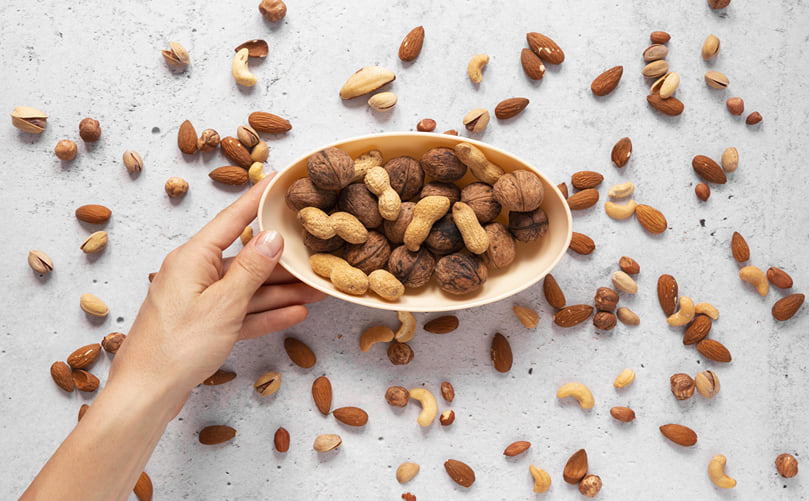
Nut Snacks Across the Lifespan: Nutrition That Adapts
For working professionals, who often face time constraints and high stress environments, nuts provide quick, portable sustenance with sustained energy from healthy fats, protein and fiber. This helps maintain focus and productivity without the crashes associated with sugary alternatives. A handful of mixed nuts, such as almonds and cashews, can serve as a mid-morning or afternoon boost, stabilizing blood sugar and curbing hunger during long meetings or commutes. Additionally, their antioxidants combat oxidative stress from daily demands. Research indicates that regular nut consumption enhances cognitive function and reduces fatigue, making them ideal for desk bound or on the go careers where balanced nutrition is key to performance.
In sports and fitness nutrition, nut snacks excel as natural fuel sources, delivering plant-based protein (up to 7 grams per ounce in peanuts), essential amino acids and anti-inflammatory compounds that aid muscle recovery and endurance. Athletes and gym enthusiasts benefit from pre or post workout options such as walnut clusters or almond butter, which provide omega-3s for joint health and magnesium for muscle function. Their low glycemic index supports steady energy release during high intensity activities. Studies show nuts help manage weight by promoting satiety and may reduce exercise induced inflammation, fitting well into keto, vegan or high protein regimens for optimal performance and body composition.
For kids and school friendly snacks, nuts offer a wholesome alternative to processed treats, providing vital nutrients like vitamin E, zinc and healthy fats that support growth, immune function and brain development. Portion controlled packs of pistachios or hazelnut spreads can serve as nut allergen aware options for lunchboxes, fostering healthy eating habits while delivering fiber to maintain steady energy for learning and play. With careful selection to avoid choking hazards in young children, nuts such as ground peanuts in smoothies promote satiety, reduce reliance on sugary snacks and are linked to better cognitive outcomes and lower obesity risk in youth.
For elderly nutrition, nuts play a critical role in combating age related decline. Their antioxidant rich profile (e.g., polyphenols in walnuts) supports heart health, cognitive sharpness and lowers the risk of chronic diseases like diabetes and cancer. Easy to chew formats, such as nut butters or chopped mixes, provide protein to preserve muscle mass and prevent sarcopenia, while selenium from Brazil nuts bolsters immunity and bone health. Regular intake can extend health span by improving lipid profiles and reducing inflammation, enhancing quality of life through simple additions to meals or as standalone snacks.