Potatoes: A Global Staple from Ancient Andes to Modern Kitchens
Potatoes (Solanum tuberosum) are among the world’s most significant staple crops, ranking fourth in global food production after rice, wheat and maize. They originated in the Andes Mountains of southern Peru and northwestern Bolivia over 8,000 years ago, where they were first domesticated by Indigenous communities. From there, they spread across continents and became a cornerstone of global food systems, contributing significantly to food security, dietary diversity and population growth, particularly in Europe and many other regions.
In modern households, potatoes are valued as an affordable, versatile and nutrient rich energy source. They provide complex carbohydrates along with important nutrients such as potassium and vitamin C making them a foundational ingredient in everyday diets. Their culinary flexibility allows them to be used in a wide range of preparations, from simple boiled dishes and curries to fries, baked items and roasted recipes across global cuisines.
Potatoes are also loved for how much they can be grown in a small space, how well they can be stored if kept properly, and how well they grow in different weather conditions and cooking styles. However, when stored and handled at home, they can develop problems like sprouting, turning green and going bad if not taken care of properly. These issues lead to a lot of food being thrown away, because potatoes are one of the most often tossed foods in many households. Choosing the right foods, storing them correctly and preparing them properly are very important.They help keep food fresh, keep its nutrients, make it taste better and feel better, keep it safe to eat, and also help save money by reducing waste at home.
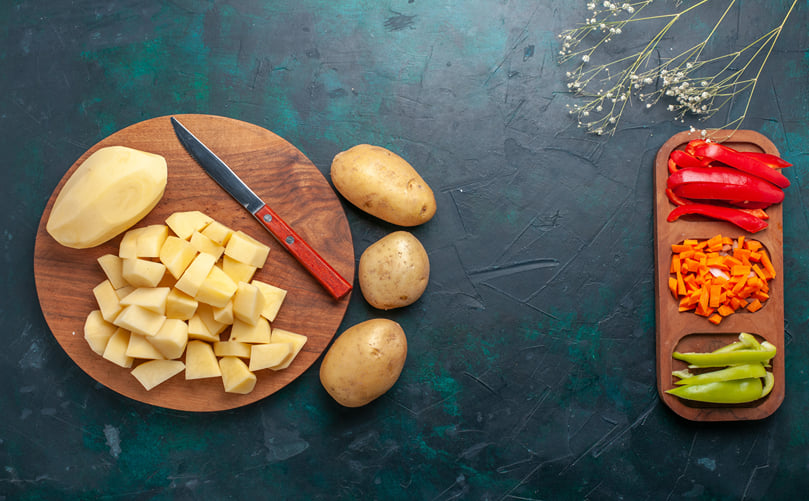
From Harvest to Home: The Incredible Journey of Potatoes
History: From Andean Roots to Global Staple
The story of the potato (Solanum tuberosum) began high in the Andes Mountains of South America, where indigenous communities first domesticated wild potato species around Lake Titicaca, on the modern-day border of Peru and Bolivia, between 8,000 and 5,000 BC. Archaeological and genetic evidence reveals that these early cultivators selectively bred and developed over 4,000 native varieties, each adapted to unique environments from frigid highlands to temperate valleys and coastal plains. Belonging to the Solanum brevicaule complex, the cultivated potato is thought to have originated from a single major domestication event, although some researchers propose multiple independent domestications across the Andean region.
The potatoes global journey began when Spanish conquistadors encountered it during their expeditions in the 1530s and carried it back to Europe. Initially, the strange tuber was met with suspicion and superstition Europeans associated it with the nightshade family, considering it potentially poisonous or even linked to leprosy. Over time, however, its high yield and nutritional value won acceptance and by the 18th century, the potato had become a vital food crop across Europe. It proved indispensable during periods of famine and war, offering sustenance when other crops failed.
Yet the potatoes dependence on a narrow genetic base had tragic consequences. The infamous Irish Potato Famine (1845–1852), caused by the fungal pathogen Phytophthora infestans, led to widespread crop failure, over a million deaths and mass emigration from Ireland an event that reshaped global demographics and agricultural awareness.
Even before European contact, pre-Columbian trade networks had spread potatoes throughout the Andes and wider Americas. After the Spanish conquest, the crop rapidly expanded to Asia, Africa and other continents, becoming a cornerstone of global food security. Today, institutions such as the International Potato Center (CIP) in Lima, Peru, safeguard thousands of traditional and improved varieties, helping to preserve biodiversity, enhance climate resilience and combat emerging pests and diseases.
Interestingly, during its early years in Europe, the potato acquired a colorful reputation sometimes rumored to be an aphrodisiac, a claim that may have aided its popularity despite early skepticism. It also appeared in folklore and traditional medicine, used for treating warts or symbolizing humility and endurance. From its sacred Andean origins to its place on tables worldwide, the potatoes journey reflects humanity enduring relationship with the land, survival and innovation.
Choosing the Right Potatoes for Better Storage and Cooking Quality
Selecting high quality potatoes is the foundation for better storage life and improved cooking results. Careful selection at the time of purchase helps reduce post-harvest losses at the household level and ensures better taste, texture and nutritional quality.
Firmness: Potatoes should feel solid and heavy for their size. Avoid tubers that are soft, spongy or wrinkled, as these are signs of moisture loss, aging or the beginning of internal breakdown.
Skin condition: Choose potatoes with smooth, tight and unbroken skin. A small amount of surface soil is normal, but avoid tubers with deep cuts, bruises, cracks, holes (caused by pests or mechanical injury) or dark blemishes, as these can accelerate spoilage.
Absence of sprouts and greening: Sprouts indicate that the potato is breaking dormancy and using stored nutrients, which reduces quality and storage life. Green patches develop due to light exposure and are associated with chlorophyll formation and increased solanine levels. Light greening or very small sprouts can sometimes be removed if the tuber is otherwise firm, but heavily sprouted or significantly green potatoes should be avoided.
Smell and appearance: Fresh potatoes should have a clean, earthy smell with no sour, musty or fermented odour. They should also match the normal appearance of their variety without unusual discoloration or patchiness.
Practical tips: Prefer loose potatoes when possible as this allows individual inspection of quality. If buying packaged potatoes, check carefully for damaged or sprouted tubers inside the bag. Purchase quantities based on expected use, typically within 1–4 weeks depending on storage conditions. In warmer climates such as India, smaller and more frequent purchases are preferable to reduce spoilage. Damaged tubers should always be avoided, as they deteriorate faster and can accelerate decay in nearby healthy potatoes.
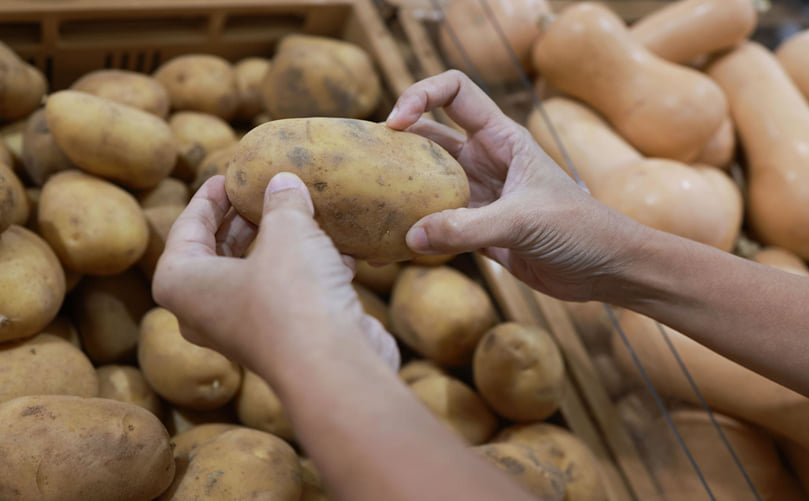
Selecting Fresh Potatoes: Quality Indicators for Firmness, Skin and Sprout-Free Tubers
Understanding Potato Types for the Right Cooking Use
Potatoes are broadly classified based on their starch content, which strongly influences their texture, moisture level and suitability for different cooking methods. Understanding these differences helps achieve better cooking outcomes at home.
Starchy (High Starch / Mealy / Floury): These potatoes have high starch content and low moisture. When cooked, they become light, fluffy and dry in texture and they readily absorb flavors. They also develop excellent crispness when fried or roasted. They are best suited for baking, mashing, frying (such as French fries and chips), roasting and preparing hash browns. Common examples include Russet (Idaho) varieties and similar baking types. At home, they work well for dishes like aloo bharta or crispy aloo fry, but they tend to break down easily in curries and are not ideal for salads.
Waxy (Low Starch): These potatoes contain lower starch and higher moisture and sugar levels. They retain their shape well after cooking and have a firm, smooth and slightly waxy texture. They are best used for boiling, steaming, salads, soups, stews and roasting where distinct pieces are preferred. Common examples include red potatoes, fingerling potatoes and baby potatoes. In home cooking, they are ideal for aloo sabzi and salads because they hold their structure without becoming mushy.
All Purpose (Medium Starch): These potatoes have a balanced starch and moisture content, offering a versatile texture that is both creamy and cohesive. They perform well across a wide range of cooking methods including mashing, roasting, frying, soups, gratins and general everyday cooking. Common examples include Yukon Gold and several widely available white or yellow varieties in Indian markets. They are a dependable choice for most household recipes due to their balanced cooking behavior.
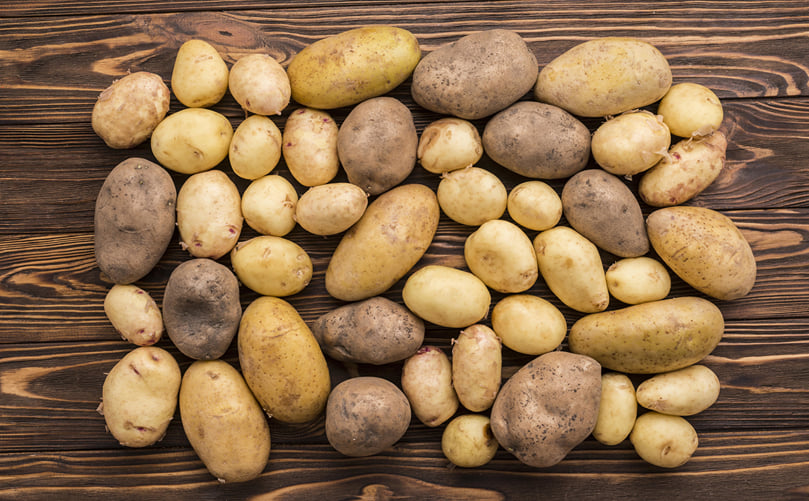
Guide to Potato Types: Choosing the Right Variety for Cooking Methodss
Proper Home Storage of Potatoes for Maximum Shelf Life
Storage at Home Proper storage is the most important factor in extending potato shelf life, which can range from a few weeks to several months depending on conditions. Potatoes are highly sensitive to temperature, light, humidity and ventilation, so maintaining the right environment is essential to preserve quality and reduce losses.
Ideal Storage Conditions for Potatoes
Temperature: Potatoes store best in a cool environment, ideally between 7–13°C. In homes without access to a root cellar, the coolest dark area available such as a pantry, basement or insulated storage space should be used. Refrigeration should be avoided because temperatures below approximately 7°C convert starch into sugars, resulting in an overly sweet taste and excessive browning during frying.
Darkness: Complete absence of light is necessary to prevent greening and the formation of solanine, which can affect both quality and safety.
Humidity: Moderate to high relative humidity (around 85–95%) helps prevent shriveling and moisture loss, but adequate airflow is equally important to avoid condensation and fungal or bacterial rot.
Ventilation: Potatoes should be stored in breathable containers such as paper bags, burlap sacks, open baskets or cardboard boxes. Airtight plastic bags should be avoided because they trap moisture and accelerate spoilage.
Additional Storage Guidelines for Better Shelf Life
Potatoes should not be stored near onions, apples or other ripening fruits, as ethylene gas released from these can accelerate sprouting and aging. Gentle air circulation is beneficial, but exposure to direct drafts should be avoided. In hot and humid climates such as many parts of India, storing smaller quantities and purchasing more frequently is often more practical. Traditional solutions such as cool earthen pots or shaded storage areas can also help maintain quality.
When stored correctly, potatoes remain fresh for a significantly longer period by slowing down natural respiration and sprouting processes.
Why Proper Storage Conditions Are Essential for Potato Quality and Shelf Life?
Potatoes are living organs even after harvest, as they are modified underground stems known as tubers. They continue to carry out metabolic activities such as respiration, transpiration and the regulation of dormancy, which directly influence their storage life and quality.
Dormancy: After harvest, potato tubers enter a natural resting phase known as dormancy. During this period, sprouting is suppressed even under favorable environmental conditions. This process is hormonally regulated, where higher levels of abscisic acid (ABA) help maintain dormancy, while gibberellins and cytokinins promote sprouting once dormancy is broken. The duration of dormancy varies depending on the variety, maturity at harvest and storage conditions.
Sprouting: Once dormancy ends, the buds (commonly called eyes) begin to grow. At this stage, stored starch is converted into sugars to support new growth, leading to shrinkage, softening and overall quality deterioration of the tuber.
Greening: Exposure to light stimulates chlorophyll development in the skin and sometimes in underlying tissues. This process is often associated with increased levels of glycoalkaloids such as solanine, which serve as a natural defense compound but may affect quality and safety if consumed in large amounts.
Moisture loss (transpiration): Potatoes gradually lose water through their skin leading to weight loss and shriveling, especially under low humidity conditions.
Respiration: Tubers continue to respire by consuming stored carbohydrates, releasing carbon dioxide, water and heat. This metabolic rate increases at higher temperatures, accelerating aging and reducing storage life.
Together, these physiological processes explain why cool, dark and well-ventilated storage conditions are essential. Such conditions help slow metabolism, maintain dormancy and preserve quality for a longer period. Mechanical damage or physical stress further accelerates deterioration by increasing respiration and moisture loss.
Common Potato Storage Problems: Causes and Prevention Strategies
Proper storage can significantly extend potato shelf life, but several common problems may still occur due to unsuitable environmental conditions, poor handling or initial tuber quality. Understanding these issues helps in effective prevention and better household management.
Sprouting: Sprouting occurs when dormancy breaks and buds (eyes) begin to grow. It is commonly triggered by warm temperatures (above 10–13°C), exposure to light, ethylene gas from nearby fruits or onions and advanced physiological age of the tuber. Sprouting increases the conversion of starch into sugars leading to softening and quality deterioration. Small sprouts on otherwise firm potatoes can be removed and used promptly, but heavily sprouted potatoes should be used quickly or discarded.
Greening: Greening is caused by exposure to light, even indirect or artificial light, which stimulates chlorophyll formation and is often associated with the accumulation of solanine. This results in green patches on the skin and sometimes the flesh, often accompanied by a bitter taste. It can be prevented by storing potatoes in complete darkness.
Rotting (Soft Rot and Dry Rot): Soft rot, usually caused by bacteria such as Pectobacterium or Erwinia species, leads to watery, foul smelling and mushy decay, typically starting from wounds or bruises. Dry rot, caused by fungi such as Fusarium species, results in sunken, shriveled areas and internal cavities with fungal growth. Both conditions are promoted by mechanical injury, high moisture, poor ventilation and warm storage conditions. Affected tubers should be removed immediately to prevent spread within the stored batch.
Shriveling and Weight Loss: Gradual moisture loss through transpiration leads to shriveled, wrinkled and lighter tubers. This is accelerated by low humidity, high temperatures, inadequate curing or excessive airflow during storage.
Softening and Internal Quality Loss: High temperatures increase respiration rates leading to faster breakdown of stored reserves. Refrigeration can also cause chilling injury, resulting in sugar accumulation and poor texture during cooking. Physical pressure from over stacking or rough handling may cause internal bruising and discoloration.
Prevention: These problems can be minimized by maintaining cool (7–13°C), dark and well-ventilated storage conditions with 85–95% relative humidity. Regular inspection, practicing first-in-first-out (FIFO) usage and removing damaged tubers promptly are essential. In warm and humid climates, smaller and more frequent purchases are more practical for maintaining quality.
Potato Safety and Quality: Understanding Solanine Risks and Prevention
The main safety issue with potatoes is solanine, and other similar chemicals like chaconine. These are natural substances made by the plant to protect itself from insects, sunlight and any physical damage. These compounds usually build up in the green parts of the skin and flesh, in the sprouts and in the damaged or bruised areas of the tuber.
If you eat too much, you might feel a bitter taste in your mouth, have nausea, throw up, have loose stools or feel pain in your tummy. You could also get a headache or feel lightheaded. In very rare and serious situations, some people might experience problems with their nervous system. Children are more sensitive to glycoalkaloids because they have less body weight.
Guidelines for safe use: To use potatoes safely, make sure to cut away any green parts and trim the area thoroughly. If the potato is still firm inside and not green underneath, you should also remove all the small sprouts. Potatoes that are very green, too soft or have grown lots of sprouts should be thrown away. If the green part goes under the skin or the tuber has a very bitter taste, you should not eat it. It's also important to remember that common cooking methods like boiling, frying or baking do not eliminate solanine.
Other quality concerns include off flavors caused by glycoalkaloids, sugar accumulation from cold storage or disease related breakdown. Damaged or rotting potatoes also carry a higher risk of microbial contamination. Over long storage periods, there is a gradual decline in nutritional quality, including vitamin C loss.
Maintaining proper storage conditions cool, dark and well-ventilated environments significantly reduce these risks. Greening should always be treated as an early warning sign of quality and safety deterioration and should be addressed promptly by sorting and removing affected portions.
Proper Handling and Preparation of Potatoes at Home
Taking good care of and preparing potatoes properly helps keep their texture, taste, nutrients and look, while also reducing waste and preventing them from turning dark due to enzymes.
Washing: Washing potatoes before storing them is not a good idea because the extra water can lead to the growth of microbes, which causes the potatoes to spoil faster. They need to be washed under cool running water and softly brushed with a vegetable brush right before using to take out dirt and any other stuff on the surface. After washing, they should be gently dried with a towel, especially if they are going to be fried or roasted.
Peeling: Peeling is not required because potato skins have a lot of fiber, potassium and antioxidants. When you need to peel something, do it as thinly as you can to keep more nutrients and reduce waste. It is better to peel potatoes right before or just after cutting them to keep them fresh and good quality.
Cutting: Potatoes should be cut right before you start cooking them. When they come into contact with air, they turn brown because of a chemical reaction. This happens thanks to an enzyme called polyphenol oxidase, which causes the phenolic compounds to change and form a brown color. This browning isn't dangerous, but it can make the appearance worse and might cause a small amount of nutrients to be lost.
Prevention of browning: To prevent discoloration, cut potato pieces should be submerged immediately in cold water. Adding a mild acid such as lemon juice or vinegar (about 1–2 teaspoons per liter of water) lowers the pH and slows the browning reaction further. For short term storage, submerged potatoes can be kept in the refrigerator for up to 24 hours. However, salt water should be avoided when preparing potatoes for frying, as it can negatively affect crispiness.
Additional best practices include using sharp knives to reduce cellular damage and minimizing time between cutting and cooking. For advance preparation, such as meal planning, potatoes can be stored in acidified cold water in the refrigerator, but they should be drained and thoroughly dried before frying or roasting to ensure proper texture and crispness.
These practices help maintain food safety, reduce household waste and ensure better texture, flavor and nutritional quality in home-cooked potato dishes.
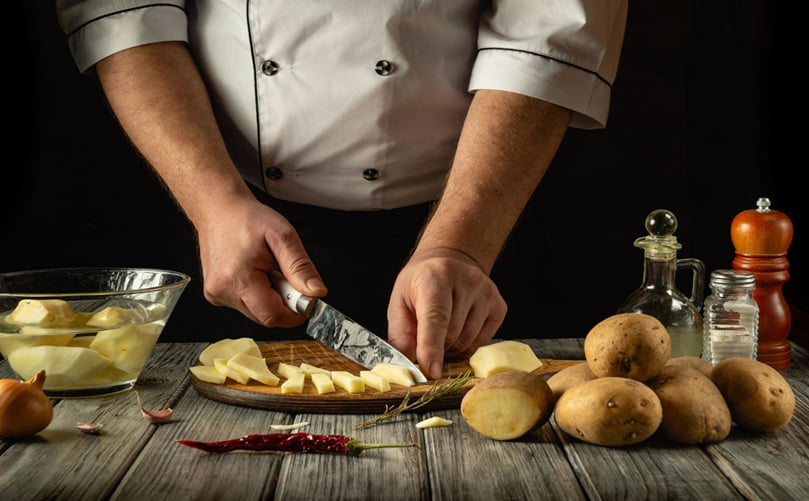
Home Kitchen Potato Preparation: Cutting Fresh Potatoes Before Cooking
Culinary Uses of Potatoes: Cooking Methods and Versatility
Potatoes are among the most versatile ingredients in home kitchens due to their neutral flavor, which allows them to absorb spices, herbs and gravies effectively. Their texture also varies depending on the variety and cooking method making them suitable for a wide range of global cuisines, including Indian aloo-based dishes, Western style fries and mashes, as well as soups and stews.
Common cooking methods and best practices:
Boiling/Steaming: This method is best suited for waxy or all-purpose potatoes. They are commonly used for mashed potatoes, potato salads (where shape retention is important) and various curries such as aloo sabzi and dum aloo. Starting potatoes in cold water ensures even cooking, while overcooking starchy varieties can lead to a mushy texture.
Frying: High starch potatoes, such as Russet types are ideal for producing crispy fries, chips, hash browns, aloo tikki and vada. Techniques like soaking cut potatoes in water or using double frying help remove excess surface starch, resulting in improved crispiness.
Roasting/Baking: Potatoes can be tossed with oil, salt and seasonings and roasted at 200–220°C for a crispy exterior and fluffy interior. Pre-boiling or par-cooking before roasting, as well as preparing smashed potatoes, enhances texture and flavor. These methods are commonly used for breakfast hashes and side dishes.
Mashing: Starchy or all-purpose potatoes are best for smooth, creamy mashed preparations. Ingredients such as milk, butter, garlic or herbs can be added to create variations like garlic mashed potatoes or traditional aloo bharta.
Other versatile uses: Potatoes are also used in gratins, soups and stews where they naturally help thicken the dish. They are popular in breakfast skillets, stuffed baked potatoes, snacks like aloo chaat and pakoras and even in croquettes or patties made from leftover mash.
Home tip: Selecting the right potato type for each cooking method significantly improves results starchy potatoes for frying and baking, waxy varieties for boiling and salads and all-purpose types for general use. Potatoes also adapt well to modern cooking methods such as air frying, pressure cooking and microwaving making them a reliable, budget friendly and highly adaptable staple in everyday cooking.
Nutritional Value, Health Benefits and Myths About Potatoes
A medium-sized potato, which is around 148 grams or 5.3 ounces including the skin, has about 110 calories. It has almost no fat (0 grams) and no cholesterol, which makes it a naturally low-fat food. It has about 26 grams of carbohydrates, mostly complex starch which gives long-lasting energy and also around 3 grams of protein. Potatoes also give around 2 to 3 grams of dietary fiber, and most of that fiber is found in the skin.
A medium potato has about 620 mg of potassium, which is around 15% of the daily recommended amount. Potassium helps keep blood pressure healthy, supports the heart and aids in muscle function. It also has about 27 mg of vitamin C, which is around 30% of the daily value. This vitamin works as an antioxidant, helps support the immune system and also helps the body absorb iron better. It also gives about 0.2 mg of vitamin B6, which is roughly 10% of the daily recommended amount. This vitamin is needed for the body's metabolism and making red blood cells. Smaller amounts of iron, magnesium, and folate are also found.
One of the main advantages is that they are a great source of complex carbohydrates, which give you energy without adding fat or cholesterol. The high amount of potassium helps keep sodium levels in check and is good for heart and blood vessel health. Vitamin C and antioxidants, especially when found in the skin, help support the immune system and keep the skin healthy. Potatoes are naturally gluten free and work well with many diets as long as they are cooked in simple, not too processed ways.
Common myths can be misleading. Potatoes are not inherently fattening; weight gain is usually linked to added fats such as deep frying, butter or cream or to processed forms like chips. When boiled, baked or roasted without excess fat, they can support satiety due to their fiber and water content, which may aid in weight management. They are also not “empty starch,” as they provide significant micronutrients including more potassium than many fruits and vegetables along with resistant starch (especially when cooked and cooled), which supports gut health.
Nutrient loss is generally minimal with most cooking methods and consuming potatoes with the skin helps maximize their nutritional value. While boiling can cause some loss of water-soluble vitamins, key nutrients such as potassium and fiber remain largely intact. When eaten in moderation as part of a varied diet, potatoes are nutrient dense and supportive of overall health rather than unhealthy.
Smart Potato Storage and Waste Reduction Strategies
Potatoes are among the most commonly wasted foods in households, but simple handling and planning strategies can significantly reduce losses and improve overall efficiency.
FIFO (First In, First Out): Always organize stored potatoes so that the older ones are used first. Place newly purchased potatoes behind the older stock and check your supply regularly, ideally once a week to ensure timely usage.
Inspection and sorting: Regularly inspect potatoes and separate those that are sprouting, soft or slightly damaged. Firm potatoes with small sprouts can still be used after removing the sprouts, but they should be consumed quickly. Older potatoes can be efficiently used in recipes such as curries, mashed dishes or soups where texture changes are less noticeable.
Minimizing peel waste: Whenever possible, scrub potatoes instead of peeling them, as the skin contains valuable fiber and nutrients. When peeling is necessary, keep the skin thin to reduce waste. Potato peels can also be repurposed into crispy snacks or composted instead of being discarded.
Smart preparation and storage: Cut only the quantity required for immediate cooking. If needed, cut pieces can be stored in cold water and kept in the refrigerator for up to 24 hours. Leftover cooked potatoes can be creatively reused in dishes such as patties, salads or can be frozen for later use.
Portion planning: In warmer climates, it is more practical to buy smaller quantities more frequently rather than storing large amounts for long periods. Planning meals around existing stock also helps ensure older potatoes are used before they deteriorate.
By adopting these practices, household food waste can be significantly reduced while also improving cost efficiency and maximizing the value of purchased potatoes.
Sustainable Potato Use: Reducing Waste and Improving Household Efficiency
Proper potato management at home contributes not only to better food quality and cost savings but also to broader sustainability goals. Potatoes are inherently resource efficient crops, offering high yields per unit area with relatively low water and land requirements compared to many other staple foods. They also allow utilization of a large portion of the plant with a significantly higher edible yield compared to many grain-based or processed foods, thereby reducing inherent food waste.
At the household level, reducing potato spoilage directly lowers food waste, which is a major contributor to methane emissions when organic matter decomposes in landfills. Efficient storage practices and planned usage also reduce the need for frequent shopping, which in turn minimizes packaging waste and transport related emissions.
Additionally, composting potato peels and discarded parts helps return organic nutrients to the soil, supporting a circular nutrient cycle. Choosing minimally processed, home prepared potatoes instead of highly processed or imported alternatives can further reduce the overall carbon footprint while maintaining a nutrient dense diet.
By combining proper selection, cool and dark storage, versatile cooking methods and zero waste practices, households can achieve better cost efficiency, fresher meals and a reduced environmental impact. In this way, potatoes serve as a strong example of how simple, consistent kitchen practices can contribute to both personal well-being and global food system sustainability.
Did You Know?
- Potatoes were once seen as an aphrodisiac in early modern Europe helping their spread despite early distrust.
- Potatoes are seven times more water efficient than cereals making them a sustainable choice for home gardens.
- Over 4,000 potato varieties exist with unique flavors and colors from purple to fingerling.