
Potato Pellets in the Global Snack Value Chain
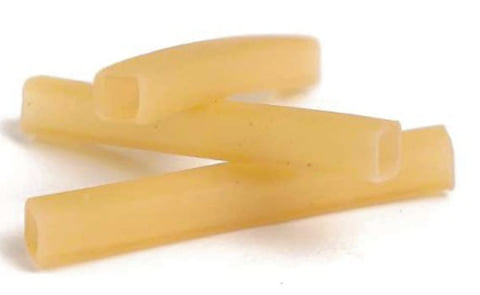
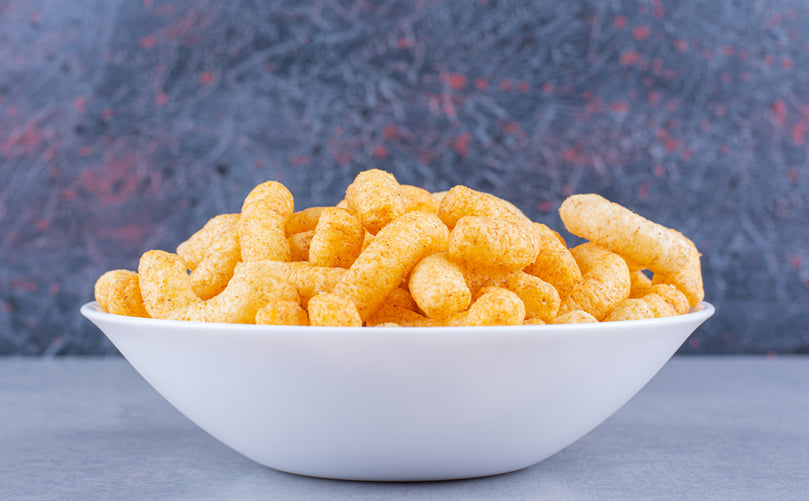
Potato pellets are semi-finished intermediates widely used in the production of expanded snack foods. These non-expanded, dough-like products are manufactured from dehydrated potato ingredients and serve as a versatile base that can be puffed into a wide range of shapes and textures through processes such as frying, baking or microwaving. Unlike fully finished snacks, potato pellets are intentionally designed for downstream customization, enabling manufacturers and brands to efficiently scale production while offering diverse product formats and flavor profiles.
What distinguishes potato pellets from cereal-based alternatives such as corn or wheat pellets is their potato-derived composition. This provides a naturally neutral flavor profile that readily absorbs seasonings without introducing competing tastes. In contrast, cereal pellets often exhibit a pronounced grainy undertone and may require additional flavor-masking agents. Potato pellets also deliver superior expansion ratios typically 3 to 5 times their original volume owing to the unique gelatinization behavior of potato starch. This results in a lighter, airier texture that consumers commonly associate with premium snack products.
The high expandability of potato pellets is attributed to the larger starch granule size and higher amylopectin content of potato starch, which enables efficient steam entrapment during thermal processing. Compared to the denser starch matrices found in cereal grains, potato starch promotes more uniform puffing and a crisp, melt in the mouth structure.
Within the global snack industry, potato pellets play a critical role, forming a major share of the snack pellet segment in the USD 100+ billion snack market. Their dominance is driven by exceptional versatility, cost efficiency and suitability for health-oriented innovations such as reduced fat and baked snack variants. Potato pellets support rapid product diversification from traditional chip-style snacks to complex novelty shapes while meeting growing consumer demand for convenient, on the go foods fueled by urbanization and changing lifestyles. Their widespread use in private-label manufacturing further underscores their value, where consistency, scalability and profitability are paramount.
Key advantages of potato pellets include a neutral flavor base compatible with global seasoning profiles, high expansion capacity for voluminous yet lower-calorie snacks and a crisp texture that outperforms denser cereal-based alternatives. Together, these attributes enhance sensory appeal while aligning with modern consumer preferences for indulgent yet guilt-conscious snacking, firmly positioning potato pellets as a cornerstone of contemporary snack portfolios.
Potato Pellets in the Global Snack Value Chain
Raw Materials Specific to Potato Pellets
The quality and performance of potato pellets are fundamentally determined by the careful selection and balance of dehydrated potato ingredients, which govern dough rheology, extrusion behavior and final expansion characteristics. The principal raw materials include potato flakes, potato granules and potato starch, each contributing specific functional roles to pellet structure and expansion efficiency.
Potato flakes, produced by steam-cooking and mashing fresh potatoes followed by drum-drying and milling, form the primary structural matrix of most potato pellet formulations. They provide a cohesive dough base with a characteristic potato flavor and soluble fiber content, supporting uniform hydration, binding and plasticity during mixing and extrusion. Flakes are also cost-effective, contributing to consistent yield and a smooth, clean mouthfeel after expansion.
Potato granules, manufactured through controlled par-cooking followed by air or belt-drying, retain a coarser particle structure compared to flakes. Their inclusion enhances textural integrity and mechanical strength during extrusion, reducing the risk of pellet breakage. Granules introduce micro-voids within the dough matrix, which facilitate uniform steam release during frying or baking, thereby improving expansion regularity and preventing overly dense or collapsed structures.
Potato starch, extracted from potato tubers through washing, grinding, separation, and centrifugation, functions as the key expansion-driving component. Rich in amylopectin (approximately 75–80%) with a complementary amylose fraction (20–25%), potato starch governs gelatinization, water binding, and vapor entrapment during thermal processing. Amylopectin enables rapid swelling and bubble formation, while amylose provides sufficient film strength to stabilize the expanded cell walls and prevent collapse.
The functional synergy among flakes, granules, and starch ensures optimal expansion performance. Flakes support bulk and sensory quality, granules enhance extrusion stability and crispness and starch delivers high volumetric expansion often achieving expansion ratios of 4:1 or greater, significantly exceeding those of cereal-based formulations.
Strict quality parameters are essential to maintain consistency and product safety. Dry matter content for flakes and granules should exceed 80% to reduce microbial risk and processing energy requirements, while potato starch should maintain ≥99% purity to avoid off-flavors and processing defects. The amylose to amylopectin ratio is critical: ratios below 1:3 (e.g., 20:80) favor high expansion, whereas elevated amylose levels result in firmer but less voluminous textures.
Particle size distribution directly affects flowability and homogeneity. Optimal ranges include 100–500 μm for flakes, 500–2000 μm for granules, and <50 μm for starch, ensuring uniform mixing and minimizing segregation or clumping. Chemical safety is equally important; contaminants such as heavy metals and acrylamide precursors must remain below 0.1 ppm, and pH should be maintained between 5.5 and 6.5 for ingredient stability and processing efficiency.
Raw material sourcing further influences performance. Potato varieties such as Russet or Superior, characterized by high dry matter and low reducing sugar content (<0.5%), are preferred to minimize non-enzymatic browning during drying and expansion. Together, these raw material specifications form the foundation for producing high-quality, consistent and high-expansion potato pellets suitable for premium snack applications.
From Raw Materials to Semi-Finished Pellets
Potato Pellet Formulations
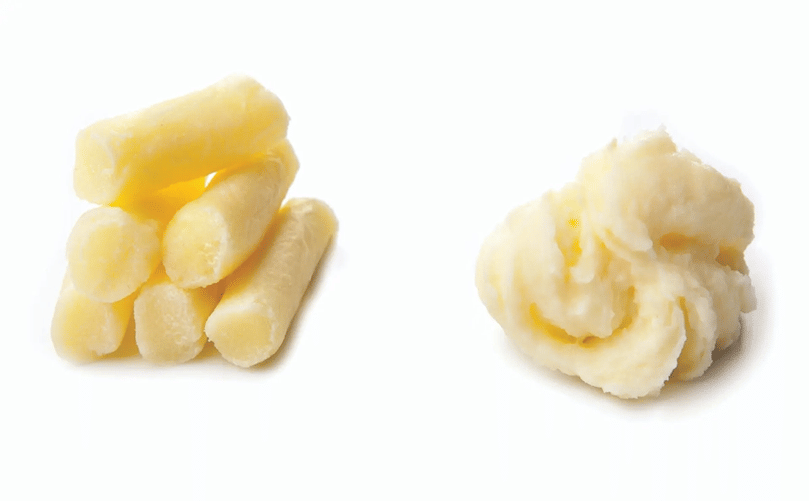
Formulating potato pellets requires precise balancing of base ingredients to optimize processability and final product quality. Typical formulations consist of potato flakes (40–70%), potato granules (10–30%) and potato starch (20–40%), with ratios adjusted according to the desired expansion, texture and mouthfeel. A common starting formulation is 60:20:20, where flakes provide bulk and binding, granules contribute structural integrity and starch drives expansion. Increasing starch levels up to 40% can enhance expansion by approximately 20–30%, although excessive starch may increase oil uptake during frying if not properly balanced.
Minor ingredients are incorporated to enhance functionality while maintaining clean-label positioning. Salt (0.5–2%) supports dough hydration and provides a base flavor profile. Emulsifiers, such as mono and diglycerides (0.2–0.5%), improve fat dispersion, reduce dough stickiness during extrusion and promote uniform cell structure. Antioxidants, including ascorbic acid (0.01–0.1%), help prevent oxidative degradation, particularly in high-starch formulations. These additives are typically used at minimal levels to align with natural and clean-label market trends.
Formulation composition has a direct impact on key performance metrics. Higher starch inclusion increases the expansion ratio (approximately 2.5:1 to 4.5:1) by promoting starch gelatinization and steam-driven puffing. However, excessive flake content can suppress expansion due to the presence of non-starch components that interfere with matrix formation.
Post-frying oil uptake can be reduced by 10–15% through the use of emulsifiers, which form partial hydrophobic barriers on the pellet surface. Balanced inclusion of granules improves texture uniformity by stabilizing porosity and reducing structural variability. Additionally, the 1–2% intrinsic fiber contribution from granules enhances texture stability and minimizes brittleness during storage, while excessive granule levels may result in denser pellets with reduced crispness.
Manufacturing Process of Potato Pellets
The manufacturing of potato pellets involves a carefully controlled sequence of unit operations designed around the high starch sensitivity of potato, with particular emphasis on low-shear processing to preserve starch granule integrity and ensure optimal expansion during frying or hot-air popping.
The process begins with mixing and hydration. Dehydrated potato ingredients are blended in a high-speed or planetary mixer with controlled water addition (25–35%, w/w). Hydration is conducted under mild thermal conditions (40–50 °C for 5–10 minutes) to ensure uniform water absorption without lump formation. This step is critical, as uneven hydration weakens dough structure and compromises extrusion stability. Due to the highly hydrophilic nature of potato starch, gradual water addition is essential to prevent excessive swelling, surface stickiness and premature gelatinization.
This is followed by dough formation and resting. The hydrated dough is allowed to rest for 15–30 minutes at 30–40 °C, enabling moisture equilibration and limited starch retrogradation, which improves dough cohesiveness and elasticity. Resting also stabilizes the starch–protein matrix, reducing mechanical stress during subsequent forming operations.
The rested dough is then subjected to low-shear extrusion, typically using twin-screw extruders operated at 200–400 rpm and barrel temperatures of 80–120 °C. These conditions promote partial starch gelatinization while avoiding excessive shear that could degrade amylopectin chains and reduce expansion potential. Unlike cereal-based snack extrusion, potato pellet processing prioritizes gentle thermal cooking rather than intense mechanical energy. For sheet-type pellets, lamination is an alternative process, where the dough is rolled into continuous sheets of 1–2 mm thickness before cutting.
Shaping and cutting are achieved using die cutters for 2D pellets (e.g., flat ovals or squares) or rotary formers for 3D shapes such as stars, curls and shells. Pellet thickness is typically maintained at 1.5–3.0 mm, balancing mechanical strength during handling with optimal expansion during frying or hot-air processing.
The final step is drying, where pellet moisture is reduced to 10–12% using multi-stage belt or tray dryers. Typical drying conditions include inlet air temperatures of 60–80 °C, outlet temperatures around 40 °C, and residence times of 20–40 minutes. Controlled drying is essential: moisture levels above 12% increase the risk of microbial spoilage and reduce shelf life, while over-drying below 8% can cause brittleness and poor expansion. Maintaining moisture within this range ensures 6–12 months of shelf stability and efficient steam generation during final expansion.
Functional Properties of Potato Pellets
Potato pellets exhibit a set of superior functional properties that make them highly suitable for expanded snack production, particularly in terms of expansion behavior, texture development and sensory performance.
Expansion capacity is one of the most defining characteristics of potato pellets. Puffing is primarily driven by starch gelatinization and rapid water vaporization during frying or hot-air expansion, resulting in radial expansion levels of about 300–500%. This high expansion is attributed to the large granule size of potato starch (30–100 µm), which promotes the formation of a highly open, cellular structure capable of retaining steam pressure. As a result, bulk density typically decreases from 0.40–0.60 g/cm³ in the dried pellet to 0.10–0.20 g/cm³ after expansion, producing light, voluminous snack products.
The oil absorption index of potato pellets is moderate, generally ranging from 10–20% (w/w) in fried products. This is lower than that observed in many cereal-based pellets, largely due to the smoother surface characteristics and reduced capillary penetration associated with potato starch matrices. Oil uptake can be further controlled through formulation adjustments, such as starch level optimization and the inclusion of emulsifiers.
In terms of textural attributes, expanded potato pellets exhibit high crispness and controlled brittleness. Instrumental measurements typically show a breaking force of 2–4 N and a fracture modulus exceeding 50 MPa, reflecting a crisp bite with rapid fracture. These properties arise from a uniform pore structure, with average pore diameters in the range of 200–500 µm, which ensures consistent stress distribution during mastication.
Rehydration and heat response during frying are rapid, with pellets absorbing 20–30% water within seconds, facilitating instant steam generation and uniform puffing. This behavior is governed by the swelling kinetics of amylopectin-rich potato starch, which allows rapid water uptake without structural collapse, thereby minimizing sogginess and ensuring clean expansion.
Expansion Technologies for Potato Pellets
Expansion technologies convert dried potato pellets into ready-to-eat snack products, with each method differing in energy input, fat uptake and final quality attributes such as texture, color and flavor development.
Deep oil frying remains the most widely used and traditional expansion method. Pellets are typically fried at 160–180 °C for 10–20 seconds, during which rapid moisture to steam conversion drives intense expansion, achieving expansion ratios of up to 5:1. This process produces a characteristic golden color (L values around 50–60*) and an ultra-crisp texture, with instrumental hardness values in the range of 3–5 N. However, deep frying results in relatively high fat content, commonly 25–35%, due to oil absorption during cooling.
Hot-air popping is increasingly adopted as a reduced-fat alternative. In this process, pellets are exposed to hot air at 200–250 °C for 1–2 minutes, resulting in moderate expansion ratios of around 3:1. Finished products typically contain 5–10% oil, significantly lower than fried snacks. The color is lighter, but the texture tends to be denser, with higher hardness values (4–6 N), reflecting slower heat transfer and less intense cellular expansion compared to frying.
Microwave expansion offers rapid, energy-efficient processing with minimal oil usage. Operating at 800–1200 W for 30–60 seconds, microwave expansion yields snacks with 5–15% oil content, good nutrient retention and minimal color change (ΔE < 5). Expansion occurs through volumetric heating and internal steam generation, leading to fast puffing and relatively uniform texture. However, non-uniform electromagnetic heating can cause localized blistering or uneven expansion if pellet size and moisture distribution are not well controlled. Despite this, microwave-expanded pellets can achieve brittleness comparable to fried products when properly optimized.
In comparison, deep oil frying delivers the highest expansion, crispness and flavor intensity but at the cost of elevated fat content. Hot-air popping and microwave expansion reduce oil uptake by approximately 50–70% while maintaining acceptable sensory quality. Among low-fat technologies, microwave expansion provides the best color retention and rapid processing, whereas hot-air popping offers simpler implementation with slightly denser texture profiles.
Nutritional and Health Aspects
Potato pellets provide a nutrient-dense base material for snack production, with a macronutrient profile predominantly composed of carbohydrates. On a dry basis, they typically contain 70–80% starch, contributing an energy value of approximately 350–380 kcal per 100 g before expansion. Protein content is relatively modest (2–4%), while intrinsic fat levels are negligible. After expansion, the calorie density per serving decreases due to air incorporation and volume increase, although the caloric content per unit weight remains dependent on the expansion method.
Glycemic response is an important nutritional consideration. Native potato starch exhibits a moderate glycemic index (GI) of about 50–60; however, thermal processing and starch gelatinization during pellet manufacture and expansion can raise the GI to 70–90. This effect can be partially mitigated through formulation strategies such as the inclusion of resistant starch, fiber enrichment or controlled processing conditions that promote starch retrogradation.
Fat content varies significantly with the chosen expansion technology. Deep-fat frying can contribute 20–30 g of fat per 100 g of finished product, whereas hot-air popping or microwave expansion can limit fat levels to below 5 g per 100 g, aligning well with reduced fat and health oriented snack trends.
Nutritional value can be further enhanced through fortification and functional ingredient incorporation. The addition of 5–10% dietary fiber (for example, from potato peels or other plant sources) improves satiety and supports digestive health. Protein fortification using isolates or concentrates (up to 10%) can enhance amino acid balance and overall nutritional quality. Micronutrient fortification, such as vitamin C added to provide approximately 20% of the daily value per serving, can help address common dietary deficiencies.
From a labeling and consumer perspective, potato pellets benefit from a clean-label profile, being naturally gluten-free and low in common allergens. In addition, potatoes are a natural source of potassium (approximately 400–600 mg per 100 g on a dry basis), which supports electrolyte balance and contributes to heart-health positioning when formulated and processed appropriately.
Sensory and Consumer Acceptance
The sensory profile of expanded potato pellets is defined by a delicate balance of attributes that drive strong consumer appeal, notably crispness, lightness and a mild earthy potato flavor that provides an ideal base for seasonings. Descriptive sensory analysis commonly identifies high crunchiness (typically rated 7–8 on a 9-point hedonic scale), low perceived greasiness (even in fried variants) and a clean aftertaste, with minimal bitterness or graininess compared with cereal-based snacks.
Third-generation potato snacks produced by extrusion followed by expansion demonstrate good sensory robustness across formulations. When fortified with organic acids, these products may show slightly increased sourness and hardness; however, overall acceptability scores generally remain above 6.5/9 across diverse consumer panels. Processing conditions strongly influence texture perception: frying temperature (160–180 °C) and immersion time (10–20 seconds) are particularly critical. Shorter frying times produce softer, more aerated structures with 15–20% higher crispness ratings, whereas prolonged frying increases perceived oiliness by 10–15%, negatively affecting mouthfeel.
Surface coatings and seasoning systems further enhance consumer acceptance. Research indicates that starch or bread-crumb based coatings (1–5%) applied to deep-fried pellets can reduce perceived fat content by up to 25%, resulting in improved hedonic ratings for flavor and mouthfeel, reaching 7.5–7.8/9, especially among health-conscious consumers. In acceptance trials involving colored potato snacks derived from red or purple-fleshed cultivars, visual appeal shows a strong positive relationship with purchase intent, with 70–80% of participants favoring vibrant colors for novelty. Nevertheless, texture consistency remains the strongest driver of liking, with correlation coefficients reported as high as r = 0.85.
Compared with corn-based snacks, potato pellet products demonstrate clear mouthfeel advantages. They typically score 20–30% higher in “melt-in-mouth” perception, attributed to their finer and more uniform pore structure (200–400 µm, compared with >500 µm in many corn snacks). This structural refinement reduces jaw fatigue and supports higher repeat consumption.
Pellet shape and thickness also play critical roles in sensory perception. Thinner pellets (1.0–1.5 mm) enhance crispness by approximately 18% and are preferred for dipping applications, while thicker three-dimensional forms (2.0–3.0 mm) convey a sense of premium quality, increasing perceived product value by 12–15% in blind consumer tests.
Consumer segmentation highlights distinct preference patterns. Younger consumers (18–34 years) tend to favor bold, innovative flavor profiles such as spicy or umami, with acceptance levels around 75%, whereas older consumers (55+ years) prefer traditional salted variants and tolerate up to 30% salt reduction without significant loss in acceptability. Regional preferences also differ: European consumers generally favor neutral, plain bases (80% preference), Asian consumers show higher satisfaction with textured or wavy shapes that enhance sauce adhesion (65% increase) and North American consumers respond positively to variety packs offering multiple shapes and textures.
Finally, shelf-life communication exerts a measurable psychological influence on sensory perception. Products labeled with extended shelf-life claims (for example, 12 months) often receive 10–15% higher freshness ratings, underscoring the role of cognitive cues alongside intrinsic sensory quality in overall consumer acceptance.
Quality Control and Defects in Potato Pellets
Quality control (QC) in potato pellet production is a comprehensive system combining real-time monitoring, post-process analysis and preventive controls to minimize defects that affect expansion performance, food safety and commercial acceptability. Due to the high starch sensitivity of potato-based systems, QC requirements are typically more stringent than those applied to cereal-based pellet production.
Key QC tools include near-infrared (NIR) spectroscopy for rapid assessment of moisture and starch content, with typical accuracy within ±0.5%. Computer vision systems are widely used to monitor shape, thickness and surface uniformity, detecting more than 95% of dimensional or morphological anomalies. Gas chromatography supports flavor quality control by identifying volatile off-flavors, generally maintained below 1 ppm. In parallel, statistical process control (SPC) charts track critical variables such as extrusion torque, with acceptable variation typically limited to ±5%, enabling early detection of process drift. From a food safety perspective, HACCP critical control points are commonly established at the mixing stage (microbial risk) and drying stage, where conditions must be controlled to limit acrylamide formation below 350 µg/kg.
Potato-specific challenges primarily stem from the sensitivity of potato starch to thermal and mechanical stress, necessitating tighter process tolerances. For example, die temperature fluctuations greater than 5 °C can increase defect incidence by approximately 20%, highlighting the importance of precise thermal control during extrusion.
Among the most common defects is poor expansion, often resulting from insufficient starch gelatinization (less than 70% cooked starch) or excessive pellet moisture (>12%). These conditions produce dense pellets with expansion ratios below 2:1. Corrective measures include pre-conditioning the dough at 50–60 °C for around 10 minutes or increasing screw speed by 10–20 rpm to enhance thermal input without excessive shear.
Blistering and uneven puffing typically arise from trapped air pockets formed during shaping, with reported prevalence of 5–10% in poorly optimized systems. These defects appear as irregular surface bubbles after frying or popping. Vacuum-assisted extrusion can reduce blistering incidence by up to 60%, while optimized die designs featuring smooth internal radii greater than 2 mm help minimize shear-induced void formation.
Excessive oil absorption, defined as oil uptake above 25%, is often linked to high pellet porosity (pore volume exceeding 40%) and insufficient emulsifier content. Formulation adjustments, such as incorporating 0.5% lecithin or applying light surface glazing, can reduce oil uptake by 15–20% without compromising expansion.
Color defects, particularly excessive darkening (post-frying L values below 45*), are typically caused by intensified Maillard reactions associated with high reducing sugar levels (>0.5%) or overly aggressive drying temperatures (above 80 °C). Mitigation strategies include blanching raw potatoes at 90 °C for 5 minutes to reduce sugar content and the controlled use of antioxidants (for example, 0.1% BHT), together achieving 30–40% reduction in color deviation.
Mechanical breakage during handling and packaging, often ranging from 8–15% product loss, is commonly linked to pellet brittleness caused by under-hydration or excessive drying. The use of anti-caking agents (around 0.2% silicon dioxide), combined with padded or low-drop conveyors, can reduce breakage losses to below 5%.
Additional extrusion-related defects include tails or protrusions, typically caused by dull cutting blades; these are effectively controlled by routine blade sharpening every 500 kg of production. Foreign particle contamination (greater than 0.1 mm) is mitigated through magnetic separators and metal detectors, while thermal degradation, manifested as yellowing or loss of expansion, can occur when shear-induced temperatures exceed 130 °C and is controlled through effective barrel cooling zones.
Finally, the incorporation of potato peel fractions, while advantageous for sustainability and fiber enrichment, can introduce fibrous texture defects if particle size is not properly controlled. Fine milling to particle sizes below 200 µm is essential to maintain texture uniformity and consistent expansion behavior.
Shelf Life, Storage and Packaging
The shelf life of potato pellets is primarily governed by their low equilibrium moisture content (10–12%), which ensures microbial stability but also makes them highly susceptible to moisture uptake (hygroscopicity) and oxidative deterioration if improperly handled. Under optimal storage and packaging conditions, unopened potato pellets typically retain their sensory and functional quality for 12–18 months, with potential extension to up to 24 months when packed under nitrogen flushing or oxygen-reduced atmospheres.
While dehydrated potato ingredients such as flakes and granules can remain stable for several years to decades under ideal conditions (for example, hermetically sealed metal cans or high-barrier Mylar systems), potato pellets generally exhibit a shorter shelf life due to their higher surface area and greater exposure to oxygen. As a result, pellets intended for expansion usually maintain optimal performance for 6–12 months unless advanced packaging technologies are applied.
The principal degradation pathways include moisture ingress and oxygen and light exposure. Relative humidity levels above 65% significantly increase the risk of mold growth and caking, while oxygen exposure accelerates lipid oxidation and flavor deterioration. Oxidative rancidity is commonly monitored through peroxide values, with levels exceeding 5 meq/kg indicating the onset of staleness. Light exposure further contributes to quality loss, with measurable color fading (up to 20% increase in total color difference) observed within three months under unprotected conditions.
Optimal storage conditions involve maintaining temperatures between 15 and 25 °C and relative humidity of 40–60% to preserve expansion potential and physical integrity. Relative humidity above 60% promotes pellet agglomeration, increasing hardness by up to 50%, while sustained temperatures above 30 °C accelerate starch retrogradation, reducing puffing efficiency by 15–20%. Adequate ventilation minimizes the accumulation of carbon dioxide from low-level microbial activity and storage in dark or UV-protected environments prevents photo-oxidative degradation.
For extended storage durations, vacuum sealing or the use of oxygen absorbers can improve shelf life by approximately 50%, approaching the two-year stability benchmarks observed in commercial dehydrated potato products. These interventions are particularly valuable for export-oriented supply chains or seasonal inventory management.
Packaging systems play a decisive role in shelf-life performance. High-barrier laminates such as metallized PET/PE structures, with oxygen transmission rates below 1 cc/m²/day, are commonly used for export markets and can deliver 18 months or more of stability, compared with 6–9 months for conventional polyethylene bags. Aluminum foil–based laminates offer superior light and oxygen barriers, reducing losses of oxidation-sensitive nutrients (such as ascorbic acid) by up to 40% over 120 days. The inclusion of desiccant sachets helps maintain internal relative humidity below 10%, further safeguarding pellet integrity. At the same time, the development of recyclable mono-material packaging addresses growing sustainability requirements without substantially compromising barrier performance.
Compared with fresh or minimally processed potato snacks, which typically have shelf lives of 1–4 weeks, the dehydrated nature of potato pellets reduces product losses by up to 80%, greatly simplifying storage, transportation and global distribution. Accelerated shelf-life testing (ASLT) conducted at 35 °C and 75% RH is widely used to predict real-time stability and consistently confirms 12-month acceptability under ambient conditions when appropriate packaging and storage controls are applied.
Market, Trade And Applications Of Potato Pellets
Potato pellets function as a core semi‑finished ingredient within the global snack industry, offering manufacturers flexibility, scalability and consistent quality across a wide range of products. Their inherent versatility enables rapid adaptation to changing consumer preferences while improving production efficiency and cost control.
Applications and Product Segmentation
In application terms, the largest share approximately 55–60% of total usage is associated with traditional potato‑based snacks, where pellets are fried or baked to produce uniform, crispy products with consistent thickness and reliable seasoning adhesion.
Extruded and shaped snacks account for roughly 25–30% of applications. This segment includes novelty formats such as curls, stars, rings and shells that strongly appeal to children and impulse‑driven consumers. These products typically rely on indirect expansion of shaped pellets to achieve complex geometries while maintaining structural integrity and stable texture.
The remaining 10–15% comprises flavored and specialty snacks. In these products, the neutral sensory profile of potato pellets acts as an efficient carrier for diverse seasonings, including barbecue, sour cream, cheese and region‑specific flavor blends. Indirect expansion techniques also support the production of micro‑pellets and hybrid formulations, such as multigrain or baked variants, aimed at health‑conscious consumer segments.
Emerging and Innovative Applications
Emerging applications include fortified and functional snacks, where pellets are enriched with vegetable powders or pulps (for example, onion or leek) to enhance nutritional value. Laminated pellet structures are increasingly used to improve crispness and expansion in low‑fat or air‑popped products.
These innovations contribute to reductions in processing contaminants, including lower acrylamide formation, while enabling faster product customization. From a commercial perspective, pellet‑based systems can reduce product development and scale‑up timelines by an estimated 40–50%, facilitating rapid launches of gluten‑free, high‑fiber, or reduced‑fat snack lines.
Market Dynamics and Regional Trends
From a market standpoint, potato pellets are embedded within the broader snack pellet and potato processing sectors, both of which are experiencing steady long‑term growth. Key drivers include urbanization, increased snacking frequency and rising demand for convenient, shelf‑stable foods. Growth is further supported by clean‑label innovation, improvements in processing efficiency and expanding distribution networks in emerging economies.
Demand growth is strongest in Asia–Pacific, where expanding middle‑income populations and localization of flavors are accelerating adoption. North America remains a mature but high‑value market, with emphasis on premium, baked and low‑oil snack formats. Europe maintains stable demand through its well‑established dehydrated and frozen potato industries, while regulatory pressure on acrylamide levels continues to encourage a shift toward air‑expanded and low‑fat pellet applications.
Competitive Landscape
The competitive landscape is characterized by a mix of large, vertically integrated processors and specialized pellet manufacturers. Multinational companies such as McCain Foods Limited, Aviko Rixona (Royal Cosun) and Lamb Weston Holdings, Inc. leverage extensive potato sourcing networks, advanced processing infrastructure and global distribution capabilities to serve both branded and private‑label markets.
In parallel, regional and specialty players including SnackCraft LLC (USA), Frylo Foods (India), Goodrich Cereals Pvt. Ltd. (India) and Snack Creations (USA) focus on customized formulations, contract manufacturing and health‑positioned products. Collectively, leading firms account for a substantial share of global supply and continue to invest in R&D targeting clean‑label, fortified and sustainability‑oriented pellet solutions.
International Trade and Supply Chains
International trade in potato pellets and related dehydrated potato products is predominantly export‑driven, reflecting the centralized nature of processing and the geographically dispersed structure of snack manufacturing. Europe plays a leading role in exports due to its advanced processing base and logistical proximity to major importing regions, while the United States remains a key supplier to North America and parts of Asia.
Eastern Europe has gained importance as both a production and export hub, benefiting from competitive raw material availability and expanding regional demand. Import growth is strongest in Asia–Pacific and parts of Latin America, where pellet‑based snacks offer cost‑effective and scalable alternatives to fresh potato processing.
Private‑label and contract manufacturing dominate trade flows, accounting for an estimated 65–70% of pellet utilization. Pellets enable 20–30% cost savings through standardized inputs, reduced waste and flexible product customization. Retailers and foodservice operators increasingly rely on pellet‑based supply chains to maintain consistent quality across diverse markets.
Regional Contribution to Global Value
Regionally, North America remains the largest revenue contributor, driven by high per‑capita snack consumption and advanced processing technologies. Europe follows closely, supported by export‑oriented players and premium product positioning. Asia–Pacific represents the fastest‑growing region, propelled by urbanization and rising demand for affordable, flavored snacks, while Latin America and the Middle East & Africa are emerging markets with expanding import activity and developing local snack industries.
Overall, potato pellets occupy a strategically important position in the global snack value chain. Their combination of processing efficiency, application versatility and market scalability continues to underpin their expanding role across both mature and emerging snack markets.
Sustainability and Future Innovations in Potato Pellet Production
Sustainability as a Core Industry Priority
Sustainability has become central to potato pellet production, encompassing environmental stewardship from cultivation through processing while aligning with global frameworks such as the UN Sustainable Development Goals (SDGs)—notably SDG 12 (Responsible Consumption and Production) and SDG 13 (Climate Action). Potato cultivation itself offers a comparatively low environmental footprint, requiring significantly less water and land per calorie than major cereals such as rice or wheat, making it a resilient and resource-efficient crop for sustainable snacking systems.
However, processing stages—particularly peeling, dehydration, and extrusion—can generate substantial by-products, with up to 20% of tuber weight lost as peels and wastewater. This challenge has accelerated the adoption of circular economy models. Potato peels, rich in dietary fiber and phenolic compounds, are increasingly valorized into animal feed, biogas substrates, or bio-based materials such as biodegradable packaging films. These approaches can reduce landfill waste by 15–20% while creating additional revenue streams through upcycling.
Industry-led sustainability initiatives further reinforce these efforts. For example, reports from European processing associations highlight that over 90% of potatoes used in Northwestern Europe are locally sourced, significantly lowering transport-related emissions. Integrated pest management (IPM) practices in these supply chains have reduced pesticide use by approximately 30–50%, while also supporting on-farm biodiversity.
Energy, Water and Resource Efficiency
Energy efficiency is transforming pellet manufacturing operations. Modern twin-screw extruders equipped with heat recovery systems can recycle 20–30% of thermal energy, reducing overall energy demand. In regions such as India, solar-assisted drying systems are increasingly adopted, cutting fossil fuel dependence by up to 40%.
Water stewardship is equally critical. Closed-loop water management systems in processing plants now allow 70–80% of wash water to be recycled. Upstream, precision irrigation techniques combining soil moisture sensors with drip irrigation have demonstrated water savings of around 25% without compromising yields.
Sustainable sourcing certifications, including GlobalG.A.P. and Rainforest Alliance, enhance traceability and accountability across the value chain. An increasing proportion of global potato processors now conduct regular carbon footprint audits, with average emissions ranging from approximately 0.5 to 1.0 kg CO₂e per kilogram of finished product. Wastewater streams are also being utilized for biogas generation, enabling on-site energy production while reducing methane emissions, as demonstrated in pilot facilities in the United States.
Future Innovations and Health-Forward Developments
Looking ahead, technological and biological innovations are set to reposition potato pellets as premium, health-oriented snack bases. Advances in crop improvement may enable potatoes with enhanced nutritional profiles, such as higher beta-carotene or resistant starch content, supporting gut health and micronutrient delivery. These traits, combined with advanced forming technologies such as 3D shaping, could enable personalized textures and formats tailored to diverse consumer preferences.
Processing innovations are also reshaping product quality and safety. Vacuum frying technologies can reduce oil uptake by up to 50% at lower operating temperatures, while infrared–microwave hybrid drying systems shorten drying cycles by around 40% and deliver energy savings of approximately 15%. These methods also contribute to lower acrylamide formation (by 10–15%) while maintaining desirable expansion and crispness. Air-puffing systems using superheated steam offer oil-free alternatives with comparable expansion ratios (approximately 3–4:1), supporting the rapidly growing reduced-fat snack segment.
Digitalization, Clean Labeling and Fortification Trends
Automation, robotics, and artificial intelligence are increasingly integrated into pellet production lines. Hyperspectral imaging systems can detect defects with up to 99% accuracy, reducing raw material waste by around 10%. Predictive analytics further optimize formulations, minimizing excessive starch usage by up to 20%.
Clean-label innovation is another major driver. Natural hydrocolloids derived from potato cell walls are replacing synthetic emulsifiers, aligning with strong consumer demand for additive-free snacks. Plant-based fortification strategies—including the incorporation of upcycled proteins such as algae (at 5–10% inclusion levels)—support vegan and high-protein claims without compromising sensory neutrality.
In emerging markets, biofortified and climate-resilient potato varieties, including iron-enriched lines, are being evaluated to address micronutrient deficiencies. Pilot programs have demonstrated yield improvements of up to 25% under stress-prone conditions, highlighting the role of potato pellets in both nutrition security and climate adaptation.
Collectively, these sustainability measures and future-facing innovations have the potential to reduce the potato pellet industry’s water footprint by approximately 30% and carbon emissions by around 25% by 2030. By integrating circular economy principles, advanced processing technologies, and health-driven product design, the sector is well positioned to build a resilient, low-impact supply chain capable of meeting evolving consumer and climate challenges.
Regulatory and Quality Standards for Potato Pellets
Potato pellets must comply with a range of national and international regulatory and quality standards to ensure safety, consistency, and market access. According to FSSAI (Food Safety and Standards Authority of India), potato pellets should maintain a moisture content below 12% to prevent microbial growth and preserve shelf life. Additionally, acrylamide levels must not exceed 350 μg/kg, aligning with consumer safety requirements.
On the international front, Codex Alimentarius guidelines provide limits on contaminants such as heavy metals, mycotoxins, and pesticide residues, ensuring that potato pellets meet global food safety norms. Compliance with ISO 22000 ensures that robust food safety management systems are in place, while HACCP (Hazard Analysis and Critical Control Points) frameworks systematically control potential hazards during processing, storage, and distribution.
For export purposes, potato pellet manufacturers must implement traceability systems, often enhanced by blockchain technology, to track the product from farm to fork. Certifications like GFSI (Global Food Safety Initiative), BRC, or IFS further facilitate entry into EU and US markets, which have stringent regulations on pesticide residues, allergens, and labeling. Adherence to these standards not only ensures consumer safety but also strengthens the credibility and competitiveness of potato pellet products in global trade.