
A consortium hoping to make plastics from Maine potatoes has received more than $650,000 to further develop the proposal.
The group, which is known as the Sustainable Bioplastics Consortium, plans to spend the next 18 months demonstrating the feasibility and marketability of using Maine spuds to produce an environmentally friendly type of plastic. The consortium is being led by InterfaceFABRIC of Guilford.
Researchers at the University of Maine in Orono will work on the technical aspects of creating a type of plastic resin — called polylactic acid, or PLA — from potato starch. The Margaret Chase Smith Policy Center at UMaine will continue studying the market opportunities for potato-derived plastics
Funding for Plastics from Potatoes
¿Te gustaría recibir noticias como esta por correo electrónico? ¡Únete y suscríbete!
Get the latest potato industry news straight to your WhatsApp. Join the PotatoPro WhatsApp Community!
Empresa Destacada
Related News
Agosto 03, 2026
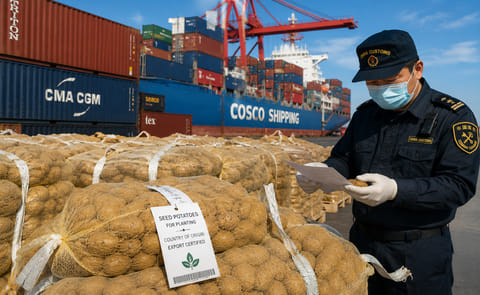
China Suspends Seed Potato Import from Zebra Chip Disease Affected Countries
China has introduced new phytosanitary measures to prevent the entry of Candidatus Liberibacter solanacearum (CLso), suspending seed potato import approvals from affected countries and tightening import requirements for planting materials.

Agosto 03, 2026
British Potato Confex 2026 Opens Registration for Major UK Potato Industry Gathering
British Potato Confex 2026 will take place on 18–19 November at Lincolnshire Showground, bringing together growers, suppliers, processors and industry experts for seminars, networking and exhibitions. Free visitor registration is now open.

Agosto 03, 2026
United States lawmakers introduce bill to reform agricultural labor system
United States lawmakers have introduced the 'Securing Agriculture's Workforce Act of 2026,' a bill backed by the National Potato Council to modernize the H-2A program, address labor shortages and improve workforce stability for agriculture.