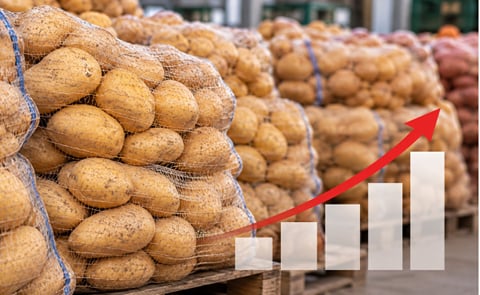
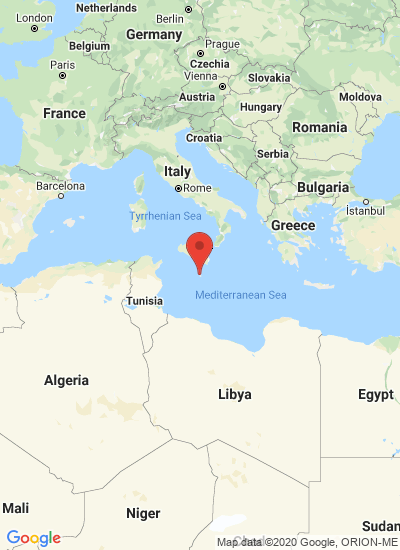
A reduction of 41% in land available for potato growing in Malta since European Union accession is being blamed on the EU’s higher standards of consumer protection, the rural affairs ministry has told MaltaToday.
Ministry official Karmenu Abela explained that the decrease in land can be attributed to Malta’s implementation of the Code of Good Agricultural Practice, which sets regulations on safety and consumer protection.
“Small amateur farmers who used to grow small amounts of potatoes on the side for the export market found that adhering to these new regulations, such as the grading system, was not worth the effort for them,” Abela said.
He explained that prior to EU membership there was a different approach which allowed lower quality potatoes to be sold and exported. “Before, potatoes which did not meet the required standards were allowed to pass. The grading which was done back then was superficial.”
Yet despite the decrease in export from 7,200 tonnes in the 2004/5 crop year, to 2,600 tonnes in the 2006/2007 crop year, the Maltese potato still enjoys a good reputation in export markets.
“Last year the Maltese potato fetched a record price in the Dutch market because the Dutch consumer still wants the early Maltese potatoes,” Abela said.
The export of early potatoes has continued to develop over the years to become one of Malta’s main agricultural export activity, involving over 800 small-scale farmers who grow their potato crop from certified seed potatoes, mainly imported from the Dutch seed potato company Agrico.
The spring-crop potatoes from Malta are very appreciated on the Dutch market, where Maltese potatoes achieve premium and distinct prices from the produce of other European countries.
Potato Cultivation in Malta down 41%
¿Te gustaría recibir noticias como esta por correo electrónico? ¡Únete y suscríbete!
Get the latest potato industry news straight to your WhatsApp. Join the PotatoPro WhatsApp Community!
Noticias relacionadas

Septiembre 28, 2026
México: menor oferta de papa podría impulsar los precios durante el invierno
En México, el cierre de cosechas, los menores rendimientos y la reducción de la superficie sembrada podrían restringir la oferta de papa y generar presión al alza sobre los precios entre diciembre de 2026 y febrero de 2027.

Septiembre 28, 2026
España: la sequía reduce la cosecha de patatas en 2026
La producción española de patata caerá entre un 8% y un 10% en 2026, hasta unos 1,8 millones de toneladas, con descensos de hasta 35% en Andalucía debido principalmente a la sequía y los menores rendimientos.

Septiembre 23, 2026
Chile: buscan mejorar el diagnóstico molecular de la sarna polvorienta y la sarna común en papa
En Chile, el proyecto SCAB-ID 2.0 busca validar un sistema de qPCR multiplex capaz de detectar y diferenciar simultáneamente la sarna polvorienta y la sarna común de la papa, con miras a transferirlo a laboratorios de diagnóstico agrícola.