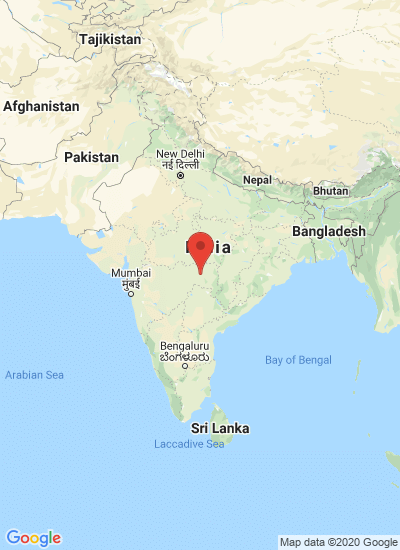
Just before the farming season, to begin immediately after Monsoon, potato farmers in West Bengal are now exposed to a critical scenario of seed potato. West Bengal contributes around 32% to India's total potato yield. "Officially, WB State Seed Corporation plays the role of seed trading in state.
But, lion's share of farmers is practically dependent on unorganized import of seed,"said Prof. A. Chowdhury DEAN, North Bengal Agriculture University.
"Replacing the previously preferred seed varieties from Punjab or HP, now varieties from Bhutan are in high demand mainly because of less logistic hassle in importing them,"he added.
Indo-Bhutan border is just within 100 km from Jalpaiguri and Cochbehar districts those contribute around 30% to West Bengal's 13.5 Million ton annual production. But, "Developing a critical situation, now supply of Bhutan seed has also become erratic. Too dependent on that, we will be in deep trouble unless quality seed does not reach here in adequate quantity before the sowing season opens in October. Now we cannot shift to Punjab or HP seeds overnight as our entire farming practice has become tuned to Bhutan seeds,"said Mr. D. Mondal, a potato farmer from Dhupguri.
West Bengal potato farmers facing seed potato supply challenges
¿Te gustaría recibir noticias como esta por correo electrónico? ¡Únete y suscríbete!
Get the latest potato industry news straight to your WhatsApp. Join the PotatoPro WhatsApp Community!
Noticias relacionadas

Octubre 20, 2026
Magallanes impulsa nuevas variedades de papa y tecnologias para mejorar la produccion en 2027
Un programa en Magallanes, Chile, impulsa nuevas variedades de papa, semillas de calidad y técnicas de riego eficiente para beneficiar a 436 productores, reducir el uso de pesticidas y fortalecer la producción y el procesamiento local en 2027.

Octubre 20, 2026
Colombia y Fedepapa acuerdan medidas para reducir costos y mejorar la rentabilidad del sector papero
El Gobierno de Colombia y Fedepapa acuerdan impulsar el riego eficiente, las semillas certificadas y la mecanización para reducir costos de producción, mejorar la comercialización y fortalecer la rentabilidad del sector papero.

Octubre 19, 2026
Francia reduce el tamano mínimo de las papas para procesamiento ante la menor cosecha de 2026
La industria francesa reduce de 50 a 45 milímetros el calibre mínimo de las papas para procesamiento. Siete cadenas de supermercados aceptan papas fritas más cortas ante una cosecha que podría caer cerca de 2 millones de toneladas en 2026.