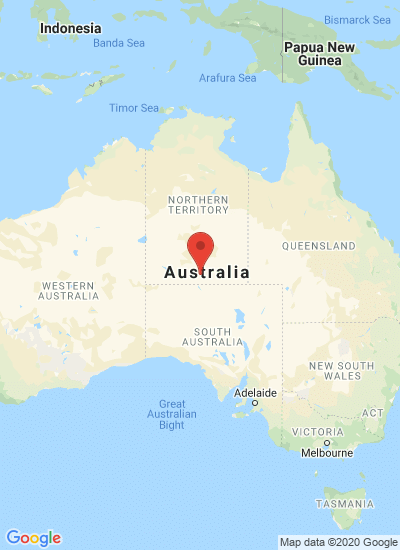

Niche varieties and customer service are the keys to making a profit.
That's according to Mornington Peninsula vegetable grower Richard Hawkes.
Richard recently left his part-time job as technical manager for Apple and Pear Australia Ltd to devote himself to the family farm, which he operates with his sister, Andrea, and their father, Barry.
After a nine-year hiatus from growing carrots - the last crop in 1998 was abandoned after a run of bad seasons - the Hawkes family started growing potatoes on their 56ha property at Boneo.
"We slowly built a small market of offbeat types of potatoes: king edward, kipfler, toolangi delight.
"Anything that's hard to grow, we try and have a go at - those that other people don't consider commercial varieties."
Niche potato varieties profitable for Australian farmer
Like to receive news like this by email? Join and Subscribe!
Get the latest potato industry news straight to your WhatsApp. Join the PotatoPro WhatsApp Community!
Related News

October 11, 2026
Agrico Shares Key Lessons for Building Strong, Sustainable Potato Sectors
Agrico's Michel de Bruin says strong potato sectors need more than quality seed, highlighting the importance of farmer knowledge, functioning markets, enabling regulations and flexible approaches tailored to local conditions.
October 11, 2026
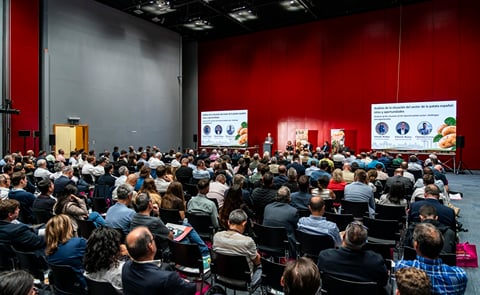
International Potato Symposium in Madrid Highlights Key Challenges and Opportunities for Europe’s Potato Sector
The 1st International Potato Symposium in Madrid brought together 250 professionals to discuss key challenges and opportunities in production, trade, plant health, innovation and sustainability, promoting stronger European cooperation.

October 10, 2026
India and Netherlands Strengthen Cooperation Through Seed Partnership
India and the Netherlands are strengthening cooperation in the seed sector through the India–Netherlands Seed Partnership. A recent mission included ministerial talks and a seed-sector business roundtable focused on future collaboration.