
Washington potatoes are not only good for you, their production is highly sustainable. That’s what the Washington State Potato Commission is learning from a partnership with the Keystone Center of Colorado.
Potato Commission Executive Administrator Chris Voigt says that partnership has been developing metrics to measure how sustainable the potato industry is and what the trends have been over the past ten to twenty years in preserving natural resources.
Voigt: “We now are just starting to get some of the preliminary data back and it actually looks really good. It shows that Washington, mostly because I think of our ideal climate, our perfect soil and growing conditions, we are one of the most sustainable potato growing regions in the world.”
Washington potato production among the most sustainable on the planet
Like to receive news like this by email? Join and Subscribe!
Get the latest potato industry news straight to your WhatsApp. Join the PotatoPro WhatsApp Community!
Uitgelichte Bedrijven

Gerelateerd nieuws
september 07, 2026
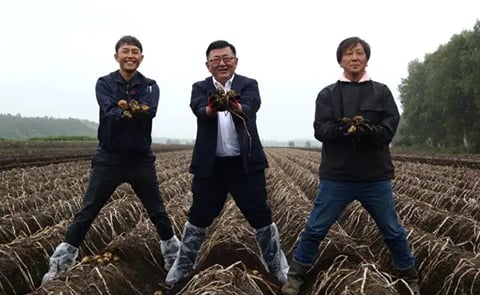
Calbee Potato Harvest Ceremony 2026 Highlights Stronger Hokkaido Potato Quality and Yield
Calbee Potato expects Hokkaido’s 2026 processing potato crop to reach 240,000–250,000 tons, with better quality and yields than 2025. Favorable temperatures and rainfall have boosted growth, although heavy rain remains a major harvest risk now.

september 07, 2026
Aardappeldemodag 2026 Draws Over 4,500 Visitors as Dutch Potato Sector Faces Year of Extremes
Aardappeldemodag 2026 brought over 4,500 visitors to Westmaas amid a challenging year for the Dutch potato sector. The event focused on market pressures, extreme growing conditions, knowledge sharing, machinery and innovation.

september 07, 2026
EUROPLANT en Finpom onderstrepen het voordeel van Finse pootaardappelteelt bij toenemende viruisdruk in Europa
Finpom wijst op de voordelen van Noord-Finland voor de productie van hoogwaardige pootaardappelen terwijl klimaatverandering de virusrisico's in Europa doet toenemen, en breidt zijn EUROPLANT-assortiment verder uit met LARISSA, JUVENTA, Filipa, FAVOLA en INA.