
Planta de papa saludable creciendo en el campo bajo prácticas de cultivo sostenibles
Nuevos ensayos de campo marcan el siguiente paso para las papas genéticamente modificadas en Europa

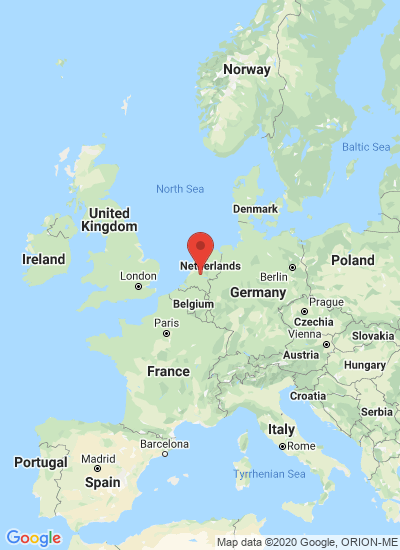
La Universidad de Wageningen y Centro de Investigación (WUR), en colaboración con el Ministerio de Agricultura, Pesca, Seguridad Alimentaria y Naturaleza (LVVN), lanzará nuevos ensayos de campo con papas genéticamente modificadas en 2026, con el objetivo de mejorar la resistencia a enfermedades y reducir el uso de pesticidas.
Según un reciente comunicado, los ensayos se centrarán en líneas de papa desarrolladas mediante la adición o desactivación de múltiples genes para generar resistencia frente a amenazas clave, incluyendo *Phytophthora infestans*, causante del tizón tardío.
Reducción de la dependencia de pesticidas
El tizón tardío sigue siendo una de las enfermedades más destructivas en la producción de papa, lo que a menudo requiere un uso intensivo de pesticidas para su control. Los investigadores esperan que estas nuevas variedades resistentes puedan reducir significativamente esa dependencia.
Los ensayos evaluarán qué tan efectiva es la resistencia en condiciones de campo y cómo podrían cambiar las estrategias de protección de cultivos como resultado.
Avances basados en investigaciones previas
Este trabajo se basa en los resultados del proyecto DuRPh (Resistencia Duradera contra Phytophthora), finalizado hace más de una década. Esa investigación demostró que las papas con múltiples genes de resistencia eran mucho más eficaces frente al tizón tardío que aquellas con uno solo - o ninguno.
Sin embargo, estas variedades nunca se comercializaron. Debido a que los genes de resistencia fueron introducidos mediante transformación genética, quedaron sujetas a la estricta regulación europea sobre organismos genéticamente modificados (OGM), lo que implicó un proceso de aprobación largo, costoso e incierto, además de dudas sobre su aceptación en el mercado.
Mejoramiento más rápido mediante nuevas técnicas genómicas
Los avances en edición genética - conocidos como Nuevas Técnicas Genómicas (NGT)- están cambiando el panorama. Estas herramientas permiten realizar modificaciones precisas en el ADN que también podrían ocurrir mediante el mejoramiento convencional, pero en mucho menos tiempo.
Aunque el mejoramiento tradicional puede incorporar características similares de resistencia, el proceso es lento. Las NGT ofrecen una vía más rápida para desarrollar variedades con resistencia combinada a múltiples enfermedades y plagas.
Política y debate público
Actualmente, la Unión Europea está considerando una legislación que podría eximir a ciertas plantas desarrolladas con NGT de las regulaciones vigentes sobre OGM. Se espera que estos ensayos proporcionen información real sobre el desempeño de estas tecnologías, contribuyendo tanto a las decisiones políticas como al debate público en torno a la sostenibilidad.
Like to receive news like this by email? Join and Subscribe!
Get the latest potato industry news straight to your WhatsApp. Join the PotatoPro WhatsApp Community!
Uitgelichte Bedrijven

Gerelateerd nieuws
september 07, 2026
Calbee Potato Harvest Ceremony 2026 Highlights Stronger Hokkaido Potato Quality and Yield
Calbee Potato expects Hokkaido’s 2026 processing potato crop to reach 240,000–250,000 tons, with better quality and yields than 2025. Favorable temperatures and rainfall have boosted growth, although heavy rain remains a major harvest risk now.

september 07, 2026
Aardappeldemodag 2026 Draws Over 4,500 Visitors as Dutch Potato Sector Faces Year of Extremes
Aardappeldemodag 2026 brought over 4,500 visitors to Westmaas amid a challenging year for the Dutch potato sector. The event focused on market pressures, extreme growing conditions, knowledge sharing, machinery and innovation.

september 07, 2026
EUROPLANT en Finpom onderstrepen het voordeel van Finse pootaardappelteelt bij toenemende viruisdruk in Europa
Finpom wijst op de voordelen van Noord-Finland voor de productie van hoogwaardige pootaardappelen terwijl klimaatverandering de virusrisico's in Europa doet toenemen, en breidt zijn EUROPLANT-assortiment verder uit met LARISSA, JUVENTA, Filipa, FAVOLA en INA.