
Minnesota
Minnesota is an important potato producing state in the northern United States, with production concentrated particularly in the northwest Red River Valley and in north-central areas. The Red River Valley, shared with North Dakota is characterized by fertile soils formed from the former Lake Agassiz and has long been one of the country's major potato-growing regions. Minnesota's potato industry includes fresh market, seed and processing potatoes, supplying raw material for chips, fries and dehydrated products.
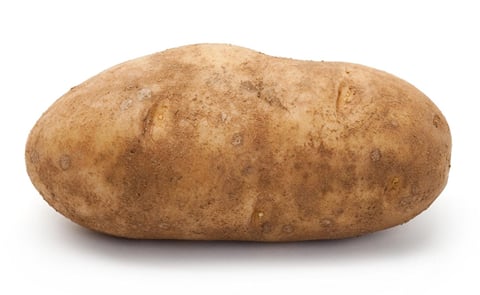
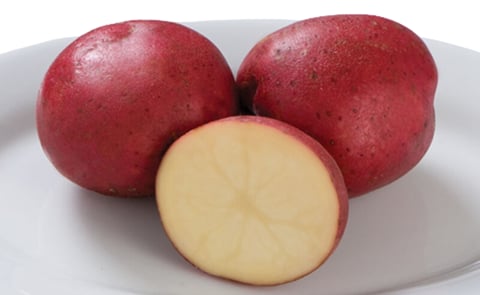
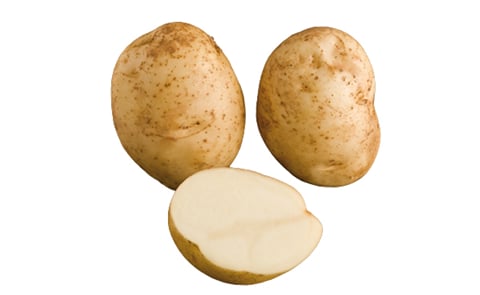
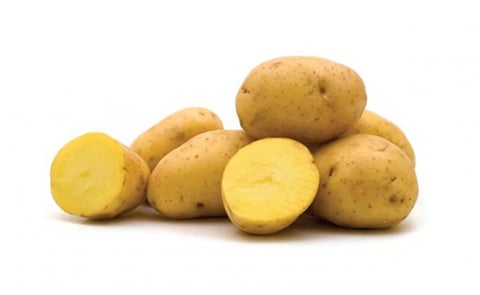
The state's cool climate, long summer days and fertile, well-drained soils provide favorable conditions for potato production. The Red River Valley is especially suited to large-scale production because of its level terrain and productive soils. Minnesota also has a diverse potato industry, growing red, russet, white and specialty types for different markets. Certified seed production is another important component, with numerous varieties maintained under the state's seed certification program.
Potatoes are closely linked with Minnesota's agricultural research and processing industries. The University of Minnesota has conducted potato improvement work for more than a century, focusing on yield, disease resistance, quality and adaptation to challenging environments. The state's potato sector also benefits from processing infrastructure and a strong grower base, particularly in northwestern Minnesota. Current certified seed production includes widely grown types such as Russet Burbank, Umatilla Russet, Norland, Red Pontiac, Kennebec and Yukon Gold.
Potatoes were grown by early Minnesota farmers both for household consumption and as a cash crop. By the late 19th century, commercial production had developed around the Twin Cities, particularly in Anoka, Isanti and Chisago counties, where sandy topsoil and adequate moisture favored tuber production. A second major potato growing region emerged in the Red River Valley between about 1900 and 1920 as wheat farmers diversified their operations. By 1920, Minnesota farmers harvested about 319,000 acres of potatoes, compared with approximately 36,000 acres in 1875.
Potato production subsequently became increasingly concentrated in the Red River Valley and north-central Minnesota, supported by improved handling, storage, processing and research. The University of Minnesota began potato breeding work in the early 20th century; Samuel Green started breeding potatoes in 1901 and used South American potato types in efforts to improve disease resistance. Processing also expanded, with early starch factories followed by potato washing, chip and frozen processing facilities. This combination of breeding research, specialized production regions and processing infrastructure helped establish Minnesota as a significant part of the U.S. potato industry.