Prince Edward Island
Prince Edward Island (PEI) is one of Canada’s most important potatoes growing regions and has a long-established reputation for high-quality potatoes. Potato production is supported by the island’s red, iron rich soils, relatively cool climate, adequate rainfall and long summer growing season. Potatoes are grown across much of the province and represent the dominant field crop by acreage. In 2024, PEI had approximately 85,300 acres devoted to potato production and harvested about 25.93 million hundredweight of potatoes.
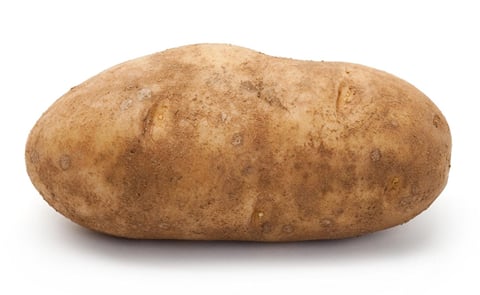
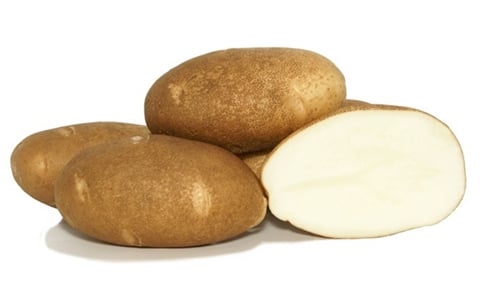
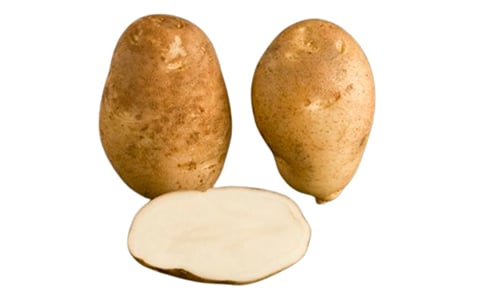
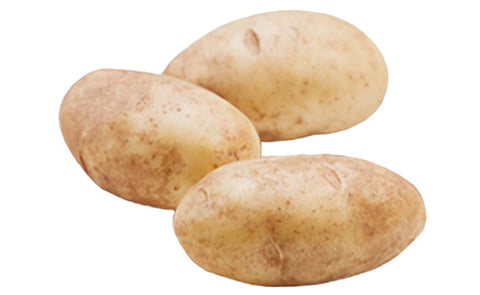
The PEI potato sector serves several markets, including fresh or table potatoes, processing potatoes and seed potatoes. Processing is particularly important, with potatoes used for products such as French fries, potato chips and dehydrated products. The province also has an established seed potato industry supported by strict production and plant health standards. PEI growers cultivate a wide range of varieties, including russets, whites, reds, yellows and specialty potatoes. Russet Burbank is the most popular russet variety, while Goldrush, Ranger Russet, Russet Norkotah, Superior, Kennebec, Shepody, Red Norland and Yukon Gold are also important varieties.
PEI potatoes are strongly connected to both domestic and international markets. The majority of the province’s potatoes and potato products are shipped outside PEI, supplying other Canadian provinces and overseas markets. In 2024, fresh and processed potatoes generated approximately 935.95 million in international exports. Although Alberta and Manitoba currently produce more potatoes by volume, PEI remains one of Canada’s leading potato producing provinces and accounted for about 17.3% of national production in 2025.
Potatoes have been part of Prince Edward Island agriculture for more than two and a half centuries. The crop was introduced to the island in 1758, following the British takeover from the French and it quickly proved well suited to local growing conditions. By 1771, Governor Walter Patterson described the potato harvest as highly successful and by 1790 small quantities were already being exported to other colonies. Potato cultivation expanded further in the early 19th century, including among Scottish Highland settlers brought to the island by Lord Selkirk. The first recorded PEI potato export shipment was made from Charlottetown to Bermuda in 1827, while exports expanded substantially during the following decades.
The industry experienced both expansion and setbacks during the 19th and early 20th centuries. Potato exports increased considerably before the crop was affected by the same late-blight crisis that contributed to the Irish Potato Famine in the 1840s. Production later recovered and the foundations of the modern PEI potato industry were established during the 1920s, when varieties such as Irish Cobbler and Green Mountain were introduced alongside developing potato processing technologies. The seed potato industry subsequently became an important part of the sector, while mechanization from the 1950s onward enabled larger-scale production and reduced the number of individual growers. Today, potatoes remain a central part of PEI agriculture and an important component of the province’s rural economy and export trade.