

Colorado
Colorado is one of the major potato producing states in the United States, with production strongly concentrated in the San Luis Valley (SLV) of south-central Colorado. Around 90% of the state’s potato production takes place in this high elevation agricultural region. The valley sits at approximately 7,600 feet above sea level and is surrounded by mountain ranges, creating a distinctive environment for commercial potato production. Colorado also has potato growing areas outside the San Luis Valley, but the SLV remains the center of the state’s potato industry.
The San Luis Valley’s climate is particularly suited to potatoes, with warm, sunny summer days, cool nights, relatively dry conditions and well-drained soils. Irrigation is essential because the region is arid, while the high elevation and mountain environment contribute to a growing season with substantial day-night temperature differences. Potato production is primarily oriented toward the fresh market, although potatoes are also grown for seed and processing. Harvest generally begins in September and a large share of the crop is placed in storage before being marketed throughout the year.
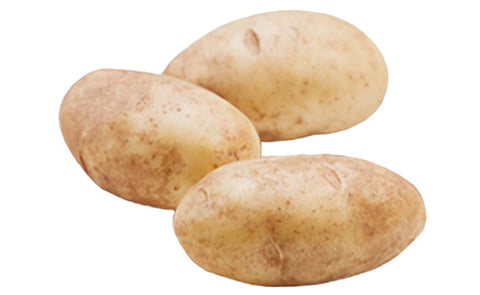
Russet potatoes dominate Colorado production. In the 2023 San Luis Valley variety survey, russets accounted for 89.3% of reported potato acreage, while yellow-flesh varieties represented 8.1%. Russet Norkotah was the leading variety, planted on 54.7% of total reported acreage, followed by Reveille Russet, Centennial Russet, Canela Russet and Teton Russet among important commercial types. Colorado also produces red, yellow, white, fingerling and specialty potatoes, including varieties such as Purple Majesty and Mountain Rose.
Potato cultivation in Colorado dates to the late 19th century. Farmers began growing potatoes commercially in the San Luis Valley around 1875, while potatoes were also being grown in northern Colorado during the same period. By the 1880s, farmers in the Del Norte and Saguache areas were producing potatoes that were transported by wagon to mining communities such as Leadville. The crop gradually developed from a local food crop into an important commercial agricultural commodity.
Research and variety development subsequently became an important part of Colorado's potato industry. The San Luis Valley Research Center was established in 1888, with potato research becoming increasingly important at the station during the following decades. The present research farm was established through cooperation between the San Luis Valley Potato Improvement Association and the Colorado potato industry and was later transferred to Colorado State University. Today, Colorado State University continues breeding, variety evaluation, disease research, crop management research and seed certification for the state's potato growers.


Make This Page Even Better!
This content was last updated on September 13, 2026
Have a helpful detail to contribute? Catch something that should be corrected?