Florida
Florida is an important potato producing state in the southeastern United States, particularly for winter and early spring potato production. Commercial production is concentrated in several areas, with the Hastings and Tri-County Agricultural Area in northeastern Florida being the best-known production region. Florida’s relatively mild winter climate allows growers to produce potatoes when colder northern states are outside their normal production season, giving Florida an important role in supplying fresh potatoes to U.S. markets during the winter and spring. UF/IFAS describes Florida as a high-value potato producing state, with production historically ranking among the leading states nationally.
Florida potatoes are produced under distinctive environmental conditions. Planting dates vary by region, with potatoes generally planted from October to February, depending on whether production is in south, central or north Florida and harvested during the cooler months and late spring. The sandy soils common in major production areas, including the Hastings region, are well suited to potato production but require careful management of irrigation and nutrients. Commercial production includes both fresh market and processing potatoes, particularly chipping potatoes. UF/IFAS variety trials evaluate cultivars for yield, tuber quality, maturity, disease performance, heat tolerance and suitability for different market segments.
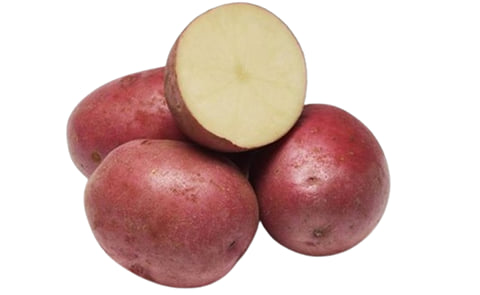
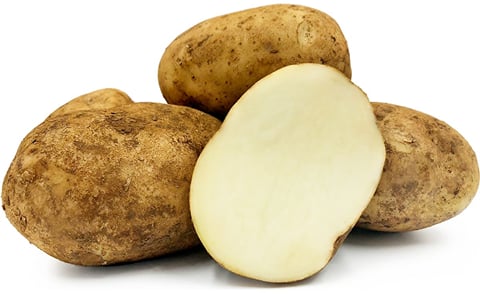
Florida’s potato industry is also closely associated with Hastings, where varieties such as LaChipper, Atlantic and Red LaSoda have been important commercial standards for different markets. Atlantic has historically been an important chipping variety, while Red LaSoda is a recognized red-skinned fresh-market type. Florida’s warm growing conditions can create quality challenges, including internal heat necrosis in susceptible chipping varieties, making varietal selection particularly important. In response, UF/IFAS and USDA breeding programs have evaluated and developed improved selections for Florida conditions, including materials with better tolerance to heat-related tuber disorders.
The development of Florida’s commercial potato industry is strongly connected with Hastings in northeastern Florida. Historical accounts from UF/IFAS indicate that Thomas H. Hastings established a farm known as Prairie Garden in 1890, where vegetables were grown for nearby hotels. The extension of the Florida East Coast Railway to the area, known as Hastings Station, provided an important transportation route for shipping potatoes northward and helped stimulate commercial potato production. By 1901, the area had become known as the “Potato Capital of Florida,” reflecting the rapid development of its potato industry.
During the twentieth century, Hastings developed into a major center for Florida potato research and commercial production. University and government research programs investigated fertilizer management, irrigation, variety performance and tuber quality, while growers adopted cultivars suited to Florida’s short winter-to-spring production window. Chipping potatoes became particularly important, with ‘Sebago’ historically favored in Hastings for its chipping quality, followed by varieties such as Atlantic. More recently, UF/IFAS has expanded variety evaluation and established a dedicated potato breeding program at Hastings to develop cultivars better adapted to Florida’s heat, humidity, pests and diseases.