Haryana
Haryana is an important potato growing state in the North Indian plains, where the crop fits well into irrigated, intensive vegetable-based production systems. The state has extensive irrigation infrastructure and a predominantly agricultural economy, creating favorable conditions for winter potato cultivation. Potato is generally grown during the rabi season, benefiting from the cool temperatures required for tuber initiation and bulking. Haryana’s location within the Indo-Gangetic plains also places it close to major consumption centers and established agricultural markets in northern India.
Potato cultivation in Haryana is associated with the state’s highly productive agricultural districts and its broader rice-wheat production landscape. Farmers can integrate potato into intensive rotations where irrigation, mechanization and access to improved planting material support commercial production. The state’s relatively warm conditions toward the end of the growing season make maturity timing and variety selection important, particularly for maintaining tuber quality before temperatures rise. ICAR-CPRI has developed varieties specifically suited to the northern plains, including heat tolerant material for warmer production environments.
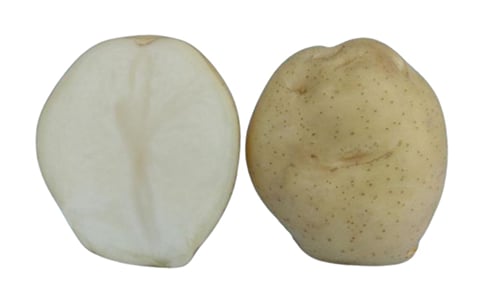
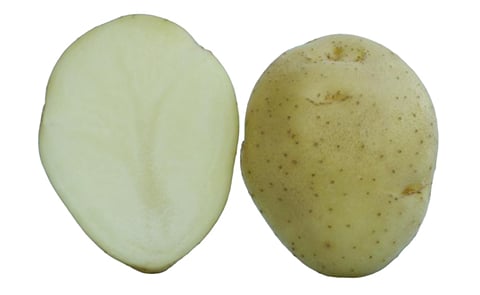
Haryana also has relevance for both table potato and processing potato production. Modern varieties are increasingly differentiated according to end use, including fresh consumption, chips and French fries. Kufri Tejas, for example, is a medium maturing, heat tolerant variety with reported yields of 37–40 t/ha and is specifically listed as suitable for Haryana and other Indian plains. New processing varieties such as Kufri Chipbharat-1 and Kufri Chipbharat-2 offer high dry matter and low reducing sugars, characteristics important for chip processing.
The development of potato cultivation in Haryana forms part of the wider expansion of potato production across India's northern plains during the twentieth century. Potato research in India formally began in 1935, followed by the establishment of the Central Potato Research Institute in 1949. Subsequent breeding and agronomic research helped adapt potato from a primarily temperate crop into a major crop of the subtropical plains. Improved varieties and production technologies gradually supported the expansion of potato cultivation in regions including Haryana, Punjab, Uttar Pradesh and Bihar.
Research on potato production specifically recognized the importance of intensive rice-potato-wheat cropping systems in Haryana and neighboring northern states. Variety development subsequently focused on traits needed by the plains, including higher yield, disease resistance, heat tolerance, dry matter and processing quality. Varieties such as Kufri Surya, developed for northern plains and warmer areas, demonstrated the emphasis on heat tolerance and early planting, while later varieties have increasingly addressed processing and storage requirements. This continuing research has helped Haryana remain part of India's important northern potato production belt.