
Indiana
Indiana has a long-established potato growing tradition, although potatoes are a much smaller crop in the state today than corn and soybeans. The crop is grown across different parts of Indiana, with production benefiting from the state's fertile agricultural soils, relatively long growing season and access to major Midwestern markets. Potatoes are generally planted in spring so that tuber development occurs during the cooler part of the growing season. Purdue Extension recommends planting seed potatoes when soil at planting depth reaches about 45°F (7°C), while avoiding wet soil.
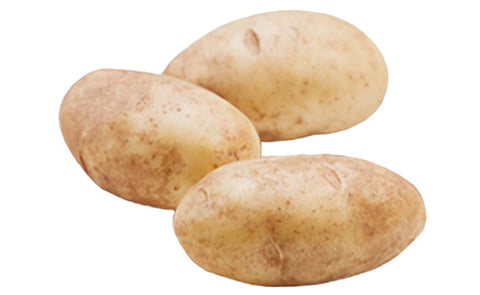
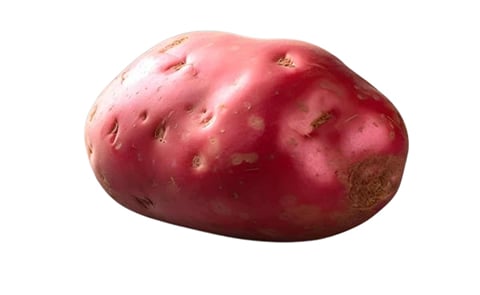
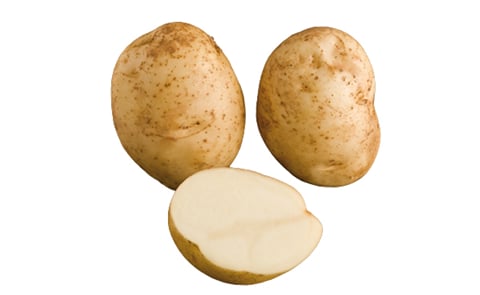
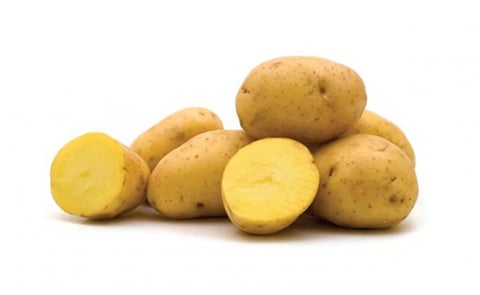
Indiana's potato production includes fresh-market potatoes as well as potatoes grown for different culinary and processing uses. The state's production environment can support red, white, yellow and russet types, while cultivar choice depends on market requirements, maturity, soil conditions and disease considerations. Purdue Extension notes that potatoes grown in Indiana are available in several skin and flesh colors and that early, mid-season and late-season cultivars can be selected according to the intended harvest period.
Potato production in Indiana has declined substantially from its historical scale, reflecting the state's increasing specialization in large-acreage corn and soybean production. Nevertheless, potatoes remain part of Indiana's diversified vegetable and specialty-crop sector. Historical USDA statistics show that Indiana once had considerably more potato acreage and farms producing the crop, while modern agricultural statistics continue to track potatoes among the state's specialty crops. The state's location within the central United States also gives growers access to large population centers and food markets throughout the Midwest.
Potatoes were already an established crop in Indiana by the nineteenth century. Purdue's historical account of Indiana agriculture records Irish potatoes among the crops grown by Hoosier farmers in the 1890s, alongside corn, wheat, oats, barley, rye, buckwheat, tobacco and other crops. In 1895, Indiana farmers harvested about 91,500 acres of Irish potatoes, producing approximately 5.84 million bushels, with an average yield of about 64 bushels per acre. This demonstrates that potatoes were once a significant component of Indiana's diversified agricultural economy.
Potato production remained important enough to be documented extensively in twentieth-century agricultural censuses. USDA data for 1949 and 1954 recorded thousands of Indiana farms producing potatoes and documented changes in acreage, production and yield during that period. Over the following decades, potato acreage declined as Indiana agriculture became increasingly concentrated in corn, soybeans and other major field crops. Purdue's review of 100 years of Indiana agriculture notes that by 1995, potato acreage had become too small to be separately reported among the state's principal crops, illustrating the long-term shift away from potatoes as a major field crop.