
Japan
Japan has a well-established potato industry, with production concentrated heavily in Hokkaido, the country’s principal potato growing region. Hokkaido accounts for about 80% of Japan’s potato harvest, supported by its cool climate, relatively low humidity, long summer days and fertile, well-drained soils. These conditions are particularly suitable for potato, a cool-season crop that is sensitive to high temperatures. Potatoes are also cultivated in other parts of Japan, with production systems varying according to regional climate; southern areas can produce winter crops, while Hokkaido primarily produces potatoes during the summer.
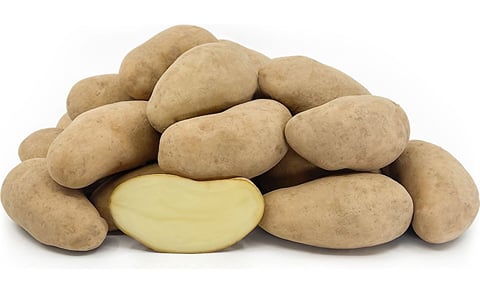
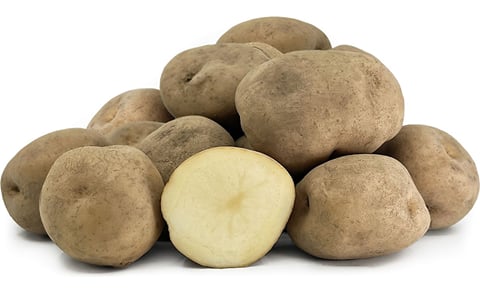
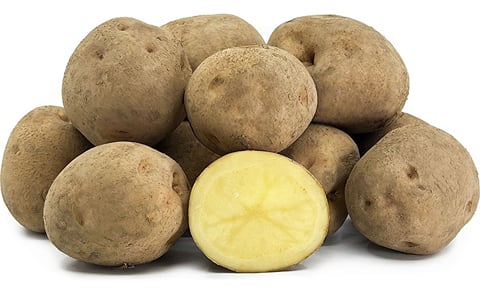
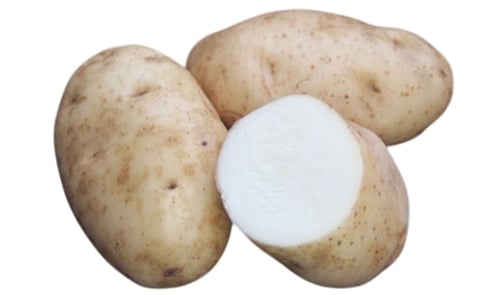
Japanese potato production serves several markets, including fresh consumption, potato chips, French fries, starch production and specialty foods. Hokkaido grows around 50 varieties for different uses. Traditional table varieties such as Danshaku-imo (Irish Cobbler) and May Queen remain widely recognized, while Toyoshiro is an important processing variety for potato chips and Konafubuki is widely used for starch production. Varieties such as Dejima and Nishiyutaka are particularly suited to warmer regions, while newer cultivars have been developed with resistance to pests such as the golden potato cyst nematode.
Japan has also developed a sophisticated potato seed system and breeding programme. Foundation and certified seed production are carefully managed because vegetatively propagated seed tubers can carry diseases and pests. Japanese breeding has focused on yield, eating quality, processing characteristics, disease and pest resistance and adaptation to different cropping environments. Potato cultivation occurs across a wide climatic range, allowing Japan to produce potatoes at different times of the year, although Hokkaido remains the dominant production centre.
Potatoes were introduced to Japan in approximately 1600, arriving in Nagasaki from Europe through Indonesia, reportedly via Dutch traders. The crop gradually spread northward and was being cultivated in Hokkaido before the middle of the eighteenth century. During the late nineteenth century, Japan introduced numerous potato varieties from Europe and the United States. Potato became particularly important in Hokkaido after the Meiji Restoration, when large-scale agricultural development began and the government encouraged crops that could perform under the region's cool conditions.
Japan's organized potato breeding programme began in 1902 in Hokkaido, initially relying heavily on the introduction and selection of foreign cultivars. This period produced varieties such as Irish Cobbler, known in Japan as Danshaku-imo, and May Queen, which remain important table potatoes. Crossbreeding began in 1918, leading to the development of Japanese-bred cultivars, including Benimaru, released in 1938. Later breeding produced major processing varieties such as Toyoshiro and Konafubuki, while more recent programmes have focused on disease and nematode resistance, processing quality and specialized consumer markets.